

Introduction
Packaging plays a critical role in shaping consumer behavior in the food industry. It is not just about protecting the product, but also about influencing how a consumer perceives the quality, taste, and value of the product. The right packaging can significantly boost a product’s appeal, while poor packaging can lead to lost sales and brand damage. This article explores how food packaging influences consumer behavior, with a specific focus on aspects such as design, sustainability, material choice, and convenience.
In addition, we will look at how businesses can leverage packaging to enhance their brand identity, meet consumer expectations, and adapt to emerging trends in the industry.
1. The Psychology of Packaging and Consumer Decision-Making
1.1 The Visual Appeal of Food Packaging
First impressions matter, especially in the food industry. Consumers make split-second decisions about products based on their packaging. According to studies, packaging is often the first thing a consumer notices when selecting food, and it significantly influences their decision to purchase. The color, design, and graphic elements of packaging have a direct impact on consumer perception.
-
Colors and Branding: Certain colors evoke specific emotions (e.g., green for health or freshness, red for appetite stimulation), which can influence purchasing decisions. Consumers associate different colors with different qualities of food products, such as freshness or premium quality.
-
Material Transparency: Transparent packaging (like PP or RPET) is often favored as it allows consumers to see the product and judge its quality. Transparent packaging communicates freshness, especially in products like salads, deli items, and fresh fruit.
1.2 Packaging and Product Perception
The design and material of the packaging often shape a consumer’s perception of a product’s quality and value. A well-designed package conveys trustworthiness, premium quality, and attention to detail. Packaging that is simple, clean, and professional-looking is often associated with high-quality food products.
-
Sustainability: Consumers are increasingly looking for environmentally friendly packaging. Brands using sustainable materials (such as PLA, RPET, or PP that can be recycled) are perceived as more responsible and forward-thinking. This can significantly influence consumer loyalty and brand preference.
1.3 Packaging as a Form of Communication
Packaging also acts as a medium for communication. Labels, logos, and certifications (such as “Organic,” “Gluten-Free,” or “Non-GMO”) communicate key information about the product. For example, eco-friendly packaging with clear recycling instructions may appeal to environmentally conscious consumers.
-
Informational Packaging: Packaging that communicates value propositions (such as nutritional benefits, ethical sourcing, or sustainable practices) helps consumers make informed purchasing decisions. This is where materials like PP (which can be printed with detailed information) come into play.
2. The Role of Convenience in Packaging
2.1 The Increasing Demand for On-the-Go Packaging
As consumer lifestyles become more fast-paced, the demand for convenient, easy-to-use packaging has surged. Packaging that is easy to open, reseal, and transport has a significant impact on purchasing decisions.
-
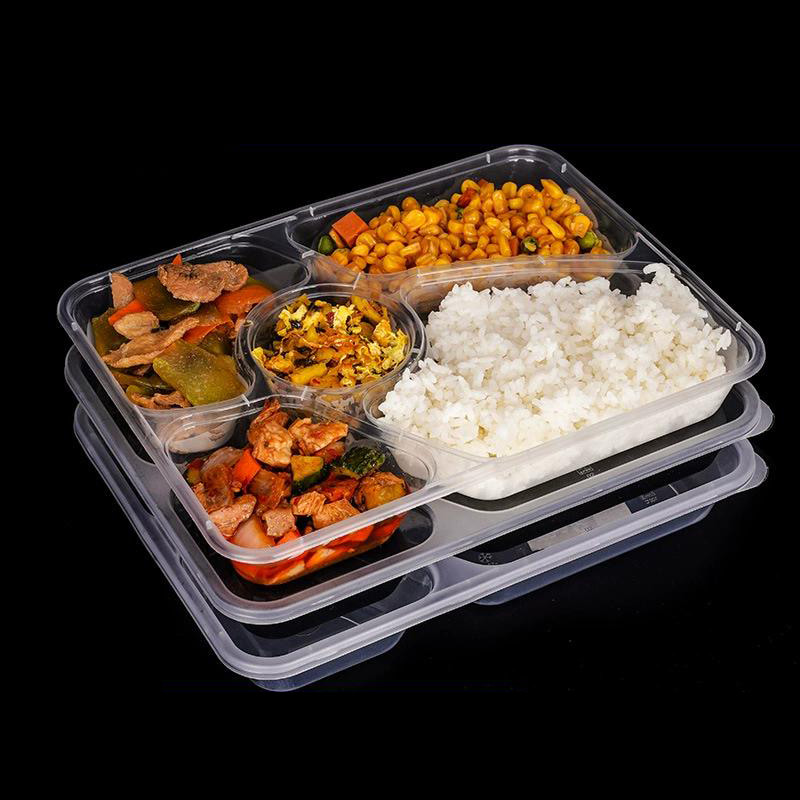
Portability: For single-serving products (like beverages and snacks), packaging must be convenient and easy to carry. PP material is lightweight and durable, making it a perfect choice for takeaway containers, cups, and ready-to-eat meals.
-
Microwave-Safe Packaging: With the rise of ready meals and microwavable food, PP containers are preferred as they can handle high temperatures and are safe to microwave. This adds to consumer satisfaction and convenience.
2.2 Resealable Packaging and Freshness
Packaging that offers resealability ensures that food stays fresh for longer. This is especially important for snacks, deli items, and meal kits. The convenience of resealable PP bags or containers enhances the overall product experience, encouraging consumers to purchase again.
-
Shelf Life: Packaging that extends the shelf life of products directly impacts the purchase decision, as consumers seek long-lasting, fresh products. PP containers with vacuum seals or perforated designs are popular for maintaining food quality over time.
3. The Environmental Impact of Packaging Materials
3.1 Growing Consumer Preference for Eco-Friendly Packaging
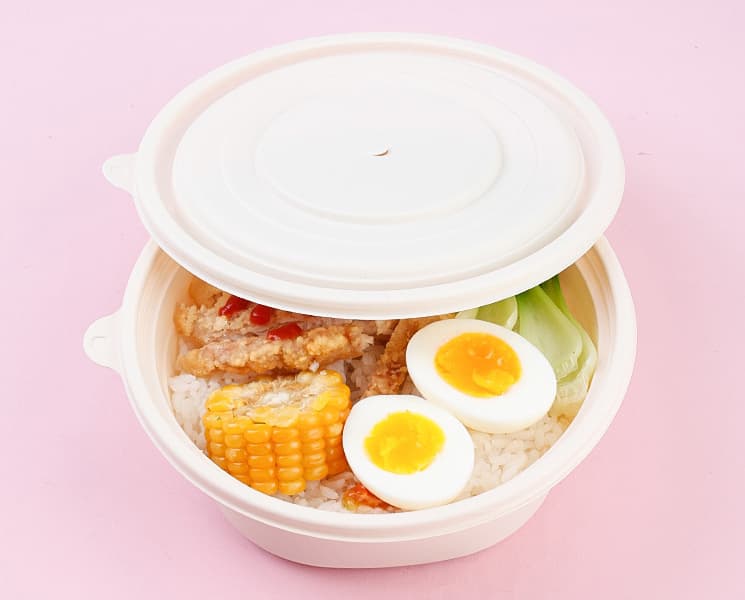
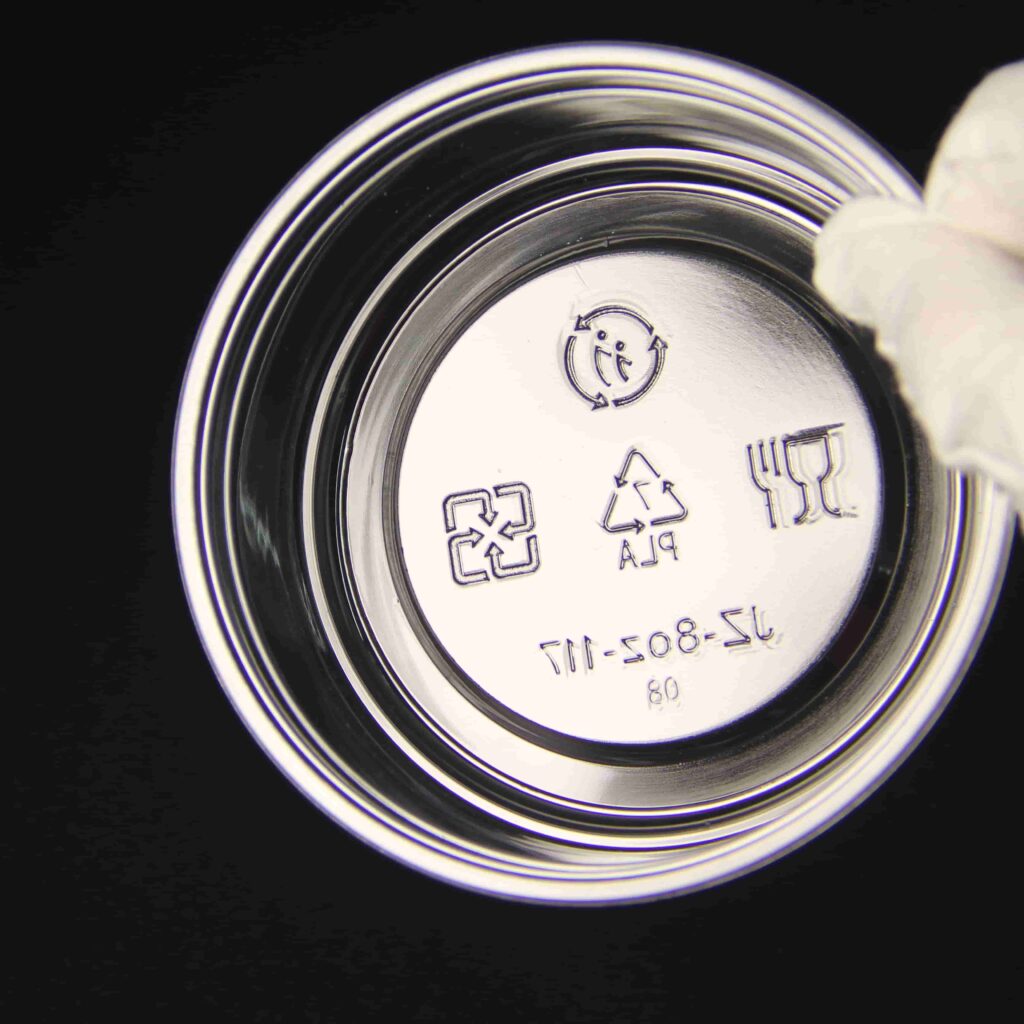
Environmental sustainability has become a key concern for consumers worldwide. Studies show that a significant portion of consumers prefer brands that offer eco-friendly packaging. Biodegradable materials like PLA (polylactic acid) and compostable packaging are growing in popularity, but PP material, which is recyclable, also plays a role in sustainability.
-
Recyclability of PP: PP is often chosen because it is recyclable, which appeals to environmentally-conscious consumers. Businesses using recyclable materials like RPET for packaging are seen as environmentally responsible. Brands that communicate their commitment to sustainability can build stronger customer loyalty.
3.2 The Impact of Packaging Waste on Consumer Behavior
Consumers are increasingly aware of the waste associated with excessive or non-recyclable packaging. Packaging that is bulky, wasteful, or difficult to recycle can negatively impact brand perception.
-
Minimalistic Packaging: Brands that use minimalistic packaging or packaging with reduced plastic are likely to resonate more with environmentally-conscious consumers. This is especially true in the food industry, where eco-conscious purchasing is on the rise.
4. Packaging and Branding: Building a Strong Brand Identity
4.1 The Role of Packaging in Brand Recognition
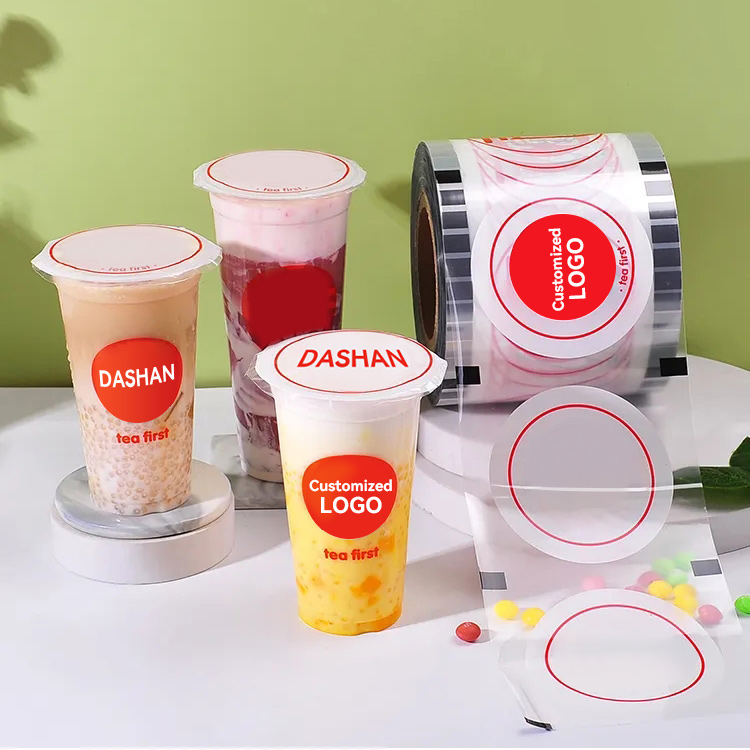
Packaging is one of the most effective ways to communicate a brand’s identity. Through distinct color schemes, logos, and designs, food packaging serves as an advertisement for the product.
-
Branding Through Design: PP material allows for vibrant, high-quality printing, which enables brands to stand out on store shelves. Custom designs on PP food trays, cups, and containers can significantly enhance brand recognition and appeal.
4.2 Packaging as a Reflection of Brand Values
Packaging reflects the values of a brand, and consumers often purchase products that align with their own values. A brand’s commitment to using sustainable packaging can position it as ethical and forward-thinking.
-
Sustainability Messaging: By using recyclable packaging or packaging made from sustainable materials, brands can attract consumers who value environmental responsibility.
5. Case Studies: Successful Packaging Innovations in the Food Industry
5.1 Case Study 1: Starbucks – Reusable Cups
Starbucks has successfully incorporated reusable packaging into its product offerings, encouraging customers to bring their own cups for coffee. This not only reduces waste but also builds brand loyalty.
5.2 Case Study 2: Coca-Cola – Sustainable Bottle Design
Coca-Cola has transitioned to using rPET (recycled PET) bottles for many of its products, reflecting its commitment to sustainability. This move has been well-received by consumers who are increasingly looking for brands that prioritize eco-friendly practices.
6. Conclusion
Food packaging is far more than a means of protecting products. It plays a pivotal role in shaping consumer behavior, influencing purchase decisions, and building brand loyalty. Whether it’s the appeal of PP food containers, the environmental impact of packaging materials, or the convenience of easy-to-use designs, packaging has become a powerful tool in the food industry.
As consumers continue to prioritize sustainability and convenience, businesses must adapt by offering packaging that aligns with these values. PP material, with its durability, recyclability, and versatility, will continue to be a key material in shaping the future of food packaging.
FAQ
-
How does packaging influence consumer behavior?
Packaging affects consumer behavior through visual appeal, convenience, material sustainability, and communication. Attractive designs and eco-friendly materials often drive consumers to make a purchase. -
Why is sustainable packaging important for food brands?
Sustainable packaging not only appeals to environmentally-conscious consumers but also aligns with the growing trend of reducing waste and carbon footprints. It enhances brand reputation and customer loyalty. -
What materials are commonly used in food packaging?
Common materials include PP, PLA, RPET, and PET. Each offers unique benefits, such as PP’s heat resistance and recyclability, while PLA is a biodegradable alternative. -
How does convenience in packaging affect consumer decisions?
Convenient packaging, such as resealable bags or microwave-safe containers, increases customer satisfaction and repeat purchases. Consumers value products that are easy to open, use, and store. -
How can brands leverage packaging for marketing?
Brands can use packaging to enhance brand identity through distinct designs, colors, and messages that align with their values, such as sustainability or quality. This helps build consumer trust and recognition.
References
-
Packaging and Consumer Behavior: A Study. (2022). Journal of Food Marketing. Link to journal.
-
Sustainable Food Packaging Trends. (2023). Packaging Science & Technology. Link to article.
Copyright Statement
© 2025 Dashan Packing. All rights reserved.
This article is an original work created by the Dashan Packing editorial team.
All text, data, and images are the result of our independent research, industry experience,
and product development insights. Reproduction or redistribution of any part of this content
without written permission is strictly prohibited.
Dashan Packing is committed to providing accurate, evidence-based information and
to upholding transparency, originality, and compliance with global intellectual property standards.