

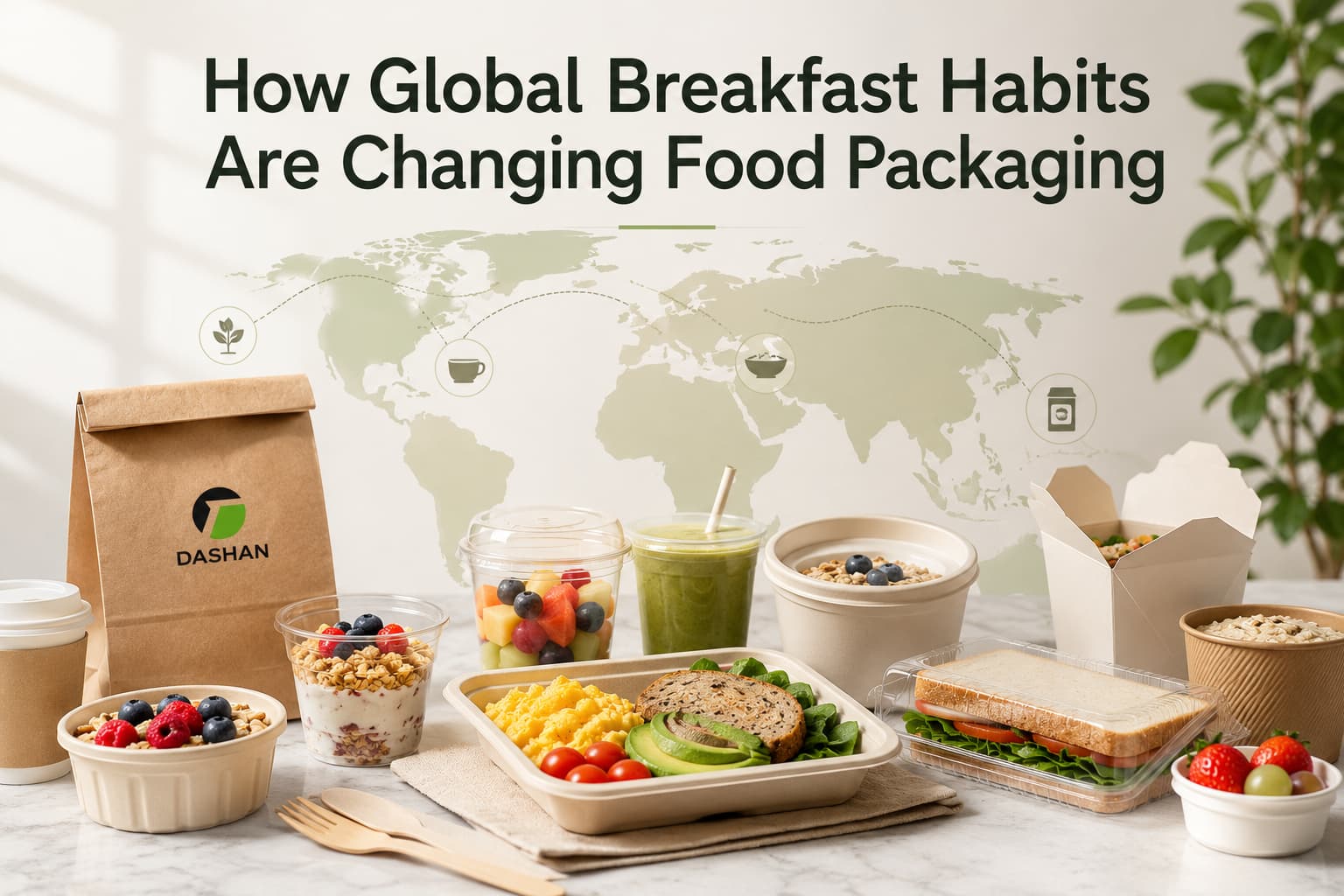
Introduction
Breakfast has long been considered one of the most routine meals of the day. Yet in recent years, breakfast habits have undergone significant changes around the world. Consumers are no longer following a single pattern of eating at home before starting their day. Instead, breakfast is becoming more flexible, mobile, and personalized.
In many markets, traditional breakfasts are being replaced by grab-and-go meals, protein-rich snacks, ready-to-drink beverages, and convenient prepared foods. Consumers increasingly eat breakfast during their commute, at the office, at school, or even between meetings. At the same time, growing interest in health, wellness, and sustainability is influencing what people eat and how those foods are packaged.
These shifts are creating new demands for food packaging. Manufacturers are being challenged to develop solutions that protect food quality, improve convenience, support transportation, and meet changing consumer expectations.
As breakfast continues evolving globally, packaging is evolving alongside it.
Breakfast Is Becoming More Portable
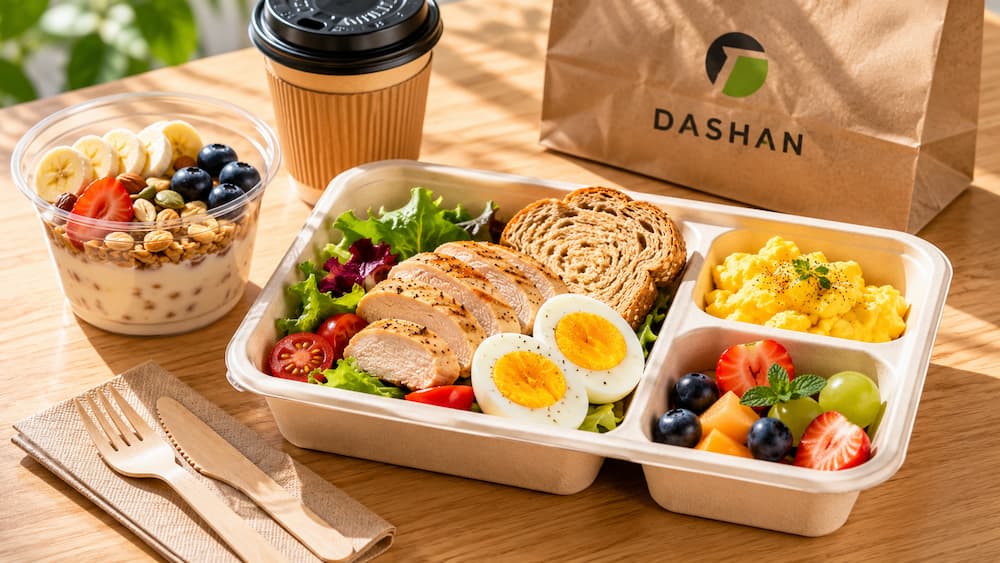
One of the most noticeable changes in breakfast consumption is the move away from traditional sit-down meals.
Modern lifestyles have made convenience a priority. Longer commuting times, hybrid work arrangements, and increasingly busy schedules mean that many consumers no longer have the time or desire to prepare a full breakfast at home.
As a result, portable breakfast products are gaining popularity, including:
- Breakfast sandwiches
- Yogurt cups
- Protein shakes
- Fruit packs
- Breakfast wraps
- Ready-to-eat bakery products
For food brands, portability has become a key packaging requirement.
Packaging must now support:
- Easy carrying
- Consumption while traveling
- Compact storage
- Minimal preparation
- Reduced risk of spills
A breakfast sandwich, for example, may be eaten while commuting, while a yogurt cup may be consumed at a desk. Packaging that is bulky, difficult to open, or inconvenient to handle can negatively affect the consumer experience.
This shift toward mobility has transformed packaging from a simple protective container into an essential part of product functionality.
Convenience Stores Are Influencing Breakfast Packaging Trends
Around the world, convenience stores have become important destinations for breakfast purchases.
In countries such as Japan, South Korea, China, the United States, and many parts of Europe, consumers increasingly rely on convenience stores for quick and affordable morning meals.
Unlike traditional grocery shopping, convenience store purchases are often made within seconds. Consumers typically make rapid decisions based on product visibility, convenience, and perceived freshness.
This has increased demand for packaging that offers:
- Clear product visibility
- Attractive presentation
- Easy shelf display
- Convenient handling
Transparent packaging has become particularly important for breakfast foods such as sandwiches, pastries, fruit cups, and prepared meals. Being able to see the product before purchase helps build consumer confidence and encourages impulse buying.
For retailers, packaging is no longer just a protective layer—it is a marketing tool that influences purchasing decisions.
Protein-Rich Breakfasts Are Creating New Packaging Demands
Health-conscious consumers are increasingly seeking protein-rich breakfast options.
Rather than relying solely on traditional cereals or baked goods, many consumers now choose products such as:
- Egg-based meals
- Greek yogurt
- Protein shakes
- Breakfast bowls
- Dairy snacks
- High-protein sandwiches
These products often contain ingredients that are more sensitive to temperature changes and require stronger freshness protection.
| Breakfast Category | Key Packaging Priority |
|---|---|
| Protein shakes | Portability and sealing |
| Yogurt products | Refrigeration performance |
| Egg-based meals | Structural protection |
| Breakfast bowls | Microwave compatibility |
Because protein-rich foods are often more perishable than dry breakfast products, packaging plays a critical role in maintaining food safety and quality.
Manufacturers must ensure that packaging supports cold-chain distribution while protecting products from contamination, moisture loss, and physical damage.
Breakfast Menus Are Becoming More Diverse
Globalization has significantly expanded breakfast options.
Consumers today are increasingly exposed to breakfast traditions from different cultures.
Asian breakfast products such as:
- Rice balls
- Congee
- Steamed buns
- Breakfast bento meals
are appearing in markets far beyond their countries of origin.
At the same time, Western breakfast formats continue evolving through products such as:
- Overnight oats
- Smoothie bowls
- Breakfast wraps
- Ready-to-drink nutrition beverages
This diversity creates packaging challenges because different foods require different solutions.
A rice ball has very different packaging requirements than a yogurt cup. A hot breakfast bowl requires different functionality than a cold smoothie.
Packaging must therefore be tailored to the specific characteristics of each product rather than relying on a one-size-fits-all approach.
Single-Serve Packaging Is Growing Rapidly
Portion-controlled products have become increasingly popular in the breakfast market.
Consumers are looking for meals and snacks that are:
- Convenient
- Easy to transport
- Suitable for individual consumption
- Aligned with nutritional goals
This trend has contributed to the growth of:
- Yogurt cups
- Instant oatmeal cups
- Fruit portions
- Protein snack packs
- Ready-to-drink beverages
Single-serve packaging provides several advantages.
For consumers, it offers convenience and portion management. For brands, it supports product consistency and simplifies distribution.
As breakfast becomes more individualized, packaging formats are becoming smaller, more portable, and increasingly tailored to single-person consumption.
Microwaveable Breakfast Solutions Are Becoming Mainstream
Speed has become a major factor in breakfast purchasing decisions.
Many consumers want meals that can be prepared in just a few minutes.
This has led to increased demand for:
- Ready-to-heat breakfast bowls
- Egg-based meals
- Breakfast rice dishes
- Oatmeal products
- Frozen breakfast options
To support these products, packaging must withstand microwave reheating while maintaining safety and structural integrity.
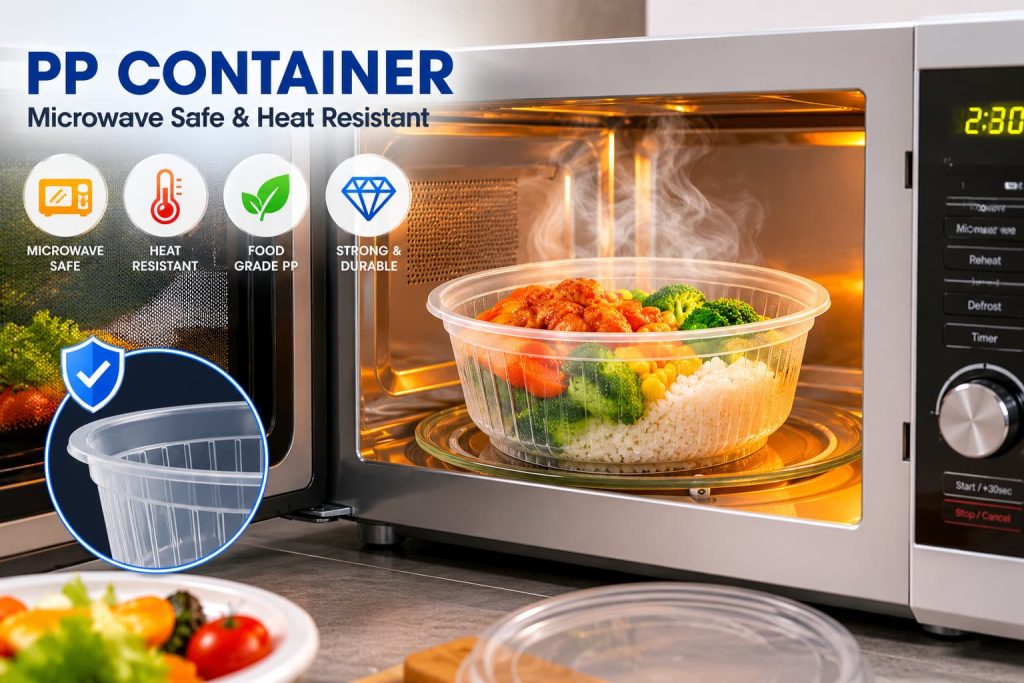
Materials such as PP (polypropylene) are widely used because they offer:
- Heat resistance
- Durability
- Microwave compatibility
- Cost efficiency
Microwave-safe packaging allows consumers to move directly from storage to preparation with minimal effort, making it highly attractive in today’s convenience-focused market.
Sustainability Is Influencing Packaging Decisions
While convenience remains important, sustainability has become a growing concern for consumers and food brands alike.
Breakfast products often generate large volumes of packaging because they are frequently sold in individual portions.
As a result, manufacturers are exploring packaging solutions that help reduce environmental impact while maintaining performance.
Examples include:
- Recyclable plastic packaging
- Mono-material packaging systems
- Lightweight designs
- Recycled-content materials
- Improved material efficiency
The challenge is finding the right balance between sustainability and functionality.
Breakfast packaging must still protect food quality, support transportation, and deliver convenience. Successful packaging solutions are increasingly those that achieve both performance and environmental objectives.
Beverages Are Becoming a Larger Part of Breakfast
For many consumers, breakfast now consists primarily of a beverage.
Coffee, smoothies, protein shakes, and nutritional drinks have become common meal replacements or meal companions.
This trend has increased demand for packaging that supports consumption on the move.
Key requirements include:
- Secure sealing
- Comfortable handling
- Leak resistance
- Temperature retention
- Portability
The popularity of beverage-based breakfasts has also encouraged innovation in cup, bottle, and lid design.
Packaging is no longer simply protecting the product—it is shaping how consumers interact with it throughout their day.
Delivery Services Are Creating New Challenges
Breakfast delivery has expanded significantly through food delivery platforms.
Consumers can now order breakfast sandwiches, coffee, rice meals, pastries, and breakfast bowls directly to homes or workplaces.
This creates new packaging requirements because products must maintain quality during transportation.
Packaging must help protect against:
- Leakage
- Compression
- Heat loss
- Product movement
A breakfast meal that arrives damaged or poorly presented may negatively affect customer satisfaction even if the food itself remains fresh.
As delivery continues growing, packaging performance is becoming increasingly important for breakfast-focused food businesses.
The Future of Breakfast Packaging
The evolution of breakfast habits is driving packaging innovation across multiple food categories.
Future packaging solutions are likely to focus on:
- Greater portability
- Enhanced convenience
- Improved freshness protection
- Sustainable materials
- Delivery compatibility
- Microwave-ready functionality
Manufacturers are increasingly designing packaging around consumer behavior rather than simply around food products.
At DASHAN, we work closely with food manufacturers and retailers to develop practical packaging solutions for evolving breakfast categories, including ready-to-eat meals, protein-rich breakfast products, takeaway beverages, and convenience-store food programs.
Companies such as DASHAN support this trend through a range of food packaging solutions including breakfast meal trays, microwave-safe containers, beverage cups, and grab-and-go packaging systems designed to meet the needs of modern foodservice and retail markets.
FAQ
1. How are global breakfast habits changing?
Consumers are increasingly choosing convenient breakfast options that fit busy lifestyles. Grab-and-go meals, protein-rich snacks, breakfast beverages, and ready-to-heat products are becoming more common than traditional sit-down breakfasts.
2. Why is portability important for breakfast packaging?
Many consumers eat breakfast while commuting, working, or traveling. Packaging must therefore be lightweight, easy to carry, easy to open, and suitable for consumption outside the home.
3. How are convenience stores influencing breakfast packaging?
Convenience stores rely heavily on ready-to-eat breakfast products. Packaging must provide strong shelf appeal, clear product visibility, easy handling, and efficient display to support quick purchasing decisions.
4. Why are protein-rich breakfasts creating new packaging demands?
Products such as yogurt, eggs, protein shakes, and breakfast bowls often require refrigeration, freshness protection, and secure packaging to maintain food quality and safety throughout distribution.
5. Why is microwave-safe packaging important for breakfast foods?
Consumers increasingly want breakfast products that can be prepared quickly. Microwave-compatible packaging allows ready meals, oatmeal, breakfast bowls, and egg-based products to be reheated safely and conveniently.
6. How is food delivery affecting breakfast packaging?
Breakfast delivery services require packaging that can withstand transportation while protecting food quality. Leak resistance, structural stability, and temperature retention have become increasingly important.
Conclusion
Breakfast is no longer defined by a fixed time, place, or menu. Around the world, consumers are choosing more flexible, convenient, and personalized ways to start their day.
These changes are influencing everything from product development to packaging design.
As portable meals, protein-rich foods, ready-to-heat products, breakfast beverages, and delivery services continue growing, packaging must adapt to new expectations for convenience, freshness, portability, and sustainability.
The most successful packaging solutions will be those that not only protect food but also support the evolving lifestyles of modern consumers. In the future, breakfast packaging will play an even greater role in shaping how people purchase, prepare, transport, and enjoy their morning meals.
References
Consumer Trends & Breakfast Habits
- International Food Information Council (IFIC) – Food & Health Survey
- McKinsey – The Future of Wellness Market
- Innova Market Insights – Food & Beverage Trends
Food Packaging & Food Safety
- U.S. FDA – Food Packaging & Other Substances that Come into Contact with Food
- European Food Safety Authority (EFSA) – Food Contact Materials
Convenience Foods & Retail Trends
Sustainability & Packaging
Copyright Statement
© 2026 Dashan Packing. All rights reserved.
This article is an original publication by the Dashan Packing team based on industry research, market analysis, and packaging expertise. Unauthorized reproduction, distribution, or copying of this content is prohibited without prior written permission.
Dashan Packing is committed to delivering reliable, original, and professional information for the global food packaging industry.