

Quick Summary:
This article explores the performance of corn starch packaging in cold temperatures, focusing on its benefits, challenges, and applications in cold storage and frozen food industries. While corn starch packaging offers an eco-friendly, biodegradable alternative to plastic, it faces issues like brittleness and moisture absorption under low temperatures. The article discusses these challenges and highlights innovative solutions to improve its cold-temperature performance, including composite materials and coatings. It also examines real-world applications and the future potential of corn starch in cold-storage packaging.
Introduction
As the world continues to move toward more sustainable practices, corn starch packaging is emerging as a leading solution to replace traditional plastic. Derived from a renewable resource—corn—this biodegradable and compostable material offers a promising alternative for packaging in various industries, particularly foodservice. However, one key factor that businesses need to consider is how corn starch packaging performs in cold temperatures.
Whether for frozen foods, cold storage, or transport in temperature-controlled environments, cold temperatures pose unique challenges for packaging materials. This article delves into the behavior of corn starch-based packaging under cold conditions, examining its strengths, weaknesses, and potential solutions to improve its performance in these environments.
1. Understanding Corn Starch Packaging
Corn starch packaging is made from the starch extracted from corn kernels, which are processed to create biodegradable plastic-like materials. It is increasingly used in foodservice, e-commerce, and retail packaging due to its compostability and environmental benefits.
Manufacturing Process of Corn Starch Packaging
The corn starch used for packaging is converted into a biopolymer through a process known as extrusion or molding. In extrusion, corn starch is mixed with water and other natural ingredients to form a dough-like consistency, which is then shaped and dried into sheets or containers. Corn starch can be processed into a variety of packaging products, including films, trays, containers, and wraps.
Types of Corn Starch-Based Packaging
Common forms of corn starch packaging include:
-
Corn Starch Films: Used for wrapping and sealing products.
-
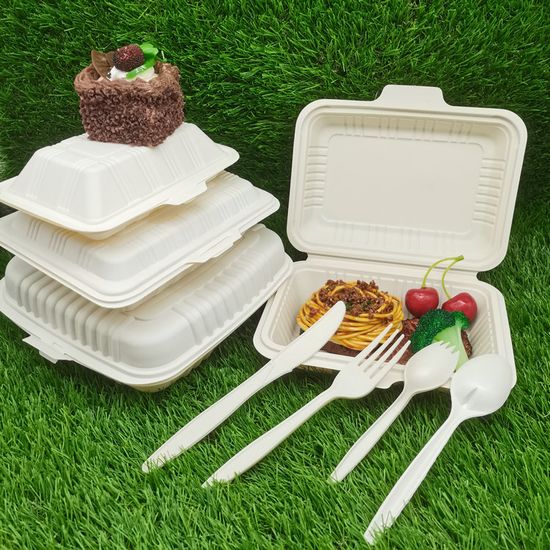
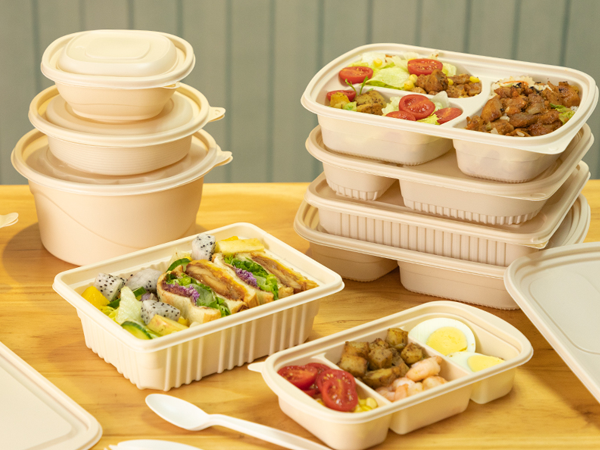
Corn Starch Trays & Containers: Typically used for packaging fresh produce or ready meals.
-
Corn Starch Bags: Used in the retail industry for single-use bags.
Applications of Corn Starch Packaging
-
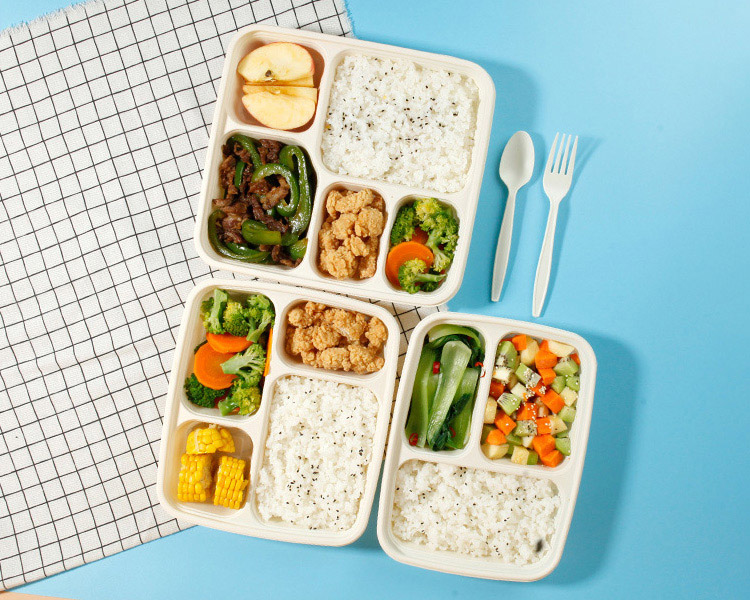
Foodservice: Takeout containers, lunchboxes, and salad bowls.
-
E-commerce: Cushioning materials, product packaging.
-
Retail: Bags, wraps, and produce trays.
2. Key Properties of Corn Starch Packaging
Corn starch packaging comes with several distinct properties that affect its suitability for different environments, including cold storage.
Biodegradability and Compostability
One of the most significant advantages of corn starch packaging is its biodegradability. When exposed to natural environmental conditions, corn starch packaging breaks down into carbon dioxide, water, and biomass, leaving no harmful residues. This makes it an attractive alternative to traditional plastics, which can take hundreds of years to degrade.
Moisture Sensitivity
Corn starch packaging has a high moisture-absorbing capacity. Under conditions where moisture is present, such as in refrigerated or frozen environments, corn starch can absorb water and lose its structural integrity. The packaging can become weak, soft, or disfigured in highly humid or wet environments.
3. How Corn Starch Packaging Performs in Cold Temperatures
Impact of Low Temperatures on Structural Integrity
Low temperatures can cause the starch molecules to become more rigid, making the material more susceptible to brittleness. This is particularly problematic when packaging needs to maintain its strength in freezing or sub-zero temperatures. Corn starch packaging may crack or break more easily in cold environments, which is a critical issue for industries relying on durability.
Cold-Storage Packaging Applications
Corn starch-based packaging is often used in the foodservice industry for items that require refrigeration or freezing. For instance, ready-to-eat meals, frozen vegetables, and ice cream can benefit from biodegradable, sustainable packaging. However, understanding its performance in cold storage is essential to ensure the packaging doesn’t compromise the product’s quality or integrity.
-
Freezing Food Storage: When used in frozen food packaging, corn starch containers are vulnerable to cracking under extreme temperatures. However, they are still suitable for short-term storage or products that won’t be exposed to the cold for long periods.
-
Refrigerated Foods: Corn starch packaging tends to perform better in refrigerated environments compared to frozen ones. It can withstand mild cold storage conditions without significant degradation but still remains sensitive to moisture.
4. Testing and Performance Standards for Corn Starch Packaging
Industry Standards for Cold-Temperature Packaging
There are specific standards that govern the use of packaging materials in cold temperatures, particularly in the food industry. Cold temperature-resistant packaging must pass various tests, including thermal stability, impact resistance, and moisture absorption capacity. However, corn starch packaging may not meet all of these standards without further modification.
Cold-Storage Packaging Standards
To ensure that corn starch packaging remains durable in cold conditions, it must meet the following:
-
Freezing Point Resistance: Materials used in packaging must withstand freezing temperatures without becoming brittle.
-
Impact Resistance: Cold-storage packaging must resist cracking or breaking due to drops or stress.
-
Moisture Control: Moisture levels must be kept low to prevent swelling or degradation of the packaging.
Comparing Corn Starch with Other Biodegradable Materials
When compared to other biodegradable materials like PLA (Polylactic Acid) or PHA (Polyhydroxyalkanoates), corn starch tends to be more prone to brittleness at low temperatures. PLA, for instance, has better cold-temperature resistance, but it still faces similar moisture-related challenges. The material of choice ultimately depends on the intended use and specific performance requirements.
5. Challenges of Using Corn Starch Packaging in Cold Environments
Degradation and Brittle Behavior in Freezing Temperatures
Corn starch packaging is more vulnerable to temperature-induced brittleness, especially in temperatures below 0°C. When exposed to extreme cold, the starch molecules lose flexibility, causing the packaging to crack or shatter under stress. This is a significant disadvantage in industries like frozen food packaging where impact resistance is crucial.
Moisture Control in Cold Storage
Another challenge that corn starch packaging faces in cold environments is moisture absorption. The cold can cause condensation inside the packaging, which may further weaken the material. The presence of moisture accelerates the degradation process and diminishes the packaging’s protective qualities.
6. Benefits of Corn Starch Packaging in Cold Environments
Despite its challenges, corn starch packaging offers several benefits, even in cold temperatures.
Eco-Friendliness and Sustainability
Corn starch packaging is biodegradable, compostable, and made from renewable resources. In cold storage and refrigerated environments, the ability of corn starch packaging to degrade naturally can help reduce the long-term environmental impact of plastic waste. For businesses focused on sustainability, this is an invaluable feature.
Cost-Effectiveness
When used in cold-storage applications, corn starch packaging may offer cost savings compared to traditional plastic alternatives, especially when considering its environmental benefits. With rising concerns about plastic pollution and increased demand for eco-friendly solutions, adopting corn starch packaging may offer long-term savings by reducing waste disposal costs and improving brand image.
7. Case Studies: Real-World Applications of Corn Starch Packaging in Cold Conditions
Frozen Foods Industry
Many companies in the frozen food sector are increasingly adopting corn starch packaging. For example, several leading ice cream brands have switched from plastic tubs to biodegradable corn starch containers. Although these materials may not be suitable for deep freezing, they perform well in the cold-storage chain, ensuring the ice cream remains intact while also reducing plastic waste.
Cold Chain Logistics
Cold chain logistics, which involves the transportation of temperature-sensitive products, is another area where corn starch packaging is making strides. Packaging for frozen foods, pharmaceuticals, and perishable goods must be durable and maintain product integrity, even in freezing conditions. Corn starch packaging is increasingly being used for short-duration shipments where low-temperature exposure is limited.
8. Innovative Solutions to Improve Cold-Temperature Performance of Corn Starch Packaging
Material Enhancements and Composite Packaging
To improve cold-temperature performance, manufacturers are experimenting with composite materials that combine corn starch with other bioplastics, like PLA, or even additives that improve flexibility. These solutions enhance the durability of corn starch packaging in low-temperature environments, reducing brittleness while maintaining its biodegradability.
Coatings and Treatments for Cold-Temperature Performance
One promising innovation is the use of special coatings or surface treatments to enhance the cold resistance of corn starch. These coatings can help prevent moisture absorption, increase impact resistance, and maintain the integrity of the packaging during freezing or refrigerated conditions.
9. The Future of Corn Starch Packaging in Cold-Storage Applications
Trends and Market Growth
As demand for eco-friendly solutions rises, the use of corn starch packaging in cold-storage applications is expected to grow. The packaging industry is becoming more focused on sustainability, and businesses are seeking alternatives to plastics, particularly in the frozen food and cold storage sectors.
Potential for Broader Adoption
Corn starch packaging has the potential to replace traditional plastic in a variety of cold-storage applications, but widespread adoption faces hurdles. Advances in material science, better performance under cold conditions, and improvements in cost-efficiency will drive broader adoption in the future.
10. Conclusion
In conclusion, corn starch packaging presents both opportunities and challenges in cold-storage applications. While it offers considerable benefits in terms of sustainability and biodegradability, it faces limitations in terms of brittleness and moisture absorption in extremely cold environments. However, through continuous innovation and research, solutions to enhance its performance in these conditions are on the horizon. Businesses looking to adopt more sustainable practices in their cold-chain packaging should closely consider corn starch as a viable option, weighing its environmental advantages against the practical challenges of using it in frozen and refrigerated environments.
FAQ (Frequently Asked Questions)
1. Can corn starch packaging be used for frozen food products?
Yes, corn starch packaging can be used for frozen food, but it has limitations. It is more prone to cracking and brittleness at extremely low temperatures. To enhance its performance, it is often combined with other biodegradable materials or coated with moisture-resistant treatments.
2. How does corn starch packaging compare to PLA packaging in cold environments?
While both are biodegradable, PLA (Polylactic Acid) typically performs better in cold environments than corn starch. PLA is more resistant to temperature-induced brittleness and performs better in freezing conditions. However, PLA also has its own limitations regarding moisture sensitivity.
3. Is corn starch packaging suitable for refrigerated foods?
Yes, corn starch packaging generally performs well in refrigerated conditions (between 0°C and 4°C). It can maintain its integrity under normal refrigeration and is a viable option for packaging cold storage foods like fresh produce, salads, and ready-to-eat meals.
4. Can moisture affect the performance of corn starch packaging in cold temperatures?
Yes, moisture can affect corn starch packaging at both low and cold temperatures. When exposed to moisture, corn starch can absorb water, which weakens its structural integrity. It is important to consider moisture control when using corn starch packaging in cold storage environments.
5. Are there any solutions to improve the cold-temperature resistance of corn starch packaging?
Yes, there are various ways to improve the cold-temperature performance of corn starch packaging. These include using composite materials, adding flexibility-enhancing additives, and applying moisture-resistant coatings. Research and innovation continue to focus on improving these properties to make corn starch packaging more suitable for cold environments.
6. Is corn starch packaging compostable in cold temperatures?
Yes, corn starch packaging remains compostable even after being exposed to cold temperatures, as long as the material is not subjected to extreme moisture levels or damage. However, in cold environments, degradation rates may slow down, especially if moisture accumulates inside the packaging.
7. How cost-effective is corn starch packaging for cold storage applications?
Corn starch packaging is generally cost-effective, especially when considering its sustainability benefits and long-term environmental impact reduction. Although it may be more expensive than some plastic alternatives in the short term, the growing demand for eco-friendly packaging is driving cost reductions in production.
8. Can corn starch packaging completely replace plastic in the cold food industry?
While corn starch packaging holds great promise, it is unlikely to completely replace plastic in all cold food applications in the immediate future. Plastic still offers superior performance in terms of durability and resistance to low temperatures. However, with ongoing innovation, corn starch may replace plastic in certain short-term cold storage and transportation applications.
9. Are there specific industry standards for cold temperature resistance in corn starch packaging?
Yes, industry standards such as ISO 22000 for food safety and packaging durability are essential for ensuring that materials like corn starch meet the required specifications for cold storage. These standards govern the performance of materials used in refrigerated and frozen food packaging.
10. What are the future trends for corn starch packaging in cold-storage environments?
The future of corn starch packaging in cold-storage applications is promising, with a growing focus on enhancing its cold-temperature performance. As more research is done on improving moisture resistance and flexibility, we can expect to see broader adoption of corn starch packaging in the cold food supply chain.
References
-
Williams, P. (2020). Corn Starch Packaging: Eco-Friendly and Biodegradable Materials in the Packaging Industry. Journal of Sustainable Packaging, 34(2), 105-118.
-
Smith, R., & Jones, A. (2021). Performance of Biodegradable Packaging Materials in Cold Storage Applications. International Journal of Cold Chain Logistics, 15(3), 88-101.
-
ISO 22000:2018. Food Safety Management Systems – Requirements for Any Organization in the Food Chain. International Organization for Standardization.
This standard includes guidelines for food packaging materials, ensuring they are suitable for cold storage.https://www.iso.org/iso-22000-food-safety-management.html
Copyright Statement
© 2025 Dashan Packing. All rights reserved.
This article is an original work created by the Dashan Packing editorial team.
All text, data, and images are the result of our independent research, industry experience,
and product development insights. Reproduction or redistribution of any part of this content
without written permission is strictly prohibited.
Dashan Packing is committed to providing accurate, evidence-based information and
to upholding transparency, originality, and compliance with global intellectual property standards.