

Quick Summary
Food usability is not only determined by ingredients or recipes, but increasingly by packaging design and material choice. From moisture control and oxygen barriers to temperature resistance and delivery durability, better packaging plays a decisive role in extending shelf life, preserving food quality, and reducing waste. This article explains how packaging directly impacts food usability across different scenarios—retail, takeaway, cold chain, and ready meals—while highlighting practical material solutions used by manufacturers like DASHAN.
When food is thrown away, it is rarely because it has reached the end of its official shelf life.
Much more often, food is discarded because it looks unappealing, leaks, dries out, becomes soggy, mixes with other foods, or is physically damaged during handling.
This is where food usability becomes more important than shelf life—and where packaging plays a decisive role.
Better packaging does not merely protect food from spoilage in a laboratory setting. It extends the real-world usability of food across preparation, storage, transport, display, and consumption. Understanding this distinction is critical for food brands, retailers, and foodservice operators aiming to reduce waste, control costs, and improve customer experience.
1. Food Usability Is Not the Same as Shelf Life
Shelf life is a technical concept.
Usability is a practical one.
Shelf life answers the question:
Is this food still safe to eat under defined conditions?
Usability answers a different question:
Will this food still be eaten, served, or sold in real conditions?
Food often becomes unusable long before it becomes unsafe. Common usability failures include:
-
Excess moisture or dryness
-
Leakage and contamination
-
Structural collapse
-
Unappealing appearance
-
Difficulty opening or handling the package
Packaging is the primary factor that determines whether food remains usable beyond the point of preparation.
2. What Actually Limits Food Usability in Real Life
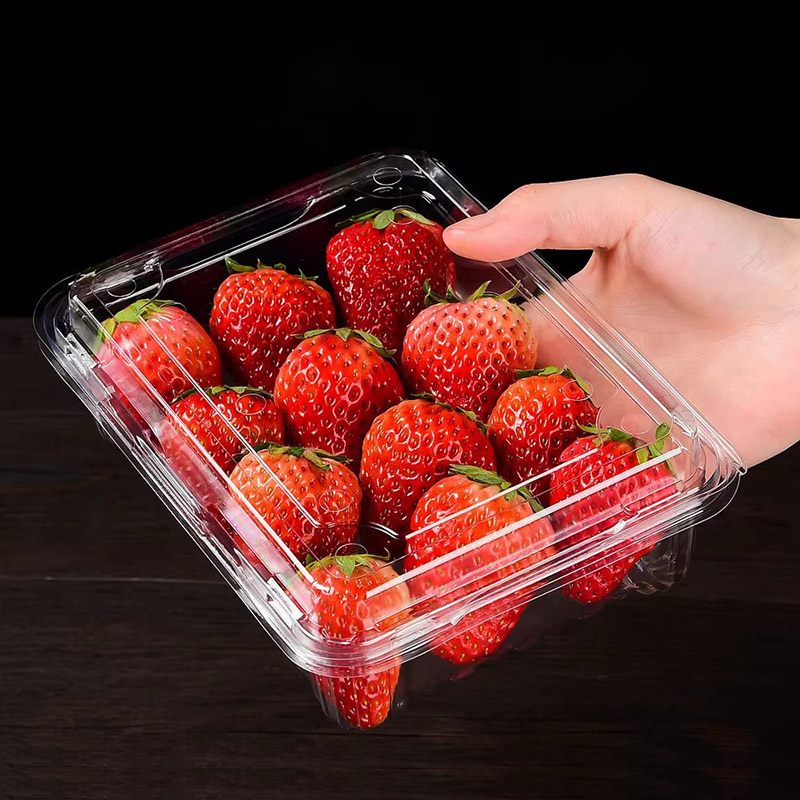
Food usability is constrained by multiple, overlapping factors. These factors rarely occur alone.
2.1 Moisture Loss and Moisture Gain
Moisture imbalance is one of the most common reasons food is discarded.
-
Dry foods lose texture and freshness when moisture escapes.
-
Moist foods become soggy when condensation accumulates.
-
Cold foods frequently suffer from internal condensation.
Packaging that cannot manage moisture effectively shortens usability even when the food itself remains safe.
2.2 Leakage and Cross-Contamination
Leakage is not just a cleanliness issue. It directly affects usability.
Once sauce leaks:
-
Adjacent foods are contaminated
-
Packaging loses structural stability
-
Consumer trust is lost
In multi-compartment meals, even minor leakage can make the entire meal unusable.
2.3 Physical Damage During Handling
Food packaging must withstand:
-
Manual handling
-
Stacking
-
Transport vibration
-
Sudden impacts
Structural failure often results in:
-
Deformed food presentation
-
Crushed textures
-
Loss of portion integrity
Food may still be edible, but it will not be consumed.
2.4 Temperature Fluctuation
Real-world food rarely stays at a single temperature.
Common transitions include:
-
Hot filling → cooling
-
Refrigeration → room temperature
-
Cold storage → reheating
Packaging that cannot tolerate these transitions contributes to warping, seal failure, or condensation—each reducing usability.
3. How Packaging Directly Extends Food Usability
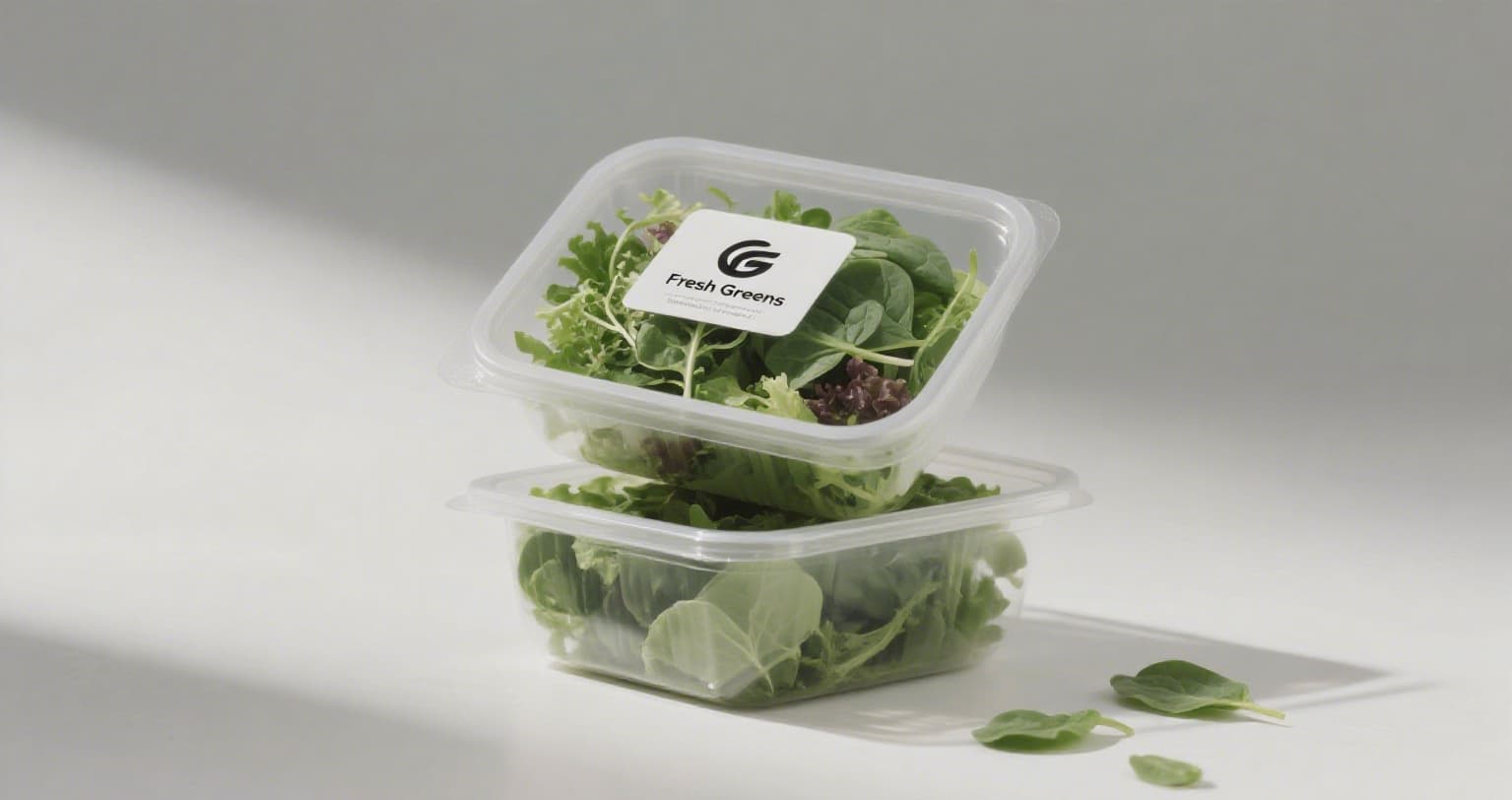
Better packaging extends usability by addressing multiple failure points simultaneously.
3.1 Barrier Performance
Barrier performance controls how food interacts with its environment.
Effective barriers:
-
Retain moisture where needed
-
Block grease penetration
-
Reduce odor transfer
-
Limit external contamination
Poor barrier performance accelerates visual and textural degradation.
3.2 Structural Protection
Structure is what allows food to survive handling.
Key structural functions include:
-
Load distribution during stacking
-
Resistance to compression
-
Impact absorption
Structure determines whether food arrives intact or damaged.
3.3 Sealing and Closure Systems
Sealing is the difference between containment and failure.
A reliable closure:
-
Prevents leakage
-
Maintains internal environment
-
Preserves portion integrity
Many usability issues originate at the lid–base interface rather than the material itself.
Table 1: Common Food Usability Problems and Packaging Solutions
| Usability Issue | Root Cause | Packaging Contribution |
|---|---|---|
| Soggy texture | Condensation | Moisture control & ventilation |
| Dried-out food | Moisture loss | Barrier retention |
| Leakage | Poor sealing | Lid–tray compatibility |
| Crushed food | Weak structure | Reinforced geometry |
| Mixed flavors | Odor transfer | Improved barrier design |
4. Material Choice and Its Impact on Food Usability
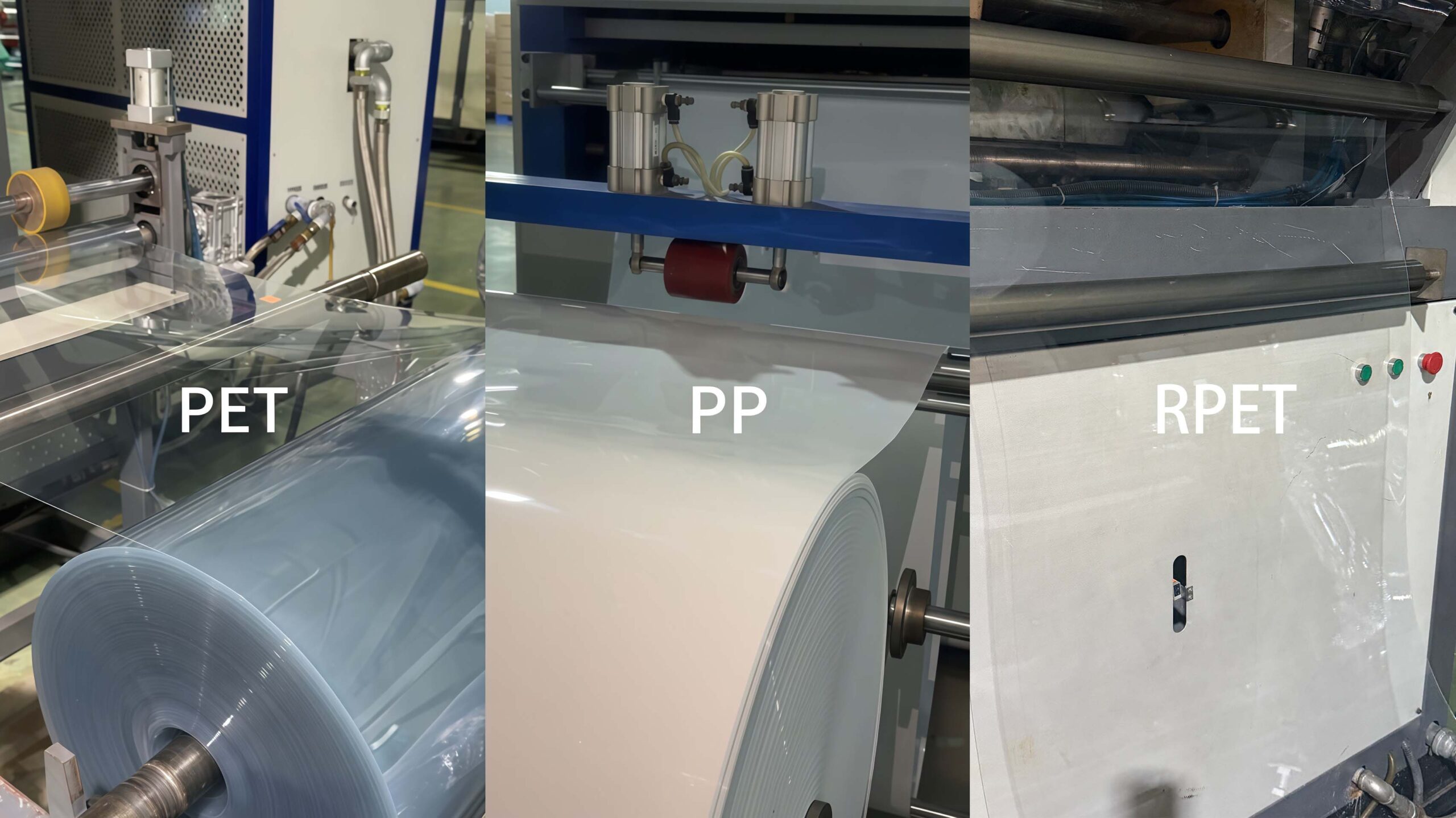
Material selection influences usability—but only within its performance limits.
4.1 Plastic Packaging (PET, PP, CPET)
Plastics offer controlled barrier properties and predictable structural behavior.
-
PET / RPET: Excellent for cold food visibility, limited heat tolerance
-
PP: Strong heat resistance, moderate transparency
-
CPET: Designed for extreme temperature ranges
Each performs well in specific usability scenarios—and poorly outside them.
4.2 Fiber-Based Packaging
Fiber-based packaging offers breathability and a natural appearance, but limited protection against moisture and grease.
It performs best where:
-
Short usage time is expected
-
Moisture exposure is controlled
-
Structural loads are low
4.3 Trade-Offs Are Unavoidable
No material maximizes all usability factors.
Improving one aspect often weakens another:
-
Breathability vs. moisture retention
-
Transparency vs. insulation
-
Rigidity vs. impact resistance
Usability depends on choosing the right compromise.
5. Why Structure Often Matters More Than Material
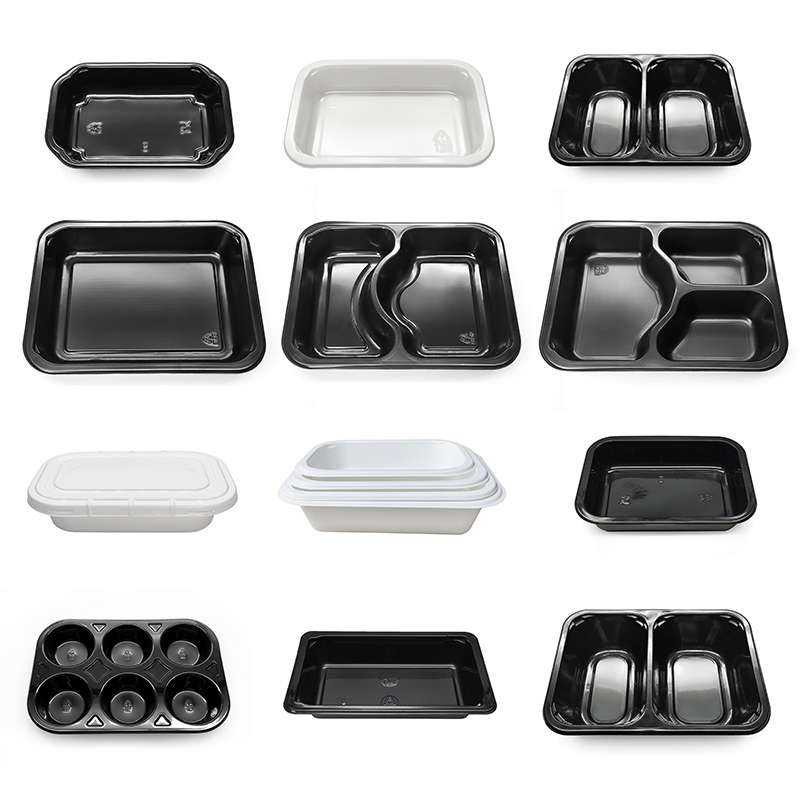
Material sets the baseline. Structure defines real performance.
5.1 Thickness vs. Geometry
Increasing wall thickness alone rarely solves usability problems.
Well-designed geometry:
-
Redirects stress
-
Improves rigidity
-
Enhances stacking strength
Structure efficiency often matters more than material mass.
5.2 Stackability and Load Distribution
Stacking is unavoidable in foodservice and retail.
Poor stack design leads to:
-
Localized stress
-
Seal deformation
-
Progressive collapse
Good stackability preserves both food and packaging integrity.
5.3 Lid–Base Interaction
The interaction between lid and base is one of the most underestimated factors in food usability.
Small mismatches in stiffness or tolerance can:
-
Break seals
-
Trap condensation
-
Cause deformation
Table 2: Structural Factors Affecting Food Usability
| Structural Element | Usability Impact |
|---|---|
| Rib design | Prevents deformation |
| Corner reinforcement | Reduces leakage risk |
| Flange stiffness | Improves sealing |
| Base geometry | Maintains food presentation |
6. Packaging Performance and Food Waste
Food waste is often a packaging problem in disguise.
When packaging fails:
-
Food is discarded early
-
Portions cannot be reused
-
Retailers lose sellable inventory
Extending usability directly reduces waste.
Table 3: Packaging Failure vs. Food Waste Outcomes
| Packaging Failure | Resulting Waste |
|---|---|
| Leakage | Entire meal discarded |
| Condensation | Product removed from display |
| Structural collapse | Unsellable presentation |
| Seal failure | Contamination risk |
Better packaging protects food value—not just food safety.
7. Food Usability Across Different Scenarios
Different foods require different usability strategies.
Table 4: Food Scenarios and Packaging Priorities
| Food Type | Main Risk | Packaging Priority |
|---|---|---|
| Hot meals | Deformation | Heat-resistant structure |
| Cold salads | Condensation | Moisture control |
| Oily foods | Leakage | Barrier & sealing |
| Multi-item meals | Cross-contamination | Compartmentalization |
| Takeaway food | Handling damage | Structural protection |
Usability is always scenario-specific.
8. How Better Packaging Supports Sustainability
Extending food usability is inherently sustainable.
When food remains usable:
-
Less food is wasted
-
Fewer replacement meals are produced
-
Overall environmental impact is reduced
Sustainability is not only about material labels—it is about performance over time.
9. How DASHAN Approaches Food Usability Through Packaging
DASHAN approaches packaging design from the perspective of food usability, not material trends.
Rather than promoting a single solution, DASHAN works across multiple materials and structures to:
-
Match packaging performance to food behavior
-
Reduce real-world failures
-
Support consistent food quality across handling stages
This system-based approach allows packaging to extend usability where it matters most—in daily operations.
FAQ
1. What does “food usability” mean in packaging terms?
Food usability refers to how long food remains safe, visually appealing, and functionally convenient for consumption. Packaging affects usability by controlling moisture, oxygen exposure, temperature stability, and physical protection.
2. Is extending food usability the same as extending shelf life?
Not exactly. Shelf life focuses on safety and expiration, while usability includes appearance, texture, flavor, and ease of use—especially important for takeaway and delivery foods.
3. How does packaging reduce food waste?
Proper packaging minimizes leakage, sogginess, oxidation, and deformation during transport, which are major causes of food rejection before expiration.
4. Which materials are most effective for hot and ready meals?
CPET and PP trays are commonly used due to their heat resistance, rigidity, and compatibility with reheating methods such as ovens and microwaves.
5. How does packaging help with cold food delivery?
Anti-fog lids, moisture-resistant containers, and airtight sealing help maintain clarity, freshness, and presentation for salads, desserts, and chilled meals.
6. Does sustainable packaging reduce food usability?
Not necessarily. When properly engineered, materials like bagasse, RPET, and mono-PP can balance sustainability with performance. Poor design—not the material itself—is usually the issue.
7. Why do food brands choose different packaging for the same food?
Usability requirements vary by channel: dine-in, takeaway, airline catering, retail, or delivery platforms all impose different stresses on packaging.
Conclusion: Better Packaging Means Better Food Use
Food usability determines whether food is eaten, sold, or wasted.
Better packaging:
-
Preserves texture and appearance
-
Prevents leakage and damage
-
Maintains usability across real-world conditions
Extending food usability is not about extending shelf life alone.
It is about designing packaging that understands how food is actually used.
When packaging is designed for usability, food waste decreases, operations improve, and sustainability goals become achievable—not theoretical.
References
-
https://www.ift.org/news-and-publications/food-technology-magazine
-
https://www.efsa.europa.eu/en/topics/topic/food-contact-materials
Copyright Statement
© 2026 Dashan Packing. All rights reserved.
This article is an original work created by the Dashan Packing editorial team.
All text, data, and images are the result of our independent research, industry experience,
and product development insights. Reproduction or redistribution of any part of this content
without written permission is strictly prohibited.
Dashan Packing is committed to providing accurate, evidence-based information and
to upholding transparency, originality, and compliance with global intellectual property standards.