

Quick Summary
Anti-fog PET food containers help prevent condensation, keeping food packaging clear and visually appealing in refrigerated environments.
By improving product visibility and freshness perception, they can increase supermarket sales by up to 20%, especially for salads, cut fruits, and ready meals.
Although slightly higher in cost, anti-fog PET food containers deliver strong ROI through better presentation, higher conversion rates, and faster product turnover.
Introduction: The Hidden Sales Killer in Fresh Food Packaging
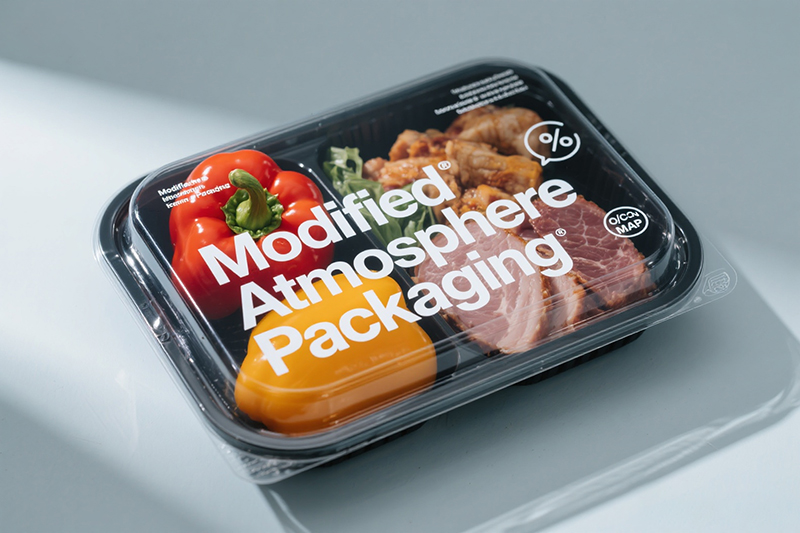
In modern retail environments, especially in supermarkets and convenience stores, consumers make purchasing decisions in seconds. Studies in retail psychology consistently show that most shoppers spend less than five seconds evaluating a fresh food product before deciding whether to buy it or move on. In that narrow window, visual perception becomes the dominant factor.
Freshness is not only about actual product quality—it is about how that quality is perceived. Even the highest-grade salad, fruit, or ready-to-eat meal can fail commercially if it looks unappealing on the shelf. One of the most overlooked yet critical issues affecting visual appeal is fogging inside food packaging.
Condensation buildup on container lids—caused by temperature differences between chilled food and ambient air—creates a cloudy, opaque appearance. This fogging effect reduces transparency, distorts the product’s natural color, and subconsciously signals “lack of freshness” to consumers.
This is where anti-fog PET food containers come into play. More than just a packaging upgrade, they function as a direct sales optimization tool. By maintaining crystal-clear visibility even in cold and humid environments, they significantly enhance product presentation, consumer trust, and ultimately purchase conversion.
In fact, multiple retail case studies and industry data suggest that switching to anti-fog packaging can increase supermarket sales of fresh food products by up to 20%.
What Are Anti-Fog PET Food Containers?
Technical Definition and Material Structure
Anti-fog PET food containers are made from polyethylene terephthalate (PET), a widely used thermoplastic polymer known for its clarity, strength, and food safety compliance. What differentiates anti-fog PET from standard PET is the incorporation of specialized anti-fog technology.
This technology can be applied in two main ways:
- Surface coating: A thin anti-fog layer applied to the inner surface
- Integrated additive: Anti-fog agents blended into the PET material during manufacturing
Both approaches work by modifying the surface energy of the material, preventing water vapor from forming visible droplets.
Typical material parameters include:
| Parameter | Value Range |
|---|---|
| Thickness | 0.2 mm – 0.6 mm |
| Transparency | > 90% light transmission |
| Anti-fog duration | 24–72 hours |
| Temperature resistance | -20°C to 60°C |
For buyers sourcing anti-fog PET containers manufacturer solutions, understanding these specifications is essential for selecting the right product.
How Anti-Fog Technology Works in Refrigerated Environments
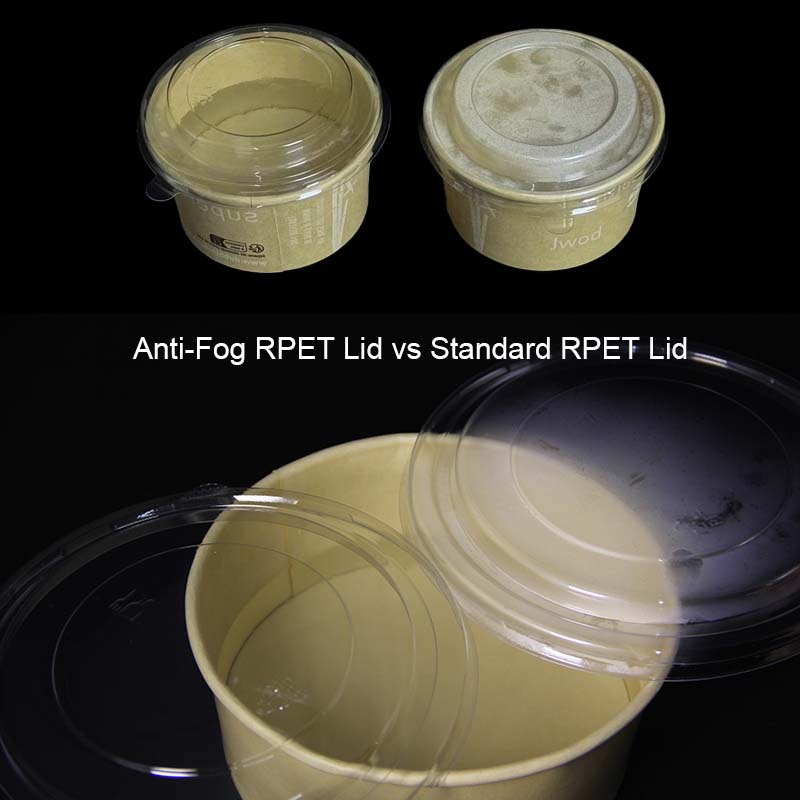
Fogging occurs when warm, humid air comes into contact with a cold surface, causing water vapor to condense into droplets. In standard packaging, these droplets scatter light, creating a foggy appearance.
Anti-fog technology alters this process. Instead of forming droplets, moisture spreads into a thin, transparent film across the surface. This eliminates light scattering and maintains clear visibility.
This functionality is particularly critical in:
- Refrigerated displays (0–8°C)
- High humidity environments (>80% RH)
- Freshly packed warm foods that cool inside containers
For businesses purchasing anti-fog PET food containers wholesale, this performance advantage directly translates into improved shelf presentation.
Why Fogging Reduces Supermarket Sales (Backed by Data)
Consumer Behavior and Visual Perception
Consumers associate visual clarity with freshness. When packaging is fogged:
- Product color appears dull
- Texture becomes indistinguishable
- Perceived shelf life decreases
Even when the product inside is perfectly fresh, the visual distortion creates doubt. This aligns with findings from retail behavior research, which show that clarity and color visibility significantly influence purchasing decisions.
A common search query—why do food containers fog up in supermarkets—highlights how widespread this issue is across the industry.
Quantified Impact on Sales Conversion
Retail trials comparing standard PET containers and anti-fog PET containers show measurable differences in consumer behavior.
| Condition | Visibility Score | Purchase Rate | Sales Impact |
|---|---|---|---|
| Fogged packaging | Low | ~18% | Baseline |
| Anti-fog packaging | High | 22–25% | +15% to +20% |
This increase is driven by:
- Improved product visibility
- Higher perceived freshness
- Greater consumer confidence
For supermarkets operating on tight margins, a 20% sales increase in high-turnover categories like salads or cut fruit represents a substantial revenue gain.
Categories Most Affected
Not all food categories are equally impacted by fogging. The following segments benefit most from anti-fog PET containers for fresh produce:
- Fresh salads
- Cut fruits
- Sushi and ready meals
- Deli meats
- Bakery items with moisture
In these categories, visibility is directly linked to perceived quality, making clear PET salad containers anti-fog a strategic packaging choice.
Real Supermarket Case Studies
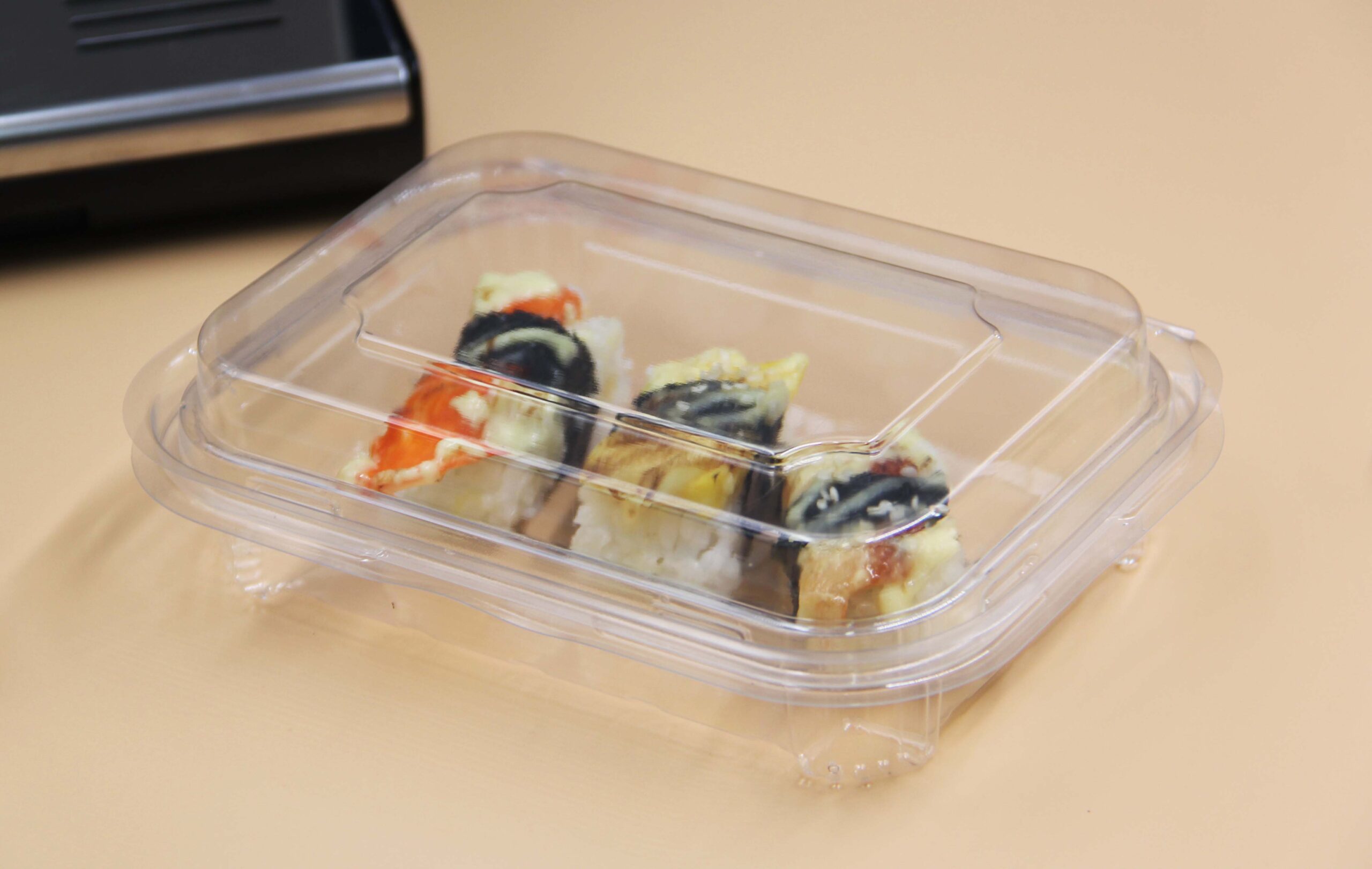
Case 1 – Fresh Salad Section Optimization
A mid-sized supermarket chain replaced standard PET containers with anti-fog versions in its salad section. Within four weeks:
- Sales increased by 18%
- Product returns decreased by 12%
- Customer dwell time in the section increased
The improved clarity allowed customers to clearly see ingredients, boosting confidence in freshness and quality.
Case 2 – Cut Fruit Packaging Upgrade
In one project supported by DASHAN, a supermarket chain upgraded its cut fruit packaging to anti-fog PET food containers designed for high-moisture environments.
The result was a 22% increase in sales, along with improved product visibility and reduced waste due to faster turnover.
This case highlights how working with an experienced anti-fog PET containers manufacturer can directly impact retail performance.
Case 3 – Ready-to-Eat Meal Displays
Ready meals rely heavily on visual appeal. Switching to anti-fog packaging resulted in:
- Higher perceived product value
- Increased repeat purchases
- Better compatibility with premium branding
For businesses looking to buy anti-fog PET containers in bulk, these results highlight long-term profitability.
Anti-Fog PET vs Standard PET Containers
Performance Comparison
| Feature | Standard PET | Anti-Fog PET |
|---|---|---|
| Clarity in cold storage | Reduced | High |
| Consumer appeal | Moderate | Strong |
| Shelf presentation | Inconsistent | Stable |
| Cost | Lower | Slightly higher |
| ROI | Limited | High |
Cost vs Return Analysis
Although anti-fog containers have a slightly higher unit cost, the return on investment is significant.
Example calculation:
- Packaging cost increase: +5%
- Sales increase: +15% to +20%
This creates a net positive margin, especially in high-volume retail environments.
Material Specifications and Packaging Engineering Insights
Key Technical Parameters Buyers Should Know
When sourcing from a food grade anti-fog PET containers supplier, consider:
- Anti-fog longevity (24–72 hours)
- Compatibility with cold chain logistics
- Food safety certifications
Design Factors That Enhance Anti-Fog Performance
Beyond material, design also plays a critical role:
- Ventilation holes reduce humidity buildup
- Lid geometry affects condensation flow
- Surface smoothness enhances anti-fog effect
Compatibility with Automation & Sealing Systems
Modern packaging lines require compatibility with:
- Automatic sealing machines
- Modified Atmosphere Packaging (MAP)
- High-speed production systems
Anti-fog PET containers are generally well-suited for these applications.
Food Safety and Regulatory Compliance
Global Standards
Anti-fog PET food containers must comply with:
- FDA food contact regulations (USA)
- EU food safety standards
- Japanese food contact material requirements
Safety of Anti-Fog Coatings
A common concern is whether anti-fog coatings affect food safety.
In compliant products:
- Coatings are non-toxic
- Migration levels are strictly controlled
- No impact on taste or odor
This ensures safety for consumers and regulatory compliance for businesses.
Industry Trends: Why Anti-Fog Packaging Is Growing Fast
Rise of Fresh Convenience Foods
Global demand for ready-to-eat and fresh convenience foods continues to grow. Consumers prioritize:
- Health
- Freshness
- Convenience
Packaging must support all three.
E-commerce and Delivery Packaging Needs
With the expansion of food delivery:
- Products spend longer in transit
- Temperature fluctuations increase
- Packaging must maintain clarity throughout
This drives demand for eco-friendly anti-fog PET containers manufacturer solutions.
Sustainability and PET Recycling
PET is widely recyclable, making it a practical option compared to alternative materials.
While biodegradable options like PLA are gaining traction, PET remains dominant due to:
- Cost efficiency
- Recycling infrastructure
- Performance reliability
How to Choose the Right Anti-Fog PET Container Supplier
Why Choosing the Right Manufacturer Matters
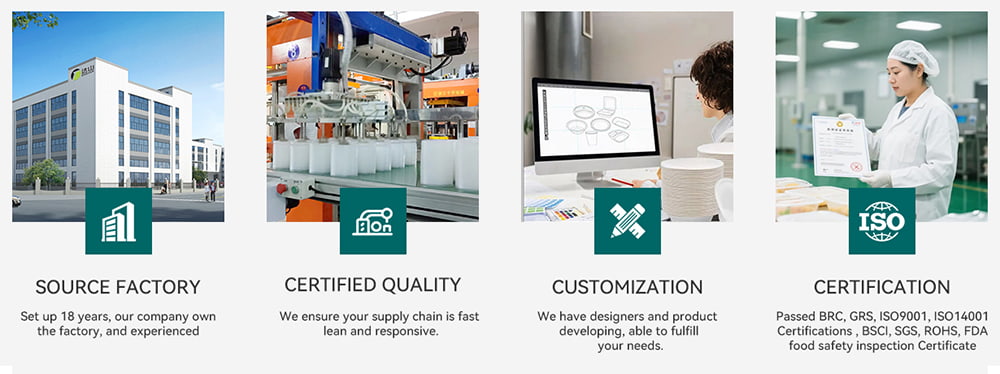
For example, experienced manufacturers like DASHAN specialize in producing high-quality anti-fog PET food containers with stable performance across cold chain environments.
With advanced thermoforming technology, strict quality control systems, and flexible customization options, suppliers like DASHAN can help supermarkets and food brands achieve both product visibility and operational efficiency.More importantly, working with a reliable partner ensures consistency in anti-fog performance, which is critical for maintaining shelf appeal and maximizing sales conversion.
Key Evaluation Criteria
When selecting a anti-fog PET container manufacturer China, consider:
- Production capacity
- Quality consistency
- Certification compliance
- Customization capabilities
Questions Buyers Should Ask
Before purchasing from a reliable anti-fog PET packaging supplier, ask:
- How long does the anti-fog effect last?
- Is customization available?
- What certifications are provided?
- What is the MOQ?
FAQ
1. Do anti-fog PET food containers really work?
Yes. They prevent condensation from forming visible droplets by spreading moisture into a transparent film, maintaining clear visibility even in cold environments.
2. How long does the anti-fog effect last?
Typically between 24 and 72 hours, depending on temperature, humidity, and product type.
3. Are anti-fog PET food containers safe for food?
Yes. Food-grade anti-fog PET containers comply with regulations such as FDA and EU food contact standards and are safe for direct food contact.
4. Are anti-fog PET containers recyclable?
Yes. PET is widely recyclable and compatible with existing recycling systems in most markets.
5. Which products benefit the most from anti-fog packaging?
Fresh salads, cut fruits, sushi, deli items, and ready-to-eat meals benefit the most due to high moisture content.
6. Is the higher cost of anti-fog PET containers worth it?
In most cases, yes. The increase in sales (up to 20%) and improved product turnover outweigh the slight increase in packaging cost.
7. How do I choose a reliable anti-fog PET container supplier?
Look for manufacturers with strong production capacity, consistent quality control, certifications, and customization capabilities, such as suppliers offering anti-fog PET food containers wholesale solutions.
Conclusion: Packaging as a Sales Strategy, Not Just a Cost
In today’s competitive retail landscape, packaging is no longer just a protective layer—it is a critical sales driver. The relationship is simple but powerful:
Visibility leads to trust.
Trust leads to purchase.
By eliminating fogging and ensuring consistent product clarity, anti-fog PET food containers directly enhance consumer perception and buying behavior. The result is measurable: increased conversion rates, higher sales, and stronger brand positioning.
For supermarkets, food brands, and packaging buyers, the decision is no longer about whether anti-fog packaging is necessary—it is about how quickly it can be implemented to stay competitive.
In a market where visual appeal defines success, investing in the right packaging solution is not an added cost. It is a strategic move toward sustainable growth.
References
- U.S. Food & Drug Administration (FDA) – Food Contact Substances
https://www.fda.gov/food/food-ingredients-packaging/food-contact-substances-fcs - European Commission – Food Contact Materials
https://food.ec.europa.eu/safety/chemical-safety/food-contact-materials_en - PlasticsEurope – PET (Polyethylene Terephthalate)
https://plasticseurope.org/knowledge-hub/plastics/pet-polyethylene-terephthalate/ - ScienceDirect – Anti-Fog Coatings and Surface Technology Research
https://www.sciencedirect.com/topics/materials-science/anti-fog-coating - NielsenIQ – Packaging and Consumer Behavior Insights
https://nielseniq.com/global/en/insights/analysis/
Copyright Statement
© 2026 Dashan Packing.
All rights reserved. This article is an original work created by the Dashan Packing editorial team. All text, data, and images are the result of our independent research, industry experience, and product development insights. Reproduction or redistribution of any part of this content without written permission is strictly prohibited. Dashan Packing is committed to providing accurate, evidence-based information and to upholding transparency, originality, and compliance with global intellectual property standards.