

Introduction
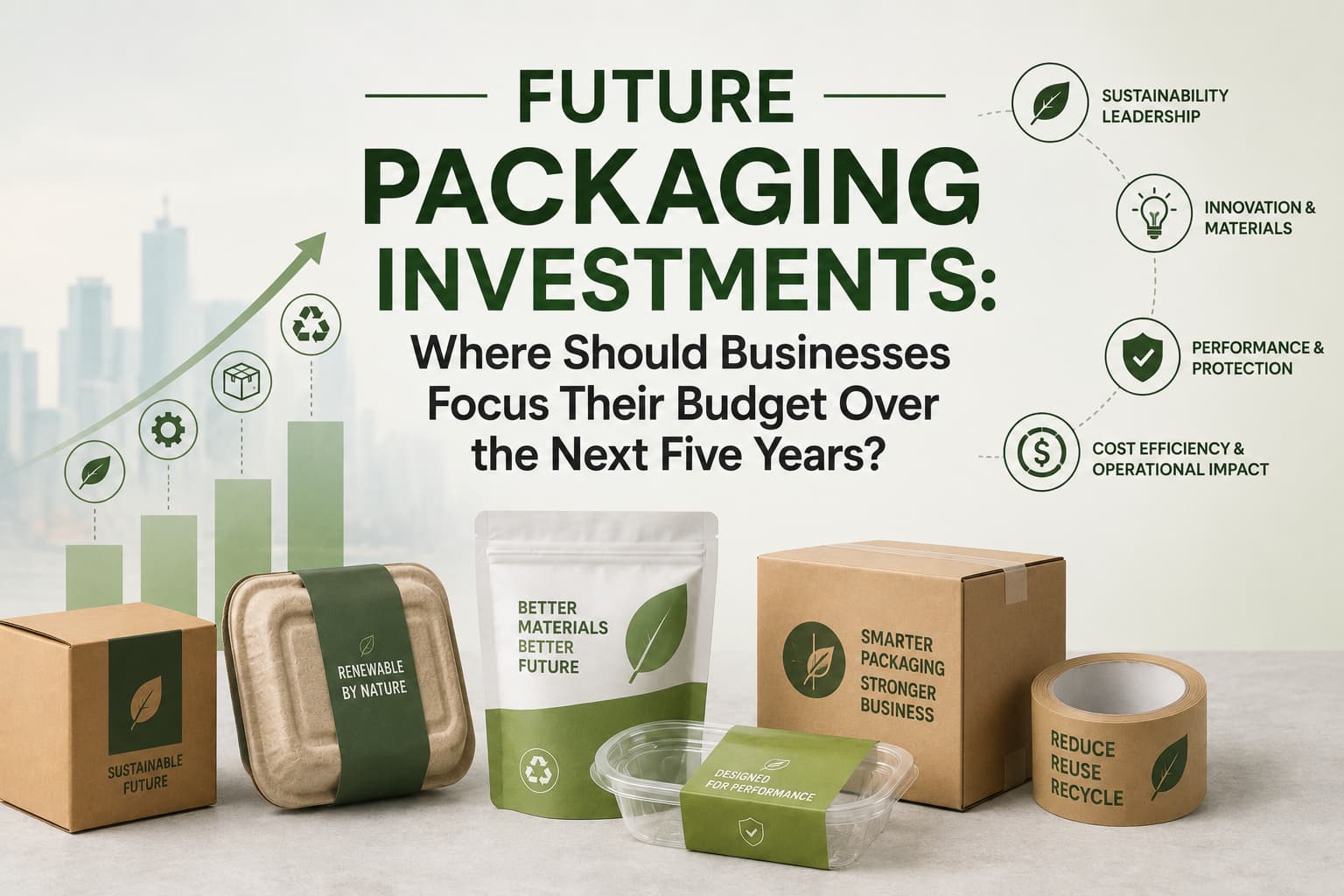
The food packaging industry is entering a new phase of transformation. For decades, packaging decisions were primarily based on cost, product protection, and manufacturing efficiency. Today, however, food businesses face a much more complex environment shaped by sustainability initiatives, changing consumer behavior, evolving regulations, labor shortages, and increasingly sophisticated supply chains.
As a result, packaging is no longer viewed as a simple operational necessity. It has become a strategic investment that can influence brand perception, regulatory compliance, logistics performance, and long-term business growth.
For manufacturers, food brands, retailers, distributors, and foodservice operators, an important question is emerging:
Where should packaging budgets be invested over the next five years?
While predicting the future with complete certainty is impossible, several packaging categories are positioned to benefit from powerful long-term market trends. Understanding these areas can help businesses make more informed investment decisions and avoid chasing short-lived industry hype.
Why Packaging Investment Decisions Are Becoming More Strategic
The role of packaging has expanded significantly in recent years.
Packaging now influences:
- Food safety compliance
- Consumer convenience
- Sustainability objectives
- Transportation efficiency
- Product presentation
- Brand differentiation
At the same time, regulatory requirements are becoming more demanding. Governments worldwide are introducing policies related to recyclability, waste reduction, food-contact materials, and environmental claims.
A packaging decision made today may affect a business for years to come.
Choosing the wrong packaging solution can lead to:
| Potential Risk | Business Impact |
|---|---|
| Regulatory changes | Packaging redesign costs |
| Supply chain instability | Sourcing challenges |
| Poor consumer acceptance | Reduced sales |
| Operational inefficiencies | Higher labor costs |
| Sustainability concerns | Brand reputation risks |
For this reason, packaging investments increasingly require a long-term perspective.
Investment Area #1: Recyclable PP Food Packaging
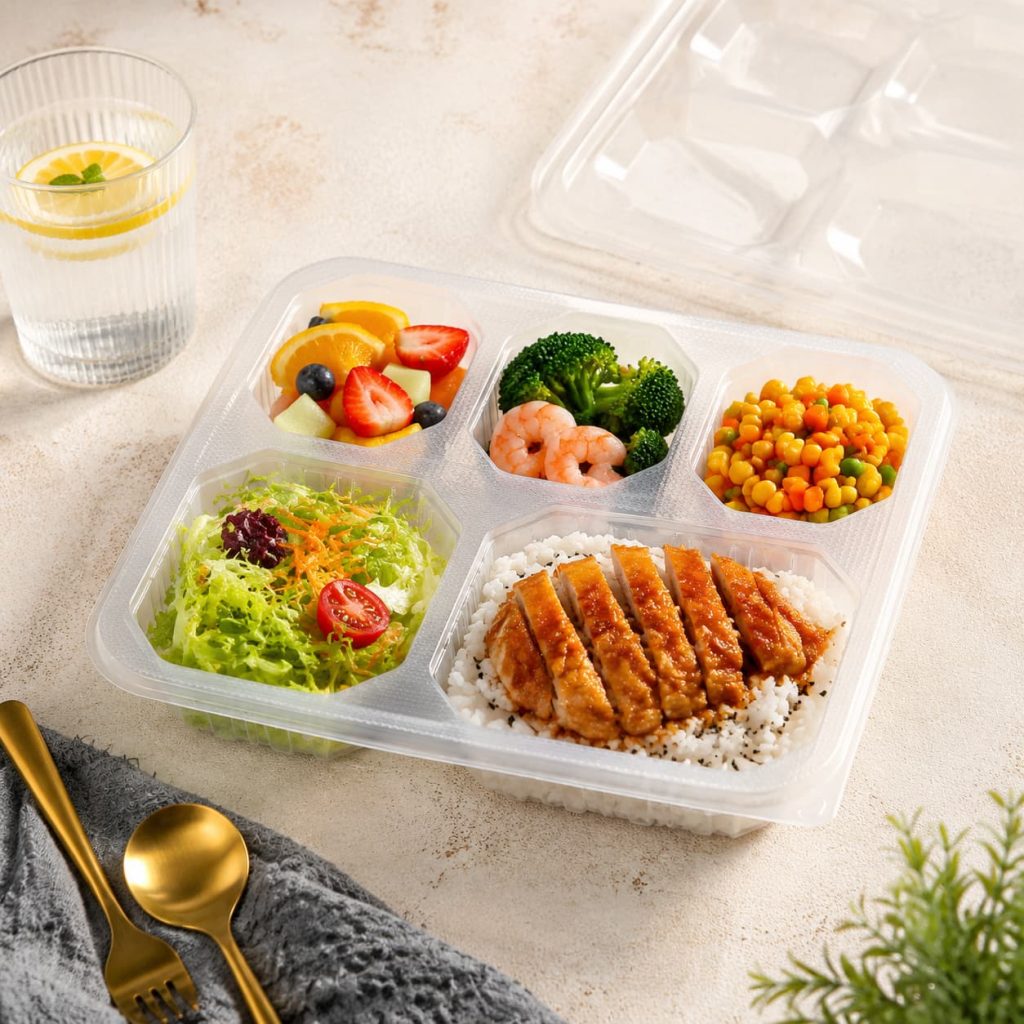
Despite the introduction of numerous alternative materials, polypropylene (PP) remains one of the most widely used food packaging materials globally.
Many industry experts expect PP to remain a cornerstone of food packaging throughout the coming decade.
Why PP Continues to Grow
Several factors support continued demand:
- Expansion of ready meals
- Growth of takeaway food programs
- Meal-prep services
- Convenience store foods
- Food delivery applications
PP offers a rare combination of performance and affordability.
Key Advantages
| Feature | Business Benefit |
|---|---|
| Heat resistance | Suitable for hot foods |
| Durability | Reduced product damage |
| Lightweight design | Lower transportation costs |
| Microwave compatibility | Consumer convenience |
| Manufacturing scalability | Reliable supply chains |
As foodservice and convenience-driven eating continue to expand, PP remains one of the safest long-term packaging investments.
Investment Area #2: High-Visibility PET Packaging
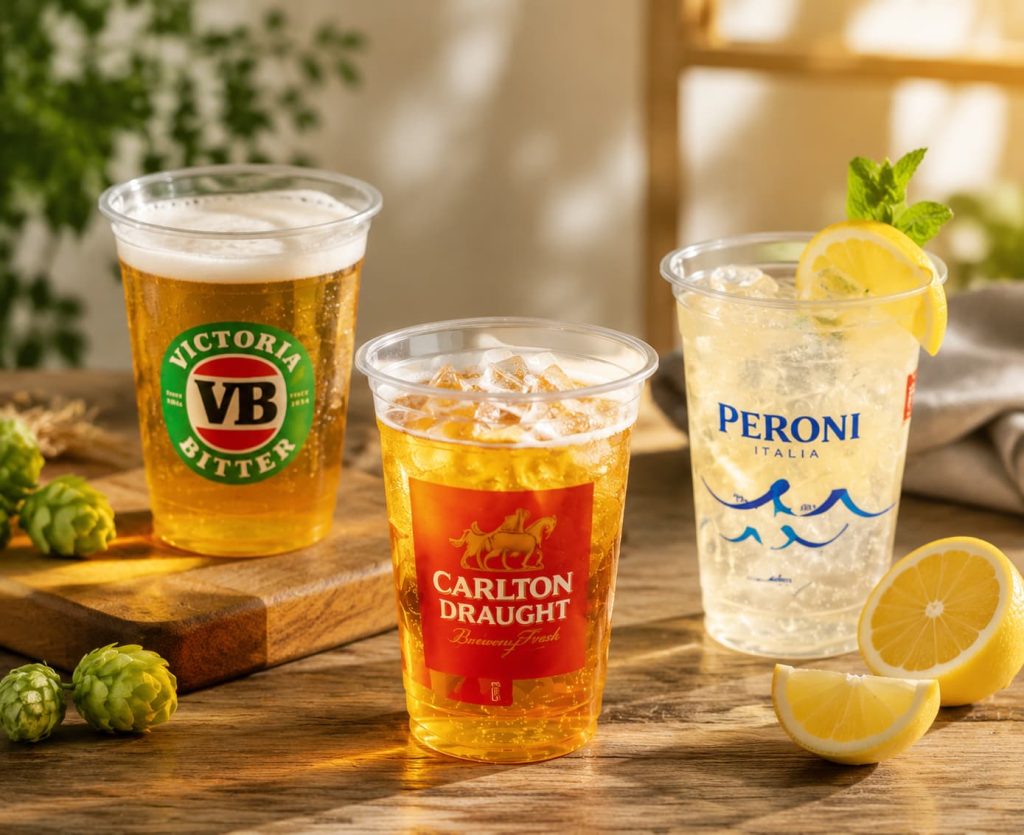
Consumers increasingly purchase food based on visual appeal.
Whether shopping in stores or online, people often make purchasing decisions within seconds.
This trend has significantly increased demand for transparent packaging.
Why PET Continues to Gain Importance
PET provides:
- Excellent clarity
- Strong shelf appeal
- Product visibility
- Lightweight performance
- Recyclability in many markets
These characteristics make PET particularly attractive for fresh food categories.
High-Growth Applications
- Fresh berries
- Fruit packaging
- Salad bowls
- Dessert containers
- Grab-and-go meals
- Tamper-evident packaging
As fresh food retail continues to expand, PET packaging is likely to remain a major investment area.
Investment Area #3: Compostable Packaging Solutions
Sustainability remains one of the most influential trends in packaging.
Although recyclable packaging continues to dominate many markets, demand for compostable solutions is growing in specific sectors.
Foodservice operators, universities, event organizers, and environmentally focused brands increasingly explore compostable alternatives as part of broader sustainability initiatives.
However, successful adoption depends heavily on local regulations and waste-management infrastructure.
PLA Packaging
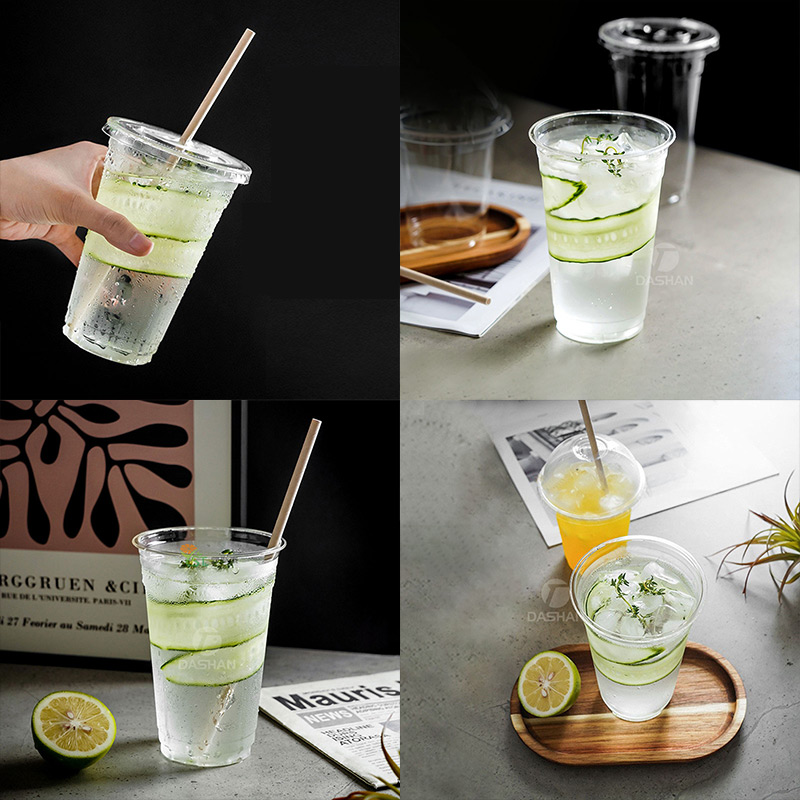
PLA (Polylactic Acid) has become one of the most recognized compostable packaging materials.
Common applications include:
- Cold drink cups
- Transparent food containers
- Salad packaging
- Fresh produce packaging
Advantages
- Plant-based raw materials
- Commercial compostability
- Transparent appearance
- Strong sustainability appeal
Considerations
- Limited heat resistance
- Requires industrial composting facilities
- Disposal infrastructure varies by region
Cornstarch Packaging
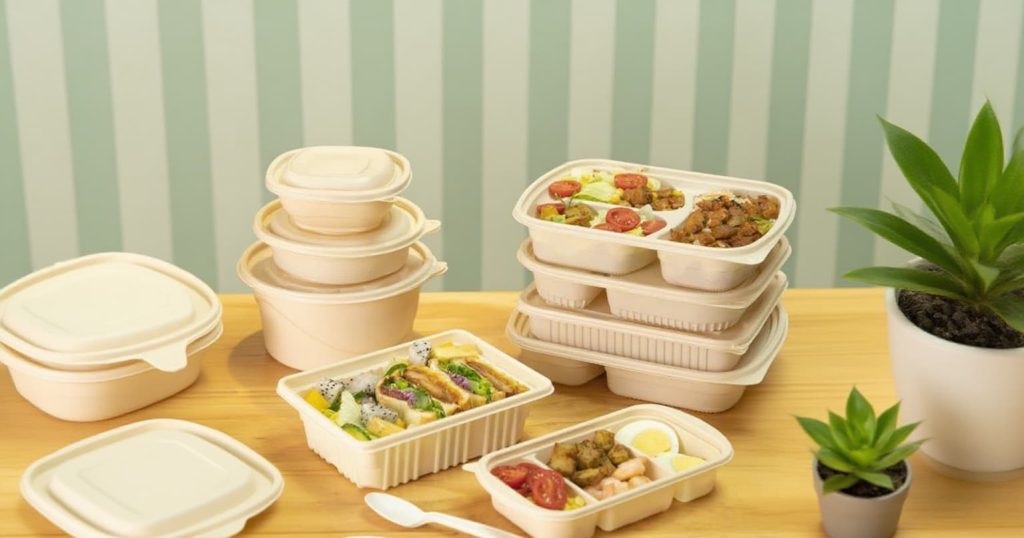
Cornstarch-based packaging has also attracted attention as businesses seek renewable-material alternatives.
Applications include:
- Disposable cutlery
- Foodservice products
- Takeaway packaging
- Catering solutions
Advantages
- Renewable resources
- Reduced dependence on petroleum-based materials
- Increasing market acceptance
Considerations
- Performance depends on product design
- Composting infrastructure differs between markets
- Regulatory requirements vary internationally
Bagasse Packaging
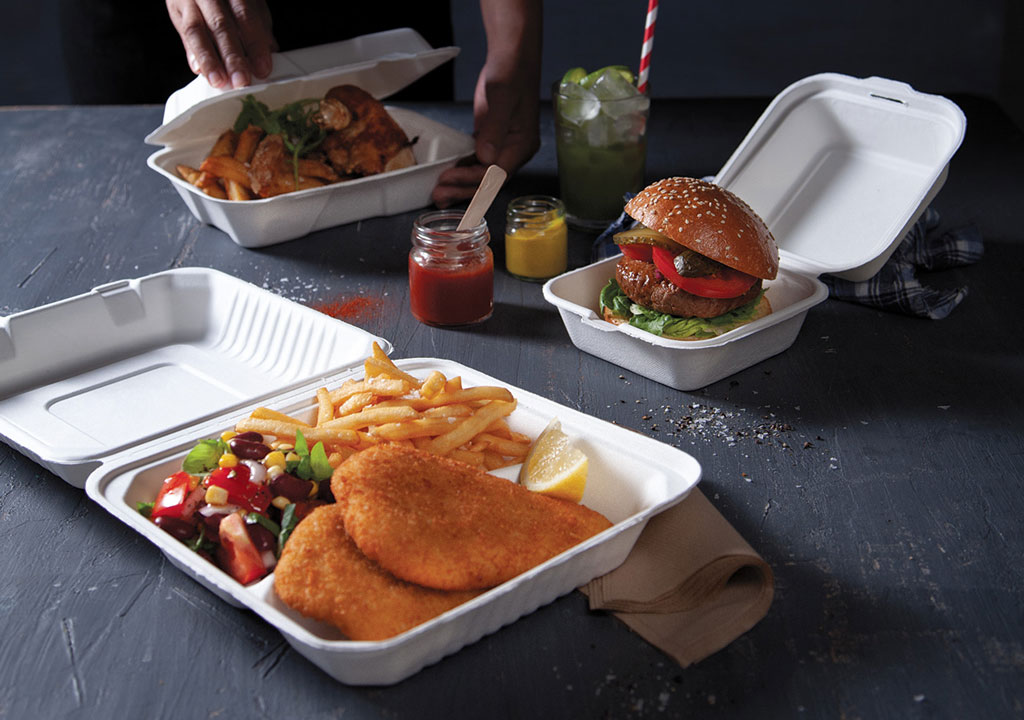
Bagasse, produced from sugarcane fiber, has become one of the fastest-growing fiber-based packaging materials.
It is commonly used for:
- Meal containers
- Food trays
- Produce packaging
- Takeaway applications
Advantages
- Natural appearance
- Renewable raw material source
- Strong sustainability positioning
Considerations
- Moisture performance varies by application
- Material costs may exceed conventional plastics
- Market requirements differ significantly
Businesses should evaluate compostable packaging carefully and align material choices with actual market conditions rather than assumptions.
Investment Area #4: Packaging Designed for Food Delivery
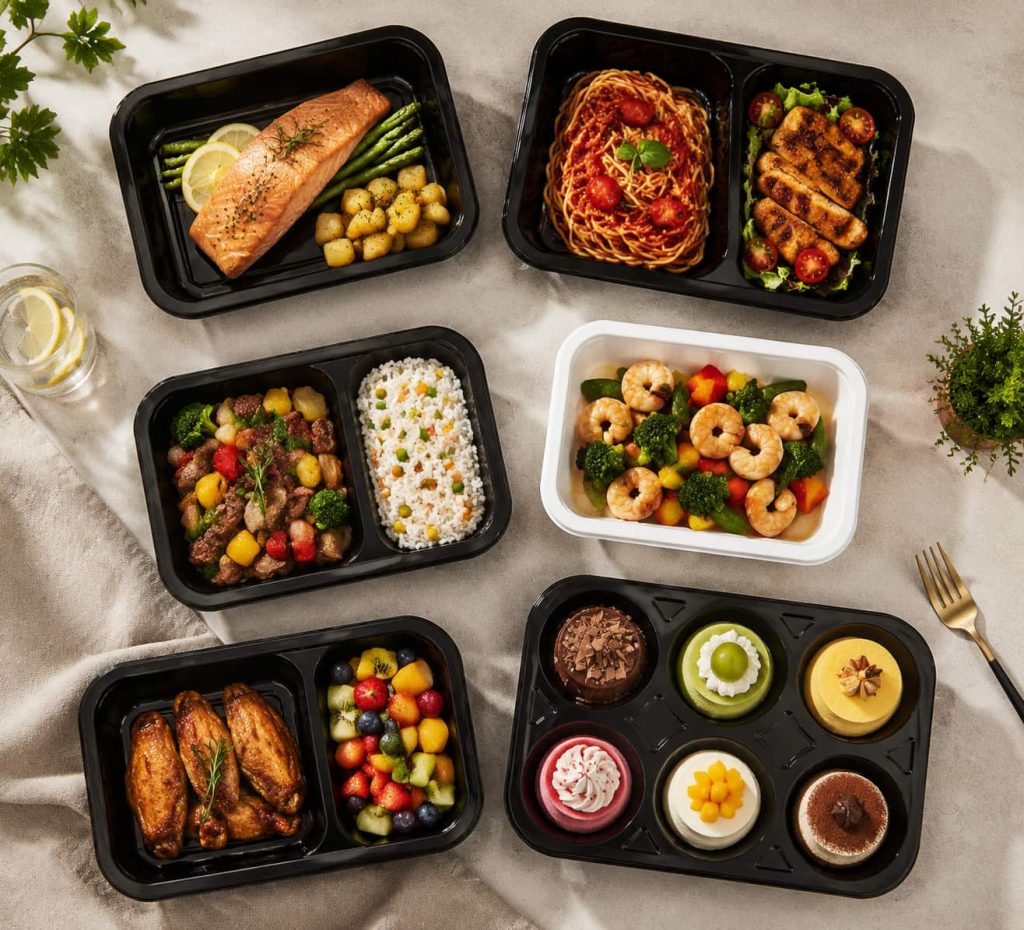
Food delivery is no longer a temporary trend.
Across North America, Europe, Asia, and the Middle East, delivery platforms continue to reshape food consumption patterns.
This creates demand for packaging specifically engineered for transportation.
Delivery Packaging Must Address
- Leakage prevention
- Structural stability
- Stackability
- Temperature retention
- Product protection
Packaging failures during delivery can directly affect customer satisfaction and brand reputation.
Categories Likely to Benefit
- PP meal containers
- Soup containers
- Secure-lid bowls
- Tamper-evident packaging
- Multi-compartment trays
Businesses involved in takeaway and delivery programs should view delivery-focused packaging as a long-term investment rather than a short-term operational expense.
Investment Area #5: Tamper-Evident Packaging
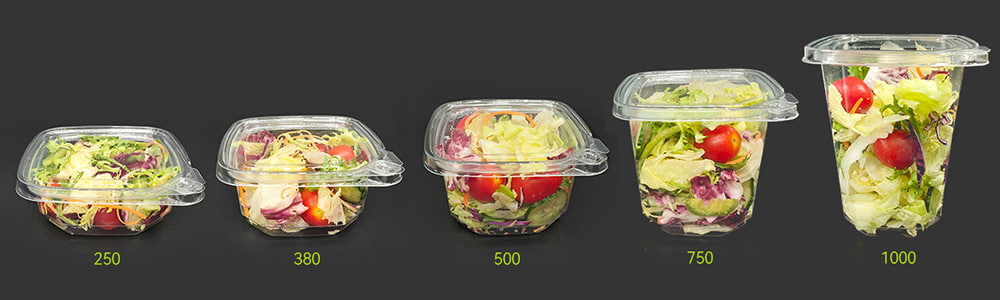
Food safety and consumer trust have become increasingly important.
Consumers want reassurance that products have not been opened or altered before purchase.
As a result, tamper-evident packaging is becoming more common across food categories.
Growing Applications
- Fresh fruit packaging
- Salad containers
- Ready meals
- Convenience-store foods
- Bakery products
Tamper-evident features are no longer viewed solely as safety measures.
They also help build consumer confidence and strengthen brand credibility.
Investment Area #6: Packaging That Improves Operational Efficiency
One of the least discussed but most important packaging trends involves operational efficiency.
Labor costs continue to rise worldwide.
Retailers, distributors, and foodservice operators are looking for ways to improve productivity without increasing workforce requirements.
Packaging can contribute significantly to these efforts.
Features That Improve Efficiency
- Stackable designs
- Standardized dimensions
- Shelf-ready packaging
- Product visibility
- Easy handling
Business Benefits
| Packaging Feature | Operational Advantage |
|---|---|
| Stackability | Faster storage and transport |
| Visibility | Faster inventory checks |
| Shelf-ready design | Reduced stocking time |
| Durable construction | Less product damage |
Packaging that reduces labor requirements may become increasingly valuable over the next decade.
Which Packaging Categories May Face Greater Uncertainty?
Not every packaging trend becomes a long-term success.
Businesses should approach certain categories carefully.
Examples include:
- Materials dependent on government incentives
- Packaging formats lacking recycling infrastructure
- Products driven primarily by marketing trends
- Solutions with limited scalability
History shows that some materials receive significant attention but struggle to achieve widespread commercial adoption.
Successful packaging investments typically balance innovation with operational practicality.
How DASHAN Aligns With Future Packaging Trends
As packaging requirements become more diverse, businesses increasingly seek suppliers capable of supporting multiple material platforms.
Rather than relying on a single packaging category, many food brands now use different materials for different applications.
DASHAN supports this approach through a broad portfolio of food packaging solutions, including:
PP Packaging
- Meal containers
- Bowls
- Food trays
- Dual-color PP cups
PET Packaging
- Fruit containers
- Berry packaging
- Salad bowls
- Tamper-evident containers
Bagasse Packaging
- Food trays
- Meal boxes
- Sustainable foodservice packaging
PLA Packaging
- Compostable cups
- Cold food packaging
- Transparent sustainable packaging
Cornstarch Packaging
- Disposable cutlery
- Foodservice products
- Catering solutions
OEM Development Services
In addition to standard products, DASHAN supports custom packaging projects designed to meet specific operational, branding, and sustainability goals.
This diversified product portfolio allows customers to select packaging solutions based on actual business needs rather than short-term market trends.
A Balanced Investment Strategy Is Usually the Smartest Approach
Many businesses make the mistake of searching for a single packaging material that can solve every challenge.
In reality, the most resilient packaging strategies often involve multiple material platforms.
For example:
| Packaging Category | Strategic Role |
|---|---|
| PP | Core foodservice and takeaway packaging |
| PET | Fresh food and display-focused packaging |
| Bagasse | Fiber-based sustainability initiatives |
| PLA | Compostable packaging programs |
| Cornstarch | Sustainable foodservice applications |
| OEM Packaging | Product differentiation and innovation |
This balanced approach provides flexibility as regulations, consumer preferences, and market conditions continue to evolve.
FAQ
Q1: Which packaging material offers the safest long-term investment opportunity?
There is no single material that fits every application. However, PP remains one of the most stable long-term investments because of its durability, heat resistance, affordability, and widespread use in foodservice, takeaway, and ready-meal packaging.
Q2: Why is PET packaging expected to continue growing?
PET packaging provides excellent transparency, making it ideal for fresh foods where visual appeal influences purchasing decisions. Products such as salads, berries, fruits, desserts, and grab-and-go meals increasingly rely on PET packaging to enhance shelf presentation and consumer trust.
Q3: Are compostable packaging materials replacing traditional plastics?
Not entirely. Materials such as PLA, cornstarch, and bagasse are growing in popularity, particularly in sustainability-focused markets. However, adoption often depends on local composting infrastructure, regulations, and application requirements. In many cases, compostable and recyclable packaging will coexist rather than directly replace one another.
Q4: Why should businesses invest in delivery-oriented packaging?
Food delivery has become a permanent part of the global food industry. Packaging designed for transportation can reduce leakage, improve product protection, maintain food quality, and enhance customer satisfaction, making it an increasingly valuable investment area.
Q5: How does DASHAN help businesses prepare for future packaging trends?
DASHAN offers a diversified packaging portfolio that includes PP food containers, PET fruit and salad packaging, bagasse food containers, PLA packaging, and cornstarch tableware. This allows customers to select packaging solutions that match their operational needs, sustainability goals, and market requirements without relying on a single material category.
Q6: Can DASHAN support custom packaging projects for specific markets?
Yes. In addition to standard product lines, DASHAN provides OEM and customized packaging solutions. This enables food brands, importers, distributors, and retailers to develop packaging tailored to their products, branding requirements, regulatory expectations, and long-term business strategies.
Conclusion
The food packaging market over the next five years will be shaped by four major forces: convenience, sustainability, food safety, and operational efficiency.
Businesses that invest strategically in recyclable PP packaging, high-visibility PET packaging, compostable materials such as PLA, cornstarch, and bagasse, delivery-focused packaging, tamper-evident designs, and efficiency-oriented formats will be better positioned to adapt to changing market demands.
No single material will dominate every application. Instead, the future belongs to companies that understand how different packaging solutions serve different business objectives.
By aligning packaging investments with long-term industry trends rather than short-term hype, businesses can improve resilience, reduce risk, and create sustainable growth opportunities in an increasingly competitive food packaging market.
References
Packaging Industry & Market Trends
Sustainable Packaging & Circular Economy
- Ellen MacArthur Foundation – Plastics and Circular Economy
- United Nations Environment Programme (UNEP) – Plastic Pollution Resources
Food Packaging Safety
- U.S. Food and Drug Administration (FDA) – Food Ingredients & Packaging
- European Food Safety Authority (EFSA) – Food Contact Materials
Recycling & Packaging Infrastructure
Copyright Statement
© 2026 Dashan Packing. All rights reserved.
This article is an original publication by the Dashan Packing team based on industry research, market analysis, and packaging expertise. Unauthorized reproduction, distribution, or copying of this content is prohibited without prior written permission.
Dashan Packing is committed to delivering reliable, original, and professional information for the global food packaging industry.