

Quick Summary
Packaging quality depends on more than just materials. From raw material selection to manufacturing technology, design, and quality control, every step of the production process influences the final performance of food packaging. Understanding these factors helps buyers choose reliable suppliers and ensure consistent packaging quality.
Introduction: Why Packaging Quality Matters More Than Ever
Food packaging plays a critical role in modern foodservice and retail industries. From protecting food during transportation to maintaining product presentation and ensuring food safety, packaging is more than just a container—it is a key component of the overall customer experience.
In global markets where takeaway services, food delivery, and ready-to-eat meals are increasingly common, businesses depend heavily on reliable packaging. A poorly designed or poorly manufactured container can lead to leaks, deformation, contamination risks, or negative customer feedback. For brands and food operators, such issues can directly affect reputation and operational efficiency.
However, many buyers still evaluate packaging products mainly by price or appearance. While these factors are important, they rarely reflect the full picture of packaging quality. In reality, the quality of food packaging is determined by a complex chain of processes that begins with raw material selection and continues through design, manufacturing, testing, and logistics.
Understanding these factors can help buyers make better sourcing decisions and ensure that packaging performs reliably in real-world conditions.
Raw Material Selection: The Foundation of Packaging Quality
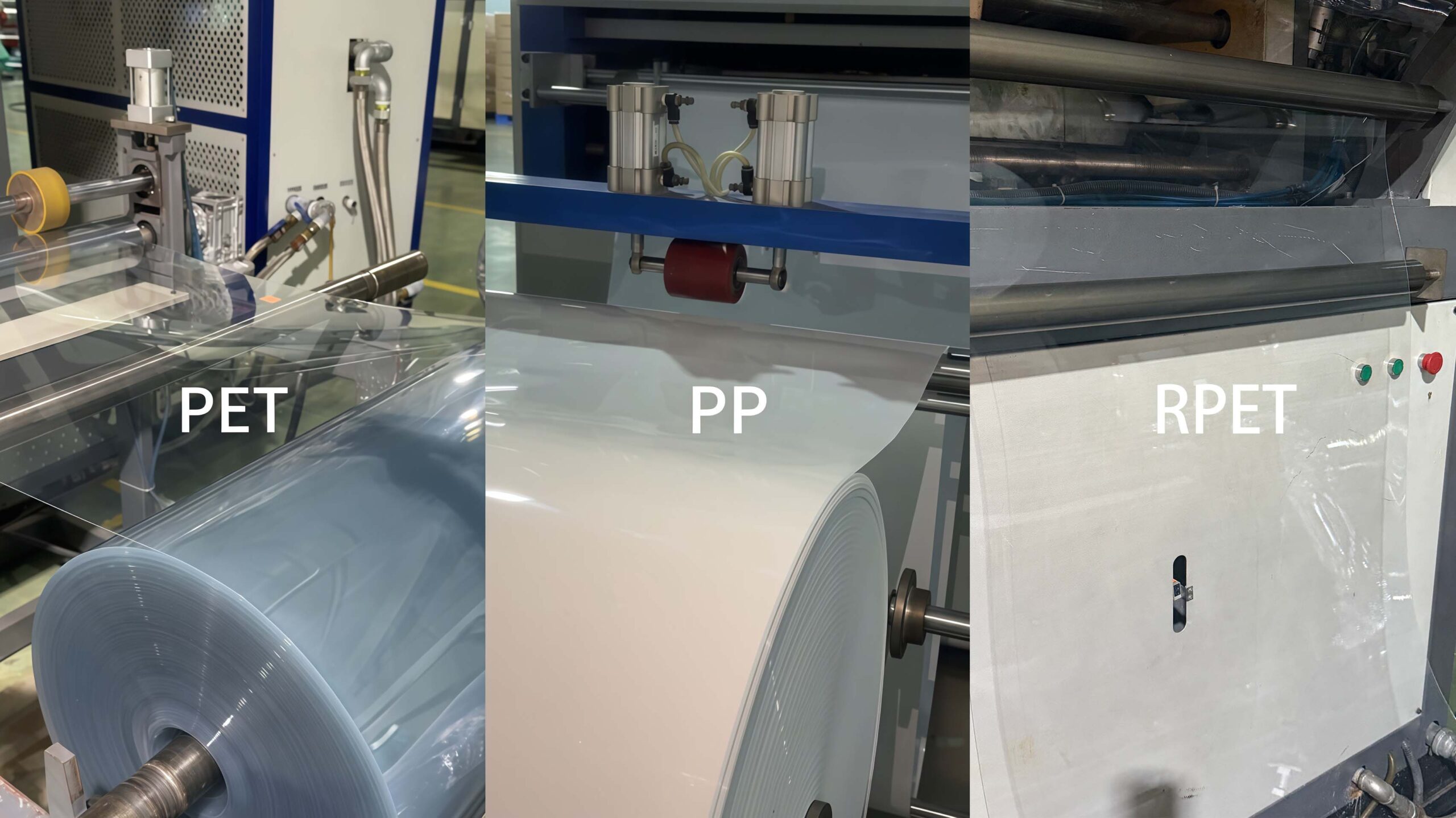
The starting point for any packaging product is the raw material. Whether the packaging is made from plastic, fiber-based materials, or compostable resources, the characteristics of the raw material strongly influence the final product.
Material consistency is one of the most important considerations. High-quality raw materials provide stable physical properties such as strength, flexibility, and heat resistance. Inconsistent materials may lead to uneven product thickness, structural weakness, or unpredictable performance.
Different food packaging applications also require different material types. For example, plastic materials such as PET and RPET are widely used for beverage cups because they offer excellent clarity and rigidity. Polypropylene (PP) is commonly used for containers that must withstand higher temperatures, such as microwave-safe meal trays. Meanwhile, plant-fiber materials like sugarcane bagasse are increasingly used for compostable food containers in sustainable packaging applications.
Purity and processing conditions of raw materials also play an important role. Impurities, inconsistent resin batches, or poorly processed fiber pulp can significantly affect the strength and appearance of the final packaging product.
For manufacturers, careful selection and quality control of raw materials is the first step toward ensuring consistent product performance.
Material Processing and Preparation
After raw materials are selected, they must be properly processed before manufacturing begins. This preparation stage is often overlooked by buyers, yet it has a major impact on product quality.
In plastic packaging production, plastic pellets or recycled materials are typically melted and extruded into plastic sheets. The thickness and uniformity of these sheets are critical because they determine the structural strength of the final thermoformed product. If the sheet thickness varies significantly, the finished container may have weak areas that are prone to cracking or deformation.
For fiber-based packaging such as bagasse products, the preparation process involves creating a pulp mixture with the appropriate fiber density and moisture content. The quality of the pulp mixture affects how well the material can be molded into the desired shape. If the pulp is poorly prepared, the resulting product may have rough surfaces, uneven edges, or insufficient strength.
Proper control of material preparation ensures that the manufacturing process can produce consistent and reliable packaging products.
Product Design and Structural Engineering
Even with high-quality materials, packaging performance depends heavily on design. Structural engineering plays a major role in determining whether a packaging product can withstand real-world use.
Wall thickness distribution is one of the key design considerations. Packaging containers must maintain enough thickness in critical areas to prevent deformation while also remaining lightweight for cost efficiency and transportation.
Design features may also include reinforcement structures such as ribs, curved edges, or reinforced corners that increase strength without adding excessive material. These design elements help containers resist pressure during stacking, transportation, and storage.
Functional design considerations are equally important. Food containers must be able to prevent leaks, maintain stability when stacked, and remain compatible with lids or sealing films. For takeaway packaging, secure lid fitting and spill resistance are particularly important.
Effective packaging design combines engineering principles with practical usage requirements to achieve both performance and efficiency.
Manufacturing Technology and Equipment

The technology used in the manufacturing process has a significant influence on packaging quality and consistency. Modern packaging factories rely on specialized equipment and carefully controlled production environments.
In plastic packaging production, thermoforming is commonly used to shape heated plastic sheets into cups, trays, and containers. The process requires precise control of temperature, pressure, and mold accuracy. If the temperature is too high or too low, the plastic material may stretch unevenly, leading to weak areas or visual defects.
For bagasse packaging, the molding process involves pressing fiber pulp into molds under high pressure and temperature. Proper control of pressing time, mold pressure, and drying conditions is essential to ensure that the finished products maintain their shape and strength.
Automation has also become an important factor in modern packaging manufacturing. Automated production lines improve consistency, reduce human error, and allow manufacturers to maintain stable quality even in large-scale production.
Quality Control During Production
Reliable manufacturers implement strict quality control procedures throughout the production process. Continuous monitoring helps identify potential problems early and prevents defective products from reaching the market.
Production quality control often includes monitoring key parameters such as product thickness, dimensional accuracy, and structural integrity. Advanced inspection systems may also detect visual defects such as uneven edges, deformation, or surface imperfections.
Common packaging defects include warped containers, weak structural areas, poorly formed edges, or inconsistent sizes. Identifying these issues during production allows manufacturers to adjust processing conditions and maintain consistent quality.
Regular inspections and standardized production procedures are essential for maintaining reliable packaging performance.
Post-Production Testing and Inspection
Quality assurance does not end when production is complete. Post-production testing is necessary to verify that packaging products meet performance and safety requirements.
Mechanical testing may include compression strength tests, drop resistance tests, and stacking tests to evaluate how well containers perform during transportation and storage.
Functional testing evaluates how packaging performs in real usage conditions. This may include heat resistance tests, oil resistance testing for food containers, and moisture resistance evaluations.
Food safety compliance is another critical factor. Packaging materials must meet relevant food contact regulations to ensure they are safe for use with food and beverages.
These testing procedures help ensure that packaging products meet both functional and regulatory standards before they are delivered to customers.
Packaging, Storage, and Logistics
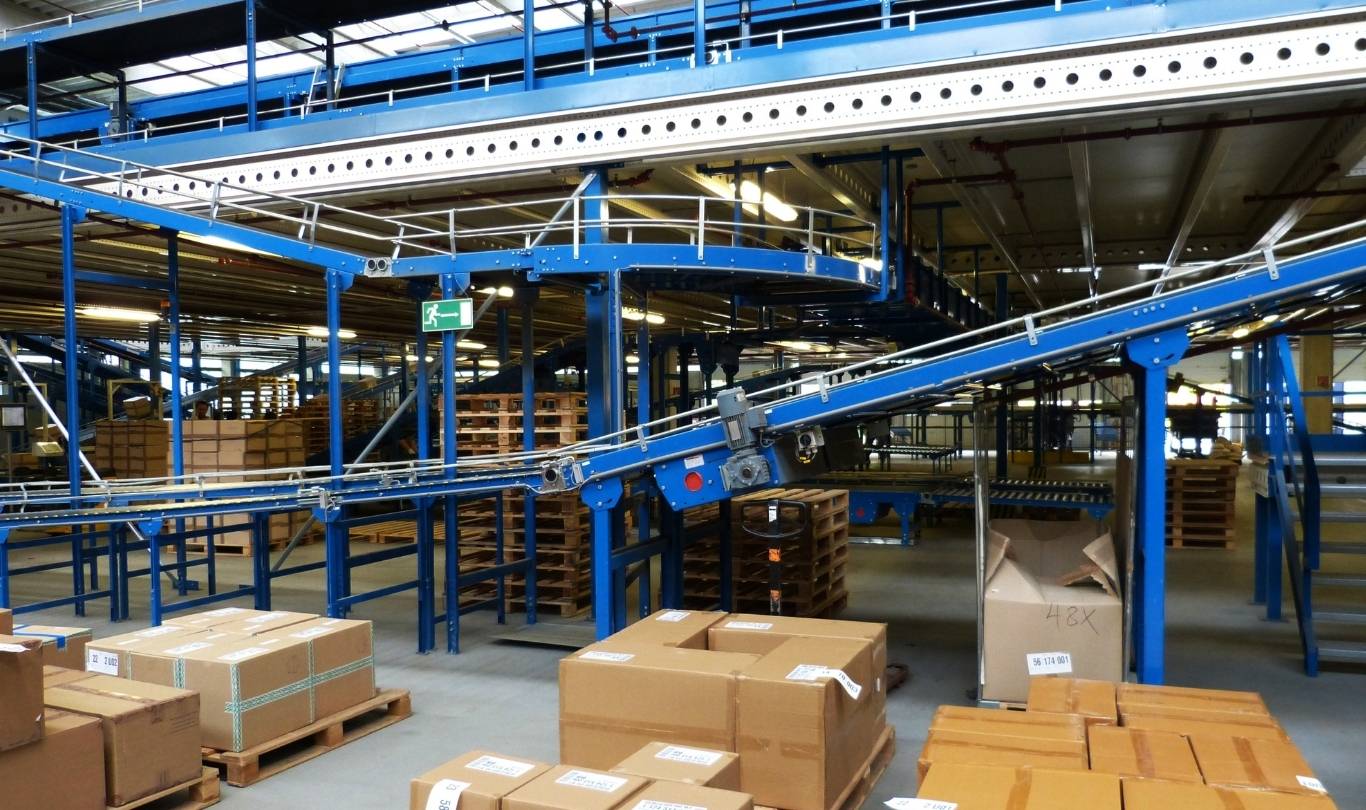
Even well-manufactured packaging products can be damaged if they are not handled properly after production. Post-production processes such as packaging, storage, and transportation also influence product quality.
Proper protective packaging is necessary to prevent contamination and physical damage during shipment. Warehouses must maintain clean environments and stable storage conditions to prevent deformation caused by excessive pressure or temperature changes.
Transportation stability is another important consideration, particularly for international shipments. Packaging must be designed and packed in a way that prevents movement, crushing, or deformation during long-distance transport.
Attention to these details helps ensure that packaging products arrive in the same condition as when they left the factory.
The Role of Experienced Manufacturers
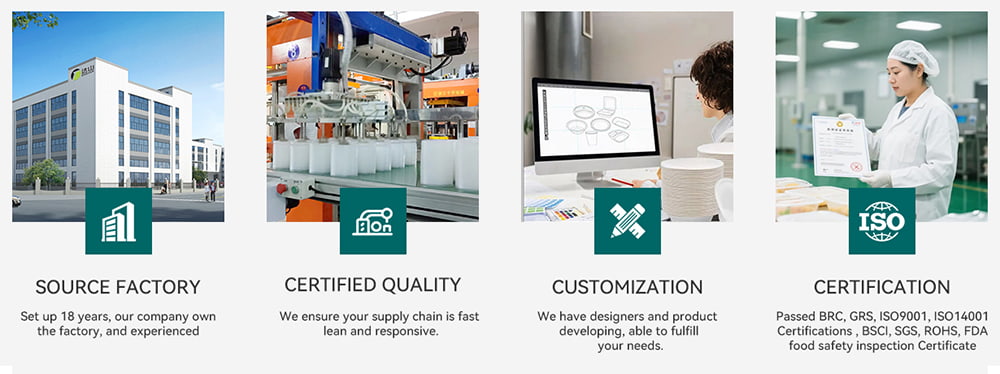
Because packaging quality depends on so many interconnected factors, experienced manufacturers play a crucial role in controlling the entire production process.
Professional packaging manufacturers typically invest in stable raw material sourcing, advanced manufacturing technologies, and strict quality management systems. Their experience allows them to anticipate potential issues and maintain consistent production standards.
Companies such as DASHAN focus on managing each stage of the packaging production process—from material sourcing to final product inspection—to ensure that disposable food packaging products meet the performance requirements of foodservice businesses and beverage brands.
By working with manufacturers that understand these technical factors, buyers can significantly reduce the risks associated with packaging sourcing.
What Buyers Should Evaluate When Choosing a Packaging Supplier
For buyers sourcing food packaging products, understanding the factors that determine packaging quality can help guide supplier selection.
Several important aspects should be evaluated when choosing a packaging supplier:
-
The quality and stability of raw materials
-
The level of manufacturing technology and equipment
-
The effectiveness of quality control systems
-
Compliance with food safety and regulatory standards
-
Production capacity and supply reliability
A supplier that performs well across these areas is more likely to deliver consistent and reliable packaging products.
FAQ
1. What determines the quality of food packaging?
Packaging quality is influenced by several factors, including raw material quality, product design, manufacturing technology, and quality control during production.
2. Why are raw materials important in packaging production?
High-quality and consistent raw materials ensure better strength, durability, and stability in the final packaging products.
3. How does packaging design affect performance?
Structural design affects leak resistance, stacking strength, and compatibility with lids or sealing systems, all of which impact real-world usability.
4. Why is manufacturing technology important for packaging quality?
Advanced manufacturing equipment and controlled production processes help ensure consistent thickness, accurate shapes, and reliable product performance.
5. What tests are used to verify packaging quality?
Manufacturers often conduct compression tests, heat resistance tests, drop tests, and food safety compliance checks to ensure packaging reliability.
6. How can buyers choose a reliable packaging supplier?
Buyers should evaluate material quality, manufacturing capability, quality control systems, certifications, and supply stability when selecting a supplier such as DASHAN.
Conclusion
Packaging quality is not determined by a single factor. Instead, it results from a complete system that includes raw material selection, material preparation, structural design, manufacturing technology, quality control procedures, and logistics management.
For food brands, retailers, and distributors, understanding this process is essential for making informed sourcing decisions. High-quality packaging protects food products, enhances brand presentation, and reduces operational risks.
By partnering with experienced manufacturers that control every stage of production, businesses can ensure that their packaging solutions perform reliably in real-world conditions and support long-term operational success.
References
-
U.S. Environmental Protection Agency – Sustainable Materials Management
https://www.epa.gov/smm/sustainable-management-materials -
Packaging Gateway – Packaging Materials and Industry Insights
https://www.packaging-gateway.com/ -
ScienceDirect – Food Packaging Materials Research
https://www.sciencedirect.com/topics/engineering/food-packaging -
Institute of Packaging Professionals (IoPP)
https://www.iopp.org/ -
Ellen MacArthur Foundation – Circular Economy in Packaging
https://ellenmacarthurfoundation.org/topics/plastics/overview
Copyright Statement
© 2026 Dashan Packing. All rights reserved.
This article is an original work created by the Dashan Packing editorial team.
All text, data, and images are the result of our independent research, industry experience,
and product development insights. Reproduction or redistribution of any part of this content
without written permission is strictly prohibited.
Dashan Packing is committed to providing accurate, evidence-based information and
to upholding transparency, originality, and compliance with global intellectual property standards.