

Introduction: Why the OEM Food Packaging Process Matters More Than Ever
The global food packaging industry is undergoing a structural transformation. According to multiple industry reports, the market is projected to exceed USD 500 billion by 2030, driven by the explosive growth of takeaway services, supermarket ready-meals, and global food logistics.
In this landscape, packaging is no longer a passive container—it has become a critical business asset that directly influences food safety, brand perception, logistics efficiency, and ultimately, sales performance.
For importers, distributors, and food brands, working with a custom food packaging manufacturer is no longer optional—it is strategic. This is where the OEM food packaging process plays a decisive role.
Unlike off-the-shelf solutions, OEM packaging allows businesses to transform abstract ideas into scalable, compliant, and market-ready products. However, many buyers still face recurring challenges:
- Inconsistent quality across batches
- Unclear compliance with FDA or EU regulations
- Long and unpredictable lead times
- Poor communication with suppliers
Understanding how a professional food packaging OEM factory operates—from concept to mass production—is the key to reducing risk and maximizing ROI.
What Is an OEM Food Packaging Process? (And How It Differs from ODM & Standard Supply)
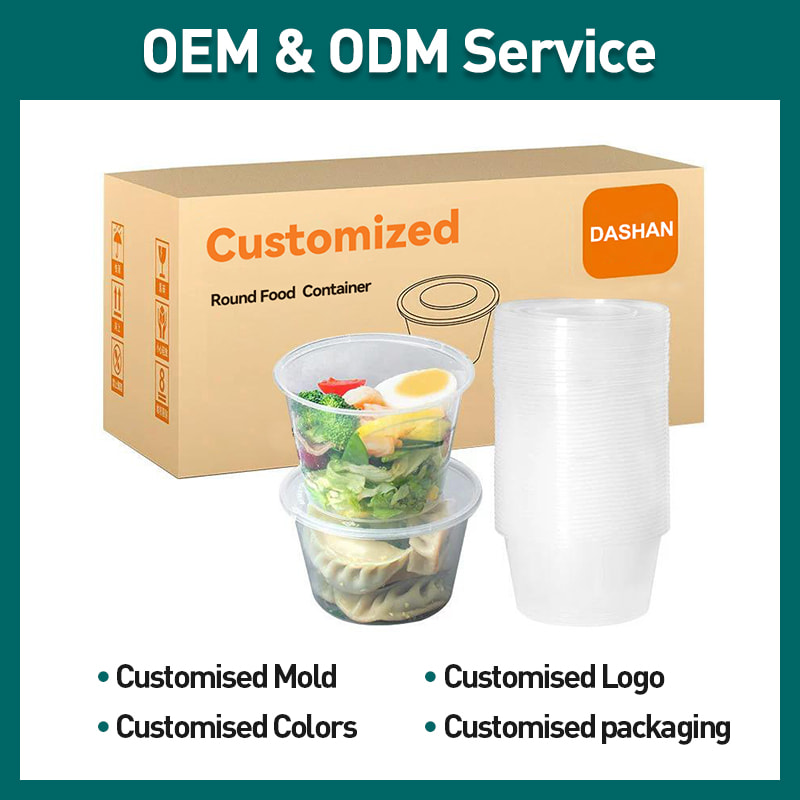
Definition of OEM in Food Packaging
OEM (Original Equipment Manufacturer) in food packaging refers to a process where a manufacturer produces packaging based entirely on a client’s specifications. This includes material, size, structure, branding, and performance requirements.
It differs significantly from:
- ODM (Original Design Manufacturer): Supplier provides pre-designed products
- Standard supply: Buyers choose from existing molds and inventory
OEM is particularly suitable for:
- Supermarket chains
- Food delivery brands
- Airline catering companies
- Central kitchens and meal prep businesses
These clients often require differentiated packaging that aligns with their brand identity and operational needs.
Key Stages in a Professional OEM Food Packaging Process
A structured OEM food packaging process typically includes:
- Concept development
- Material selection
- Structural design and prototyping
- Manufacturing and quality control
- Branding and customization
- Compliance and certification
- Packaging and global delivery
Working with a reliable bulk food packaging supplier ensures each of these stages is executed with precision and consistency.
Step 1: Concept Development & Requirement Analysis
Understanding Client Scenarios
The first step is translating business needs into technical specifications. Different application scenarios impose different requirements:
- Takeaway packaging → leak resistance, heat retention
- Supermarket packaging → clarity, anti-fog performance
- Airline catering → lightweight, stackable, cost-efficient
- Fresh produce → ventilation, moisture control
Technical Requirement Breakdown
At this stage, the manufacturer defines:
- Capacity: e.g., 500 ml, 750 ml, 1000 ml
- Dimensions: precise mm-level tolerances
- Load-bearing capacity: up to 3–5 kg depending on application
- Temperature resistance:
- PP: up to 120°C
- PET: typically up to 60°C
- Lid compatibility and sealing structure
Common Buyer Questions at This Stage
Buyers often ask:
- how to start OEM food packaging project
- minimum order quantity for custom food packaging
- how to choose food packaging material
A professional supplier will convert these questions into a structured requirement document, significantly reducing miscommunication risks.
Step 2: Material Selection & Performance Engineering
Comparison of Major Materials
| Material | Temperature Resistance | Transparency | Eco Level | Cost Level | Typical Use |
|---|---|---|---|---|---|
| PP | Up to 120°C | Medium | Recyclable | Low | Hot meals |
| PET | Up to 60°C | High (>90%) | Recyclable | Medium | Cold food |
| Bagasse | Up to 100°C | Opaque | Biodegradable | Medium | Eco takeaway |
| PLA | Up to 50°C | Semi-clear | Compostable | High | Sustainable packaging |
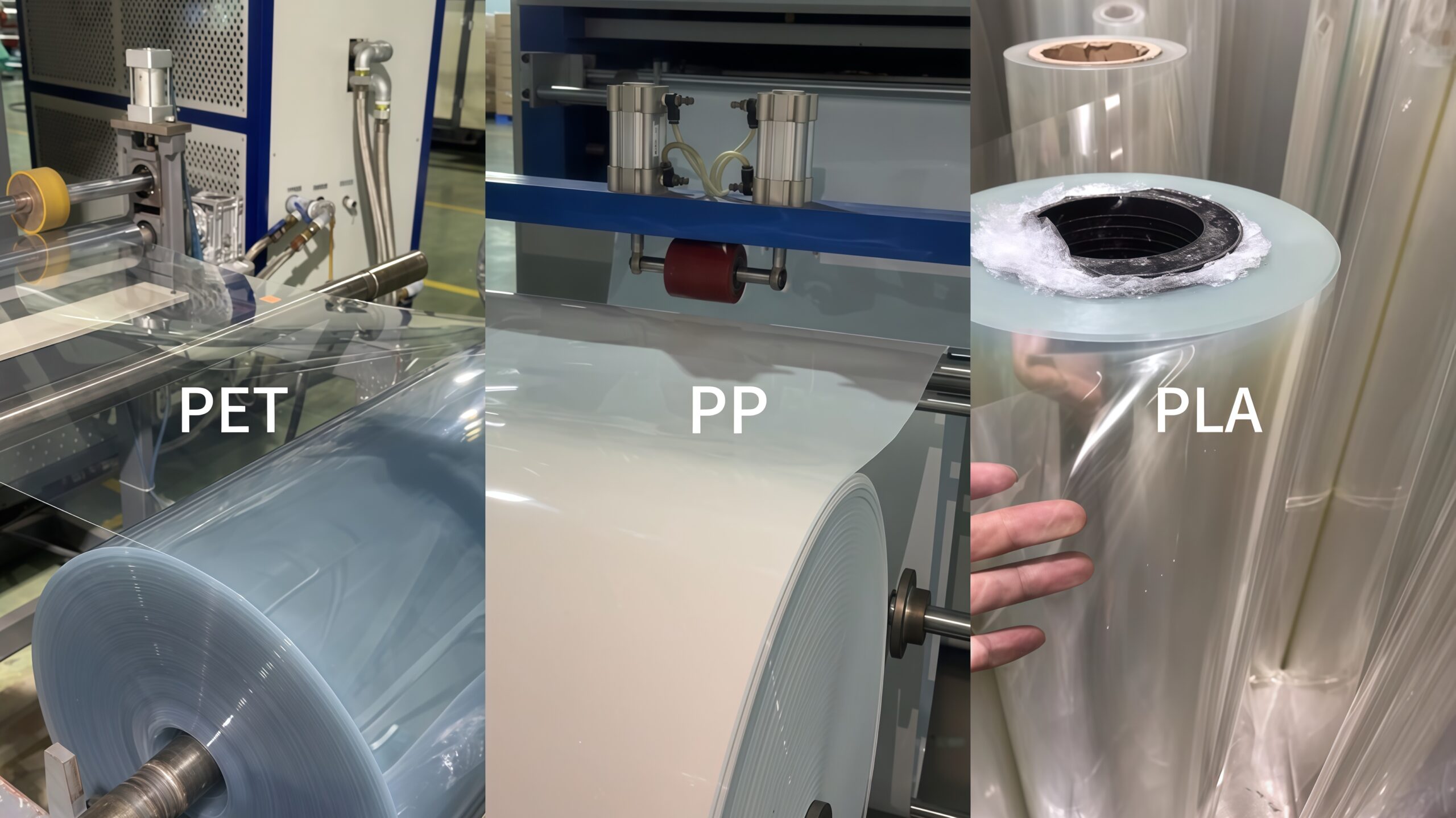
Material Performance Data
- PP offers excellent heat resistance and structural stability
- PET provides superior transparency, improving shelf appeal
- Bagasse is made from sugarcane fibers and is 100% biodegradable
- PLA supports industrial composting and aligns with sustainability regulations
Choosing the right food grade packaging materials supplier is critical at this stage, as material inconsistencies can lead to product failure or compliance issues.
How to Choose the Right Material for Your Market
Different markets impose different regulatory frameworks:
- USA → FDA compliance
- EU → Regulation (EU) No 10/2011
- Germany → LFGB standards
Brands targeting eco-conscious consumers increasingly prefer working with an eco friendly food packaging manufacturer to align with sustainability goals.
Step 3: Structural Design & Prototyping
Industrial Design Considerations
Design is not just about appearance—it directly impacts usability and logistics efficiency.
Key factors include:
- Leak-proof sealing systems
- Stackability for transport optimization
- Structural rigidity to prevent deformation
- Lid fit precision
Mold Development & Sampling
Typical timelines:
- Mold development: 7–25 days
- Sample production: 3–7 days
Sampling methods include:
- 3D printing for rapid validation
- Trial thermoforming for real material testing
Working with a custom thermoformed packaging manufacturer ensures faster iteration cycles and better design accuracy.
Common Issues During Sampling
- Warping due to uneven thickness
- Poor lid sealing
- Insufficient rigidity
A qualified food packaging prototype factory will proactively identify and resolve these issues before mass production.
Step 4: Manufacturing & Quality Control
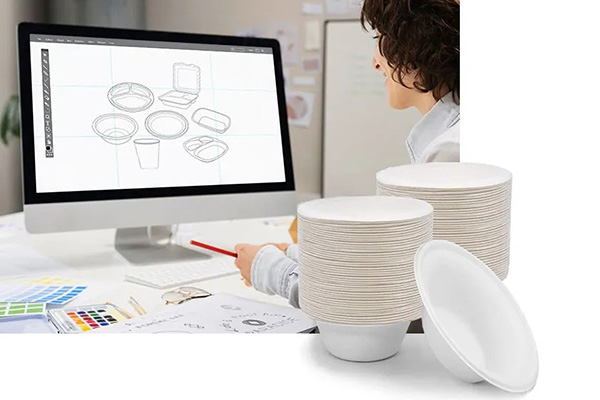
Production Methods
Two primary manufacturing processes dominate:
- Thermoforming: ideal for high-volume, thin-wall packaging
- Injection molding: suitable for thicker, more rigid products
Quality Control System
A robust quality system includes:
- IQC (Incoming Quality Control)
- IPQC (In-Process Quality Control)
- OQC (Outgoing Quality Control)
Sampling standards typically follow AQL (Acceptable Quality Limit) protocols.
Key Production Metrics
- Daily capacity: 50,000–200,000 units
- Defect rate: <2%
- On-time delivery rate: >95%
Partnering with a food packaging factory wholesale provider ensures scalability and cost efficiency, especially for large-volume orders.
Step 5: Printing, Branding & Customization
Branding Options
Modern OEM packaging supports various branding techniques:
- Embossed logos
- Silk screen printing
- In-mold labeling
Impact on Marketing & Sales
Studies indicate that visual packaging can increase shelf conversion rates by 20% or more. Clear branding enhances consumer trust and product differentiation.
Working with a custom printed food packaging supplier allows brands to align packaging design with marketing strategies.
Step 6: Compliance, Certifications & Global Regulations
Key Certifications
- FDA (USA)
- EU 10/2011
- LFGB (Germany)
Testing Scope
- Migration testing
- Heavy metal analysis
- BPA-free verification
Why Compliance Is Critical for Importers
Non-compliant packaging can result in:
- Customs rejection
- Product recalls
- Platform listing bans
Choosing an FDA approved food packaging manufacturer significantly reduces regulatory risks.
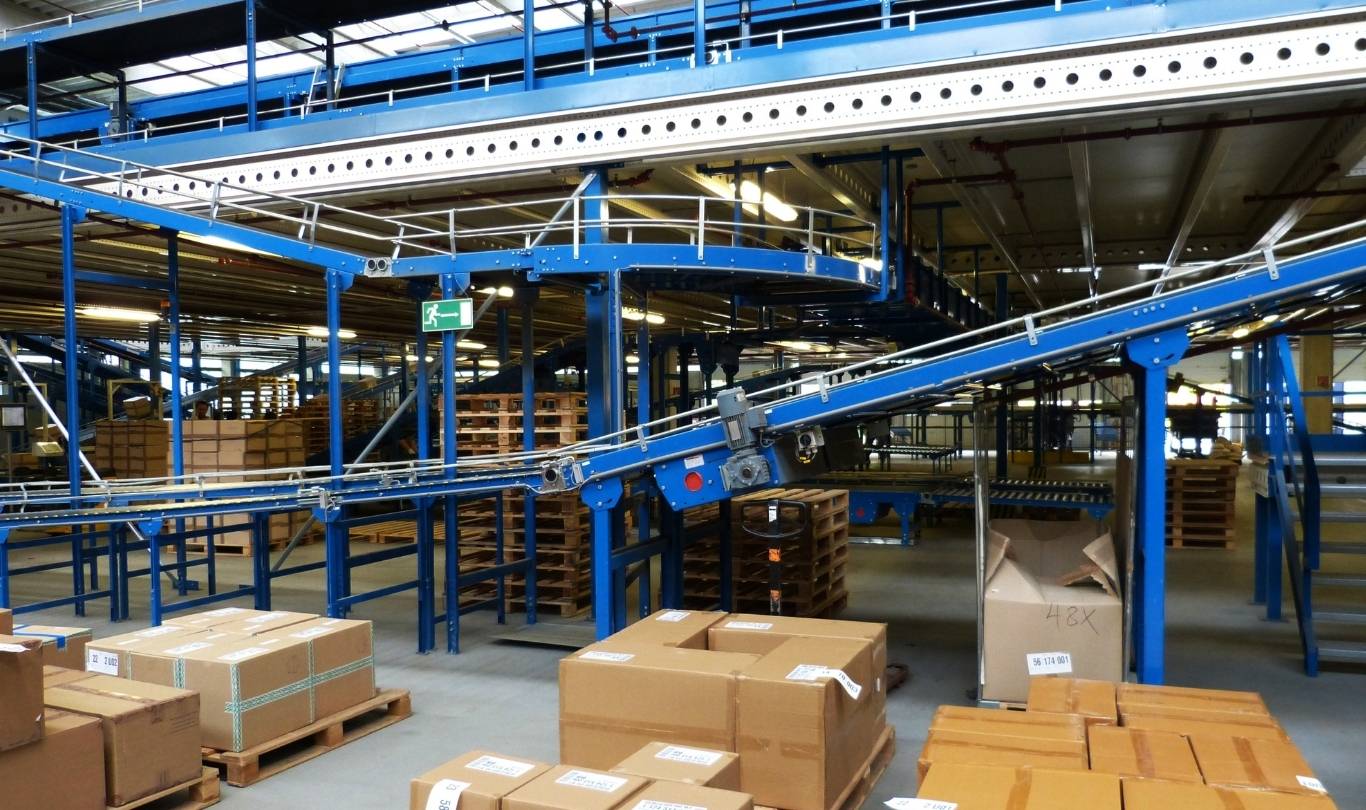
Step 7: Packaging, Logistics & Global Delivery
 |
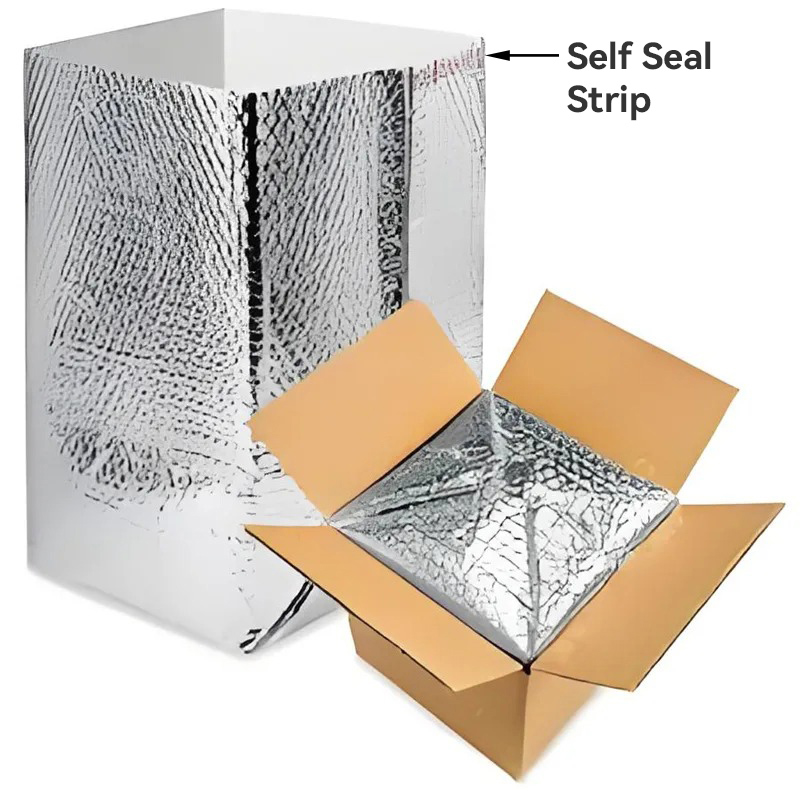 |
Export Packaging Standards
- 5-layer or 7-layer corrugated cartons
- Palletized shipments for stability
Shipping Methods
- Sea freight: cost-efficient for bulk orders
- Air freight: fast but expensive
- Rail freight: balanced option for Eurasian routes
Lead Time Breakdown
- Sampling: 7–15 days
- Mass production: 15–30 days
- Shipping: 10–35 days depending on destination
A professional OEM packaging export factory ensures smooth coordination across all logistics stages.
Real Case Study: From Idea to Mass Production
Client Background
A European supermarket chain required transparent containers for fresh salads.
Challenges
- Fogging affecting product visibility
- Leakage during transport
Dashan Solution
- Developed anti-fog PET material
- Optimized lid sealing structure
Results
- Sales increased by 15–25%
- Customer complaints reduced by 30%
OEM vs Standard Packaging: Cost, Flexibility, and ROI Comparison
| Factor | OEM Packaging | Standard Packaging |
|---|---|---|
| Customization | High | Low |
| Initial Cost | Higher | Lower |
| Long-term ROI | High | Moderate |
| Brand Differentiation | Strong | Weak |
While OEM requires upfront investment, it delivers superior long-term value—especially for growing brands.
Industry Trends Shaping the OEM Food Packaging Process
Sustainability & Biodegradable Materials
Global demand for eco-friendly packaging is rising rapidly. Governments are enforcing stricter regulations on plastic waste.
Smart Packaging & QR Integration
Brands are integrating QR codes for traceability and consumer engagement.
Automation & AI in Manufacturing
Modern factories are adopting:
- Automated production lines
- Real-time quality monitoring
- Data-driven optimization
These advancements are redefining the future of food packaging manufacturing.
Why Work with Dashan for OEM Food Packaging
Company Strengths
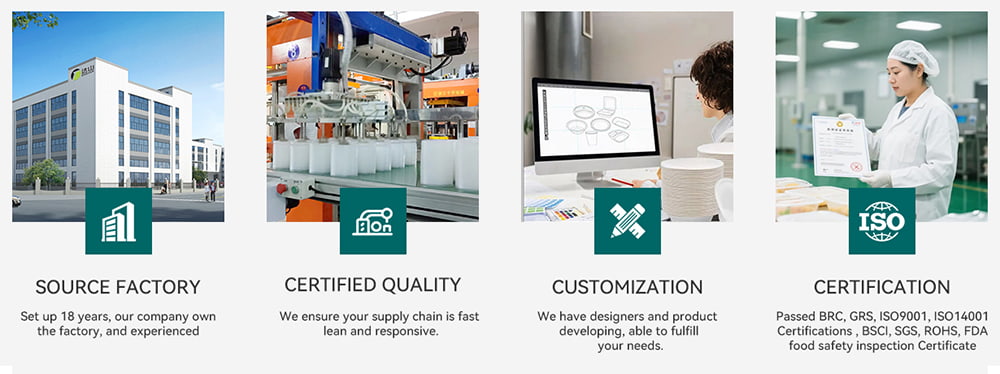
Dashan has established itself as a reliable China food packaging factory OEM with:
- Extensive export experience
- Participation in international trade exhibitions
- A diverse global client base
What Makes Dashan Different
- One-stop OEM solution from concept to delivery
- Fast response and efficient communication
- Strict quality control systems
As a reliable food packaging OEM manufacturer, Dashan helps clients reduce risk while accelerating time-to-market.
FAQ
1. What is the OEM food packaging process?
The OEM food packaging process involves designing and manufacturing packaging based on specific client requirements, including material, size, structure, and branding. It typically includes concept development, prototyping, production, and delivery.
2. How do I start an OEM food packaging project?
Start by defining your product requirements such as capacity, material, usage scenario, and target market. Then work with a custom food packaging manufacturer to develop samples and confirm specifications before mass production.
3. What is the minimum order quantity for custom food packaging?
MOQ usually ranges from 10,000 to 100,000 units depending on the product type, material, and customization level offered by the food packaging factory wholesale supplier.
4. How long does the OEM process take?
The full process typically takes 20–45 days, including sampling (7–15 days) and mass production (15–30 days), depending on complexity.
5. Which material is best for food packaging?
It depends on the application. PP is ideal for hot food, PET for cold and transparent packaging, and bagasse or PLA for eco-friendly solutions from an eco friendly food packaging manufacturer.
6. Can I customize my logo and branding?
Yes, OEM packaging supports multiple customization options such as embossing, printing, and labeling through a custom printed food packaging supplier.
7. Are OEM food packaging products compliant with international regulations?
Yes, a professional FDA approved food packaging manufacturer ensures compliance with FDA, EU, and other international standards through testing and certification.
Conclusion: Turning Packaging Ideas into Scalable Business Success
The OEM food packaging process is not just a manufacturing workflow—it is a strategic pathway that transforms ideas into tangible, high-performance products.
From concept development to global delivery, each step requires technical expertise, strict quality control, and deep industry understanding.
For businesses aiming to scale, differentiate, and comply with global standards, working with a professional OEM partner like Dashan is not just beneficial—it is essential.
By leveraging a structured, data-driven approach, Dashan enables clients to move from concept to reality with confidence, efficiency, and measurable results.
References
- U.S. Food & Drug Administration (FDA) – Food Contact Materials
https://www.fda.gov/food/food-ingredients-packaging/food-contact-substances-fcs - European Commission – Food Contact Materials Regulation (EU No 10/2011)
https://food.ec.europa.eu/safety/chemical-safety/food-contact-materials_en - Smithers – The Future of Global Packaging to 2030
https://www.smithers.com/services/market-reports/packaging/the-future-of-global-packaging-to-2030 - PlasticsEurope – Plastics in Packaging Report
https://plasticseurope.org/knowledge-hub/plastics-the-facts/ - Ellen MacArthur Foundation – Global Commitment on Plastic Packaging
https://ellenmacarthurfoundation.org/global-commitment - Grand View Research – Food Packaging Market Size Report
https://www.grandviewresearch.com/industry-analysis/food-packaging-market
Copyright Statement
© 2026 Dashan Packing. All rights reserved.
This article is an original work created by the Dashan Packing editorial team.
All text, data, and images are the result of our independent research, industry experience,
and product development insights. Reproduction or redistribution of any part of this content
without written permission is strictly prohibited.
Dashan Packing is committed to providing accurate, evidence-based information and
to upholding transparency, originality, and compliance with global intellectual property standards.