

Quick Summary
The OEM food packaging process covers the full journey from concept and material selection to mass production and global delivery. By working with a reliable OEM food packaging manufacturer, brands can achieve better customization, regulatory compliance, and cost efficiency while scaling production.
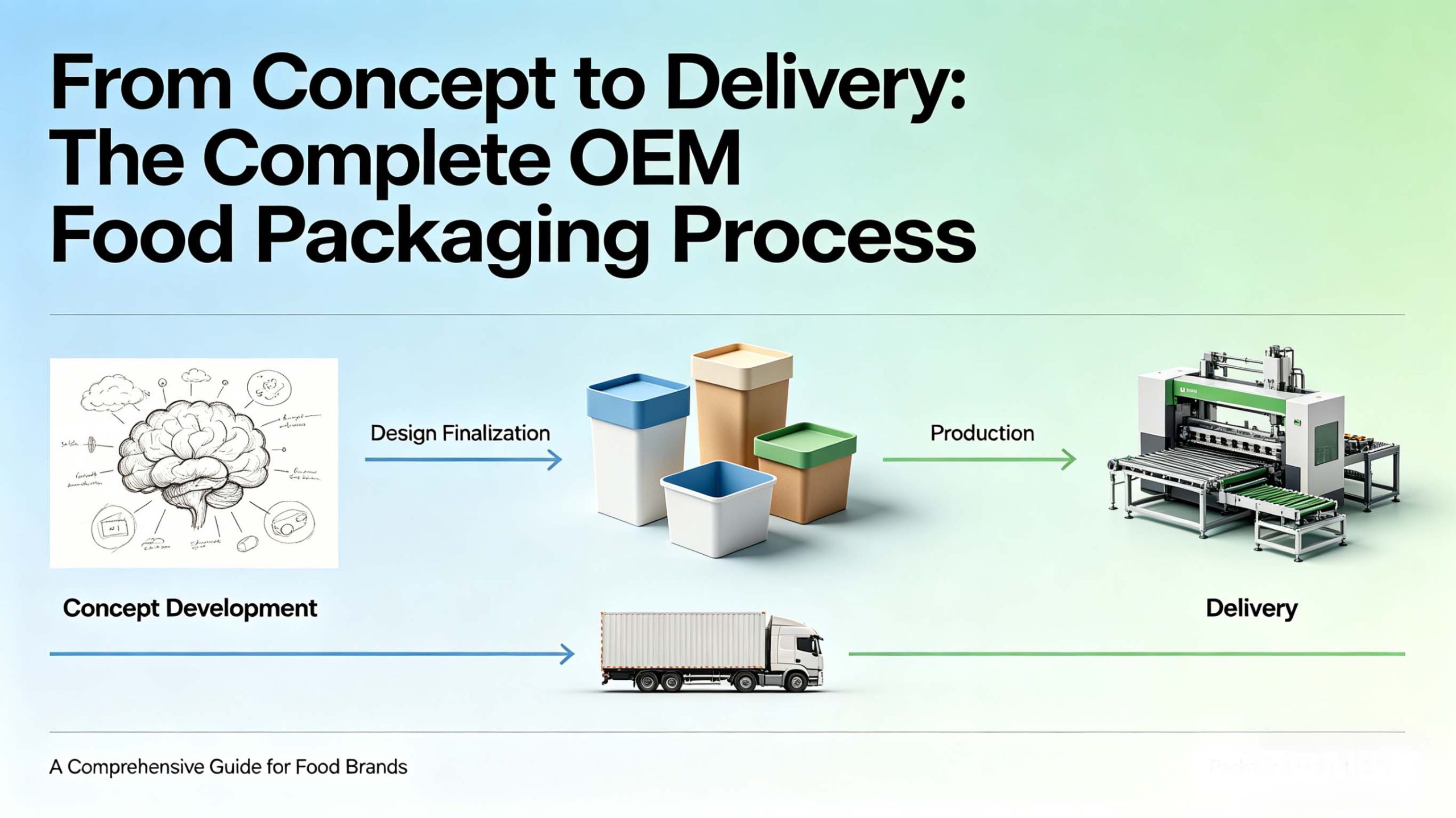
Introduction to the OEM Food Packaging Process
In today’s global food industry, packaging is no longer just a protective layer—it is a critical component of brand identity, logistics efficiency, food safety, and sustainability. The OEM food packaging process has become the backbone of scalable packaging solutions for restaurants, retailers, and food brands worldwide.
OEM (Original Equipment Manufacturing) allows businesses to outsource production to specialized factories while maintaining control over design, materials, and performance specifications. This model is particularly dominant in sectors such as takeaway packaging, beverage containers, airline catering trays, and supermarket-ready food packaging.
According to recent industry data, the global food packaging market exceeded USD 360 billion in 2024, with OEM-based production accounting for more than 55% of total manufacturing output. This trend is driven by cost optimization, access to advanced materials, and the need for flexible, customized packaging solutions.
For buyers searching for a custom food packaging manufacturer, understanding the full OEM workflow—from concept to delivery—is essential for reducing risk, controlling costs, and ensuring consistent product quality.
What Is OEM Food Packaging? Key Concepts and Industry Scope
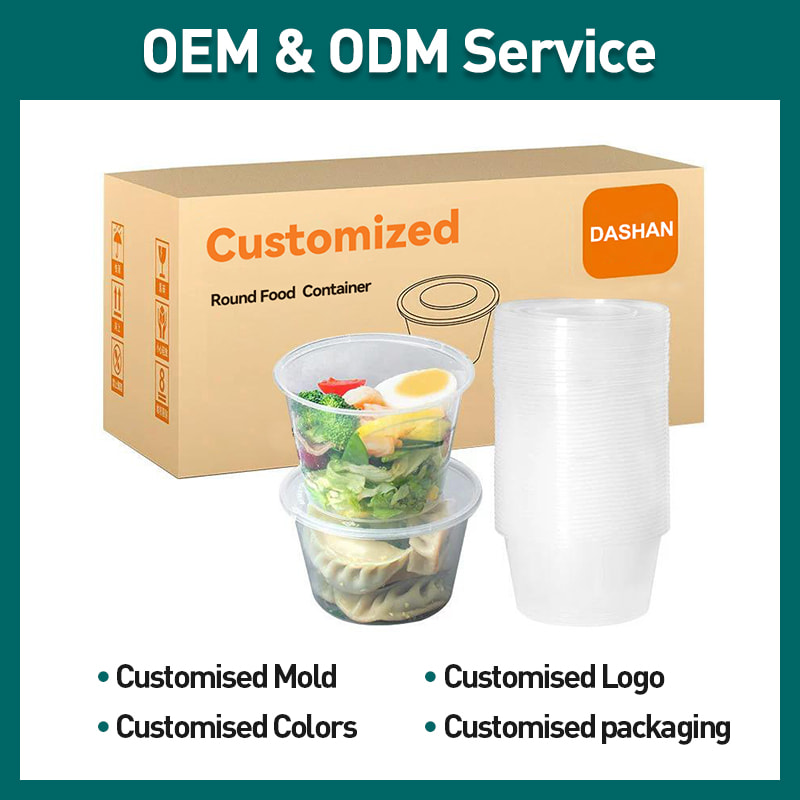
OEM Food Packaging Definition and Core Workflow
The OEM food packaging process refers to a structured manufacturing workflow in which a supplier produces packaging products based entirely on a client’s specifications. These specifications may include:
- Material type (PET, PP, rPET, bagasse)
- Dimensions and capacity
- Structural design
- Branding and printing requirements
- Performance criteria (temperature resistance, leak-proofing)
The standard workflow follows a linear but highly iterative structure:
Concept → Design → Material Selection → Sampling → Testing → Mass Production → Delivery
A professional food packaging OEM manufacturer does not simply produce goods; it acts as a technical partner, translating commercial requirements into manufacturable solutions.
OEM vs ODM vs Private Label Packaging
Understanding these distinctions is crucial for procurement decisions:
| Model | Design Ownership | Customization Level | Development Time | Best For |
|---|---|---|---|---|
| OEM | Client | High | Medium | Brands with clear specs |
| ODM | Manufacturer | Medium | Fast | Fast market entry |
| Private Label | Manufacturer | Low | Very Fast | Retail resale |
OEM provides the highest level of control, making it the preferred choice for businesses seeking differentiation.
Types of OEM Food Packaging Products
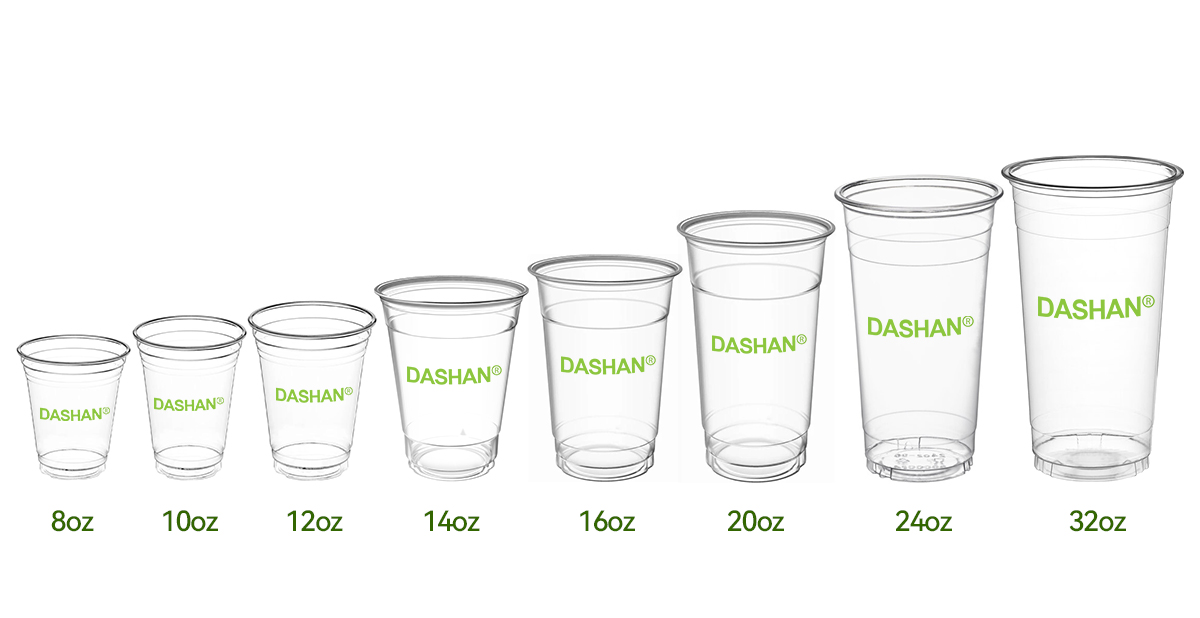
OEM manufacturing spans a wide range of packaging categories:
- PET cups for cold beverages
- PP containers for hot meals
- Bagasse trays for eco-friendly takeaway
- Paper bowls with PE/PLA coating
- Airline meal trays (CPET/PP)
- Supermarket fresh food containers
Each category requires different engineering parameters, making the role of a custom food packaging factory highly technical.
Step-by-Step Breakdown of the OEM Food Packaging Process
Step 1 – Concept Development and Requirement Analysis
Every successful project begins with a clear understanding of the end-use scenario.
For example, a quick-service restaurant chain may require:
- Microwave-safe containers
- Leak-proof lids
- Stackable design for delivery efficiency
Typical technical parameters include:
- Temperature resistance: -20°C to 120°C
- Load-bearing capacity: 2–5 kg
- Wall thickness: 0.4–1.0 mm
At this stage, experienced suppliers—such as those specializing in OEM packaging solutions provider services—will often provide design optimization suggestions to reduce cost or improve performance.
In practice, companies like DASHAN integrate early-stage engineering consultation to ensure that product concepts are aligned with scalable manufacturing capabilities.
Step 2 – Material Selection and Engineering Design
Material selection is one of the most critical decisions in the OEM food packaging process, directly affecting cost, compliance, and functionality.
Material Comparison Table
Key engineering considerations include:
- Barrier properties (oxygen, moisture)
- Structural rigidity
- Sealing compatibility
- Food contact safety
A reliable eco-friendly food packaging supplier will also consider lifecycle impact, helping clients transition toward recyclable or compostable materials.
Step 3 – Mold Development and Prototype Sampling
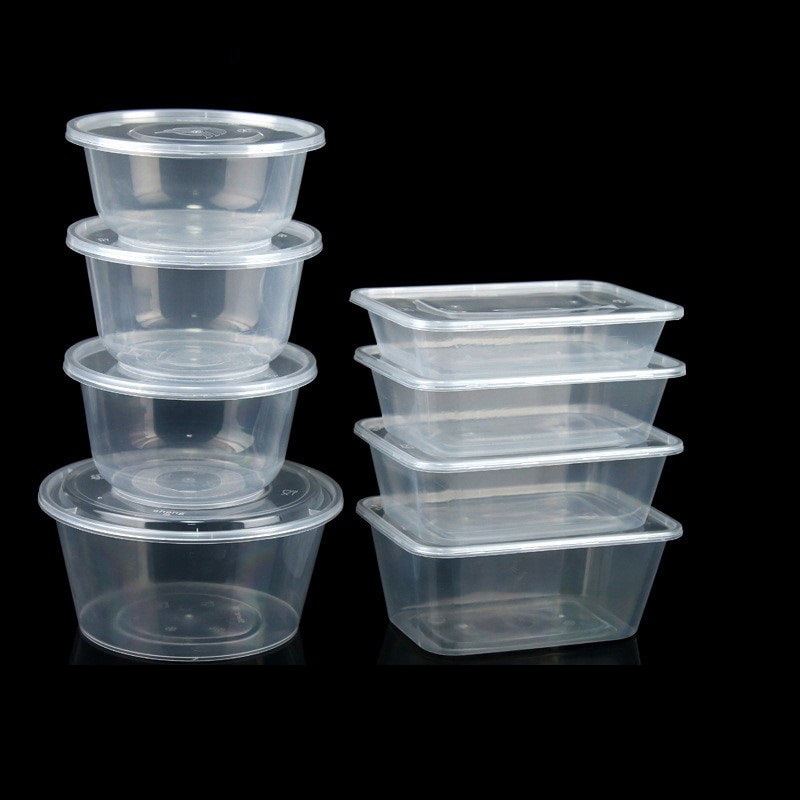
Once the design is finalized, mold development begins. This is a capital-intensive but crucial phase.
Typical timelines:
- Mold design: 3–7 days
- CNC machining: 7–20 days
- Trial sampling: 3–5 days
During sampling, manufacturers evaluate:
- Dimensional accuracy (±0.2 mm tolerance)
- Lid fit and sealing integrity
- Structural durability
A professional OEM packaging mold factory will iterate quickly based on feedback, reducing time-to-market.
Step 4 – Testing and Compliance Certification
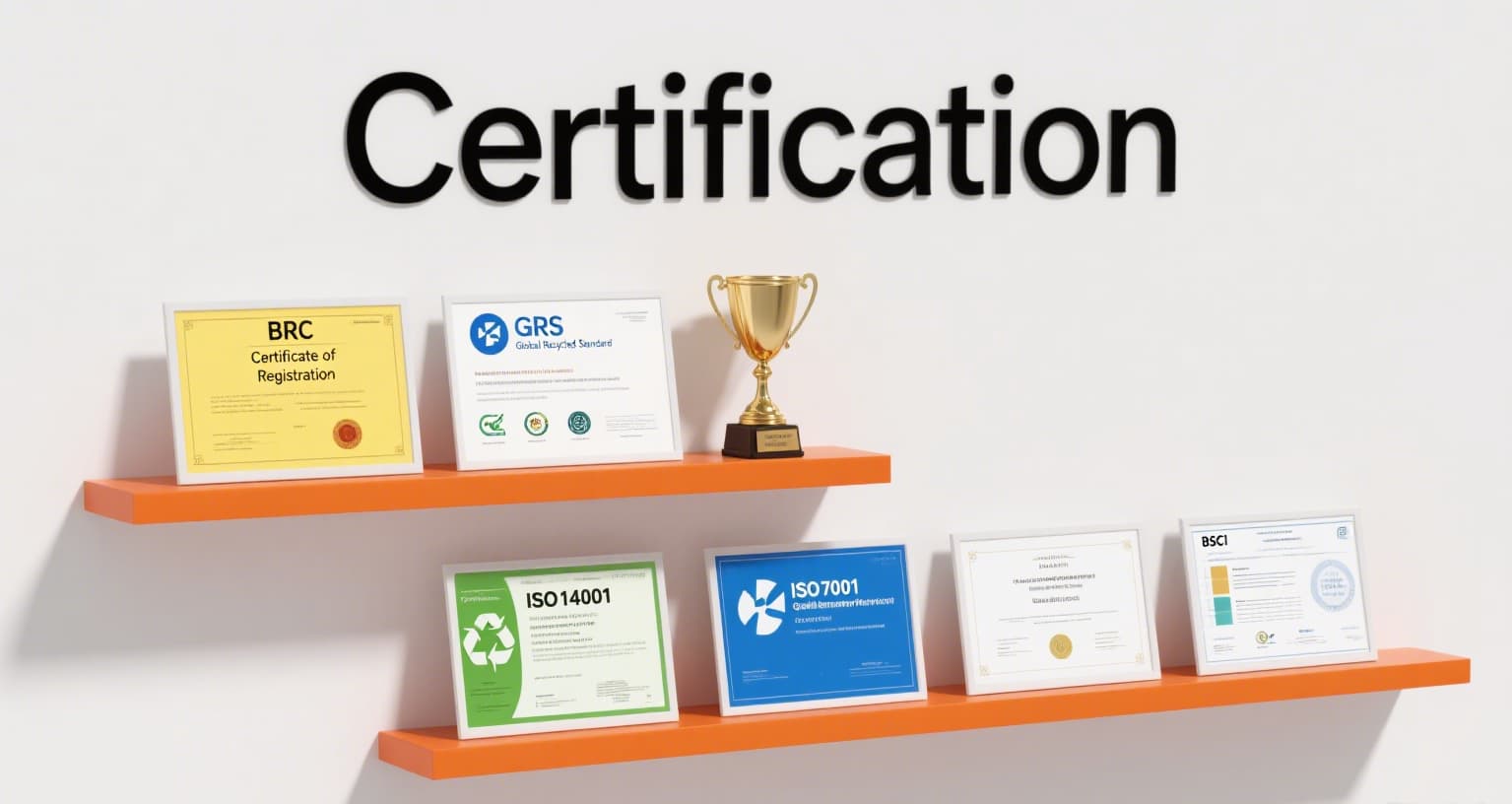
Compliance is non-negotiable in food packaging.
Key testing categories include:
- Migration testing (chemical safety)
- Thermal resistance testing
- Drop and compression testing
Relevant regulatory frameworks:
- FDA (USA)
- EU 10/2011 (Europe)
- LFGB (Germany)
Testing cycles typically take 5–10 working days, depending on complexity.
Manufacturers with strong compliance capabilities—such as established food packaging OEM factory partners—can significantly reduce regulatory risk for buyers.
Step 5 – Mass Production and Quality Control
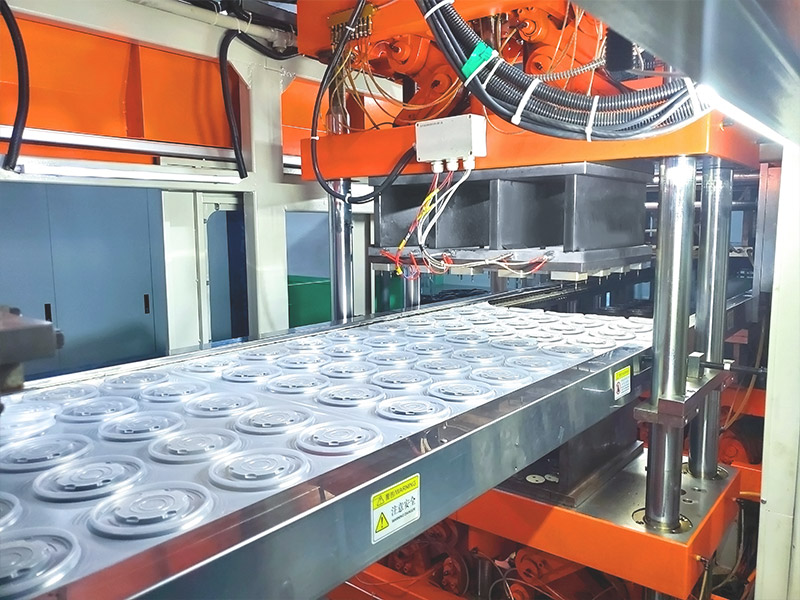
Mass production transforms validated prototypes into scalable products.
Common manufacturing processes:
- Thermoforming (for PET/rPET)
- Injection molding (for PP lids)
- Pulp molding (for bagasse products)
Modern factories achieve automation rates of 70–90%, ensuring consistency and efficiency.
Quality control is structured into three stages:
- IQC (Incoming Quality Control)
- IPQC (In-Process Quality Control)
- OQC (Outgoing Quality Control)
For example, in advanced facilities like DASHAN’s production system, multi-stage inspection protocols are implemented to maintain stable quality across large-volume orders.
Step 6 – Packaging, Logistics, and Global Delivery
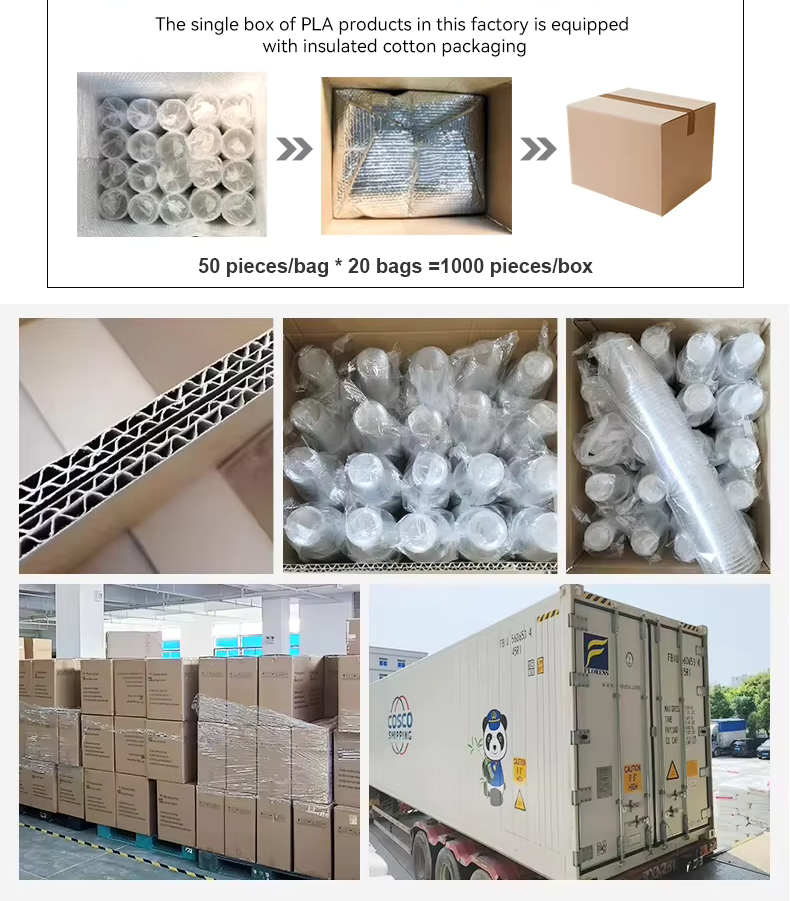
After production, products are prepared for export.
Standard practices include:
- PE bag + carton packaging
- Moisture protection
- Palletization for container loading
Logistics Comparison
| Mode | Transit Time | Cost Level | Best Use |
|---|---|---|---|
| Sea Freight | 20–40 days | Low | Bulk orders |
| Air Freight | 3–7 days | High | Urgent delivery |
| Rail | 15–25 days | Medium | Eurasian routes |
A reliable global food packaging supplier will coordinate logistics to optimize cost and delivery timelines.
Real-World OEM Food Packaging Case Study
Case Study – Quick Service Restaurant Packaging Development
A regional fast-food chain required a new takeaway container solution with the following requirements:
- Heat resistance up to 120°C
- Oil resistance
- Sustainable material option
Solution
- Base: PP container
- Lid: Transparent PET
- Alternative version: Bagasse tray for eco markets
Results
- Packaging cost reduced by 15%
- Delivery efficiency improved by 20%
- Customer satisfaction increased significantly
This type of integrated solution highlights the value of working with a bulk food packaging manufacturer capable of multi-material production.
Cost Structure of OEM Food Packaging Projects
Key Cost Components
Typical cost breakdown:
- Raw materials: 50–70%
- Manufacturing: 15–25%
- Mold cost (one-time): varies
- Logistics: 10–20%
Cost Optimization Strategies
- Increase order volume to reduce unit cost
- Optimize design to reduce material usage by 10–30%
- Use rPET instead of virgin PET where applicable
Strategic collaboration with an experienced OEM packaging solutions provider can significantly improve cost efficiency.
Industry Trends in OEM Food Packaging (2025–2030)
Sustainability and Eco-Friendly Materials
The shift toward sustainability is accelerating:
- Compostable packaging market growing at >6% CAGR
- Increasing adoption of bagasse and rPET
Smart Packaging and Digital Integration
Emerging technologies include:
- QR code traceability
- AI-driven supply chain optimization
Lightweight and Cost-Efficient Design
Manufacturers are reducing material usage by 10–30% without compromising strength—an important competitive advantage.
Regulatory Compliance in OEM Food Packaging
Key Global Standards
- FDA (USA)
- EU 10/2011
- LFGB
Common Compliance Risks
- Incorrect material declarations
- Non-compliant additives
- Misleading “compostable” claims
Working with a verified food packaging OEM manufacturer reduces these risks significantly.
How to Choose a Reliable OEM Food Packaging Manufacturer
Evaluation Criteria
- Production capacity and automation level
- Certification (FDA, SGS, BRC)
- R&D and customization capability
Red Flags to Avoid
- Lack of testing reports
- Unclear MOQ policies
- Poor communication
Strategic Partnership Value
A strong supplier relationship provides:
- Stable supply chain
- Continuous cost optimization
- Faster product iteration
Manufacturers like DASHAN, with integrated production and export experience, often serve as long-term partners rather than just vendors.
Frequently Asked Questions About OEM Food Packaging Process
1. What is the OEM food packaging process?
The OEM food packaging process is a complete manufacturing workflow where packaging products are produced according to a client’s specifications, including design, materials, size, and performance requirements. It covers stages from concept development to final delivery.
2. How does an OEM food packaging manufacturer work?
A food packaging OEM manufacturer collaborates with clients to develop custom packaging solutions. The process includes design consultation, material selection, prototype sampling, compliance testing, mass production, and logistics coordination.
3. How long does the OEM food packaging process take?
The full OEM food packaging process typically takes 20–45 days, depending on product complexity. Mold development and sampling usually require 7–25 days, while mass production and delivery take an additional 15–30 days.
4. What is the minimum order quantity (MOQ) for custom food packaging?
MOQ varies by product type and manufacturing method but generally ranges from 10,000 to 100,000 units. A professional custom food packaging factory may offer flexible MOQ options for long-term clients.
5. What materials are commonly used in OEM food packaging?
Common materials include PET (for cold applications), PP (for hot food), rPET (recycled plastic), and bagasse (compostable fiber). The choice depends on temperature requirements, sustainability goals, and regulatory compliance.
6. How can I ensure food packaging meets safety regulations?
To ensure compliance, work with certified manufacturers and request testing reports aligned with FDA, EU 10/2011, or LFGB standards. Reliable suppliers follow strict quality control systems throughout the OEM food packaging process.
7. How can OEM food packaging costs be reduced?
Costs can be reduced by optimizing product design, selecting cost-effective materials, increasing order volume, and working with an experienced OEM packaging solutions provider that offers engineering support.
8. What are the advantages of working with an OEM packaging supplier?
Key benefits include full customization, better cost efficiency, consistent quality, scalable production, and access to advanced materials and manufacturing technologies.
Conclusion: Building a Scalable OEM Food Packaging Strategy
The OEM food packaging process is a complex yet highly efficient system that enables brands to scale operations while maintaining quality and cost control.
From concept development to global delivery, each stage requires technical expertise, regulatory knowledge, and supply chain coordination.
For businesses seeking long-term growth, partnering with a professional custom food packaging manufacturer is not just a procurement decision—it is a strategic investment in product quality, brand consistency, and operational efficiency.
References
- Smithers – The Future of Global Packaging
https://www.smithers.com/services/market-reports/packaging/the-future-of-global-packaging-to-2028 - Grand View Research – Food Packaging Market Size Report
https://www.grandviewresearch.com/industry-analysis/food-packaging-market - European Commission – Regulation (EU) No 10/2011
https://eur-lex.europa.eu/eli/reg/2011/10/oj - U.S. Food and Drug Administration (FDA) – Food Contact Substances
https://www.fda.gov/food/food-ingredients-packaging/food-contact-substances-fcs - World Packaging Organisation – Industry Insights
https://www.worldpackaging.org - Ellen MacArthur Foundation – Global Commitment on Plastic Packaging
https://www.ellenmacarthurfoundation.org/our-work/activities/global-commitment - PlasticsEurope – Plastics the Facts Report
https://plasticseurope.org/knowledge-hub/plastics-the-facts/ - ISO – ISO 22000 Food Safety Management
https://www.iso.org/iso-22000-food-safety-management.html
Copyright Statement
© 2026 Dashan Packing. All rights reserved.
This article is an original work created by the Dashan Packing editorial team.
All text, data, and images are the result of our independent research, industry experience,
and product development insights. Reproduction or redistribution of any part of this content
without written permission is strictly prohibited.
Dashan Packing is committed to providing accurate, evidence-based information and
to upholding transparency, originality, and compliance with global intellectual property standards.