

Quick Summary
Understanding FDA vs SGS food packaging is essential for importers, wholesalers, and brand owners operating in global markets. FDA focuses on regulatory compliance required for the U.S., while SGS provides third-party testing reports widely accepted across Europe and other regions. Relying on only one standard can lead to shipment delays, failed inspections, or lost business opportunities.
For buyers sourcing from a FDA approved food packaging supplier or an SGS certified food packaging manufacturer, the key is not choosing one over the other, but combining both. Dual compliance ensures smoother customs clearance, stronger product credibility, and better alignment with international retailer requirements.
As global demand for safe and sustainable packaging increases, working with a reliable food packaging manufacturer wholesale that understands both FDA regulations and SGS testing standards is becoming a critical competitive advantage.
Introduction: Why FDA vs SGS Food Packaging Matters More Than Ever
Global food safety regulations are no longer optional checkpoints—they are decisive factors that directly impact whether your products can enter a market, pass customs inspection, and ultimately reach consumers. For packaging importers, wholesalers, and brand owners, misunderstanding compliance requirements can result in shipment delays, financial losses, or even permanent supplier blacklisting.
In today’s international trade environment, one of the most frequently misunderstood topics is FDA vs SGS food packaging. Many buyers assume that a single test report is enough to prove compliance globally. However, regulatory frameworks differ significantly between regions, and what works in Europe may not meet U.S. requirements—and vice versa.
Consider a real-world scenario: a U.S. importer sources PET food containers from an overseas supplier that provides an SGS migration test report. While the report confirms compliance with EU standards, the shipment is flagged upon arrival in the United States because it lacks proper FDA compliance documentation. The result? Delays, additional testing costs, and reputational damage.
As cross-border e-commerce, private labeling, and supermarket supply chains continue to expand, the need for clarity around food packaging wholesale FDA SGS standards has never been more critical. This guide provides a comprehensive, technical, and practical comparison to help you make informed sourcing decisions.
What Does “Food Grade” Really Mean in Packaging?
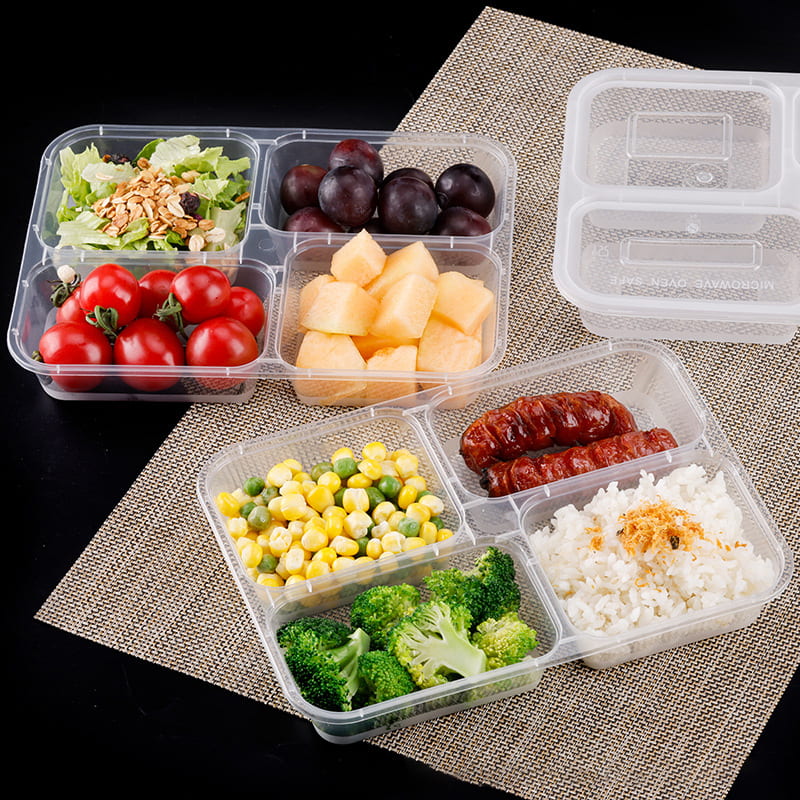
Definition of Food Grade Materials
“Food grade” is a technical classification used to describe materials that are safe for direct or indirect contact with food under defined conditions. These materials must not release harmful substances that could contaminate food or pose health risks.
Common food-grade materials include:
- PET (Polyethylene Terephthalate) – widely used for cold beverages and transparent containers
- PP (Polypropylene) – suitable for hot food and microwave applications
- PLA (Polylactic Acid) – biodegradable plastic alternative
- Bagasse – plant-based fiber material used in eco-friendly packaging
For buyers searching for a food grade packaging certification manufacturer, it is important to recognize that “food grade” is not a universal label. Instead, it is defined by specific regulatory frameworks such as FDA (U.S.) or EU standards.
Key Testing Indicators
Food-grade compliance is determined through scientific testing, focusing on measurable migration and chemical safety limits.
Key indicators include:
- Overall Migration Limit (OML): Typically capped at 10 mg/dm² in EU standards
- Specific Migration Limit (SML): Limits for individual substances such as BPA or phthalates
- Heavy Metal Content: Lead, cadmium, mercury restrictions
- Thermal Stability: Resistance to heat during use (e.g., 40°C storage, 70°C hot-fill, or 100°C microwave conditions)
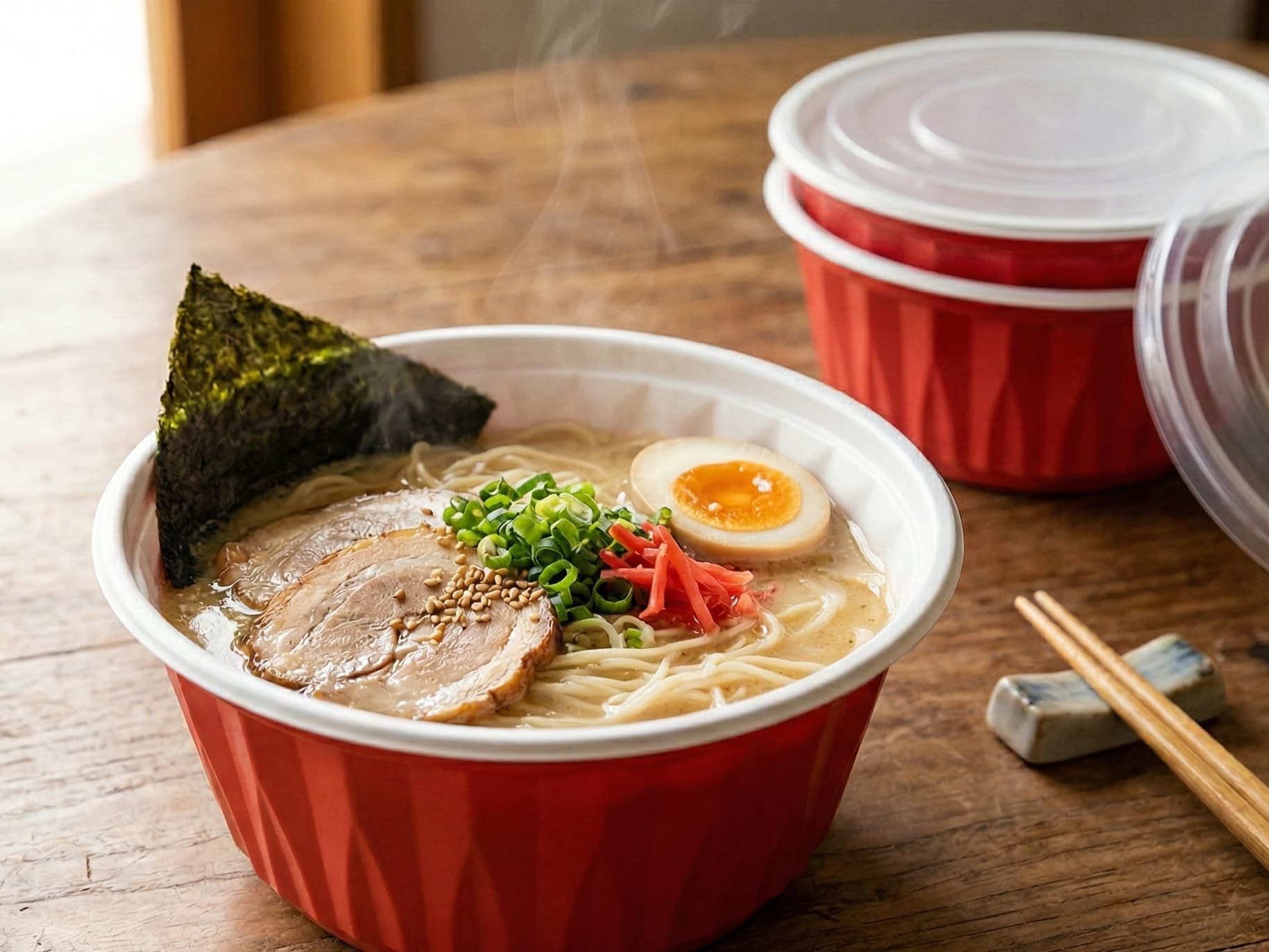
For example, PP containers can typically withstand temperatures up to 120°C, making them ideal for ready meals, while PET is generally limited to below 60°C.
Common Buyer Misconceptions
A major misconception is that having any test report automatically ensures compliance in all markets. In reality, compliance depends on whether the testing aligns with the destination country’s regulations.
Another common mistake is assuming that all food packaging manufacturer wholesale suppliers meet international standards. Without proper verification, buyers risk sourcing products that fail regulatory checks.
Understanding FDA Food Packaging Standards (USA Market)
What is FDA Compliance?
FDA compliance refers to adherence to regulations set by the U.S. Food and Drug Administration for materials that come into contact with food. These regulations are defined in Title 21 of the Code of Federal Regulations (CFR).
Unlike certification systems, the FDA does not issue certificates for packaging materials. Instead, compliance is demonstrated through formulation control, supplier declarations, and supporting test data.
For buyers working with an FDA approved food packaging supplier, understanding this distinction is essential. The absence of a “certificate” does not mean non-compliance—it means compliance must be validated differently.
Key FDA Requirements for Packaging
FDA regulations focus on preventing harmful chemical migration into food. Core elements include:
- Food Contact Substances (FCS): Materials intended for food contact
- Indirect Additives: Substances that may migrate into food
- GRAS (Generally Recognized as Safe): Approved substances based on scientific evidence
Manufacturers must ensure that all raw materials are listed or compliant under FDA regulations.
Typical FDA Testing Scope
FDA-related testing includes:
- Migration testing using food simulants (e.g., ethanol, acetic acid, oil)
- Extractables and leachables analysis
- Temperature-based simulations (e.g., refrigerated, room temperature, hot-fill)
For a FDA food contact material compliance factory, maintaining consistency in raw materials and production processes is critical to ongoing compliance.
Pros and Limitations of FDA Standards
Advantages:
- Mandatory for entry into the U.S. market
- High global credibility
Limitations:
- No standardized certification document
- Requires technical expertise to verify compliance
Understanding SGS Certification in Food Packaging
What is SGS?
SGS is a globally recognized third-party testing, inspection, and certification organization. It provides independent verification that products meet regulatory and safety standards.
For buyers sourcing from an SGS certified food packaging manufacturer, SGS reports serve as tangible evidence of compliance with specific regulations such as EU food safety laws.
SGS Testing Scope for Food Packaging
SGS testing commonly covers:
- EU Regulation No. 10/2011 for plastic food contact materials
- REACH chemical safety requirements
- LFGB (German food safety standard)
These standards are widely recognized in Europe and increasingly required by global buyers.
SGS Report Types
Typical SGS documentation includes:
- Migration Test Reports
- Material Composition Analysis
- Factory Audit Reports
For a SGS food packaging test report supplier, providing complete and up-to-date reports is essential for building trust with international clients.
Pros and Limitations of SGS
Advantages:
- Provides clear, verifiable documentation
- Widely accepted across global markets
Limitations:
- SGS is not a regulatory authority
- Reports apply only to tested samples and conditions
FDA vs SGS Food Packaging: Key Differences Explained
Regulatory Authority vs Third-Party Testing
The FDA is a regulatory body that defines compliance requirements, while SGS is an independent organization that conducts testing to verify whether products meet those requirements.
Compliance vs Certification
FDA focuses on compliance with legal frameworks, whereas SGS provides certification-style reports that demonstrate test results.
Geographic Applicability
- FDA → United States
- SGS → Global (especially EU and Asia)
Data Comparison Table
| Parameter | FDA | SGS |
|---|---|---|
| Type | Regulatory system | Testing organization |
| Certificate | No | Yes (report-based) |
| Scope | USA | Global |
| Verification | Documentation | Laboratory testing |
Real-World Import Scenarios: Choosing the Right Standard
Scenario 1: Importing PET Cups to the USA
Importers must ensure FDA compliance for all food contact materials. While SGS reports are useful, they do not replace FDA requirements.
Working with a PET cup manufacturer FDA SGS compliant reduces risk by ensuring both regulatory compliance and test verification.
Scenario 2: Supplying Supermarkets in Europe
European retailers typically require compliance with EU regulations supported by SGS test reports. Without proper documentation, products may be rejected.
Scenario 3: Amazon and Private Label Brands
Online platforms increasingly require both compliance documentation and test reports. For food packaging wholesale FDA SGS buyers, dual compliance enhances product credibility and reduces return risks.
Material-Specific Compliance Differences
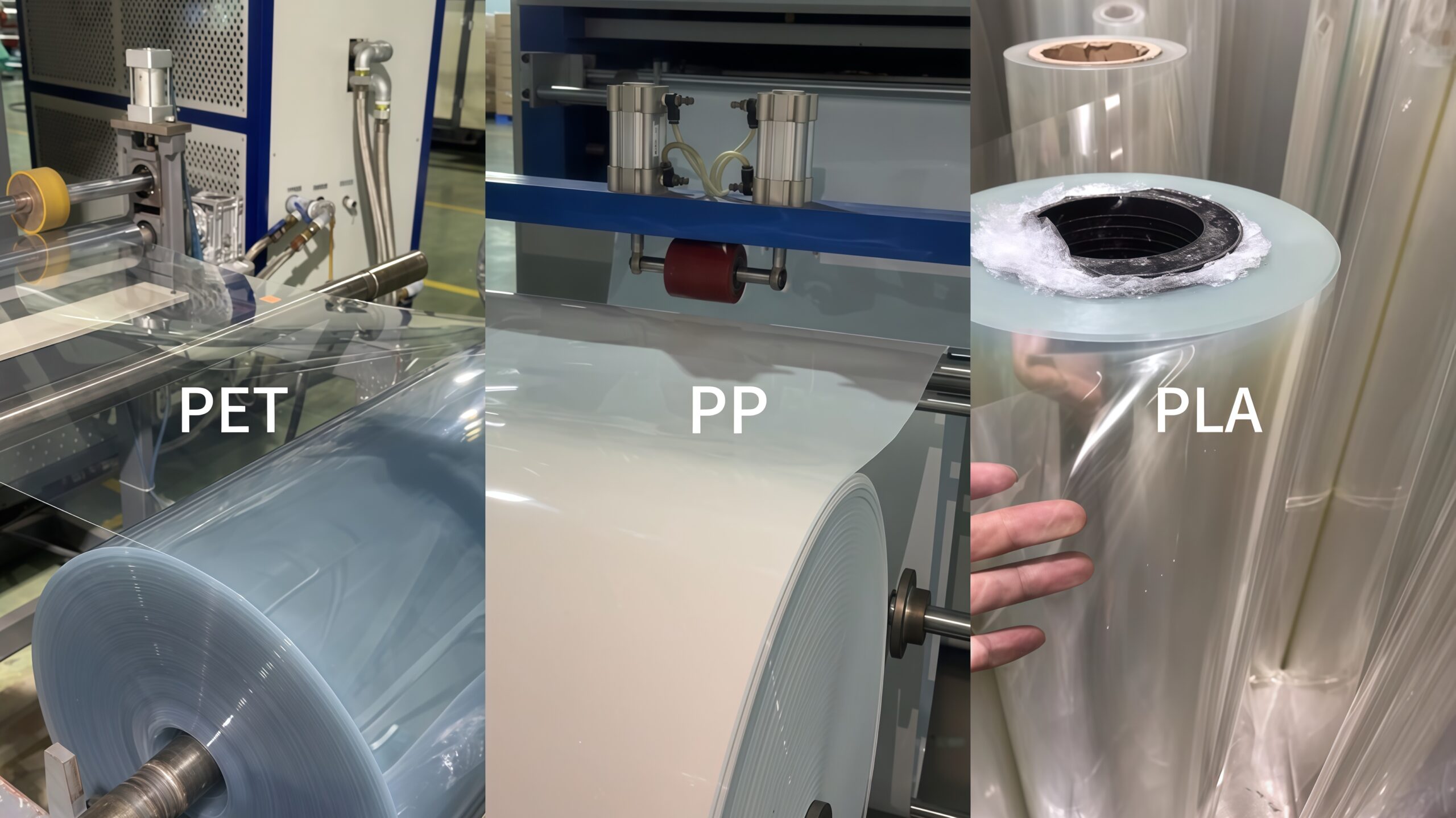
PET Packaging
- High clarity and transparency
- Suitable for cold applications
- Temperature resistance: up to ~60°C
PP Packaging
- Excellent heat resistance (up to 120°C)
- Microwave-safe
- Widely used in ready-meal packaging
PLA and Bagasse Packaging
- Biodegradable and eco-friendly
- Growing demand in sustainable markets
- More complex compliance requirements, especially in the EU
Material Performance Comparison Table
| Material | Temp Resistance | Application | Compliance Complexity |
|---|---|---|---|
| PET | Low | Cold drinks | Medium |
| PP | High | Hot food | Low |
| PLA | Medium | Eco packaging | High |
Industry Trends: Dual Certification Is Becoming Standard
The global packaging industry is moving toward stricter compliance and transparency. According to industry estimates, more than 70% of international buyers now require third-party test reports in addition to regulatory compliance documentation.
Sustainability is also reshaping the market. Buyers increasingly seek eco friendly food packaging manufacturer FDA SGS solutions that meet both environmental and safety standards.
Retailers and e-commerce platforms are tightening requirements, making dual compliance (FDA + SGS) a competitive advantage rather than an option.
How to Verify a Reliable Food Packaging Supplier
Key Checklist for Importers
- Verify SGS test reports (date, scope, material match)
- Confirm FDA compliance knowledge
- Review export history and certifications
- Evaluate production consistency
Red Flags to Avoid
- Expired or incomplete test reports
- Lack of transparency in materials
- Over-reliance on generic compliance statements
For buyers seeking a reliable food packaging manufacturer wholesale, due diligence is essential to avoid costly mistakes.
Why Experienced Export Manufacturers Matter
Experienced exporters understand the complexity of global regulations and can provide tailored compliance solutions for different markets.
Manufacturers with international exhibition experience and export records are more likely to meet the expectations of global buyers. A China food packaging manufacturer FDA SGS export with proven expertise can significantly reduce sourcing risks and improve supply chain reliability.

Companies like DASHAN, for example, have participated in international trade shows, accumulated export experience across multiple regions, and built a strong compliance system supported by certifications and testing capabilities. This type of supplier is better equipped to support large-scale, long-term procurement needs.
FAQ: FDA vs SGS Food Packaging
1. Is SGS certification enough for FDA compliance?
No. SGS reports support testing verification but do not replace FDA regulatory compliance.
2. Do I need both FDA and SGS?
For global markets, having both significantly reduces risk and improves acceptance.
3. How can I verify a test report?
Check the issuing organization, test standards, product details, and validity date.
4. What is the cost of compliance?
Costs vary depending on materials, testing scope, and order volume, typically ranging from a few hundred to several thousand dollars.
5. Which standard is better for importers?
Neither is “better”—they serve different purposes. The best approach is combining both.
Conclusion: Which Standard Should You Choose?
Choosing between FDA and SGS is not about selecting one over the other—it is about understanding their roles in the global compliance ecosystem.
FDA ensures that your products meet U.S. regulatory requirements, while SGS provides independent verification that builds trust and supports international trade. For importers, wholesalers, and brand owners, relying on a single standard is increasingly risky.
The most effective strategy is to adopt a dual-compliance approach, working with suppliers who can provide both FDA-compliant documentation and SGS test reports. This not only ensures smoother customs clearance but also enhances product credibility in competitive markets.
References
- U.S. Food and Drug Administration
https://www.fda.gov/food/food-ingredients-packaging
(Official guidance on food contact materials and compliance requirements in the U.S.) - Code of Federal Regulations Title 21
https://www.ecfr.gov/current/title-21
(Legal foundation for FDA food packaging compliance) - SGS
https://www.sgs.com/en/consumer-goods-retail/packaging
(Global testing and certification services for food packaging materials) - EU Regulation No. 10/2011
https://eur-lex.europa.eu/eli/reg/2011/10/oj
(Core EU regulation governing plastic food contact materials) - European Food Safety Authority
https://www.efsa.europa.eu
(Scientific evaluation and risk assessment for food safety in the EU) - International Organization for Standardization
https://www.iso.org
(International standards related to packaging safety and quality)
Copyright Notice
© 2026 Dashan Packing. All rights reserved.
This content is the exclusive intellectual property of Dashan Packing and has been independently developed by our editorial and technical teams.
All materials, including text, data, and visual elements, are protected under applicable copyright laws.
Unauthorized reproduction, distribution, or modification of this content, in whole or in part, is strictly prohibited without prior written consent.
Dashan Packing remains committed to accuracy, originality, and full compliance with international intellectual property regulations.