

Introduction
Australia has long been recognized as one of the Asia-Pacific region’s most stable and quality-driven food markets. Demand for imported packaged foods, ready-to-eat meals, fresh produce, takeaway products, and convenience foods continues to grow, creating valuable opportunities for overseas food packaging manufacturers. At the same time, Australian buyers have become increasingly selective, expecting suppliers to deliver not only competitive products but also comprehensive technical documentation, regulatory compliance, and sustainable packaging solutions.
For exporters, entering the Australian market involves much more than shipping food containers that look appealing or perform well. Packaging must comply with food contact safety requirements, satisfy customer documentation requests, align with recycling initiatives, and demonstrate consistent manufacturing quality. Failure to address these expectations can lead to lengthy approval processes, additional testing, increased costs, or even lost business opportunities.
Unlike some export markets where compliance is viewed as the final stage before shipment, Australia increasingly treats packaging compliance as an integral part of product development. Buyers often evaluate packaging materials, manufacturing systems, traceability, and environmental performance long before they place an order.
Understanding these expectations allows exporters to prepare more effectively, reduce compliance risks, and establish stronger long-term partnerships with Australian customers. This guide explains the most important aspects of food packaging compliance in Australia and highlights practical considerations that every exporter should understand before entering the market.
Understanding Australia’s Regulatory Approach

One of the biggest misconceptions among exporters is that Australia simply follows the same packaging rules as Europe or North America. While many regulatory principles are similar, Australia’s compliance framework has its own structure and priorities.
Rather than relying on a single comprehensive packaging law, Australia regulates food packaging through multiple government agencies and industry organizations. Together, these authorities focus on ensuring that packaging protects public health, maintains food safety, supports fair trade, and contributes to national sustainability goals.
Food packaging intended for the Australian market is generally expected to meet requirements relating to food contact safety, manufacturing quality, labeling accuracy where applicable, and environmental responsibility.
Several organizations play important roles in this framework.
Food Standards Australia New Zealand (FSANZ) develops food standards that include requirements for materials intended to come into contact with food.
The Australian Competition and Consumer Commission (ACCC) oversees consumer protection and helps ensure that product claims and business practices are accurate and transparent.
For imported products, the Department of Agriculture, Fisheries and Forestry (DAFF) also plays an important role in border inspections and biosecurity controls.
Although exporters may not communicate directly with each organization, understanding their responsibilities helps explain why Australian customers often request detailed technical information before approving new packaging suppliers.
Food Contact Compliance Is the Foundation of Market Access

Before packaging performance, appearance, or price is considered, Australian buyers typically want assurance that food packaging is suitable for direct food contact.
This is one of the most important aspects of market entry because packaging materials interact directly with food throughout storage, transportation, heating, and consumption.
Food contact compliance focuses on whether packaging materials can safely perform under their intended conditions without releasing substances that could affect food quality or consumer health.
For manufacturers, this means selecting materials that are appropriate for the product’s application rather than choosing materials based solely on cost.
For example, polypropylene (PP) is widely used for microwaveable meal containers because it maintains dimensional stability at elevated temperatures while offering excellent chemical resistance. Polyethylene terephthalate (PET), on the other hand, is commonly selected for fresh produce and cold food packaging because of its outstanding transparency, strength, and established recycling systems.
Australian customers often evaluate packaging according to how it will actually be used. A container designed for frozen meals may require different performance characteristics than packaging intended for hot takeaway foods or fresh fruit.
As a result, material selection should always begin with application requirements instead of simply choosing the lowest-cost option.
Documentation Is Often More Important Than Exporters Expect
Many first-time exporters believe that providing a high-quality product is sufficient to secure international business.
In reality, Australian importers frequently evaluate documentation before they evaluate the packaging itself.
Technical documentation helps customers verify product safety, understand material composition, and demonstrate regulatory due diligence throughout their own supply chains.
Depending on the application, buyers may request documentation such as:
| Documentation | Why It Matters |
|---|---|
| Declaration of Compliance (DoC) | Demonstrates that materials are suitable for food contact applications. |
| Material Specifications | Provides detailed information about resin type, physical properties, and intended use. |
| Migration Test Reports | Verifies that the packaging performs safely under expected food contact conditions. |
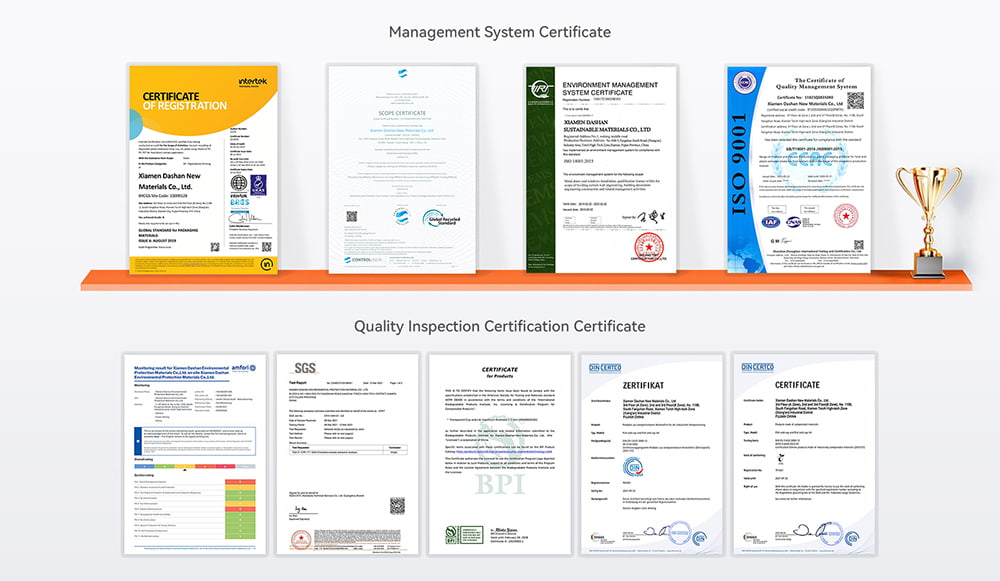
| Quality Management Certifications | Demonstrates consistent manufacturing processes and quality control systems. |
| Product Traceability Records | Supports quality investigations and regulatory compliance if issues arise. |
| Technical Data Sheets | Helps customers evaluate packaging performance for specific applications. |
For experienced exporters, documentation is no longer viewed as paperwork completed after production. It has become part of the product itself.
Providing clear, organized, and accurate technical information often shortens customer approval processes and builds confidence before commercial negotiations even begin.
Sustainability Is Becoming Part of Compliance

Food safety remains Australia’s highest priority, but sustainability has rapidly become another major consideration in packaging procurement.
Over the past several years, Australian governments, retailers, and industry organizations have increased efforts to reduce packaging waste and improve recycling performance. These initiatives are encouraging businesses to rethink not only the materials they use but also how packaging is designed throughout its entire lifecycle.
Organizations such as the Australian Packaging Covenant Organisation (APCO) have helped establish voluntary national targets aimed at improving packaging sustainability. These initiatives encourage businesses to increase the use of recyclable packaging, reduce unnecessary material consumption, and improve the overall circularity of packaging systems.
Although not every exporter is directly regulated by APCO, its influence is increasingly reflected in customer purchasing decisions.
Australian buyers now commonly ask questions such as:
- Is the packaging recyclable?
- Does it use mono-material construction?
- Can material usage be reduced?
- Is recycled content available where appropriate?
- How does the packaging support sustainability objectives?
These questions illustrate an important shift.
Sustainability is no longer viewed as an optional marketing advantage. It is becoming an expected component of packaging design and supplier evaluation.
Common Compliance Mistakes Exporters Should Avoid
Many compliance challenges arise not because products are unsafe but because exporters misunderstand customer expectations.
One common mistake is assuming that compliance in one market automatically guarantees compliance in Australia. While international standards often share similar principles, Australian customers may request different supporting documentation or application-specific testing.
Another frequent issue is incomplete technical documentation. Missing declarations, outdated test reports, or inconsistent product specifications can delay supplier approval even when the packaging itself meets performance requirements.
Some exporters also underestimate the importance of traceability. Australian buyers increasingly expect manufacturers to demonstrate consistent production processes, identify raw material sources, and maintain production records that support quality assurance.
Cost-focused purchasing decisions can create additional challenges. Selecting packaging solely because it offers the lowest production cost may overlook long-term factors such as durability, recyclability, customer acceptance, and future regulatory developments.
Preparing for compliance early in product development helps avoid many of these issues before they affect customer relationships.
Australian Buyers Are Asking More Technical Questions
As food packaging regulations evolve worldwide, Australian procurement teams have become increasingly knowledgeable about packaging materials and manufacturing processes.
Rather than discussing only pricing and delivery schedules, purchasing managers frequently request technical information that helps them evaluate long-term product performance and compliance readiness.
Typical questions may include:
- Is this material suitable for direct food contact?
- Can you provide migration testing documentation?
- What resin is used in this product?
- Is the packaging recyclable within Australian recycling systems?
- Can you provide technical specifications?
- How do you ensure production consistency?
- What quality management systems are implemented during manufacturing?
These discussions demonstrate that modern procurement extends well beyond product pricing.
Technical transparency has become an important competitive advantage for packaging suppliers serving international markets.
Compliance Begins Long Before Production
One of the most valuable lessons experienced exporters learn is that compliance cannot simply be added at the end of the manufacturing process.
Successful compliance begins during product development.
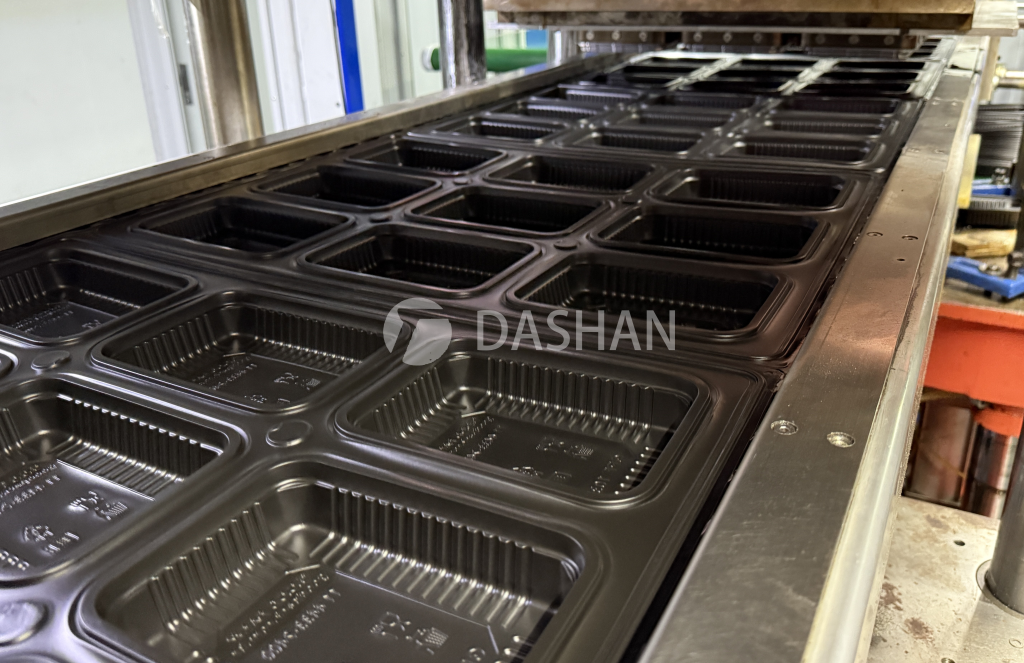
Material selection influences food contact safety and recyclability. Structural design affects packaging performance and material efficiency. Mold design determines dimensional consistency, which influences lid fit and sealing reliability. Manufacturing controls ensure that products remain consistent across every production batch.
Every engineering decision contributes to the final compliance profile of the packaging.
This integrated approach also makes future regulatory adaptation easier. As sustainability requirements continue to evolve, packaging that has already been designed with efficiency, recyclability, and traceability in mind is often better prepared for changing market expectations.
Choosing a Packaging Partner for the Australian Market
For Australian importers, selecting a packaging supplier is about much more than purchasing containers.
They are choosing a manufacturing partner capable of delivering consistent quality, technical support, reliable documentation, and long-term production stability.
An experienced packaging manufacturer should understand not only material performance but also how packaging will be used throughout the customer’s supply chain.
With extensive experience in international food packaging manufacturing, DASHAN supports customers through a comprehensive range of PP food containers, PET fruit packaging, airline meal trays, reusable PP cups, and customized OEM and ODM packaging solutions. Beyond manufacturing, DASHAN works closely with customers by providing technical documentation, application-focused material recommendations, and packaging solutions designed to support export requirements across global markets, including Australia.
By combining engineering expertise with practical manufacturing experience, packaging suppliers can help customers reduce compliance risks while improving operational efficiency and product performance.
FAQ
1. What documents are required to export food packaging to Australia?
Australian buyers typically request a Declaration of Compliance (DoC), material specifications, migration test reports, and quality certifications to verify food contact safety.
2. Can PP and PET food packaging be exported to Australia?
Yes. PP and PET are widely used for food packaging in Australia, provided they comply with applicable food contact safety requirements.
3. Why do Australian buyers pay close attention to packaging compliance?
Compliance helps ensure food safety, product quality, regulatory conformity, and smoother market access for imported food packaging.
4. Is sustainable packaging important in the Australian market?
Yes. Many Australian businesses increasingly prefer packaging that is recyclable, lightweight, and designed to support a circular economy.
5. How can DASHAN support food packaging exports to Australia?
DASHAN provides PP and PET food packaging, OEM and ODM services, and technical documentation to help customers meet Australian market requirements efficiently.
Conclusion
Australia remains an attractive market for food packaging exporters, but success depends on far more than competitive pricing.
Today’s buyers expect suppliers to demonstrate food contact safety, provide comprehensive technical documentation, support sustainability initiatives, and maintain consistent manufacturing quality throughout the production process.
As packaging regulations continue to evolve worldwide, these expectations are becoming increasingly common across international markets.
For exporters, the most effective compliance strategy is not to treat regulations as a final inspection before shipment. Instead, compliance should be integrated into every stage of packaging development—from material selection and engineering design to manufacturing, documentation, and quality management.
Companies that adopt this proactive approach will be better positioned to build trust with Australian customers, reduce regulatory risks, and establish long-term partnerships in one of the world’s most quality-focused food packaging markets.
References
- Food Standards Australia New Zealand (FSANZ). Food Standards Code & Food Contact Materials
https://www.foodstandards.gov.au - Australian Packaging Covenant Organisation (APCO)
https://apco.org.au - Australian Competition and Consumer Commission (ACCC)
https://www.accc.gov.au - Department of Agriculture, Fisheries and Forestry (DAFF)
https://www.agriculture.gov.au - National Environment Protection Council (NEPC)
https://www.nepc.gov.au - Food Packaging Forum
https://www.foodpackagingforum.org - World Packaging Organisation (WPO)
https://www.worldpackaging.org - DASHAN Food Packaging
https://www.dashanpacking.com
Copyright Statement
© 2026 Dashan Packing. All rights reserved.
This article is an original publication by the Dashan Packing team based on industry research, market analysis, and packaging expertise. Unauthorized reproduction, distribution, or copying of this content is prohibited without prior written permission.
Dashan Packing is committed to delivering reliable, original, and professional information for the global food packaging industry.