
Quick Summary
Food packaging is no longer a passive container—it actively interacts with food across the entire food system. From processing and storage to transportation and consumption, packaging influences food safety, quality, shelf life, and operational stability. Understanding packaging as part of the food system helps buyers reduce hidden risks, avoid downstream failures, and make more reliable packaging decisions beyond material labels alone.
Introduction: Packaging Is No Longer a Passive Container

For a long time, food packaging was treated as a passive container—a necessary outer layer designed simply to hold food. In procurement discussions, packaging was often evaluated separately from food itself, reduced to material names, thickness, or unit cost. As long as the packaging did not visibly fail, it was considered adequate.
This perspective no longer reflects reality.
In modern food supply chains, packaging actively influences food safety, quality, shelf life, logistics efficiency, and even consumer perception. It interacts with food physically, chemically, and operationally across multiple stages of the food system. When packaging fails, the issue is rarely isolated; it often triggers a chain reaction that affects food quality, compliance, cost, and brand trust.
Understanding packaging as part of the food system—rather than an external accessory—is now essential for buyers, manufacturers, and food brands alike.
The Food System Perspective: Where Packaging Fits In
A food system includes far more than food production. It encompasses processing, packaging, storage, transportation, distribution, preparation, and consumption. At each stage, packaging plays a functional role that directly affects how food behaves.
During processing, packaging must withstand filling temperatures and mechanical handling. In storage, it influences moisture control, oxygen exposure, and structural stability. During transportation, packaging absorbs vibration, stacking pressure, and temperature fluctuations. At the point of consumption, it affects reheating behavior, ease of use, and food integrity.
When packaging is designed without considering these interconnected stages, problems tend to appear downstream—often far from the original sourcing decision. This is why packaging-related issues frequently emerge during scaling, delivery expansion, or market changes, rather than at the sample approval stage.
Physical Interaction: Heat, Time, and Mechanical Stress
Food packaging is constantly exposed to physical forces that shape its performance.
Heat is one of the most critical factors. Hot filling, reheating, microwave use, and temperature cycling all impose stress on packaging materials and structures. Even materials considered heat-resistant can deform if internal stress from manufacturing is released under real-use conditions.
Time is another underestimated variable. Prolonged food contact can gradually alter packaging behavior. Materials may relax, lose rigidity, or respond differently after days or weeks of storage, especially under fluctuating temperatures.
Mechanical stress adds another layer. Stacking during storage, compression during transport, and vibration during delivery all test the structural integrity of packaging. Packaging that performs well in static conditions may fail once subjected to dynamic movement.
These physical interactions are not exceptional scenarios—they are standard conditions within the food system.
Chemical Interaction: Migration and Material Stability
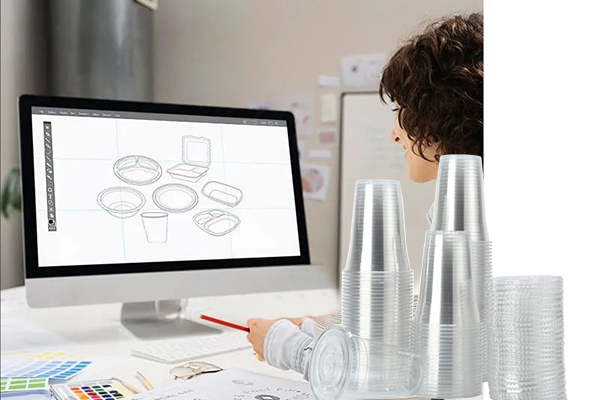
Beyond physical stress, packaging interacts chemically with food. This interaction is often invisible but critical from a safety and compliance perspective.
Food-contact materials are evaluated based on migration—the transfer of substances from packaging into food. Migration is influenced not only by material composition, but also by food type, temperature, and contact duration. Fatty foods, acidic foods, and alcoholic contents can accelerate migration compared to dry or neutral foods.
Temperature further amplifies this effect. A packaging solution suitable for cold storage may behave very differently when exposed to heat, even if it carries the same “food-grade” designation. This is why regulatory frameworks focus on use conditions, not just material identity.
When packaging is selected without a clear understanding of how it will interact chemically with food over time, compliance risks increase—even if the packaging appears compliant on paper.
Biological and Sensory Effects on Food Quality
Packaging also influences food quality in ways that go beyond safety thresholds.
Oxygen permeability affects oxidation and flavor degradation. Moisture control influences texture, freshness, and microbial growth. Light exposure can alter color and nutritional value. Even subtle material odors can transfer to food, affecting sensory perception.
These factors directly impact shelf life and consumer experience. Packaging that fails to manage them effectively can reduce product quality long before any regulatory limits are exceeded.
In this sense, packaging does not merely protect food—it actively shapes how food ages, tastes, and is perceived.
Packaging Across Different Food Scenarios
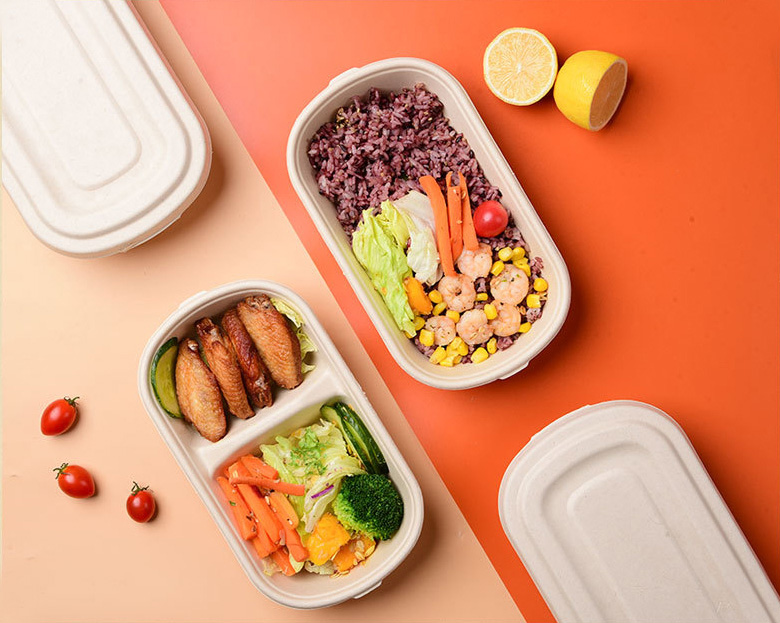
Packaging behavior varies significantly depending on the food system in which it is used.
Hot ready-to-eat meals require packaging that can withstand heat and steam without deformation. Cold foods prioritize barrier properties and dimensional stability. Delivery and takeout introduce extended holding times, vibration, and stacking pressures. Airline meals, central kitchens, and prepared food operations impose strict consistency and safety requirements across large volumes.
A packaging solution optimized for one scenario may underperform in another. Treating packaging as universally applicable across food systems often leads to unexpected failures.
Material Choice Is Only One Variable
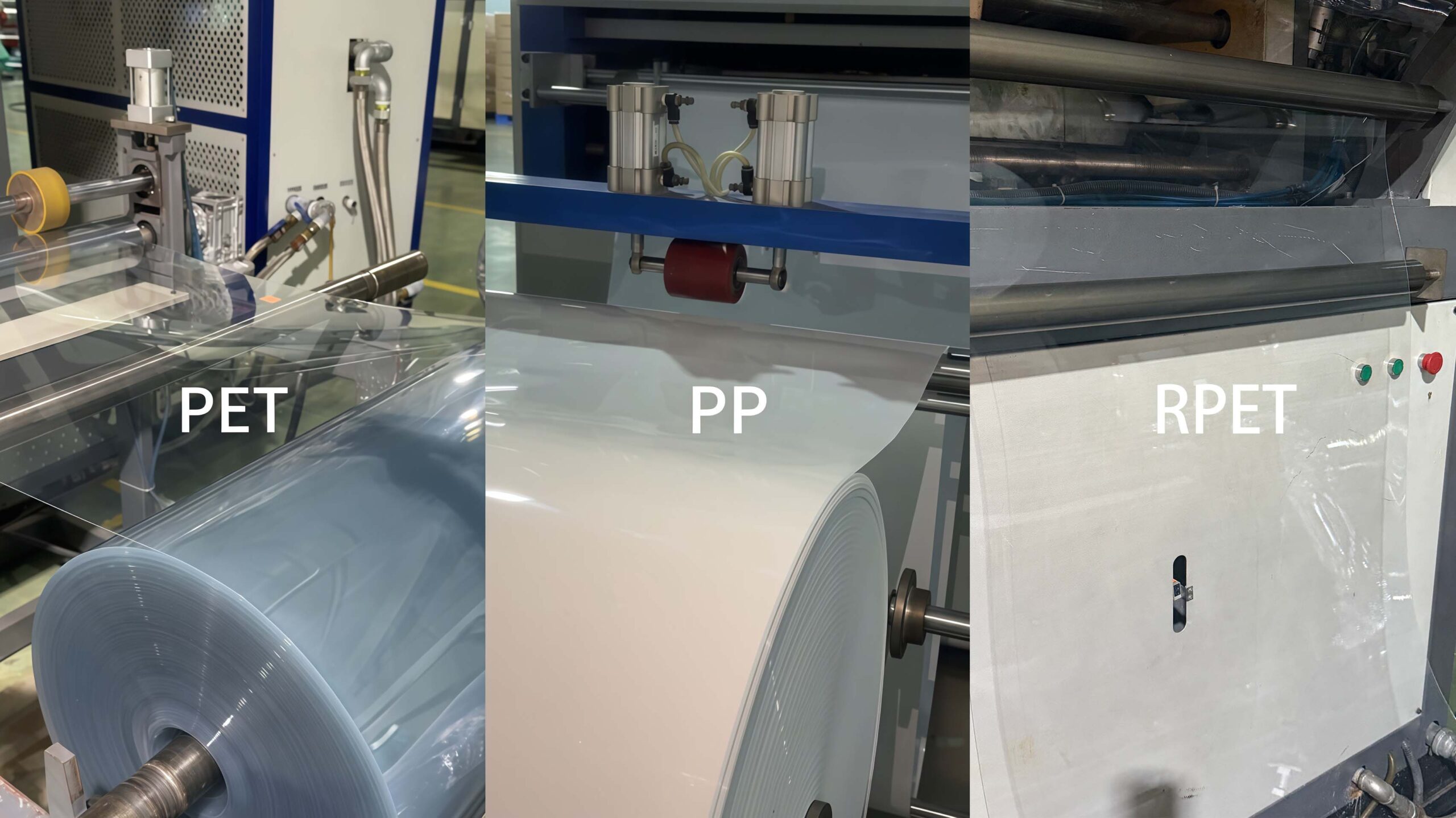
Materials such as PP, PET, CPET, PLA, and bagasse each offer distinct advantages. However, material selection alone does not determine system performance.
Manufacturing processes, structural design, thickness distribution, and real-use conditions all interact with material properties. Two trays made from the same resin can behave very differently depending on how they are formed, cooled, stored, and used.
This is why focusing solely on material names or sustainability labels provides an incomplete picture of packaging performance within a food system.
Common Failures When Packaging Is Treated as Isolated
Many packaging failures share a common root cause: packaging was evaluated in isolation.
Typical issues include:
-
Samples performing well under limited testing but failing at scale
-
Packaging deforming only after extended storage or transport
-
Compliance concerns arising due to mismatched use conditions
In each case, the packaging itself may not be inherently flawed. Rather, it was never aligned with the full food system it was expected to support.
How Experienced Buyers Evaluate Packaging Systemically
Experienced buyers approach packaging as a functional component of the food system. They consider:
-
Actual use conditions, not idealized scenarios
-
Interactions between food, packaging, and logistics
-
Performance stability over time and volume
Instead of asking only “What material is this?”, they ask “How will this packaging behave throughout the entire food lifecycle?”
This shift in perspective reduces downstream risk and leads to more reliable supply relationships.
The Role of the Manufacturer in the Food System
Manufacturers play a critical role in translating system understanding into reliable packaging solutions. Those with experience across food categories and use scenarios can anticipate risks before they appear.
At DASHAN, packaging development emphasizes system compatibility—considering food type, temperature exposure, logistics conditions, and regulatory expectations together. This approach helps buyers avoid common pitfalls that arise when packaging is treated as a standalone product rather than a system component.
FAQ
1. What does it mean that packaging is part of the food system?
It means packaging actively affects food safety, quality, and performance throughout processing, storage, transport, and consumption, rather than simply containing food.
2. Why can packaging problems appear far from the sourcing stage?
Because packaging interacts with heat, time, food type, and logistics. Issues often emerge during storage, delivery, or scaling—not during initial sample testing.
3. How does packaging interact with food chemically?
Packaging materials may transfer substances into food through migration, which depends on food type, temperature, and contact duration—not just material composition.
4. Is material choice enough to ensure packaging safety?
No. Manufacturing process, structure, thickness distribution, and real-use conditions all influence how packaging performs within the food system.
5. Why does the same packaging perform differently in different applications?
Different food systems (hot meals, cold storage, delivery, airline catering) impose different stresses, making system compatibility critical.
6. How do experienced buyers evaluate packaging differently?
They assess packaging across the entire food lifecycle, considering physical, chemical, and operational interactions—not just specifications or certificates.
Conclusion
Packaging is no longer a passive container. It is an active participant in food safety, quality, and system performance. When packaging is evaluated as part of the food system—rather than an isolated item—buyers gain greater control over risk, consistency, and long-term reliability. In modern food supply chains, successful packaging decisions are system decisions.
References
-
European Food Safety Authority (EFSA) – Food Contact Materials
https://www.efsa.europa.eu/en/topics/topic/food-contact-materials -
U.S. FDA – Food Contact Substances
https://www.fda.gov/food/food-ingredients-packaging/food-contact-substances-fcs -
World Health Organization (WHO) – Food Safety
https://www.who.int/teams/nutrition-and-food-safety/food-safety -
Packaging Europe – Food Packaging Insights
https://packagingeurope.com/ -
PlasticsEurope – Knowledge Hub (Materials & Processing)
https://plasticseurope.org/knowledge-hub/ -
British Plastics Federation – Plastipedia
https://www.bpf.co.uk/plastipedia/
Copyright Statement
© 2026 Dashan Packing. All rights reserved.
This article is an original work created by the Dashan Packing editorial team.
All text, data, and images are the result of our independent research, industry experience,
and product development insights. Reproduction or redistribution of any part of this content
without written permission is strictly prohibited.
Dashan Packing is committed to providing accurate, evidence-based information and
to upholding transparency, originality, and compliance with global intellectual property standards.