

Introduction
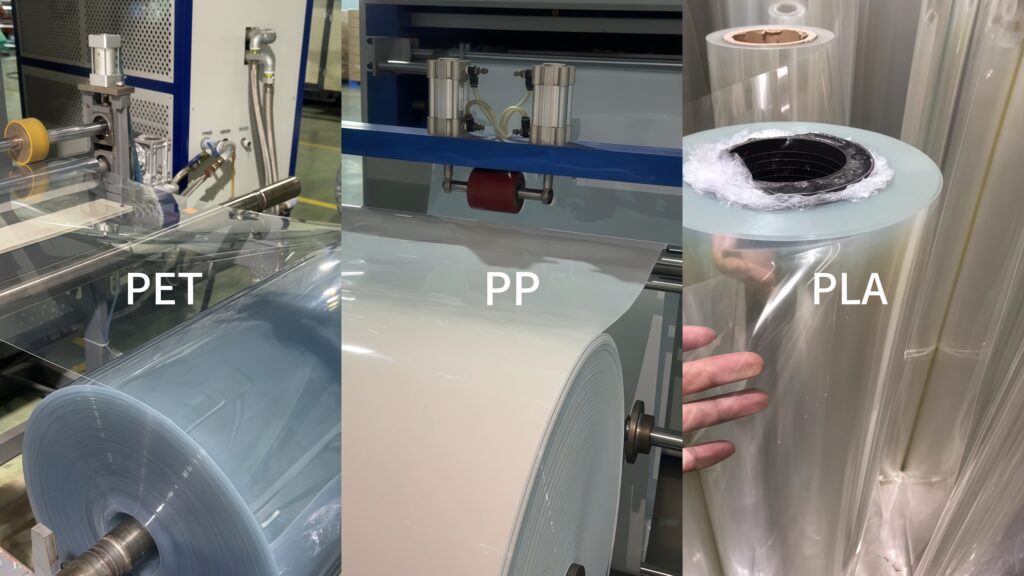
In an era of increasing awareness of environmental sustainability and food safety, the food packaging industry has seen a significant shift. Global food packaging is governed by a web of regulations designed to ensure the safety, environmental impact, and quality of the packaging materials used in contact with food. Packaging materials such as PLA, PET, RPET, and CPET are becoming popular due to their safety, recyclability, and biodegradability, but how do countries across the world regulate these materials?
This article explores the global food packaging regulations, comparing U.S., EU, China, Japan, and other regions to understand how packaging requirements are shaping the future of sustainable packaging. Additionally, we will look at how companies, like DaShan, align their operations with these standards to ensure safe, sustainable, and high-quality food packaging solutions.
1. Food Packaging Regulations in the United States
The United States has some of the most stringent food packaging regulations globally, particularly concerning food safety and the materials used for food contact.
FDA Food Packaging Regulations
The Food and Drug Administration (FDA) is responsible for ensuring that food packaging materials meet safety standards. These regulations are outlined under 21 CFR Part 170-199 and govern the use of substances in contact with food, including PET, PLA, CPET, and PP. These substances must not introduce harmful chemicals into the food at any stage of packaging.
-
FDA approval process: Packaging materials must undergo toxicological assessments to ensure they do not leach chemicals into the food. For example, PET packaging for beverages must meet specific FDA guidelines on migration limits.
-
Safe materials for food contact: Packaging materials like PLA (Polylactic Acid) and RPET (Recycled PET) have been approved by the FDA for food packaging, as they do not pose a risk to health when used properly.
Environmental Regulations and Sustainable Packaging
In addition to food safety, the FDA also plays a role in overseeing packaging materials used for sustainability. This includes promoting the use of recyclable and biodegradable packaging. The FDA encourages food packaging that is compatible with recycling programs and that minimizes environmental impact.
DaShan offers PLA cups and RPET containers, which comply with FDA regulations and are designed to be both safe for food use and eco-friendly.
2. European Union Food Packaging Standards
The European Union (EU) is renowned for its comprehensive regulatory framework on food safety, sustainability, and packaging waste management. The EU’s approach is holistic, covering both food safety and environmental issues related to packaging.
EU Packaging and Packaging Waste Directive
The EU Packaging and Packaging Waste Directive (94/62/EC) governs the packaging industry across Europe. It sets strict guidelines on waste reduction, recyclability, and the use of sustainable materials.
-
Recyclability: Packaging must be designed to be recyclable or recoverable. Packaging made from PET, RPET, and PLA is encouraged due to its high recyclability rates.
-
Reduction of plastic waste: In line with the EU Single-Use Plastics Directive, which aims to reduce single-use plastic waste, the EU is moving toward increasing the use of bioplastics such as PLA and sugarcane bagasse for food packaging.
EFSA Regulations on Food Contact Materials
The European Food Safety Authority (EFSA) oversees food contact materials (FCMs) and ensures that they meet specific safety standards. These regulations dictate that materials used in packaging must not transfer harmful substances into food beyond acceptable limits.
-
Bioplastics and food safety: PLA, a popular alternative to traditional plastics, is widely used in the EU as it is biodegradable and safe for food contact when manufactured according to EU standards.
-
RPET: RPET is also encouraged as it is made from recycled plastic, contributing to the EU’s circular economy efforts.
DaShan’s RPET containers and PLA cups are in full compliance with the EU’s EFSA and Packaging Waste Directive, providing a safe and environmentally friendly option for European foodservice and retail businesses.
3. Food Packaging Regulations in China
As China becomes a key player in the global food packaging market, the country has implemented various regulations to ensure food safety and environmental sustainability.
GB Standards for Food Packaging
The GB standards (National Standards of China) govern the use of materials in food packaging. These standards include rules for plastic and biodegradable materials, such as PLA and RPET.
-
Food safety: According to GB 4806, all packaging materials must be safe for food contact and free from harmful chemicals.
-
Recycling and sustainability: China has a growing emphasis on recycling, particularly in urban areas. As such, packaging solutions like RPET and PLA are gaining traction in the Chinese market.
-
Regulations on biodegradable packaging: China has begun promoting the use of biodegradable packaging to reduce plastic waste, making PLA an increasingly popular material.
DaShan ensures that its PLA and RPET products comply with GB standards, meeting both food safety and environmental requirements in China.
4. Food Packaging Laws in Japan
Japan is known for its rigorous standards when it comes to food packaging, focusing on both safety and sustainability.
Japan’s Food Sanitation Act
Japan’s Food Sanitation Act requires all food packaging materials to be free from harmful substances that could contaminate food. The Food Container and Packaging Regulations are designed to ensure food safety.
-
Recycling laws: Japan has some of the highest recycling rates in the world, and packaging materials like PET are collected and recycled extensively.
-
Eco-friendly alternatives: Japan has also shown increasing interest in bioplastics, particularly PLA and starch-based packaging, as part of its efforts to reduce reliance on petroleum-based plastics.
DaShan adheres to Japan’s strict regulations by offering biodegradable and recyclable packaging solutions, such as PLA cups and RPET trays, in full compliance with local standards.
5. Food Packaging in Latin America
Latin American countries are aligning their packaging regulations with global sustainability efforts, focusing on reducing plastic waste and promoting biodegradable alternatives.
Brazil’s Packaging Regulations
Brazil has implemented comprehensive packaging regulations through ANVISA (Brazilian Health Regulatory Agency) to ensure food safety.
-
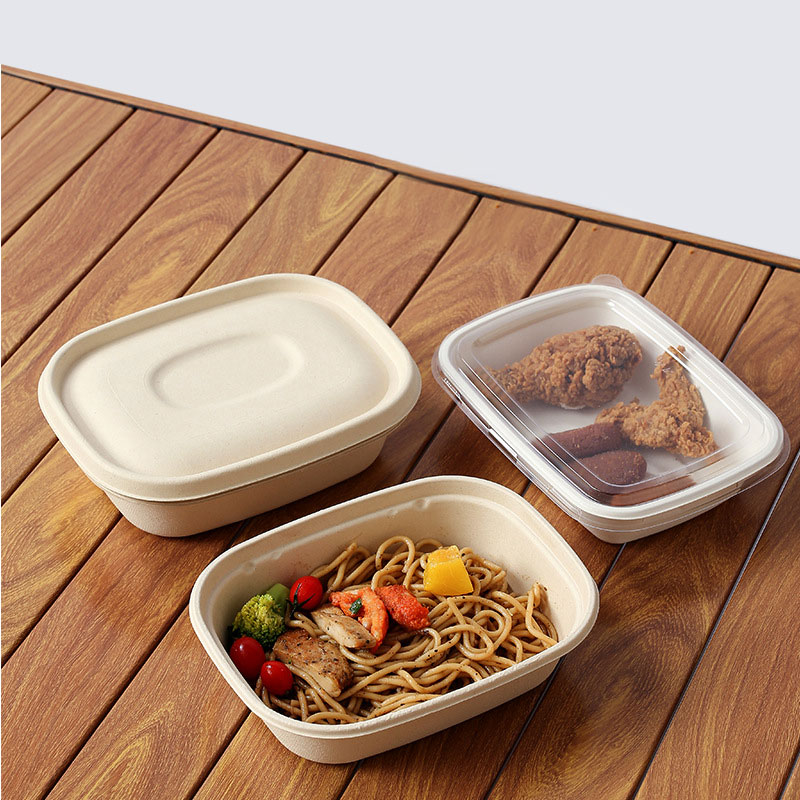
Sustainability initiatives: Brazil is focusing on biodegradable packaging materials, such as sugarcane bagasse and PLA, to replace traditional plastic packaging.
-
Recycling: Brazil is improving its waste management systems and pushing for increased use of recycled materials in food packaging.
DaShan plays a significant role in Brazil by supplying PLA and sugarcane bagasse packaging products, in compliance with the ANVISA standards.

6. Emerging Packaging Regulations in Africa
Africa is increasingly focusing on packaging regulations as part of its broader environmental sustainability goals. The South African Packaging Waste Management Strategy is one of the region’s most important regulatory frameworks.
South Africa’s Packaging Waste Strategy
-
Recycling laws: South Africa has introduced extended producer responsibility (EPR) laws to ensure that producers take responsibility for the end-of-life disposal of packaging materials.
-
Eco-friendly packaging: The demand for biodegradable and recyclable packaging solutions is on the rise in African countries, with materials like sugarcane bagasse gaining popularity.
DaShan can support African markets by providing environmentally friendly packaging solutions that comply with local waste management and recycling regulations.
7. Global Trends in Food Packaging Regulations
The future of food packaging is being shaped by global movements toward sustainability, recycling, and plastic reduction. Countries around the world are adopting more rigorous packaging regulations to meet environmental and safety goals.
Global Plastic Reduction Efforts
Countries are moving towards plastic bans, which has led to an increased interest in bioplastics, compostable packaging, and recycled materials.
-
Circular economy: More countries are adopting closed-loop systems, encouraging packaging recycling and reuse to reduce environmental impact.
-
Future packaging innovations: Advances in biodegradable materials like PLA and RPET are poised to play a crucial role in the next wave of sustainable food packaging.
DaShan is at the forefront of these innovations, producing sustainable food packaging solutions that align with global regulations and support the circular economy.
Conclusion
Food packaging regulations across the globe are evolving to prioritize food safety, sustainability, and environmental protection. Companies like DaShan are committed to meeting these ever-changing requirements by providing safe, biodegradable, and recyclable packaging solutions that align with the regulatory standards of FDA, EFSA, ANVISA, and other major organizations.
As global sustainability trends continue to evolve, DaShan remains focused on delivering high-quality, eco-friendly packaging solutions that not only comply with global regulations but also contribute to a greener future.
Frequently Asked Questions (FAQ)
-
What are the key regulations for food packaging in the US?
In the U.S., food packaging is regulated by the FDA (Food and Drug Administration). Key regulations include 21 CFR Part 170-199, which govern food contact substances (FCS). These regulations ensure that food packaging materials, such as PET, PLA, and CPET, do not leach harmful substances into food. Additionally, packaging materials must be tested for migration limits to guarantee they are safe for direct food contact.
-
How do EU regulations impact packaging material choices?
The European Union follows the EU Packaging and Packaging Waste Directive (94/62/EC), which mandates that packaging must be recyclable or reusable. This has led to an increased use of materials such as PLA, RPET, and sugarcane bagasse, which are more environmentally friendly. Additionally, EFSA (European Food Safety Authority) regulates food contact materials, ensuring they do not transfer harmful substances into food. The EU’s strong stance on plastic reduction and sustainability has spurred the use of biodegradable and recyclable packaging options.
-
What role does the FDA play in food packaging compliance?
The FDA plays a critical role in ensuring the safety of food packaging materials in the U.S. The agency oversees the approval of materials used for food packaging under the Food Contact Substances regulations. It evaluates the safety of substances used in packaging and ensures they do not pose health risks to consumers. Packaging manufacturers, like DaShan, must comply with these regulations by using approved materials and conducting migration testing.
-
What are the environmental requirements for food packaging in China?
China has specific GB standards (National Standards of China) for food packaging materials. These standards regulate food safety and recycling. Packaging materials such as PLA and RPET must meet these regulations to ensure they are safe for food contact. Additionally, China is increasingly focusing on biodegradable materials as part of its efforts to reduce plastic waste. The country is also promoting recycling programs and encouraging businesses to reduce the environmental impact of packaging materials.
-
How is Japan addressing the issue of food packaging waste?
Japan has some of the world’s most comprehensive recycling laws, including the Food Sanitation Act and Food Container and Packaging Regulations. These laws ensure that all food packaging materials must be free from harmful substances that could contaminate food. Japan is also a leader in packaging recycling and has one of the highest recycling rates globally. The country has been actively transitioning to bioplastics like PLA to reduce the reliance on traditional plastic materials. Additionally, DaShan’s PLA and RPET products comply with Japan’s strict environmental standards.
-
What materials are safe for food contact in European regulations?
European regulations, specifically those set by EFSA, dictate that food contact materials (FCMs) must be safe, non-toxic, and not transfer harmful chemicals into food. Materials like PET, PLA, and RPET are commonly used, as they meet these safety standards. PLA, in particular, is favored due to its biodegradable properties, and RPET is a sustainable choice because it uses recycled materials. The regulations ensure that only materials proven to be safe for direct contact with food are approved.
-
How does DaShan ensure compliance with global packaging standards?
DaShan ensures compliance with global food packaging regulations by adhering to the FDA, EFSA, ANVISA, and other international standards for food contact materials. We use only FDA-approved materials like PLA, RPET, and CPET, and conduct rigorous testing to ensure our packaging is safe for food use. Additionally, DaShan is committed to sustainability by using biodegradable, recyclable, and compostable materials in line with global environmental requirements.
-
What is the future of biodegradable food packaging worldwide?
The future of biodegradable food packaging looks promising as countries around the world increasingly shift towards eco-friendly alternatives. With growing concerns about plastic pollution, bioplastics like PLA, sugarcane bagasse, and starch-based packaging are expected to play a significant role. As more countries implement plastic bans and recycling initiatives, biodegradable materials will become more prominent. DaShan is at the forefront of this shift, offering PLA cups and RPET containers that meet both food safety and sustainability standards, helping businesses align with the circular economy.
References
-
FDA Food Contact Substances Regulations – FDA Regulations
-
EFSA Food Contact Materials – EFSA Guidelines
-
EU Packaging and Waste Directive – European Commission
-
ANVISA Packaging Standards – Brazilian Regulatory Agency
-
Japan Food Sanitation Act – Japan Ministry of Health
Copyright Statement
© 2025 Dashan Packing. All rights reserved.
This article is an original work created by the Dashan Packing editorial team.
All text, data, and images are the result of our independent research, industry experience,
and product development insights. Reproduction or redistribution of any part of this content
without written permission is strictly prohibited.
Dashan Packing is committed to providing accurate, evidence-based information and
to upholding transparency, originality, and compliance with global intellectual property standards.