

Quick Summary:
This article compares CPET (Crystallized Polyethylene Terephthalate) and aluminum foil trays as food packaging solutions. CPET stands out for its microwave safety, heat resistance, and sustainability with recyclable properties, while aluminum foil excels in heat conductivity but lacks microwave compatibility and environmental advantages. The post covers key differences in performance, cost, and environmental impact, helping businesses decide which packaging material best suits their needs.
Introduction
In the food packaging industry, both CPET (Crystallized Polyethylene Terephthalate) and aluminum foil trays have become popular choices for packaging prepared meals, takeout, and ready-to-eat food items. However, each material offers distinct benefits and limitations that impact its suitability for different applications. This blog post explores a comprehensive comparison between CPET and aluminum foil trays, focusing on key factors such as durability, sustainability, performance, and cost. We will also discuss the various advantages of CPET, including its microwave safety, environmentally friendly features, and customization options. Let’s dive into the details!
1. What is CPET?
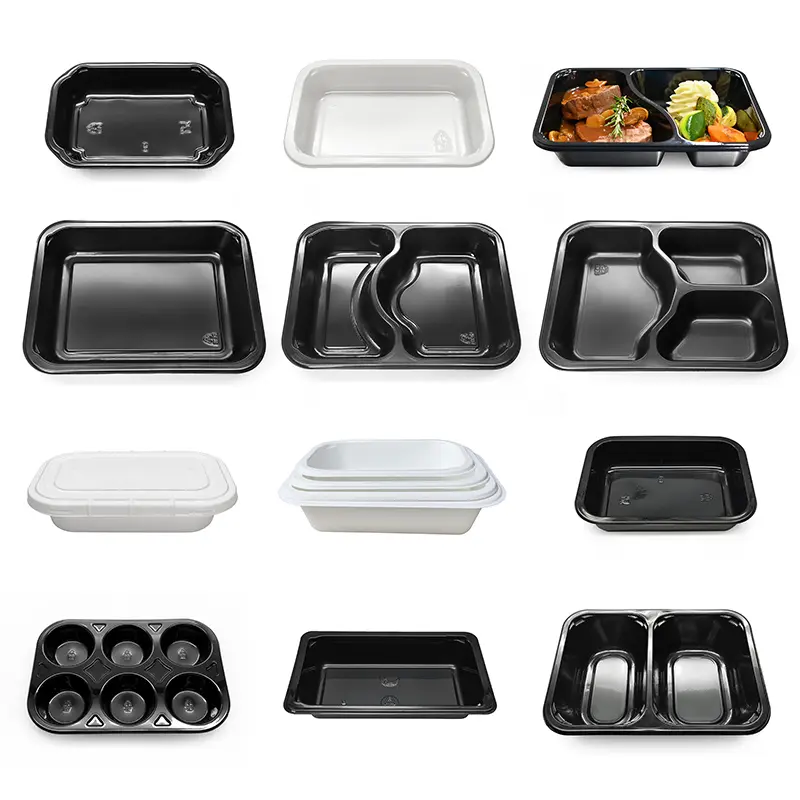
CPET (Crystallized Polyethylene Terephthalate) is a thermoplastic material derived from PET, known for its excellent heat resistance, durability, and recyclability. It is commonly used in food packaging because it is microwave-safe, offers a sturdy structure, and is highly resistant to both high and low temperatures.
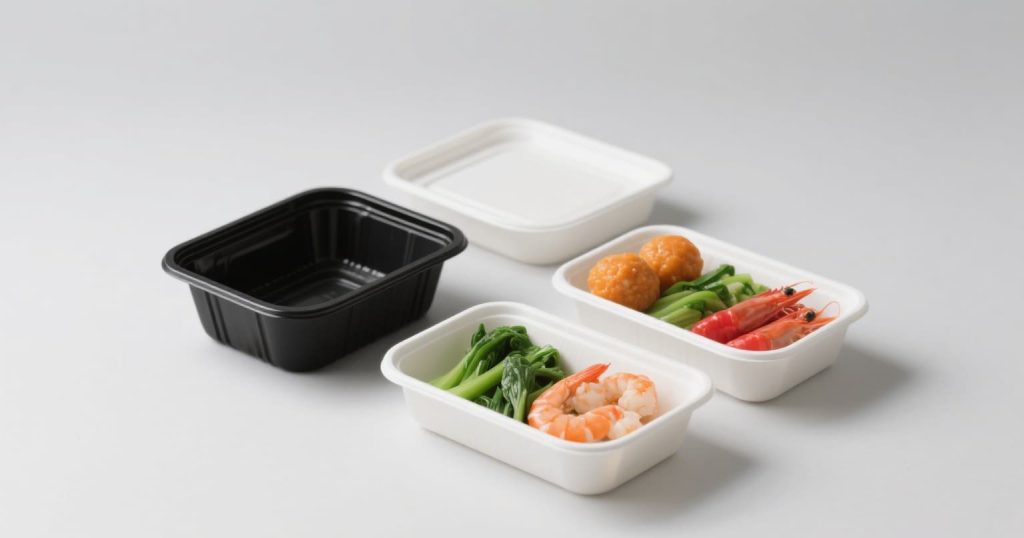
Unlike PET, which is often used for clear, transparent packaging, CPET comes in solid black or white colors. This characteristic makes CPET a versatile material for various food packaging applications where aesthetics and presentation are important, but transparency is not a requirement.
Key Properties of CPET:
-
Microwave-safe and heat-resistant
-
Available in black and white colors (not transparent)
-
Recyclable and eco-friendly
-
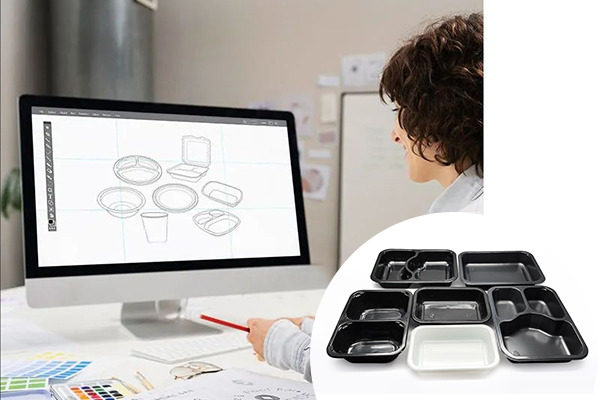
Customizable in terms of size, shape, and printing
-
Durable and resilient under various conditions

2. What are Aluminum Foil Trays?
Aluminum foil trays have been a staple in food packaging for decades. Made from lightweight aluminum, these trays are commonly used for cooking, baking, and storing food. Aluminum foil is known for its excellent heat conductivity, which makes it ideal for applications where direct heat is involved.
However, unlike CPET, aluminum foil trays are not microwave-safe due to the potential risk of sparking or damaging the microwave when subjected to heat. Despite this limitation, aluminum foil trays offer their own set of benefits, particularly in high-temperature cooking applications.
Key Properties of Aluminum Foil Trays:
-
Excellent heat conductivity
-
Lightweight and cost-effective
-
Not microwave-safe
-
Limited customization options (primarily standard silver color)
-
Not as eco-friendly as CPET (less recyclable)
3. Advantages of CPET
3.1 Heat Resistance and Microwave Safety
One of the standout features of CPET is its ability to withstand high temperatures, making it an ideal choice for both cooking and reheating. It is microwave-safe, which means it can go straight from the fridge to the microwave without the risk of melting or degrading, something that aluminum foil trays cannot do. This makes CPET particularly suitable for ready-to-eat meals, pre-packaged food, and take-out containers.
3.2 Environmental Benefits
CPET is considered more eco-friendly than aluminum foil trays. It is made from recyclable PET, which is one of the most widely recycled plastics globally. Additionally, CPET is designed to be more sustainable over its lifecycle compared to aluminum foil, which has a higher environmental footprint in terms of energy usage during production. While both materials are recyclable, CPET offers a lower carbon footprint in its production and is more widely accepted in curbside recycling programs.
3.3 Customization and Aesthetic Appeal
Though CPET is not transparent, it is available in black and white colors, which can complement a wide range of food products and packaging styles. These colors are versatile and can fit into premium or minimalist branding strategies. CPET trays can also be customized with printed logos, designs, or embossed patterns, offering brands the ability to differentiate their packaging.
3.4 Durability
CPET is designed to withstand the rigors of both freezing and reheating. It can maintain its structural integrity even under extreme temperatures, making it ideal for both frozen and microwaveable food products. This resilience is a significant advantage over aluminum foil trays, which can easily tear or warp under heat.
4. Advantages of Aluminum Foil Trays
4.1 Heat Conductivity
One of the major benefits of aluminum foil trays is their excellent heat conductivity. This makes them an ideal choice for food that needs to be baked, roasted, or grilled. Aluminum foil trays ensure even heat distribution, preventing hot spots and uneven cooking, which is why they are widely used in the foodservice industry.
4.2 Cost-Effectiveness
Aluminum foil trays tend to be cheaper than CPET packaging. This lower production cost makes them a popular choice for businesses looking to save on packaging expenses, particularly for disposable, one-time-use applications.
4.3 Versatility in Cooking
Aluminum foil is a highly versatile material in cooking. It can be used for grilling, baking, and even freezing. Its ability to handle direct heat makes it perfect for applications in ovens and grills.
5. CPET vs Aluminum Foil Trays: Key Comparisons
| Feature | CPET | Aluminum Foil Trays |
|---|---|---|
| Heat Resistance | High, microwave-safe | Excellent for oven use |
| Microwave Safe | Yes | No |
| Recyclability | Recyclable, eco-friendly | Less recyclable, higher energy cost |
| Customization | Available in black and white, custom printing possible | Limited customization, standard color |
| Durability | High, resists cracking, warping | Can tear or warp, especially at high heat |
| Environmental Impact | Lower carbon footprint, recyclable | Higher carbon footprint during production |
| Cost | More expensive | Cost-effective |
6. Applications of CPET in the Market
6.1 Foodservice and Catering
CPET is a popular choice for catering services, airlines, and restaurants due to its ability to maintain food quality during transportation and reheating. The microwave-safe nature of CPET trays makes them ideal for ready-to-eat meals that can be conveniently reheated in microwave ovens.
6.2 Retail Packaging
CPET’s durability and customizable options have made it a favorite in the retail market. It is commonly used for pre-packaged meals, salads, snacks, and frozen foods. Since CPET is microwave-safe and visually appealing (in black and white), it appeals to consumers who value convenience and quality.
6.3 Premium Food Packaging
CPET’s solid black and white colors lend themselves well to premium food packaging. The colors provide a sleek, modern look that appeals to upscale brands, and the option to print logos and designs allows companies to enhance their brand image.
7. Challenges of CPET and Aluminum Foil Trays
7.1 CPET Challenges
-
Not transparent: While the black and white options are appealing, the lack of transparency may not be suitable for all products, especially those that benefit from visibility (e.g., salads, fresh meals).
-
Higher cost: CPET can be more expensive to produce compared to aluminum foil trays, particularly when considering customization.
7.2 Aluminum Foil Tray Challenges
-
Not microwave-safe: This limits its applications for products that require reheating.
-
Environmental concerns: Aluminum production is energy-intensive, and while the trays are recyclable, the recycling rates are lower compared to CPET.
8. FAQs
-
Q1: Can CPET containers be recycled?
Yes, CPET containers are recyclable and can be processed in most PET recycling programs. -
Q2: Why aren’t aluminum foil trays microwave-safe?
Aluminum foil trays can cause sparks in a microwave, which can damage the microwave and cause a fire hazard. -
Q3: How does CPET compare to PET?
CPET has a higher heat resistance than PET, making it suitable for microwave use and hot food applications. -
Q4: Are there any health concerns with CPET packaging?
CPET is considered safe for food contact and does not release harmful chemicals when used correctly. -
Q5: Can CPET withstand high temperatures in cooking?
Yes, CPET is heat-resistant and can be used in both freezing and microwave reheating without warping. -
Q6: Why is CPET a better choice for sustainable food packaging?
CPET is more recyclable and has a lower carbon footprint during production compared to aluminum foil trays. -
Q7: What are the customization options for CPET packaging?
CPET trays can be customized in terms of size, color (black and white), and branding (printing and embossing).
9. Conclusion
Both CPET and aluminum foil trays offer distinct benefits in the food packaging industry. CPET, with its microwave safety, environmental benefits, and customization options (black and white colors), provides a more sustainable and versatile solution compared to aluminum foil trays. While aluminum foil trays still have their place in specific applications due to their cost-effectiveness and heat conductivity, CPET stands out as the better option for companies looking to provide high-quality, microwave-safe, and environmentally friendly food packaging.
References
-
Sustainable Packaging Coalition www.sustainablepackaging.org
-
PET vs. CPET Packaging Study www.packagingdigest.com
-
Aluminum Foil and Sustainability www.foilpackaging.org
Copyright Statement
© 2026 Dashan Packing. All rights reserved.
This article is an original work created by the Dashan Packing editorial team.
All text, data, and images are the result of our independent research, industry experience,
and product development insights. Reproduction or redistribution of any part of this content
without written permission is strictly prohibited.
Dashan Packing is committed to providing accurate, evidence-based information and
to upholding transparency, originality, and compliance with global intellectual property standards.