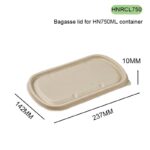
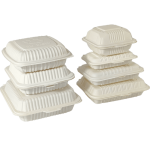
Dubai, a city known for its modernity, innovation, and luxury, is also increasingly becoming a hub for sustainable practices. Among these practices, eco-friendly packaging has gained significant traction, particularly in the food industry. One such packaging material that has captured the attention of businesses and consumers alike is sugarcane bagasse. This biodegradable material, made from the fiber left over after extracting juice from sugarcane, is finding its place in various forms of food packaging. From hinged boxes to bowls and plates, sugarcane bagasse packaging has emerged as a sustainable alternative to traditional plastic options in Dubai’s foodservice sector.
1. The Environmental Impact of Sugarcane Bagasse in Dubai’s Packaging Industry
Dubai’s rapid growth has not come without its environmental challenges. With the rising population and an influx of tourists, the demand for disposable food packaging has surged. However, this has also led to an increase in plastic waste, which contributes to environmental pollution, particularly in landfills and oceans. According to the Dubai Municipality, nearly 3.5 million tons of waste are generated annually in the city, and plastic waste forms a significant portion of this.
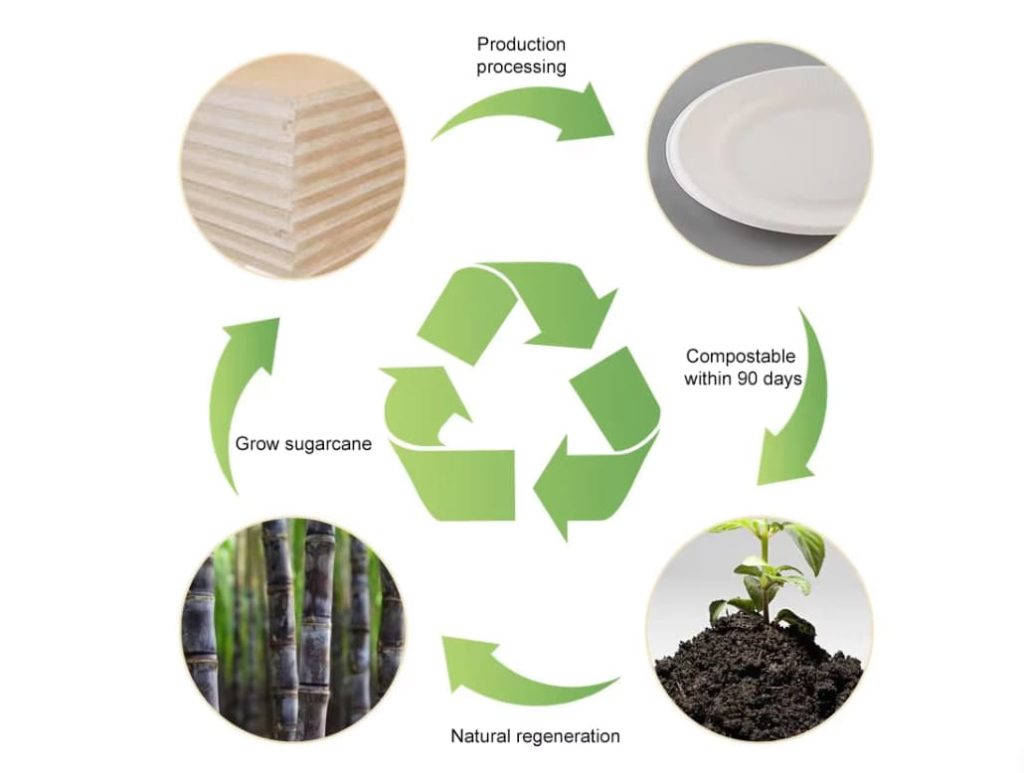
Sugarcane bagasse, however, is a promising alternative. Being biodegradable, it breaks down naturally, unlike plastic packaging, which can take hundreds of years to decompose. The use of sugarcane bagasse packaging has the potential to significantly reduce the environmental impact of packaging waste in Dubai. As Dubai aims to achieve sustainability goals, the adoption of such materials aligns with both local and global environmental commitments.
Key Benefits of Sugarcane Bagasse Packaging:
-
Biodegradable: Sugarcane bagasse packaging decomposes within 60-90 days under proper conditions, reducing long-term waste.
-
Compostable: It can be composted along with organic waste, providing a viable recycling solution.
-
Non-toxic: Unlike some plastic packaging, sugarcane bagasse is free from harmful chemicals, making it safe for food contact.
-
Renewable resource: Sugarcane is a renewable crop, making this packaging an eco-friendly, sustainable choice.
2. Market Demand for Eco-friendly Packaging Materials in Dubai
Dubai’s growing concern about environmental issues is evident in its push for sustainability across industries, including foodservice and packaging. The city’s commitment to sustainable development is encapsulated in its Dubai Clean Energy Strategy 2050, which aims to make Dubai a global leader in clean energy and green economy. As part of this broader initiative, eco-friendly packaging has become a key focus area.
Rising Popularity of Sugarcane Bagasse Packaging:
In recent years, the demand for sustainable food packaging materials has seen a sharp rise in Dubai, driven by both consumer demand and government regulations. Consumers, especially the younger demographic, are becoming more conscious of environmental issues and prefer businesses that adopt green practices. Additionally, foodservice providers are increasingly recognizing the importance of adopting packaging materials that align with sustainability trends.
The shift towards sugarcane bagasse packaging is further supported by global trends in packaging innovation. Dubai, being a hub for international trade and commerce, is heavily influenced by such trends. According to a 2021 market report by Research and Markets, the sugarcane bagasse packaging market is expected to grow by 5% annually in the Middle East region, driven by the demand for biodegradable packaging solutions.
3. Government Policies and Regulations in Dubai Surrounding Sustainable Packaging
The Dubai government has implemented a series of policies to encourage the use of sustainable materials in packaging. This includes the ban on single-use plastics in various sectors, such as foodservice, retail, and hospitality, which has significantly boosted the demand for eco-friendly alternatives like sugarcane bagasse.
Key Regulations:
-
Ban on Single-Use Plastics: Dubai has introduced measures to phase out single-use plastics in favor of eco-friendly packaging solutions.
-
Dubai Clean Energy Strategy 2050: This initiative focuses on reducing the environmental footprint of all sectors, including packaging.
-
Waste Management Policies: Dubai has invested in advanced waste management systems that encourage the recycling of organic and biodegradable waste, facilitating the adoption of compostable packaging materials like sugarcane bagasse.
These regulations have created a favorable market environment for sugarcane bagasse packaging. Many foodservice businesses are now actively seeking sustainable packaging alternatives to comply with government policies while meeting consumer expectations.
4. Benefits and Challenges of Sugarcane Bagasse Food Packaging
Benefits:
-
Durability and Strength: Sugarcane bagasse packaging is strong enough to hold various types of food without leaking or compromising quality.
-
Temperature Resistance: It can withstand both hot and cold food products, making it versatile for different food types.
-
Attractive Aesthetic: With its natural, earthy appearance, sugarcane bagasse adds an organic touch to food packaging, which is appealing to eco-conscious consumers.
Challenges:
-
Cost: While sugarcane bagasse is an eco-friendly alternative, its cost can be higher than traditional plastic packaging, which may deter some businesses from switching.
-
Availability: Although the material is available in many regions, securing a consistent and high-quality supply of sugarcane bagasse packaging can sometimes be challenging.
5. Consumer Preferences for Sugarcane Bagasse Packaging in Dubai
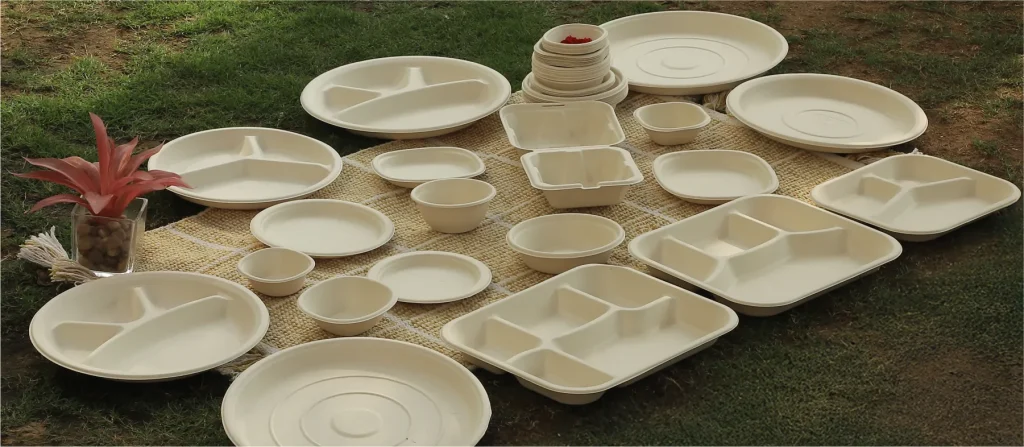
Dubai’s diverse population has distinct preferences when it comes to food packaging, with a growing emphasis on sustainability. Sugarcane bagasse is particularly popular for several types of food packaging, especially those used in takeaway and fast food industries. Among the most preferred options are sugarcane bagasse hinged boxes, bowls, and plates.
Types of Sugarcane Bagasse Packaging Popular in Dubai:
-
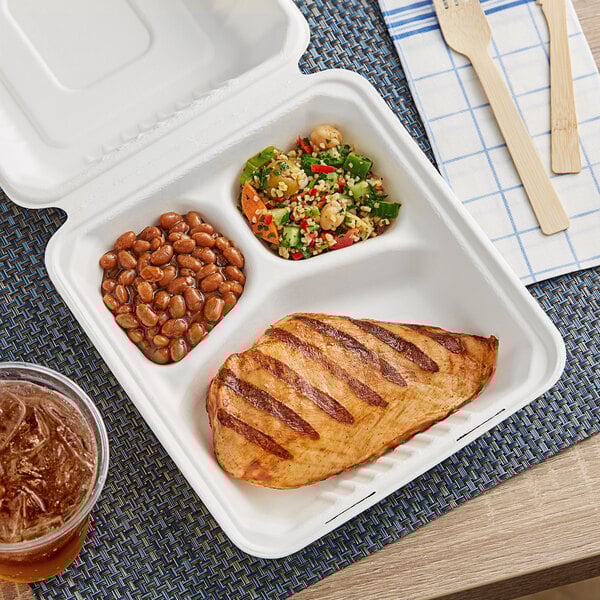
Sugarcane Bagasse Hinged Boxes: These are particularly favored for takeaway food, as they provide excellent insulation and durability. They are perfect for packaging a variety of foods, from salads and pasta to burgers and snacks. The hinged design also makes them convenient for consumers.
-
Sugarcane Bagasse Bowls: Bowls made from sugarcane bagasse are popular for soups, salads, and rice-based dishes. Their sturdy nature and ability to handle both hot and cold foods make them a versatile option in the foodservice industry.
-
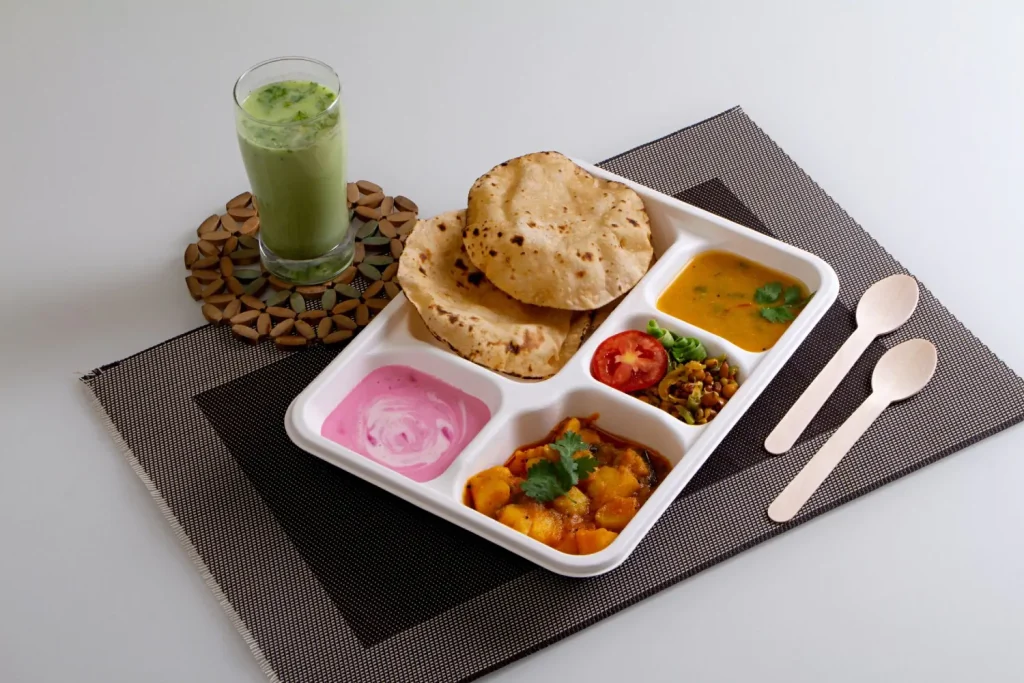
Sugarcane Bagasse Plates: Plates made from sugarcane bagasse are commonly used for both takeaway and in-store dining experiences. They are particularly preferred for serving light meals and snacks, such as sandwiches, snacks, or desserts. The biodegradability of these plates appeals to consumers who are increasingly seeking out eco-friendly products.
Design Preferences:
Consumers in Dubai tend to prefer packaging that is not only eco-friendly but also visually appealing. Packaging made from sugarcane bagasse offers an attractive natural look that aligns with the growing trend of organic and rustic aesthetics in food packaging.
Data and Trends:
According to a 2021 survey by Dubai’s Department of Economic Development (DED), over 75% of food consumers in Dubai consider the sustainability of packaging when making purchase decisions. Among these consumers, over 50% specifically prefer food packaging that is biodegradable, with sugarcane bagasse being one of the most favored materials.
6. Comparative Analysis Between Sugarcane Bagasse and Other Packaging Materials
While sugarcane bagasse is gaining popularity, it is important to understand how it compares to other common materials such as plastic, paper, and styrofoam. Here’s a quick comparison:
| Material | Biodegradability | Strength | Cost | Environmental Impact |
|---|---|---|---|---|
| Sugarcane Bagasse | Yes (within 60-90 days) | High | Moderate | Low (sustainable) |
| Plastic | No | High | Low | High (pollution) |
| Paper | Yes | Moderate | Moderate | Moderate (deforestation concerns) |
| Styrofoam | No | High | Low | Very High (non-recyclable) |
7. Future Outlook of Sustainable Packaging in Dubai
As Dubai continues to focus on sustainability, it is expected that the demand for eco-friendly packaging like sugarcane bagasse will only increase. The city’s commitment to environmental responsibility, along with the support from government policies and regulations, will encourage more foodservice providers to adopt sustainable materials. With growing consumer demand for green packaging, the future of sugarcane bagasse packaging in Dubai looks promising, offering significant opportunities for businesses to align with both local and global sustainability goals.
8. Summary
Dubai is rapidly becoming a leader in sustainable practices, and this extends to its foodservice sector, where sugarcane bagasse packaging has emerged as a highly favored alternative to traditional plastic packaging. With growing concerns about environmental issues and waste management, sugarcane bagasse presents a viable solution due to its biodegradable, compostable, and renewable nature. Dubai’s push for eco-friendly packaging aligns with both local regulations, such as the ban on single-use plastics, and global sustainability trends. As the demand for more sustainable alternatives grows, businesses in Dubai are increasingly turning to sugarcane bagasse hinged boxes, bowls, and plates to meet consumer preferences for green packaging solutions.
The future of sugarcane bagasse packaging in Dubai looks bright, as government initiatives, consumer demand, and sustainability goals converge to make eco-friendly packaging a key part of the city’s foodservice landscape. While there are challenges such as cost and availability, the benefits—both environmentally and commercially—are significant, making sugarcane bagasse packaging a critical component of Dubai’s sustainable future.
9. FAQ (Frequently Asked Questions)
1. What is sugarcane bagasse?
Sugarcane bagasse is the fibrous residue left after the juice is extracted from sugarcane. This waste material is then processed into biodegradable packaging products such as food containers, plates, and bowls.
2. Is sugarcane bagasse packaging biodegradable?
Yes, sugarcane bagasse packaging is completely biodegradable, typically decomposing within 60-90 days when exposed to natural conditions, making it a sustainable alternative to plastic.
3. Why is sugarcane bagasse popular in Dubai’s foodservice industry?
Dubai is committed to reducing waste and supporting sustainability. Sugarcane bagasse offers a compostable and biodegradable alternative to plastic, which aligns with the city’s eco-friendly packaging goals and the growing demand from consumers for environmentally responsible products.
4. What types of sugarcane bagasse packaging are popular in Dubai?
In Dubai, the most popular sugarcane bagasse packaging options include hinged boxes, bowls, and plates. These products are favored for their strength, biodegradability, and ability to handle both hot and cold foods.
5. How does sugarcane bagasse compare to other packaging materials?
Sugarcane bagasse is biodegradable and compostable, unlike plastic and styrofoam, which are harmful to the environment. Compared to paper, bagasse has a lower environmental impact, as it is derived from a renewable resource—sugarcane—and is more durable and resistant to grease and liquids.
6. Are there any challenges to using sugarcane bagasse packaging in Dubai?
While sugarcane bagasse packaging is an excellent eco-friendly option, its cost can be higher than conventional plastic packaging. Additionally, ensuring a consistent supply of high-quality bagasse products can sometimes be challenging.
10. References
-
Dubai Municipality. (2020). Annual Waste Management Report. Dubai, UAE.
-
Research and Markets. (2021). Middle East Sugarcane Bagasse Packaging Market Growth and Trends.
-
Dubai Department of Economic Development (DED). (2021). Consumer Preferences for Eco-Friendly Packaging. Dubai, UAE.
-
Dubai Clean Energy Strategy 2050. (2021). Sustainability Goals and Government Initiatives.
-
Gulf News. (2021). Rise in Demand for Biodegradable Packaging in UAE.
Copyright Statement
© 2025 Dashan Packing. All rights reserved.
This article is an original work created by the Dashan Packing editorial team.
All text, data, and images are the result of our independent research, industry experience,
and product development insights. Reproduction or redistribution of any part of this content
without written permission is strictly prohibited.
Dashan Packing is committed to providing accurate, evidence-based information and
to upholding transparency, originality, and compliance with global intellectual property standards.