

Understanding PFAS-Free Compostable Packaging, Food Safety, and the Future of Sustainable Foodservice Products
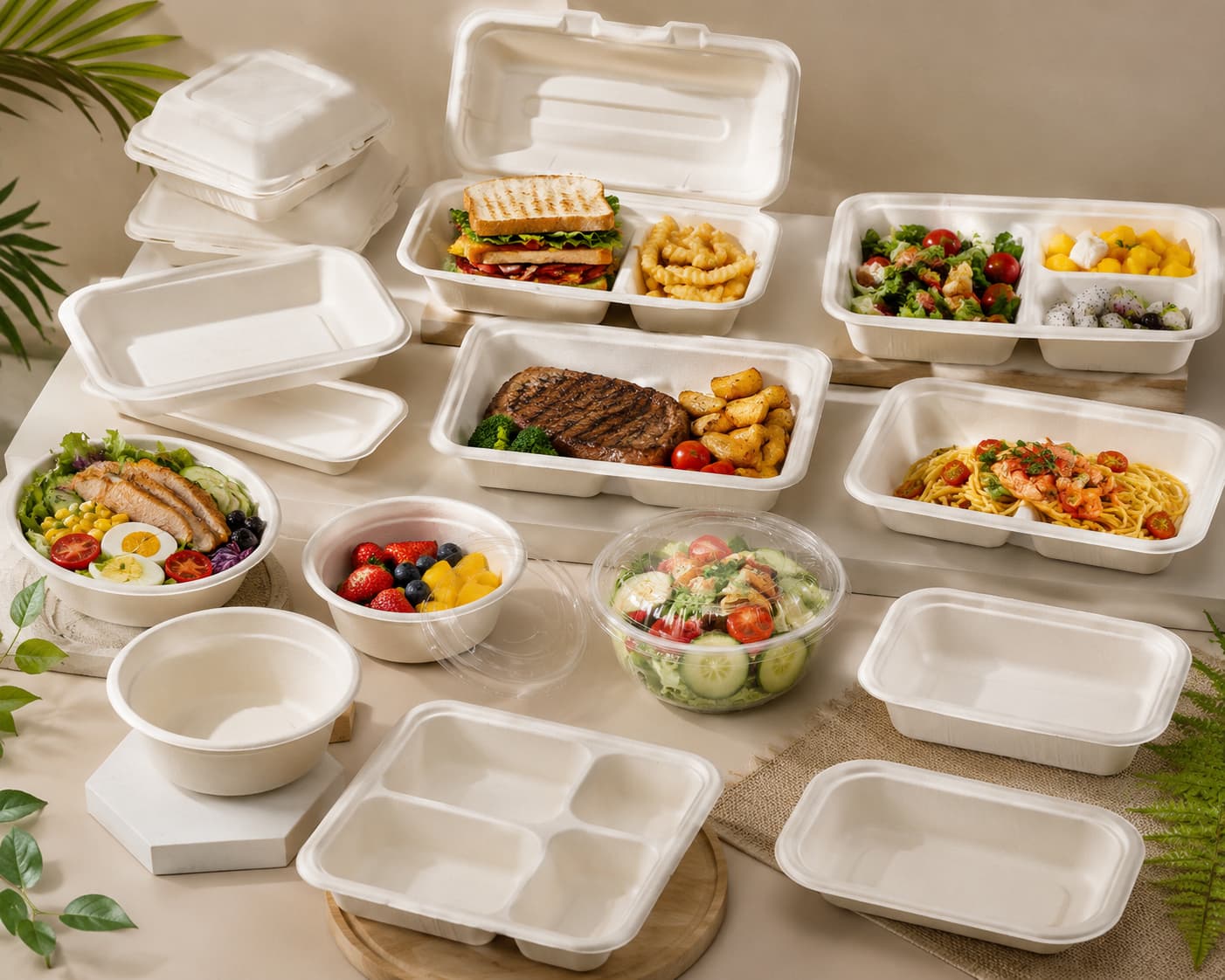
As sustainability becomes one of the most important priorities in the global food packaging industry, compostable food containers, biodegradable tableware, PLA cups, sugarcane bagasse trays, and molded fiber packaging are rapidly replacing traditional single-use plastics in many foodservice applications. Restaurants, coffee chains, supermarkets, airline caterers, food delivery platforms, and environmentally conscious consumers are all pushing the market toward greener packaging alternatives that promise lower environmental impact and improved sustainability performance.
However, as compostable packaging has become more popular, another important issue has entered public discussion: PFAS contamination.
Consumers, regulators, environmental organizations, and foodservice buyers are increasingly asking difficult questions about what is actually inside compostable packaging products. Many people assume that if a product is labeled “compostable” or “eco-friendly,” it must automatically be completely safe and environmentally harmless. Unfortunately, the reality is more complicated.
Some food packaging products marketed as compostable in the past were found to contain intentionally added PFAS chemicals, particularly in grease-resistant applications such as burger wrappers, molded fiber bowls, paper food containers, microwave food trays, and takeaway packaging. These discoveries created major concerns about food safety, chemical migration, environmental persistence, and long-term human health risks.
As awareness of PFAS has grown globally, certification systems have become much stricter. Today, major compostability certification organizations such as BPI have implemented strict rules banning intentionally added PFAS from certified compostable packaging products. Modern certification systems now require fluorine testing and strict chemical screening before products can receive certification approval.
For foodservice brands, importers, packaging distributors, and environmentally conscious consumers, understanding the relationship between compostable packaging, PFAS, and BPI certification is now extremely important. Companies must ensure their packaging solutions are not only compostable and sustainable, but also compliant with food safety regulations and chemical safety standards.
This article explores in depth what PFAS actually are, why they became controversial in food packaging, how BPI certification addresses PFAS concerns, how compostable packaging is tested, what fluorine limits mean, how global regulations are evolving, and why PFAS-free compostable packaging is becoming the future of sustainable foodservice packaging worldwide.
What Are PFAS and Why Are They Called “Forever Chemicals”?
PFAS stands for Per- and Polyfluoroalkyl Substances, a large group of synthetic chemicals that have been widely used in industrial and consumer products for decades. These chemicals became extremely popular because of their unique ability to resist water, grease, oil, stains, and heat.
Manufacturers historically used PFAS in a wide range of products including non-stick cookware, waterproof textiles, firefighting foam, industrial coatings, cosmetics, electronics, and food packaging. In the packaging industry specifically, PFAS were often added to paper-based food packaging products to improve grease resistance and prevent leakage.
For example, oily foods such as burgers, fried chicken, noodles, pizza, pastries, and takeaway meals can quickly penetrate untreated paper packaging. PFAS coatings helped prevent this oil absorption while maintaining the structural strength of the packaging.
At first, PFAS appeared highly effective and commercially valuable. However, scientists later discovered a major problem: these chemicals break down extremely slowly in the environment.
Many PFAS compounds can remain in soil, water, wildlife, and human bodies for years or even decades without fully degrading. Because of this environmental persistence, PFAS became known globally as “forever chemicals.”
Unlike many natural substances that eventually decompose through biological or environmental processes, PFAS are chemically very stable due to the extremely strong carbon-fluorine bonds within their molecular structure. This stability is one reason PFAS were so commercially useful, but it is also the reason they became such a major environmental concern.
Over time, researchers found PFAS contamination in rivers, groundwater, drinking water systems, oceans, wildlife, food chains, and even human blood samples around the world. This discovery triggered intense global concern about long-term environmental accumulation and potential human health effects.
Today, PFAS contamination is considered one of the most important emerging environmental and chemical safety issues in the modern packaging industry.
Why PFAS Became a Major Concern in Food Packaging
The concern surrounding PFAS in food packaging is closely connected to the possibility of chemical migration from packaging materials into food products.
Food packaging often comes into direct contact with hot foods, oily foods, acidic foods, or microwave heating conditions. Under certain circumstances, chemicals used in packaging materials may transfer into the food itself. This process is known as migration.
Because PFAS were frequently used in grease-resistant food packaging applications, researchers and regulators began investigating whether these chemicals could migrate into food products during normal consumer use.
Scientific studies found that certain PFAS compounds could indeed transfer from packaging materials into food, especially when exposed to heat, grease, or long contact times. This raised serious concerns because some PFAS substances have been linked to potential health risks in ongoing scientific research.
Although the scientific understanding of PFAS health effects continues evolving, some studies have associated certain PFAS exposures with possible impacts related to immune system function, hormone regulation, liver health, developmental processes, and other biological systems.
As a result, governments, environmental organizations, and consumers began demanding stricter control over PFAS use in food-contact materials.
Public concern intensified further because PFAS contamination extends beyond food packaging itself. Once PFAS-containing products enter landfills, compost systems, wastewater systems, or natural environments, the chemicals may continue circulating for extremely long periods. This creates broader environmental concerns related to soil contamination, groundwater pollution, and ecosystem accumulation.
For compostable packaging specifically, the issue became even more sensitive. Consumers expected compostable products to represent environmentally responsible alternatives to plastic. Discovering PFAS inside some compostable products created major criticism because it contradicted the environmental image associated with sustainable packaging.
This controversy became a turning point for the compostable packaging industry and significantly accelerated the movement toward PFAS-free certification standards.
What Is BPI Certification?
BPI stands for the Biodegradable Products Institute, one of the most recognized compostability certification organizations in North America.
BPI certification is designed to verify that compostable products meet strict industrial compostability standards and can break down safely within commercial composting systems without leaving harmful residues behind.
To achieve BPI certification, packaging products must undergo extensive testing according to internationally recognized standards such as ASTM D6400 or ASTM D6868. These standards evaluate whether a product can properly biodegrade and disintegrate during industrial composting processes.
The certification process examines several important factors including:
- Biodegradation performance
- Compost disintegration behavior
- Heavy metal limitations
- Ecotoxicity testing
- Chemical safety requirements
- Compost quality impact
In recent years, BPI significantly strengthened its chemical safety requirements by introducing strict PFAS restrictions for certified products.
This policy change reflected growing scientific concern and consumer awareness surrounding forever chemicals in food packaging applications.
Today, products seeking BPI certification cannot intentionally contain added PFAS chemistry.
Does BPI Certified Compostable Packaging Contain PFAS?
One of the most important developments in sustainable food packaging is that modern BPI-certified compostable packaging is now subject to strict PFAS limitations.
BPI officially prohibits intentionally added PFAS in certified products. In addition, products must undergo fluorine testing to verify compliance with strict chemical screening requirements.
Generally, total fluorine levels must remain below 100 parts per million in order to meet BPI certification criteria. Fluorine testing is used because PFAS compounds contain strong fluorinated chemical structures. Elevated fluorine levels may indicate the presence of fluorinated chemistry associated with PFAS materials.
This testing requirement significantly reduces the likelihood that certified compostable packaging contains intentionally added forever chemicals.
The phrase “intentionally added PFAS” is especially important. It means manufacturers are not permitted to deliberately use PFAS chemistry as part of the packaging formulation, coating system, barrier treatment, or manufacturing design.
Because trace environmental contamination can sometimes exist at extremely low background levels, regulatory systems often focus specifically on intentionally added PFAS rather than absolute zero detection. However, strict fluorine limits still create strong controls that greatly reduce PFAS presence in certified products.
For foodservice buyers, retailers, importers, and consumers, BPI certification therefore provides an important layer of confidence regarding compostability and PFAS management.
Why Fluorine Testing Matters in Compostable Packaging
Fluorine testing has become one of the most important tools used to identify potential PFAS contamination in food packaging products.
PFAS chemicals are built using carbon-fluorine bonds, one of the strongest chemical bonds in organic chemistry. Because of this, fluorine can serve as an indicator that fluorinated compounds may be present within a material.
Testing laboratories often use total organic fluorine analysis as a screening method for PFAS-related contamination. If fluorine levels exceed certain thresholds, additional investigation may be required to determine whether prohibited PFAS substances are present.
The 100 ppm fluorine threshold used by BPI represents a strict screening limit designed to prevent intentional PFAS use in certified compostable products.
This approach helps protect not only consumers, but also composting systems themselves. Compost contaminated with PFAS could potentially spread forever chemicals into agricultural soils, plants, groundwater systems, and broader ecosystems.
Because compostable packaging is specifically designed to enter organic waste streams, preventing chemical contamination is critically important for maintaining the environmental integrity of composting systems.

Why PFAS-Free Packaging Is Becoming a Global Packaging Priority
The movement toward PFAS-free packaging is no longer limited to environmental activists or niche sustainability markets. It is rapidly becoming mainstream across the global food packaging industry.
Governments worldwide are introducing stricter regulations related to PFAS use in food-contact materials. Several U.S. states have already implemented laws restricting PFAS in food packaging applications. European regulators are also moving toward broader chemical restrictions involving fluorinated substances.
Major foodservice chains, supermarkets, coffee brands, and multinational restaurant companies are increasingly adopting internal PFAS-free packaging policies as part of their sustainability commitments.
Consumer awareness is also growing rapidly. Many customers now actively look for packaging products labeled:
- PFAS-free
- Compostable
- Certified compostable
- Fluorine-free
- Sustainable packaging
- Plastic-free alternatives
This growing awareness is transforming packaging procurement decisions across the foodservice industry.
Companies now understand that sustainability claims alone are no longer sufficient. Buyers increasingly expect proof of certification, chemical safety compliance, and transparent environmental standards.
The Challenge of Grease Resistance Without PFAS
One reason PFAS became so common in food packaging is because they provided highly effective grease resistance.
Foods such as fried chicken, noodles, burgers, curries, pastries, sauces, and takeaway meals create serious oil penetration challenges for paper-based packaging materials. Without barrier protection, grease can weaken packaging structure, leak through surfaces, or reduce product performance.
As PFAS restrictions increase, packaging manufacturers must develop alternative barrier technologies that maintain performance without using forever chemicals.
This has become one of the largest technical challenges in sustainable packaging development.
Manufacturers are now investing heavily in:
- Water-based barrier coatings
- Bio-based coatings
- PLA laminations
- Modified starch coatings
- Clay coatings
- Mechanical barrier technologies
- Multi-layer fiber structures
The goal is to create packaging that remains compostable, food-safe, grease-resistant, and environmentally responsible simultaneously.
Although replacing PFAS completely is technically challenging in some applications, innovation in barrier coating technology is advancing rapidly.
Compostable Packaging Materials That Commonly Avoid PFAS
Many compostable packaging products today are designed specifically to avoid fluorinated chemistry altogether.
These materials may include:
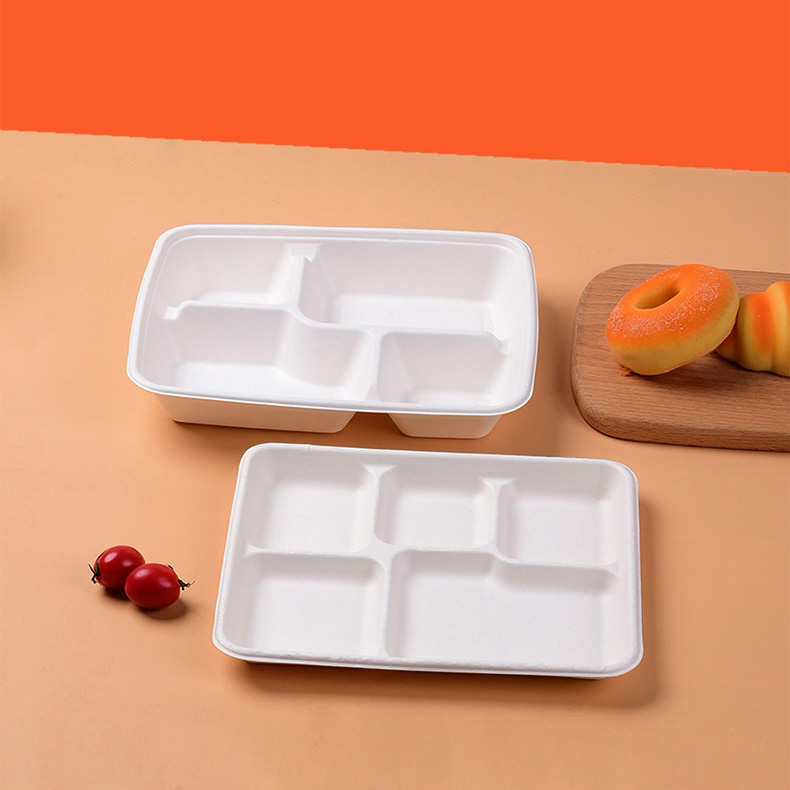
- Sugarcane bagasse tableware
- PLA cups and lids
- Cornstarch food containers
- Molded fiber trays
- Bamboo fiber packaging
- Compostable cutlery
- CPLA lids
- Compostable cold drink cups
However, not all compostable products are automatically PFAS-free. Certification and supplier verification remain extremely important.
Foodservice companies should always request:
- BPI certification documentation
- Fluorine testing reports
- Food-contact compliance certificates
- Material specifications
- PFAS declarations
Responsible packaging sourcing now requires much deeper chemical transparency than in previous years.
How DaShan Supports Sustainable Food Packaging Development
DaShan specializes in sustainable food packaging solutions designed for modern foodservice, retail, takeaway, and global packaging markets.
Our product portfolio includes:
- PLA cold drink cups
- Sugarcane bagasse food containers
- Compostable tableware
- PET and RPET food packaging
- Thermoformed food trays
- Customized OEM packaging solutions
We understand that today’s packaging industry requires more than basic functionality. Buyers increasingly demand transparency, food safety, sustainability compliance, and environmentally responsible material development.
DaShan focuses on helping global customers develop packaging solutions that balance performance, branding, environmental goals, and food-contact safety standards.
The Future of Compostable Packaging and PFAS Regulation
The future packaging industry is moving toward stricter chemical transparency, stronger sustainability standards, and more comprehensive environmental accountability.
PFAS regulation will likely continue expanding globally as governments strengthen restrictions on forever chemicals in food-contact applications.
At the same time, compostable packaging technologies will continue evolving toward safer, cleaner, and more environmentally responsible material systems.
Future packaging innovation will likely focus on:
- PFAS-free grease barriers
- Improved compostability
- Bio-based material development
- Advanced fiber technologies
- Circular packaging systems
- Lower-carbon manufacturing
- Safer food-contact chemistry
Consumers are no longer evaluating packaging based only on appearance or convenience. Increasingly, they want to understand what materials are used, how products are manufactured, whether chemicals are present, and what environmental impact packaging creates after disposal.
This shift is fundamentally transforming the packaging industry worldwide.
Companies that prioritize transparency, sustainability, certification compliance, and safer chemistry will likely become the long-term leaders in the future food packaging market.