

Quick Summary
PLA cups can compost, but usually only in industrial composting facilities with controlled heat and processing conditions. In many real-world environments, PLA packaging may not break down effectively due to limited composting infrastructure and improper disposal. As sustainability discussions evolve in 2026, businesses are increasingly evaluating packaging based on practical environmental outcomes rather than simple “compostable” marketing claims.
Over the past few years, compostable packaging has become one of the most talked-about topics in the global foodservice industry. From cafés and bubble tea shops to restaurants and takeaway brands, businesses are increasingly searching for packaging solutions that appear more environmentally responsible than traditional plastics.
Among the many alternatives introduced into the market, PLA cups quickly became one of the most recognizable options. They are commonly promoted as plant-based, compostable, and more sustainable than petroleum-based plastic cups. Because PLA cups also offer a transparent appearance similar to PET, they became especially popular for cold beverages such as iced coffee, smoothies, fruit tea, and bubble tea.
For many consumers, the word “compostable” creates a simple expectation: the packaging will naturally break down after disposal and return harmlessly to the environment. However, the reality is far more complicated. In practice, whether PLA cups actually compost depends heavily on disposal conditions, waste management infrastructure, and consumer behavior.
As sustainability discussions become more evidence-based in 2026, businesses are starting to ask more practical questions about compostable packaging. Do PLA cups truly decompose in real-world conditions? Are they always more sustainable than recyclable plastics? And what should foodservice brands realistically understand before switching to compostable materials?
The answers are not as straightforward as many marketing claims suggest.
What Are PLA Cups and Why Did They Become So Popular?
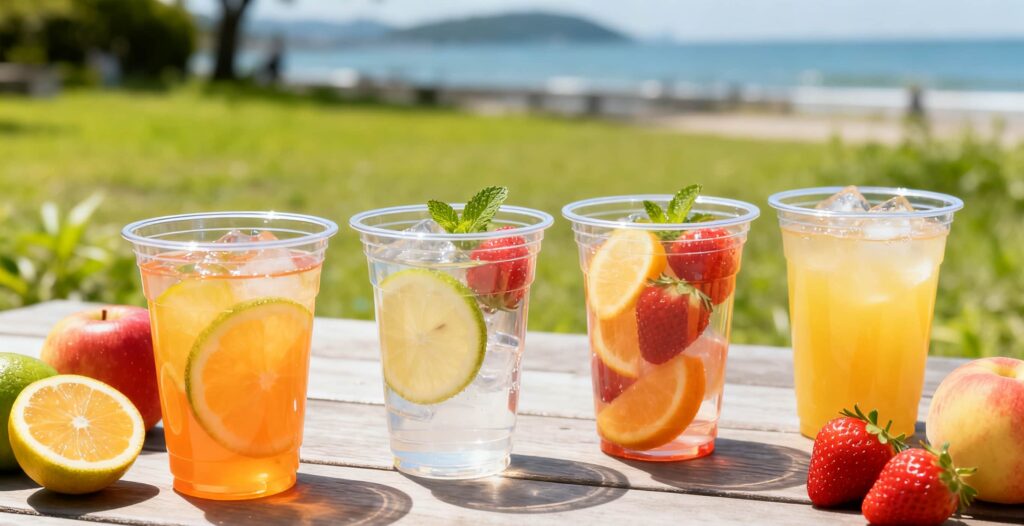
PLA stands for polylactic acid, a type of bioplastic typically made from renewable plant-based materials such as corn starch, cassava, or sugarcane. Unlike conventional petroleum-based plastics, PLA is derived from biological resources, which helped position it as a more environmentally conscious packaging alternative.
As sustainability became a major concern throughout the foodservice industry, PLA packaging rapidly gained popularity. Restaurants, beverage chains, and takeaway brands began searching for materials that could help strengthen their environmental image while responding to growing consumer demand for greener packaging solutions.
At the same time, governments in many regions started introducing restrictions on certain single-use plastics, encouraging businesses to explore alternative materials. PLA cups entered the market at exactly the right moment.
One reason PLA cups became especially attractive is that they visually resemble traditional PET cups. They offer relatively high transparency, smooth surfaces, and good presentation for cold beverages. This makes them highly suitable for products where visual appearance plays an important role in customer purchasing decisions.
Common applications for PLA cups

| Beverage Type | Why PLA Is Used |
|---|---|
| Iced coffee | Clear appearance |
| Bubble tea | Beverage visibility |
| Fruit tea | Attractive presentation |
| Smoothies | Cold beverage compatibility |
| Juice drinks | Plant-based branding appeal |
For beverage brands focused on sustainability marketing, compostable cups also became a powerful branding tool. Businesses could position themselves as environmentally responsible while improving packaging aesthetics at the same time.
However, the rapid popularity of compostable packaging also created a major misconception: many consumers assumed compostable products would naturally decompose anywhere after disposal.
In reality, compostability is much more technically dependent than most people realize.
Do PLA Cups Actually Compost in Real-World Conditions?
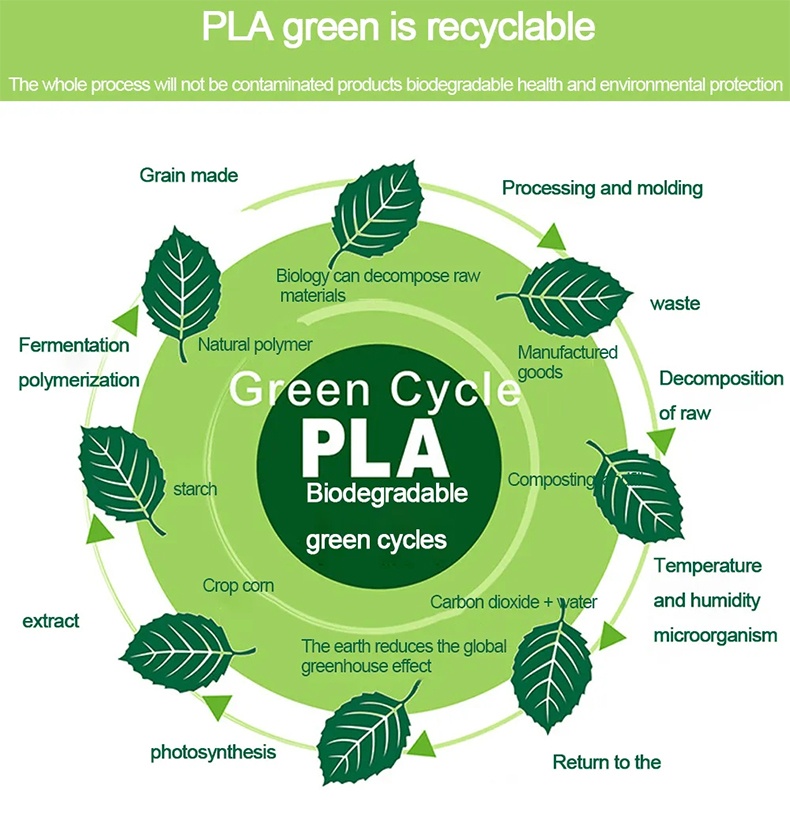
PLA cups can compost, but usually only under specific industrial composting conditions. This distinction is one of the most misunderstood aspects of compostable packaging.
Industrial composting facilities operate under carefully controlled environments with high temperatures, regulated humidity, oxygen management, and microbial activity. Under these conditions, PLA materials can break down much more efficiently.
However, outside of industrial composting systems, PLA behaves very differently.
In ordinary outdoor environments, home compost systems, landfills, lakes, or oceans, PLA cups often decompose extremely slowly. In many cases, they may remain intact for long periods because the necessary heat and microbial conditions are absent.
This creates a significant gap between consumer expectations and real-world disposal outcomes.
PLA decomposition conditions
| Environment | PLA Breakdown Performance |
|---|---|
| Industrial composting facility | Effective decomposition |
| Home compost system | Very limited |
| Landfill | Extremely slow |
| Ocean or water environments | Poor decomposition |
| Ordinary soil conditions | Limited breakdown |
One of the biggest challenges is that industrial composting infrastructure remains limited in many countries. Even in regions promoting compostable packaging, collection and processing systems are often underdeveloped or inconsistent.
As a result, many PLA cups ultimately enter standard waste streams instead of dedicated composting systems.
This creates several practical problems:
- Compostable packaging may end up in landfill
- Consumers may dispose of PLA incorrectly
- Compostable materials may contaminate recycling streams
- Waste sorting systems may struggle to identify PLA accurately
Because PLA visually resembles PET, consumers frequently cannot distinguish between the two materials. When compostable cups are mixed into traditional recycling systems, they can interfere with recycling quality and processing efficiency.
These realities are forcing the packaging industry to rethink how sustainability should actually be evaluated.
Compostable Does Not Always Mean More Sustainable
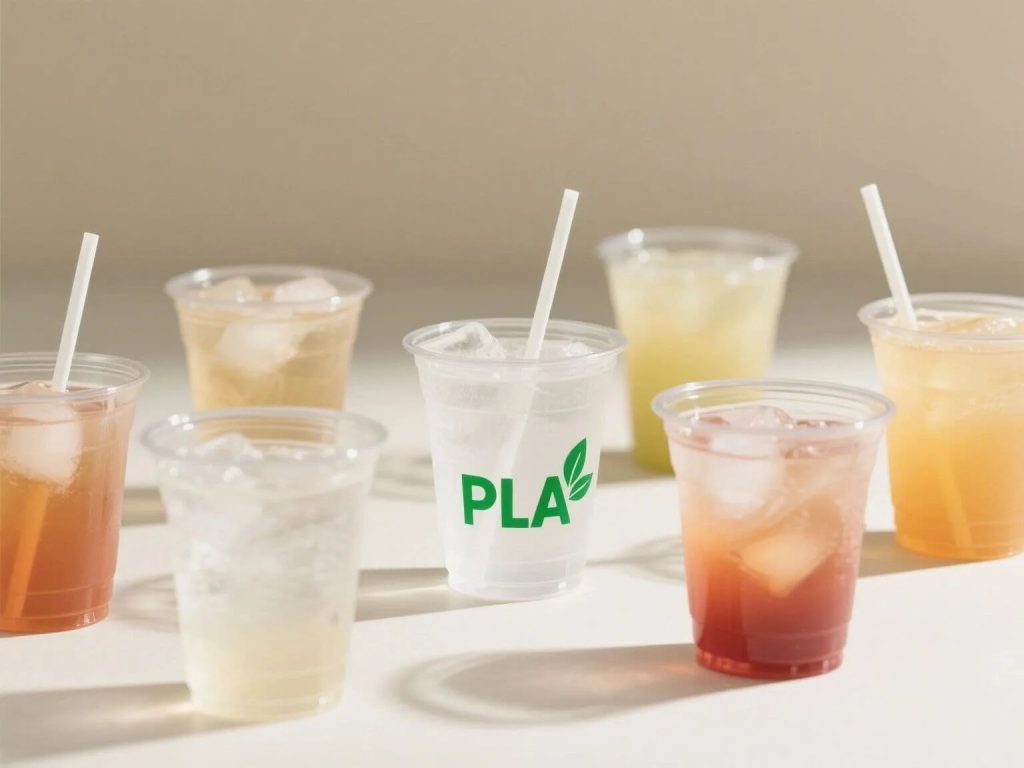
For many years, sustainability discussions in packaging were often simplified into “plastic bad, compostable good.” However, the industry is now moving toward a more nuanced understanding of environmental performance.
In 2026, businesses increasingly recognize that sustainability depends not only on material type, but also on how packaging functions within real waste management systems.
A package may sound environmentally advanced in theory, but if it cannot realistically be collected, processed, or recovered properly, its environmental advantages may become far less meaningful.
This is why the debate between PLA and recyclable plastics such as PET has become increasingly complex.
PET is still plastic-based, but it also benefits from highly developed recycling systems in many global markets. In contrast, compostable packaging infrastructure often remains limited or inconsistent.
As a result, some beverage brands are now reconsidering whether recyclable packaging may sometimes provide more practical sustainability benefits than compostable alternatives.
PLA vs PET in real-world sustainability discussions
| Factor | PLA | PET |
|---|---|---|
| Compostability | Industrial only | No |
| Recycling infrastructure | Limited | Widely available |
| Beverage visibility | Excellent | Excellent |
| Waste sorting difficulty | High | Moderate |
| Consumer understanding | Often misunderstood | Widely recognized |
| rMaterial recovery potential | Limited in many regions | Strong |
Another factor increasingly influencing packaging decisions is carbon efficiency. Lightweight packaging reduces transportation emissions, improves logistics efficiency, and lowers material consumption.
Modern PET and PP packaging technologies now allow manufacturers to significantly reduce material weight while maintaining performance. This means some recyclable packaging solutions may achieve lower overall environmental impact than expected.
Consumers are also becoming more skeptical of broad sustainability marketing claims. Many now want measurable environmental transparency rather than vague eco-friendly messaging.
Instead of simply asking whether packaging is compostable, businesses are beginning to ask more practical questions:
- What actually happens after disposal?
- Is processing infrastructure available locally?
- Can consumers dispose of the packaging correctly?
- Does the material support circular recovery systems?
- Is the sustainability benefit measurable?
This shift is fundamentally changing how foodservice companies evaluate packaging strategies.
PLA Cups Also Face Operational Challenges
Beyond sustainability discussions, PLA cups also present several operational limitations that businesses must consider carefully.
One major issue is heat resistance. PLA packaging is generally best suited for cold beverage applications. Under higher temperatures, PLA may soften or deform more easily compared with some conventional plastics.
For this reason, PLA cups are typically not ideal for hot beverage applications or high-temperature storage environments.
Storage and transportation conditions can also affect PLA packaging performance. In certain climates with excessive heat exposure, long-term storage stability may become more challenging.
Cost remains another important consideration. PLA materials often carry higher raw material costs compared with traditional plastic packaging, especially in markets where compostable packaging supply chains remain limited.
Operational considerations for PLA cups
| Operational Factor | PLA Performance |
|---|---|
| Cold beverage applications | Good |
| Heat resistance | Limited |
| Transportation stability | Moderate |
| Cost efficiency | Lower than PET |
| Waste sorting simplicity | Challenging |
For foodservice businesses operating on tight margins, packaging costs can significantly influence purchasing decisions. Sustainable packaging solutions must therefore balance environmental goals with commercial practicality.
Another challenge is consumer disposal behavior. Even when compostable packaging is available, many consumers remain unsure how to dispose of it correctly. This reduces the effectiveness of compostability programs and complicates waste management systems further.
These operational realities are pushing many businesses toward more flexible packaging strategies rather than relying on a single material solution.
How Businesses Should Evaluate Compostable Packaging in 2026
As sustainability regulations become stricter and consumer expectations continue evolving, businesses must evaluate packaging more realistically than ever before.
One of the first considerations should be local waste infrastructure. Before adopting compostable packaging, companies should understand whether industrial composting systems actually exist within their operating regions.
Without proper collection and processing systems, compostable packaging may fail to deliver its intended environmental benefits.
Businesses should also focus on realistic end-of-life outcomes rather than marketing terminology alone. The key question is not whether a material is theoretically compostable, but whether it can actually be processed correctly after disposal.
At the same time, packaging must still support operational performance, branding requirements, and customer experience.
Factors businesses should evaluate before switching to PLA
| Packaging Factor | Why It Matters |
|---|---|
| Local composting infrastructure | Determines disposal success |
| Product visibility | Important for beverages |
| Cost impact | Affects long-term scalability |
| Consumer disposal behavior | Influences recovery outcomes |
| Packaging durability | Essential for delivery operations |
In some cases, recyclable packaging solutions such as PET or mono-material PP may provide more practical sustainability performance depending on local infrastructure conditions.
Many foodservice brands are therefore adopting mixed packaging strategies, using different materials for different operational needs rather than applying a single universal solution.
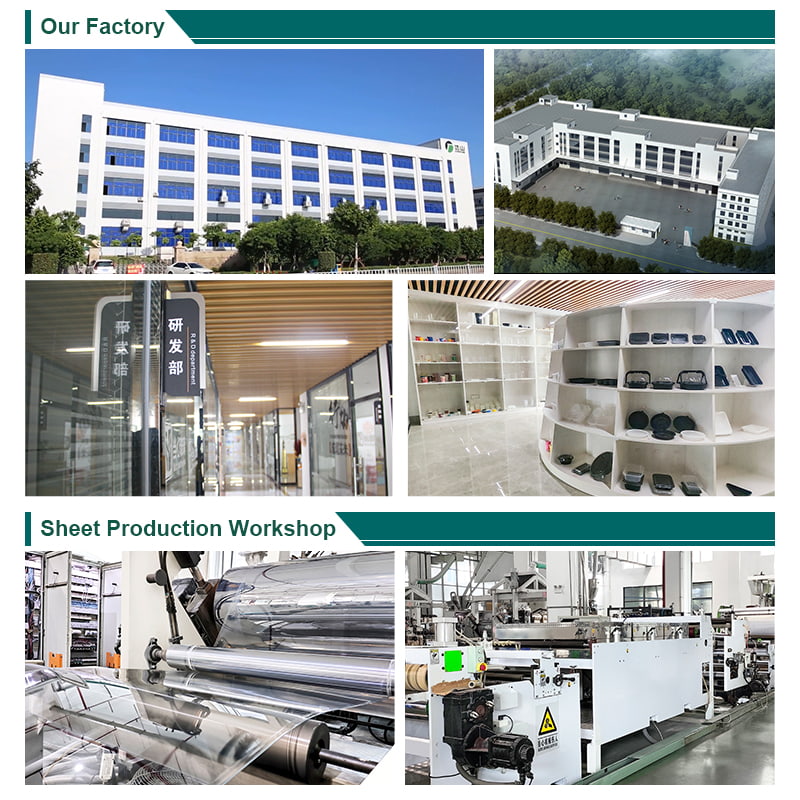
DASHAN supports practical food packaging solutions designed around real foodservice operations, including customizable PET, PP, and sustainable packaging options that balance branding, functionality, and evolving environmental expectations. Instead of focusing only on trend-driven sustainability claims, businesses increasingly need packaging systems that work effectively in both commercial and waste management environments.
The Future of Compostable Packaging
Compostable packaging will likely continue playing an important role in the future of sustainable foodservice packaging. Innovation in bioplastics and material science is advancing rapidly, and future compostable materials may become more efficient, durable, and compatible with broader waste systems.
However, infrastructure development will remain critical. Compostability can only function effectively when proper collection, sorting, and industrial processing systems exist at scale.
At the same time, sustainability discussions are becoming more data-driven and evidence-based. Businesses, regulators, and consumers increasingly expect measurable environmental performance rather than simple eco-friendly messaging.
This means future packaging decisions will likely focus on balancing multiple factors simultaneously:
- Sustainability performance
- Recyclability or compostability infrastructure
- Operational functionality
- Cost efficiency
- Supply chain reliability
- Consumer convenience
- Brand presentation
Rather than searching for a perfect single material, the packaging industry is gradually moving toward more flexible and realistic sustainability strategies.
FAQs
1. What are PLA cups made from?
PLA cups are made from plant-based materials such as corn starch, cassava, or sugarcane, and are classified as bioplastics.
2. Do PLA cups naturally decompose everywhere?
No. PLA cups usually require industrial composting conditions with high heat and controlled humidity to break down efficiently.
3. Can PLA cups be recycled with PET plastic?
Generally, no. PLA and PET are different materials, and mixing PLA into PET recycling systems can create contamination problems.
4. Are PLA cups better for the environment than PET cups?
It depends on local waste infrastructure. In regions with strong industrial composting systems, PLA can offer advantages. In areas with mature recycling systems, recyclable PET may sometimes be more practical.
5. Why are PLA cups mainly used for cold drinks?
PLA has limited heat resistance and may deform under high temperatures, making it more suitable for cold beverage applications.
6. What should businesses consider before switching to PLA cups?
Businesses should evaluate local composting infrastructure, disposal systems, operational performance, packaging costs, and customer disposal behavior before adopting PLA packaging.
Conclusion
PLA cups can compost, but usually only under industrial composting conditions with controlled processing environments. In real-world disposal systems, compostable packaging often faces significant infrastructure and waste-sorting challenges that many consumers do not fully understand.
As sustainability discussions mature in 2026, businesses are increasingly recognizing that packaging performance must be evaluated based on practical outcomes rather than marketing labels alone. Compostable packaging can offer important environmental advantages, but those benefits depend heavily on proper collection and processing systems.
For foodservice brands, sustainable packaging decisions now require balancing environmental goals with operational performance, customer expectations, waste infrastructure, and commercial practicality.
The future of sustainable packaging will likely depend less on simple buzzwords and more on realistic circular solutions that can function effectively within real-world foodservice and waste management systems.
Copyright Statement
© 2026 Dashan Packing. All rights reserved.
This article is an original work created by the Dashan Packing editorial team.
All text, data, and images are the result of our independent research, industry experience,
and product development insights. Reproduction or redistribution of any part of this content
without written permission is strictly prohibited.
Dashan Packing is committed to providing accurate, evidence-based information and
to upholding transparency, originality, and compliance with global intellectual property standards.