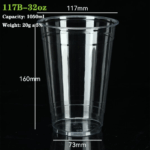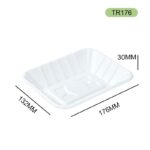

In today’s world, the environmental impacts of single-use plastics have become an issue of significant concern. With increasing awareness around sustainability and environmental conservation, the demand for eco-friendly alternatives has skyrocketed. One such alternative that is gaining substantial attention is cornstarch tableware. Made from cornstarch, a natural product derived from the endosperm of corn, this type of tableware offers numerous benefits that traditional disposable options like plastic, polystyrene (PS), and PLA (polylactic acid) cannot match. In this comprehensive article, we will explore the advantages of cornstarch tableware, why it is a better option than other materials, and how it fits into the larger context of sustainability in the packaging industry.
The Emergence of Cornstarch Tableware
What is Cornstarch Tableware?
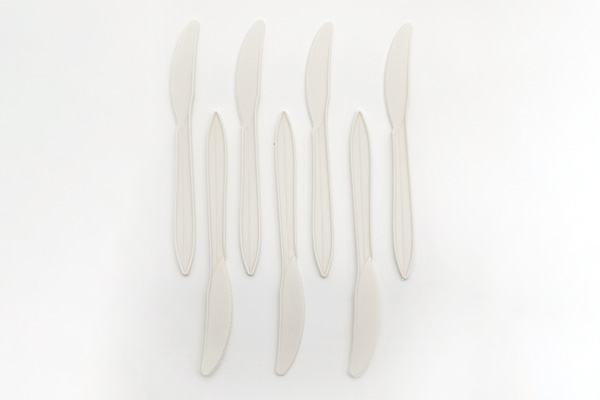
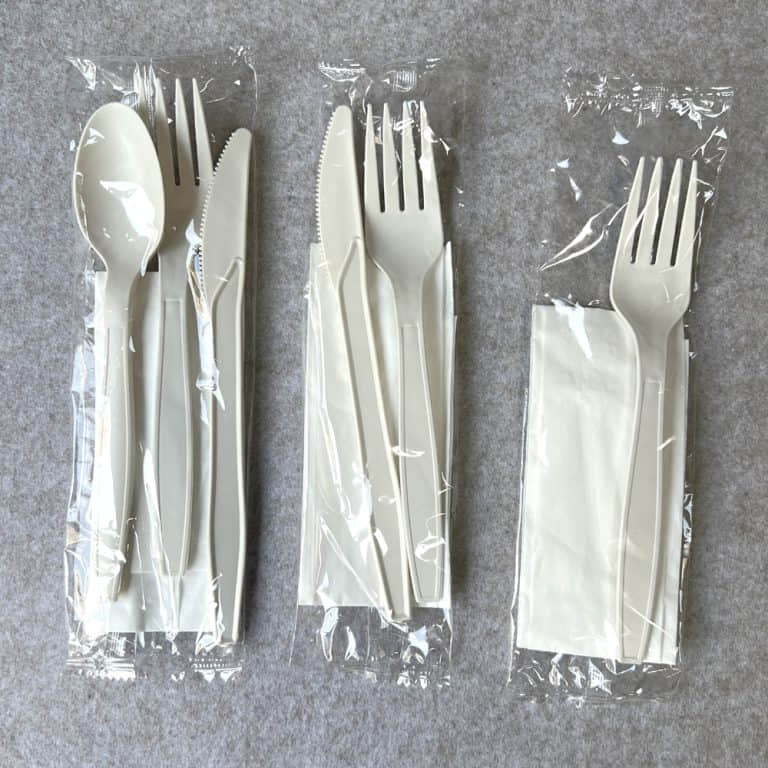
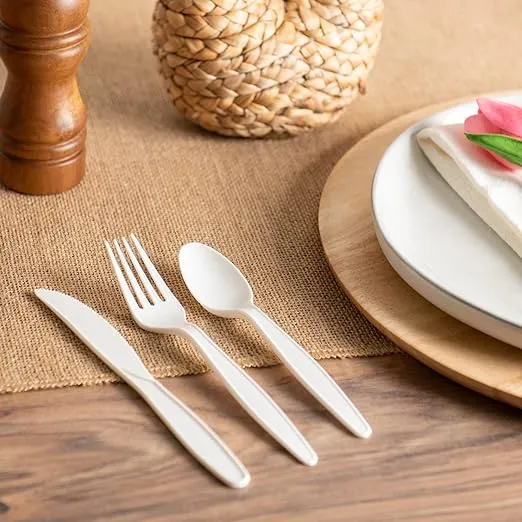
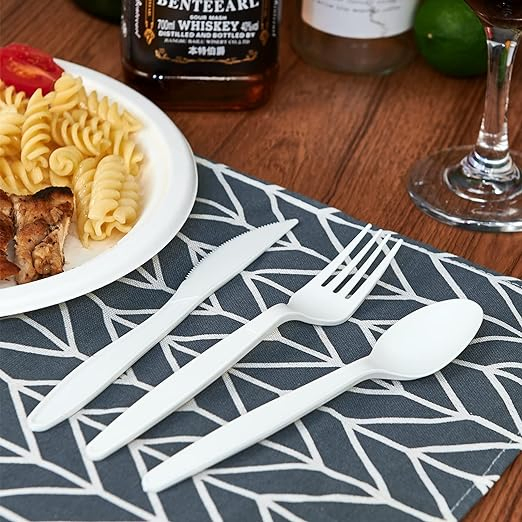
Cornstarch tableware is a type of disposable, eco-friendly tableware made from processed cornstarch. Unlike plastic or Styrofoam-based products, cornstarch-based products are biodegradable, compostable, and derived from a renewable resource. Cornstarch is processed into a pulp and then molded into various shapes such as plates, bowls, trays, and cutlery. This material is considered a sustainable alternative to petroleum-based plastics and offers a wide range of environmental benefits.
The transition towards cornstarch as a primary raw material for tableware began as a response to the increasing pressure to reduce single-use plastic waste and reliance on non-renewable fossil fuels. As consumers and industries alike are seeking more environmentally responsible solutions, cornstarch tableware provides a compelling, sustainable option.
Environmental Benefits of Cornstarch Tableware
Biodegradability and Compostability
One of the most significant advantages of cornstarch tableware over traditional plastic and other disposable materials is its biodegradability. Unlike plastic, which can take hundreds or even thousands of years to break down in landfills, cornstarch products decompose relatively quickly. Under the right conditions—such as in composting environments—cornstarch products can break down completely within just a few months.
This biodegradability is essential in the fight against plastic pollution. Plastic waste is one of the most pervasive environmental issues today, with millions of tons of plastic entering our oceans and landfills every year. By replacing plastic with cornstarch-based products, we can reduce the amount of waste that remains in the environment for centuries.
In addition to biodegradation, cornstarch tableware is compostable. This means that, when disposed of properly in a composting facility, cornstarch products break down into non-toxic organic matter that enriches the soil, contributing to a sustainable cycle of nutrients. This is in stark contrast to plastic products, which can leach harmful chemicals into the environment, contaminating both the soil and water.
Renewable Resource
Unlike plastics, which are derived from petroleum, a finite resource, cornstarch is made from corn, a renewable agricultural product. Corn is grown annually and is an abundant resource, which means that cornstarch-based products are inherently more sustainable in terms of sourcing.
Cornstarch also offers the possibility of reducing fossil fuel dependency in the packaging industry. As the demand for petroleum-based plastics continues to rise, so does the environmental degradation caused by extraction processes, transportation, and manufacturing. By opting for cornstarch tableware, we can reduce the need for petroleum, decrease carbon emissions, and promote more sustainable agricultural practices.
Safety for Consumers and the Environment
When it comes to food contact materials, safety is a critical consideration. Many plastics and Styrofoam products contain harmful chemicals such as BPA (bisphenol A) and phthalates, which are known to have adverse health effects. These chemicals can leach into food and beverages, particularly when the materials are exposed to heat. In contrast, cornstarch-based products are free of harmful chemicals. This makes them a safer option for consumers, particularly when used for food and beverage packaging.
Moreover, the production of cornstarch-based products generally involves fewer chemicals and less toxic waste than plastic or polystyrene. As a result, the environmental footprint of producing cornstarch products is significantly lower compared to other single-use packaging materials.

How Cornstarch Tableware Compares to Other Materials
Cornstarch Tableware vs. Plastic
Plastic is one of the most commonly used materials for single-use food packaging, but it comes with numerous environmental and health risks. Plastic products take hundreds of years to degrade, and during that time, they can cause extensive harm to wildlife and ecosystems. Cornstarch tableware, by contrast, decomposes naturally in a matter of months.
Beyond biodegradability, plastic also poses risks to human health. BPA, a chemical found in many plastics, has been linked to various health issues, including hormone disruption, increased cancer risk, and developmental problems in children. With cornstarch tableware, these risks are nonexistent. There is no leaching of harmful chemicals, making it a safer alternative for food packaging.
Additionally, plastic products are derived from petroleum, a non-renewable resource, contributing to the depletion of fossil fuels. Cornstarch is a renewable resource, which means cornstarch-based products reduce our reliance on petroleum, making them a more sustainable choice in the long run.
Cornstarch Tableware vs. Polystyrene (PS)
Polystyrene (PS), commonly known as Styrofoam, is another material widely used for disposable food containers, particularly in takeout packaging. While PS is lightweight and inexpensive, it is non-biodegradable and takes hundreds of years to break down. Moreover, PS is made from petroleum and can release toxic chemicals when exposed to heat or ultraviolet light.
In contrast, cornstarch tableware offers a biodegradable and compostable alternative that breaks down safely in a composting environment. It also poses no risk of harmful chemical leaching, making it a safer, more eco-friendly choice compared to polystyrene.
Cornstarch Tableware vs. PLA
PLA (Polylactic Acid) is a plant-based plastic often marketed as a sustainable alternative to traditional plastics. While PLA is biodegradable and made from renewable resources such as corn or sugarcane, it has certain drawbacks. PLA requires industrial composting facilities to break down efficiently, which are not available in all regions. If PLA is discarded in a landfill or incinerated, it may not decompose properly and could contribute to environmental pollution.
Cornstarch tableware, on the other hand, is much more versatile. It can break down in both industrial and home composting environments, making it a more accessible and practical option for consumers and businesses alike. Cornstarch products can also withstand a wider range of temperatures than PLA, making them more suitable for both hot and cold food packaging.
The Cost of Cornstarch Tableware
While cornstarch tableware may be slightly more expensive than plastic or polystyrene alternatives in terms of production costs, the environmental benefits far outweigh the initial cost. The true cost of plastic and PS products is seen in the long-term environmental damage they cause, which results in cleanup costs, wildlife preservation efforts, and the depletion of non-renewable resources.
As the demand for sustainable packaging grows, the cost of producing cornstarch-based products will likely decrease. With advances in production technology and economies of scale, cornstarch tableware will become more affordable, making it a viable choice for both small and large businesses.
Applications of Cornstarch Tableware
Cornstarch tableware can be used in a variety of industries, including:
-
Restaurants and cafes: For takeout meals, salads, and snacks.
-
Catering services: Eco-friendly solutions for large events and gatherings.
-
Food packaging: Containers for ready-to-eat meals, snacks, and beverages.
-
Airline and event catering: Sustainable, lightweight options for in-flight meals or banquet services.
The versatility of cornstarch-based tableware makes it ideal for many types of businesses, allowing them to reduce their environmental footprint while still providing functional and durable packaging.
The Future of Cornstarch Tableware
As consumer demand for sustainable and eco-friendly products continues to rise, cornstarch tableware is expected to become even more prevalent. With improvements in the manufacturing process and the development of new applications, cornstarch-based products will likely replace many traditional materials used in the foodservice industry. This transition is part of a larger trend towards sustainability and reducing the negative environmental impacts of single-use packaging.
Businesses that adopt cornstarch tableware will be better positioned to meet the growing demand for sustainable packaging and green consumerism, which will not only contribute to environmental protection but also enhance their brand reputation.
Conclusion
In conclusion, cornstarch tableware is an environmentally responsible, safe, and sustainable alternative to traditional single-use packaging materials such as plastic, polystyrene, and PLA. With its biodegradability, renewable sourcing, and compostability, it presents a clear advantage in the fight against pollution and waste. By choosing cornstarch products, businesses can contribute to the global movement towards a more sustainable future while providing consumers with a safer, healthier choice. As the demand for eco-friendly products grows, cornstarch tableware will continue to play a pivotal role in shaping the future of disposable food packaging.
FAQ (Frequently Asked Questions)
1. Is cornstarch tableware safe for food use?
Yes, cornstarch tableware is made from natural materials and is free from harmful chemicals like BPA and phthalates, which are commonly found in plastic products. It is completely safe for food use, making it a healthier option for consumers compared to conventional plastic or Styrofoam.
2. How long does cornstarch tableware take to decompose?
Cornstarch tableware is biodegradable and compostable, typically decomposing within a few months under proper composting conditions. In contrast, plastic and Styrofoam can take hundreds of years to break down, making cornstarch a much more sustainable option.
3. Can I use cornstarch tableware for hot food?
Yes, cornstarch tableware can safely handle both hot and cold foods. Unlike some other biodegradable materials such as PLA, which has limitations when exposed to heat, cornstarch products are durable enough to withstand high temperatures without compromising their integrity.
4. Is cornstarch tableware more expensive than plastic or Styrofoam?
While cornstarch tableware may initially cost more than plastic or Styrofoam products, the long-term environmental benefits, coupled with consumer demand for eco-friendly products, are likely to drive down costs as production technologies improve. Additionally, the environmental and health benefits make it a more worthwhile investment in the long run.
5. What are the main environmental benefits of cornstarch tableware?
The key environmental benefits of cornstarch tableware include:
-
Biodegradability: Cornstarch products break down in a short period, reducing landfill waste.
-
Compostability: Unlike plastic, cornstarch can be composted, returning nutrients to the soil.
-
Renewable Resource: Cornstarch is derived from corn, a renewable resource, as opposed to petroleum-based plastics.
-
Non-toxic: There are no harmful chemicals like BPA or phthalates in cornstarch-based products.
6. Can cornstarch tableware be recycled?
Cornstarch products are not recyclable in the traditional sense, as they are designed to decompose naturally. However, they are compostable, meaning they can break down in industrial or home composting systems, where they provide nutrients to the soil.
7. Are there any limitations to using cornstarch tableware?
While cornstarch tableware offers many advantages, there are some limitations:
-
It may not be suitable for extended use like plastic or polystyrene containers, as it is designed as a single-use product.
-
It requires composting facilities for efficient degradation, which may not be available everywhere.
-
Some forms of cornstarch tableware may have limited durability for products that require heavy structural integrity (e.g., trays for heavier food).
References
-
Jang, S. Y., & Shin, D. H. (2015). Biodegradable packaging materials: Biodegradability and impact on the environment. Journal of Polymers and the Environment, 23(1), 22-31. DOI: 10.1007/s10924-015-0765-1.
-
Shen, L., & Worrell, E. (2010). The Life Cycle of PLA and Other Bioplastics. Environmental Science and Technology, 44(13), 4954-4963. DOI: 10.1021/es100904h.
-
Smith, M. P., & Jones, L. R. (2017). Comparative life-cycle assessment of different food packaging materials: A case study of corn-based versus petroleum-based packaging. Sustainability, 9(6), 904-915. DOI: 10.3390/su9060904.
-
Gonzalez, D., & Martinez, C. (2018). Environmental impact of corn-based biodegradable packaging: A lifecycle analysis. Journal of Environmental Management, 230, 1-8. DOI: 10.1016/j.jenvman.2018.09.015.
Copyright Statement
© 2025 Dashan Packing. All rights reserved.
This article is an original work created by the Dashan Packing editorial team.
All text, data, and images are the result of our independent research, industry experience,
and product development insights. Reproduction or redistribution of any part of this content
without written permission is strictly prohibited.
Dashan Packing is committed to providing accurate, evidence-based information and
to upholding transparency, originality, and compliance with global intellectual property standards.