

Quick Summary
This blog compares CPET material and PET material in thermoforming applications. PET material offers clarity, light weight, and cost-effectiveness, making it ideal for cold or room-temperature food packaging and consumer goods. In contrast, CPET material withstands up to 200°C, providing rigidity and heat resistance, perfect for oven-ready trays and industrial containers. Choosing between them depends on temperature requirements, visibility, cost, and sustainability goals.
Introduction
Thermoforming has revolutionized the packaging industry, offering manufacturers the flexibility to create durable, lightweight, and functional food containers, trays, and consumer packaging. At the core of thermoforming are plastic sheet materials, each with unique characteristics that dictate their suitability for specific applications. Among them, CPET material and PET material stand out as two of the most widely used plastics.
While PET material (Polyethylene Terephthalate) dominates everyday packaging like bottles, clamshells, and salad containers, CPET material (Crystallized Polyethylene Terephthalate) offers a specialized alternative that thrives in high-temperature environments. Understanding the differences between these two materials is essential for businesses in foodservice, retail, and industrial sectors seeking the right balance between cost, performance, and sustainability.
In this in-depth guide, we will explore the properties, advantages, applications, sustainability aspects, and market trends of CPET material and PET material.
Understanding PET Material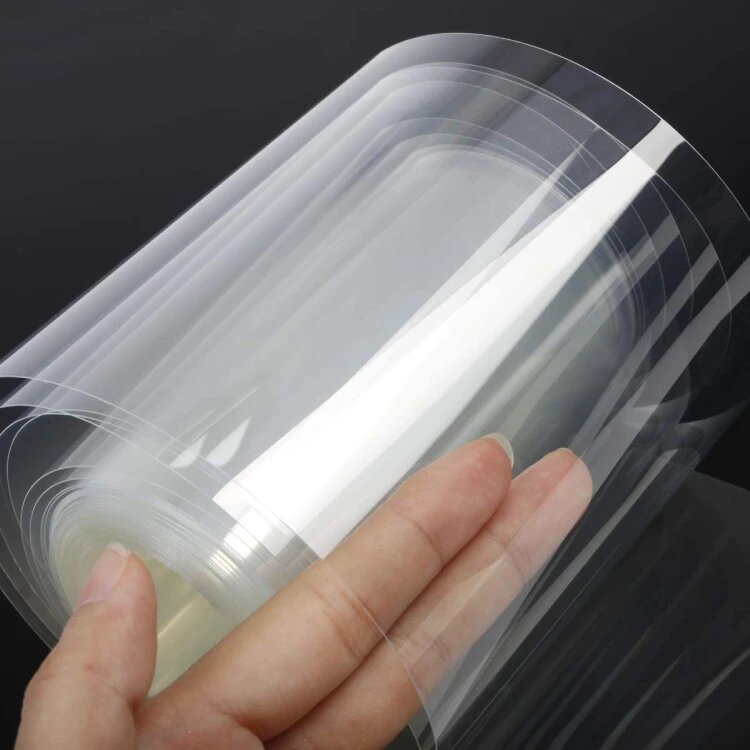
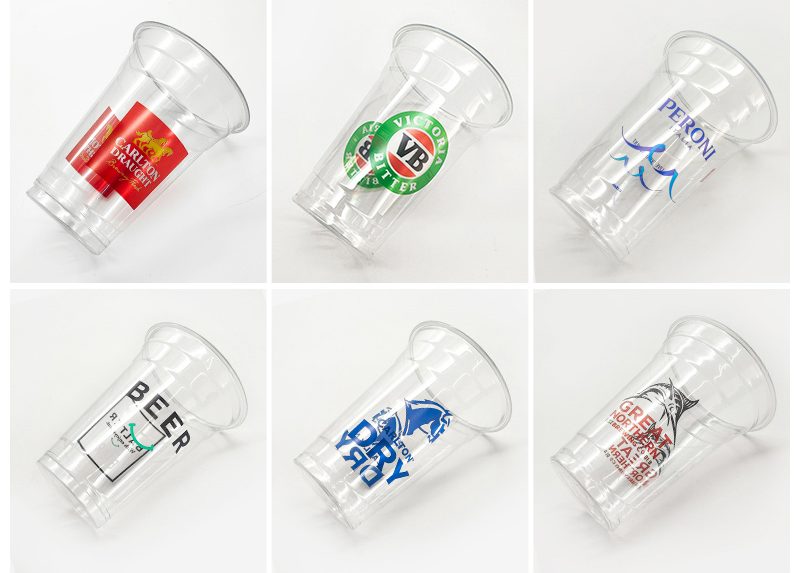
PET material is one of the most versatile plastics in the world. It is either amorphous or semi-crystalline, giving it high clarity, lightweight characteristics, and moderate durability.
Properties of PET Material
-
Transparency: Excellent clarity, making it ideal for retail packaging where product visibility is important.
-
Lightweight: Reduces shipping costs and material consumption.
-
Moderate Durability: Good for short-term packaging but not designed for extreme heat.
-
Heat Resistance: Typically up to 60–70°C, not suitable for direct oven or microwave use.
-
Cost Efficiency: Economical to produce and widely available.
Applications of PET Material
-
Food Packaging: Salad boxes, bakery containers, sandwich packs.
-
Beverage Industry: Water bottles, soda bottles, juice containers.
-
Consumer Goods: Blister packs, clamshells, and protective packaging.
-
Retail Displays: Clear containers where transparency boosts consumer confidence.
Advantages of PET Material
-
Cost-effective compared to many alternatives.
-
Recyclable in most municipal systems, often coded as #1 plastic.
-
Aesthetically appealing with its clear and glossy surface.
-
Lightweight, reducing logistics and storage costs.
Understanding CPET Material
CPET material is derived from PET through a crystallization process, which reorganizes the molecular structure into a fully crystallized form. This results in greater rigidity, heat resistance, and durability compared to standard PET.
Properties of CPET Material
-
High Rigidity: Strong and resistant to deformation.
-
Opaque Appearance: Crystallization makes CPET less transparent.
-
Heat Resistance: Can withstand up to 200–220°C, safe for ovens and microwaves.
-
Durability: Maintains structure even under extreme conditions.
-
Barrier Performance: Excellent resistance to oil, grease, and moisture.
Applications of CPET Material
-
Ready-to-Eat Meals: Oven-ready and microwave-safe trays.
-
Catering Packaging: Meals that need to be reheated before serving.
-
Industrial Containers: Packaging that must withstand sterilization processes.
-
Frozen Meals: Freezer-to-oven convenience packaging.
Advantages of CPET Material
-
Thermal stability unmatched by PET material.
-
Freezer-to-oven capability, reducing food handling.
-
Durability under mechanical and thermal stress.
-
Safe for reheating in both microwaves and conventional ovens.
CPET Material vs PET Material: A Direct Comparison
| Feature | PET Material | CPET Material |
|---|---|---|
| Transparency | Clear, semi-crystalline | Opaque, crystallized |
| Heat Resistance | Up to 70°C | Up to 200–220°C |
| Durability | Moderate | High rigidity |
| Applications | Bottles, salad boxes, clamshells | Oven-ready trays, frozen meals |
| Recycling | Widely recycled | Recyclable but less common |
| Cost | Low | Higher due to processing |
| Aesthetics | High clarity | Limited visibility |
This table illustrates that PET material is best for lightweight, transparent, cost-effective packaging, while CPET material is the go-to choice for heat-resistant, ovenable applications.
Choosing Between CPET Material and PET Material
Temperature Considerations
-
Choose CPET material when packaging must endure reheating, sterilization, or direct oven use.
-
Choose PET material for applications with little to no exposure to heat.
Aesthetic Preferences
-
PET material offers unmatched visibility, making it perfect for retail shelves.
-
CPET material sacrifices transparency for performance.
Sustainability and Recycling
-
PET material has a global recycling infrastructure, making it ideal for eco-conscious brands.
-
CPET material is recyclable but less widely processed; however, it is essential for reducing food waste by enabling freezer-to-oven convenience.
Cost Efficiency
-
PET material is more affordable and preferred for high-volume, low-cost applications.
-
CPET material has a higher price point but offers performance benefits in specialized industries.
Sustainability Considerations
Both CPET material and PET material are recyclable, but their sustainability profiles differ:
-
PET material: Widely recycled into bottles, polyester fibers, and thermoformed packaging. It plays a major role in the circular economy.
-
CPET material: Recycling is more complex due to crystallization, but it can be integrated into closed-loop recycling systems.
Environmental Benefits
-
PET material reduces carbon footprint due to its lightweight properties.
-
CPET material helps reduce food waste by enabling freezer-to-oven use and extending shelf life.
Innovation Trends
-
PET material: Development of multi-layer films for better barrier performance.
-
CPET material: Research on energy-efficient production and incorporation of recycled content.
Market Insights
Demand for CPET Material
The rise of the ready-meal sector has boosted demand for CPET material. With consumers increasingly seeking convenience, CPET trays and films are becoming essential for retailers and foodservice providers.
Demand for PET Material
Meanwhile, PET material dominates the global packaging market due to its cost efficiency, recyclability, and broad applications across food and beverages.
Industry Trends
-
Foodservice Growth: CPET leads in oven-ready packaging.
-
Retail Expansion: PET remains the leader in everyday packaging.
-
Sustainability Push: Both materials are being re-engineered for compliance with stricter environmental standards.

Expert Insights
Dr. Elena Morris, a packaging engineer, explains:
“CPET material fills a unique role in packaging. Its ability to handle oven-level temperatures makes it indispensable for ready meals and catering services. On the other hand, PET material will always dominate mainstream packaging thanks to its recyclability and clarity.”
FAQs
1. What is the main difference between CPET material and PET material?
The primary difference is heat resistance: CPET material can withstand 200°C+, while PET material is limited to 70°C.
2. Can CPET material be recycled?
Yes, but it is less commonly recycled than PET material, which has broader global infrastructure.
3. Is PET material safe for hot food?
PET material is safe for food but not designed for direct oven or high-heat applications.
4. Which is better for ready meals: CPET material or PET material?
CPET material is the superior choice for oven-ready and freezer-to-oven packaging.
5. Which is more cost-effective?
PET material is generally cheaper, while CPET material justifies its higher cost in specialized uses.
Conclusion
Both CPET material and PET material are essential in modern thermoforming applications, but their differences make them suitable for distinct purposes. PET material remains the global standard for transparent, lightweight, and recyclable packaging, dominating beverage bottles, salad boxes, and retail clamshells. Meanwhile, CPET material leads in specialized sectors like ready-to-eat meals and catering, where heat resistance and durability are critical.
For businesses, the choice between CPET material and PET material comes down to performance requirements, sustainability goals, and budget. By understanding these materials in depth, companies can optimize packaging performance while balancing cost and environmental responsibility.
References
-
PlasticsEurope. Polyethylene Terephthalate (PET): Properties & Applications. Available at: https://plasticseurope.org
-
British Plastics Federation (BPF). PET (Polyethylene Terephthalate) Packaging. Available at: https://www.bpf.co.uk
-
European Food Safety Authority (EFSA). Safety assessment of recycled PET in food packaging. Available at: https://www.efsa.europa.eu
-
ScienceDirect. Crystalline Polyethylene Terephthalate (CPET) for High-Temperature Applications. Available at: https://www.sciencedirect.com
-
ResearchGate. Comparative study of PET and CPET in thermoformed food packaging. Available at: https://www.researchgate.net
-
Packaging Europe. Future of PET and CPET Packaging in Foodservice. Available at: https://packagingeurope.com
-
ASTM International. Standards for Food Contact Plastics. Available at: https://www.astm.org
-
US Food and Drug Administration (FDA). Food Packaging: PET and CPET Safety Regulations. Available at: https://www.fda.gov
Copyright Statement© 2025 Dashan Packing. All rights reserved.
This article is an original work created by the Dashan Packing editorial team.All text, data, and images are the result of our independent research, industry experience,and product development insights. Reproduction or redistribution of any part of this contentwithout written permission is strictly prohibited.
Dashan Packing is committed to providing accurate, evidence-based information andto upholding transparency, originality, and compliance with global intellectual property standards.