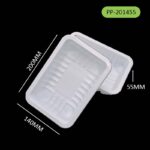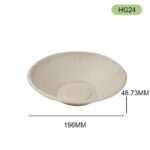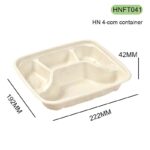

CPET Food Packaging is a durable, heat-resistant, and microwave-safe solution for food containers. Made from crystallized polyethylene terephthalate, CPET withstands high temperatures without releasing harmful substances, making it perfect for microwavable meals and take-out packaging. With its recyclability and eco-friendly properties, CPET Food Packaging offers a sustainable and safe choice for modern food packaging needs.
Introduction
In the modern foodservice industry, packaging plays a vital role in ensuring the safety, quality, and convenience of food products. As consumer demand for quick, easy-to-prepare meals continues to grow, packaging materials must meet the rigorous requirements for durability, heat resistance, and safety. Crystallized Polyethylene Terephthalate (CPET) is emerging as a top choice for food packaging, particularly due to its unique combination of high heat tolerance and microwave-safe properties. Unlike other plastics that may release harmful chemicals when exposed to high temperatures, CPET remains stable, ensuring that food stays safe and free from contaminants.
This article delves into the benefits of CPET, why it’s considered microwave-safe, and why it is a leading choice for heat-resistant food packaging that doesn’t leach harmful substances into food. We will also explore its sustainability, applications, and the growing role CPET is playing in the food packaging industry.
1. What is CPET?
CPET, or Crystallized Polyethylene Terephthalate, is a modified version of PET (Polyethylene Terephthalate), a commonly used plastic. PET is valued for its clarity, strength, and moisture resistance, but it is limited in its ability to withstand high temperatures without deforming.
CPET is created through a process called crystallization, where PET is heated to specific temperatures, altering its molecular structure to make it more rigid and heat-resistant. This crystallization process gives CPET unique properties, such as the ability to withstand higher temperatures compared to standard PET. In its crystalline state, CPET can endure the heat generated during cooking, microwave heating, and other high-temperature processes, making it ideal for food packaging applications.
Unlike conventional PET, which has a relatively low melting point (around 250°C or 482°F), CPET’s crystallized structure enables it to endure temperatures up to 200°C (392°F) without losing its integrity. This heat-resistant property makes CPET a preferred choice for packaging food products that need to be reheated in the microwave or oven.
2. Heat Resistance of CPET
One of the primary reasons why CPET is considered a superior packaging material for food is its exceptional heat resistance. While most food packaging materials, such as traditional plastics or paper-based containers, can begin to warp or melt when exposed to high temperatures, CPET maintains its form and strength even in extreme heat.
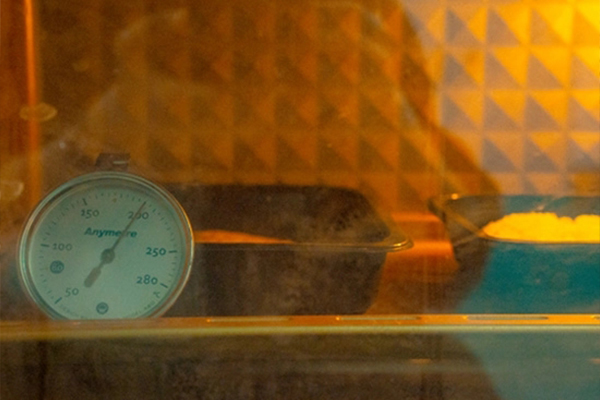
The heat resistance of CPET is due to its crystalline structure. During the crystallization process, the polymer chains in PET are reorganized into a tightly packed configuration that increases its thermal stability. This process allows CPET to handle hot food temperatures without warping, cracking, or melting. As a result, CPET containers are commonly used for microwaving, oven-baking, and other high-heat applications.
Comparing CPET to Other Materials:
-
PET: Standard PET is relatively heat-resistant, but it can start to deform at temperatures above 60°C (140°F), making it unsuitable for high-heat applications.
-
PLA: Polylactic Acid (PLA), an alternative bioplastic, is compostable but has poor heat resistance. PLA can only handle temperatures up to 50°C (122°F), which limits its use for hot food packaging.
-
CPET: CPET, thanks to its crystallization process, can withstand temperatures up to 200°C (392°F), making it ideal for packaging hot and microwaveable meals.
3. Why CPET is Microwave-Safe
The microwave safety of CPET is a crucial feature that has contributed to its growing popularity in the food packaging industry. Microwaving food has become a common method of reheating, especially in fast-paced environments where convenience is key. However, not all packaging materials are safe to use in microwaves.
Why CPET is Safe for Microwaving:
When a plastic container is microwaved, the food inside can heat up quickly, causing the container to warp or even release harmful chemicals into the food. This is especially true for materials that contain certain additives or plastics that break down when exposed to heat.
CPET is a safe material for microwave use for several reasons:
-
Stable Molecular Structure: Unlike many other plastics, CPET does not contain harmful additives such as bisphenol A (BPA) or phthalates, which are chemicals that can leach into food when microwaved.
-
No Degradation at High Temperatures: CPET’s molecular structure ensures that the material does not break down, even when exposed to high heat in a microwave. It maintains its integrity and does not release toxins.
-
Non-Toxic Composition: The base material of CPET, polyethylene terephthalate, is a widely used, non-toxic plastic that does not interact with food or beverages. When microwaved, CPET does not emit fumes or harmful substances into the food.
Testing and Certification for Microwave Safety:
CPET packaging undergoes rigorous testing to ensure that it meets FDA standards for food contact materials. This includes testing for safety when exposed to microwaves, ensuring that CPET containers do not release any harmful substances when used for reheating food.

4. Absence of Harmful Substances in CPET
A major concern for consumers when selecting food packaging is whether the material might contain harmful chemicals that could leach into the food, especially when exposed to heat. Fortunately, CPET is designed with food safety in mind. Its composition is free from substances that are known to pose health risks.
CPET Chemical Composition:
-
Polyethylene Terephthalate (PET): PET is a type of polyester made from a combination of terephthalic acid and ethylene glycol. These ingredients are non-toxic and do not pose any health risks when used in food packaging.
-
Crystallization Process: The crystallization of PET into CPET does not introduce any harmful chemicals. The process only alters the molecular structure to improve heat resistance.
No BPA or Phthalates:
Unlike certain plastic materials, CPET does not contain BPA (Bisphenol A) or phthalates, which are commonly found in polycarbonate plastics and some other food containers. Both BPA and phthalates are known to be endocrine disruptors, potentially causing health issues, particularly when exposed to heat. CPET, however, remains free from these chemicals, ensuring that it is safe for food contact.
5. CPET in Real-World Applications
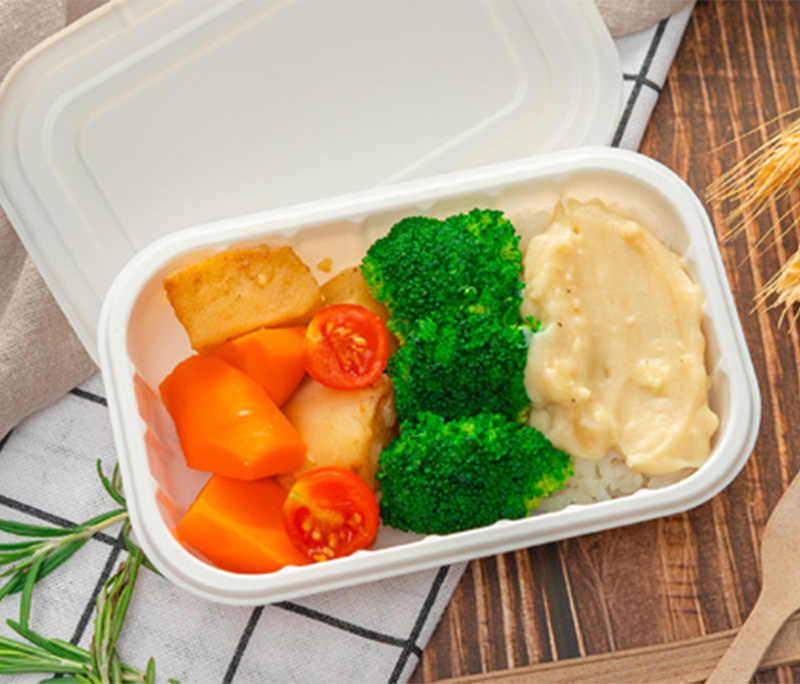
CPET has a broad range of applications in the foodservice industry due to its heat resistance and safety features. The material is commonly used for packaging microwavable meals, ready-to-eat containers, and other high-temperature food products.
Common Applications:
-
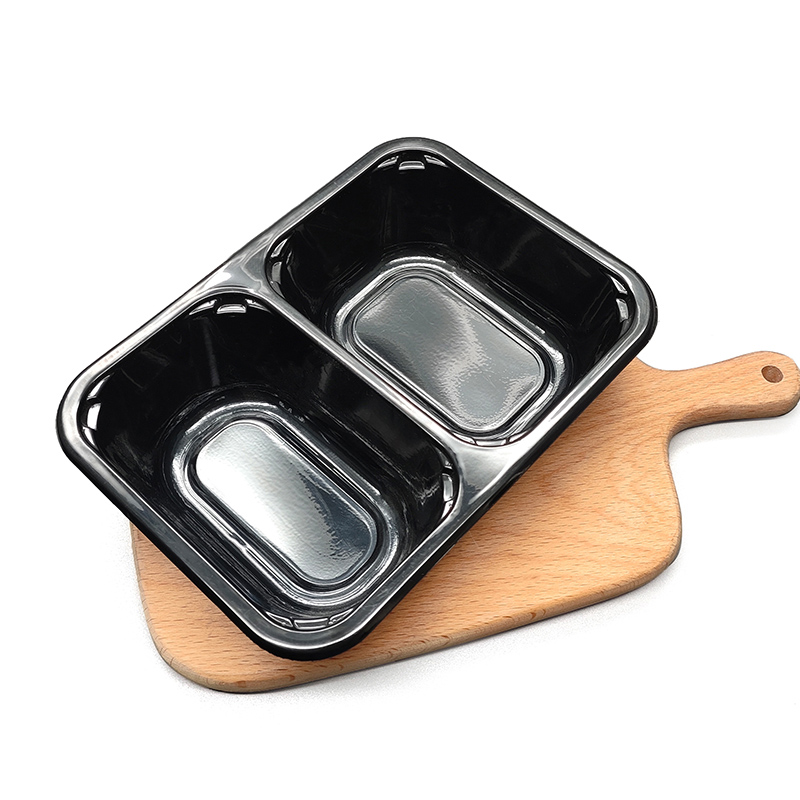
Microwavable Meal Trays: CPET is widely used in single-serve meal trays that are designed for microwave use. These trays are often used in pre-packaged, ready-to-eat meals that require reheating. CPET’s ability to withstand microwave heat ensures that the meal can be safely heated without damaging the container.
-
Take-out Food Packaging: Many restaurants and foodservice establishments use CPET for take-out food containers. The material’s durability ensures that food stays fresh and intact during transportation and can be reheated easily by the consumer.
-
Pre-Packaged Meals: CPET is also used in supermarket pre-packaged meals, providing a safe and convenient option for consumers who prefer ready-to-eat meals that can be easily microwaved at home.
Why Foodservice Providers Choose CPET:
-
Durability: CPET containers are highly durable, resistant to impacts, and capable of maintaining their shape during transportation and storage.
-
Consumer Convenience: CPET packaging offers consumers the ability to easily heat their meals without the need to transfer food to another container.
-
Cost-Effectiveness: CPET is an affordable material that offers a balance between performance and cost, making it an excellent choice for bulk packaging.
6. Benefits of CPET Packaging
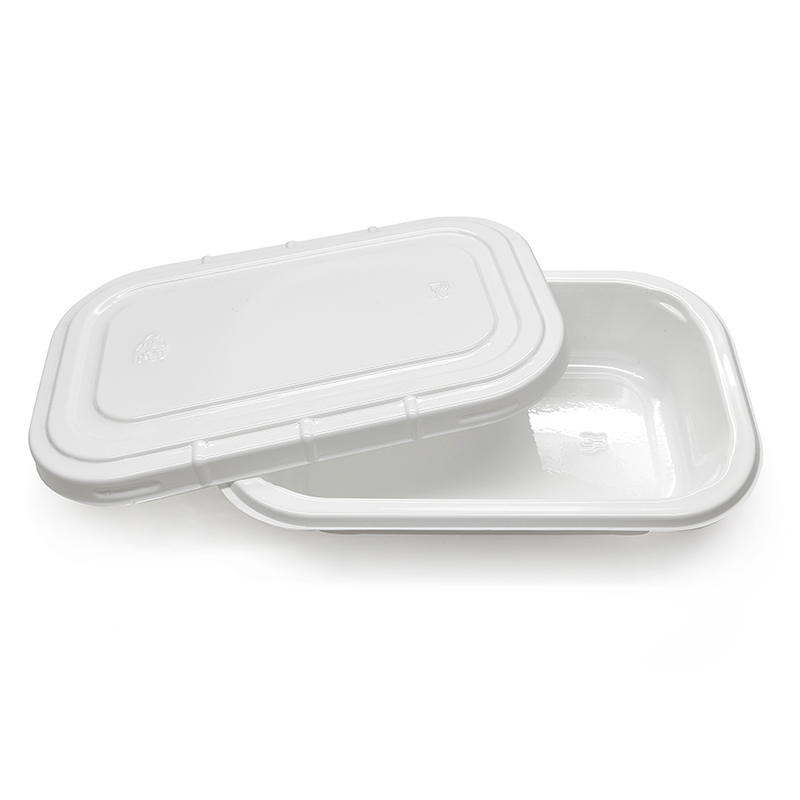
CPET offers several key benefits, making it an ideal choice for food packaging in the modern market:
-
Heat Resistance: CPET can withstand temperatures up to 200°C (392°F), making it ideal for use in hot food packaging and microwaveable containers.
-
Durability: The material is tough, impact-resistant, and won’t easily deform under pressure.
-
Microwave-Safe: CPET can safely be used in the microwave, making it a convenient choice for meal reheating.
-
Recyclability: CPET is recyclable and can be repurposed for use in other products, contributing to sustainability efforts.
7. Sustainability of CPET
Sustainability is a growing concern in the packaging industry, and CPET is an excellent material choice for environmentally-conscious businesses. While CPET is a plastic material, it is highly recyclable and can be reused to create RPET (Recycled PET), which is increasingly used in food packaging.
Recycling CPET:
-
CPET is fully recyclable, and many companies are working to incorporate recycled CPET into their production processes.
-
RPET is used to create new packaging materials, reducing the demand for virgin plastic and lowering the overall environmental impact.
Conclusion
CPET has quickly become one of the most trusted materials in the food packaging industry due to its heat resistance, microwave safety, and non-toxic properties. Whether it’s reheating meals in the microwave or storing hot foods, CPET ensures that the food remains safe and free from harmful substances. As consumer awareness of sustainability and health grows, CPET’s role as an eco-friendly and food-safe alternative continues to expand.
FAQ
1. Can CPET be used for all types of foods?
-
Yes, CPET is suitable for a wide range of foods, particularly those that need to be microwaved or exposed to high temperatures during cooking.
2. How does CPET compare with other microwave-safe materials like glass and ceramic?
-
CPET is more lightweight and cost-effective compared to glass or ceramic, making it a more practical option for single-use food packaging. It also offers better resistance to breakage and is suitable for disposable applications.
3. Is CPET recyclable?
-
Yes, CPET is fully recyclable. Recycled CPET (RPET) is commonly used to produce new food packaging materials, making it an environmentally friendly choice.
4. Can CPET containers be used for both hot and cold foods?
-
Yes, CPET is safe for use with both hot and cold food applications, providing excellent performance across a variety of temperature conditions.
5. What are the primary applications of CPET in the food industry?
-
CPET is most commonly used for microwaveable meal trays, ready-to-eat meal containers, take-out food packaging, and pre-packaged meals available in grocery stores.
References
-
Food Packaging Forum. “Safety of Plastics in Food Contact Materials.” Accessed November 2025. https://foodpackagingforum.org/.
-
FDA. “Food Contact Substances.” U.S. Food and Drug Administration. Accessed November 2025. https://www.fda.gov/.
-
American Chemistry Council. “The Benefits of CPET and PET in Food Packaging.” Accessed November 2025. https://www.americanchemistry.com/.
Copyright Statement
© 2025 Dashan Packing. All rights reserved.
This article is an original work created by the Dashan Packing editorial team.
All text, data, and images are the result of our independent research, industry experience,
and product development insights. Reproduction or redistribution of any part of this content
without written permission is strictly prohibited.
Dashan Packing is committed to providing accurate, evidence-based information and
to upholding transparency, originality, and compliance with global intellectual property standards.