

1. Introduction to CPET Food Packaging Boxes
CPET (Crystallized Polyethylene Terephthalate) is a highly versatile and durable material made from PET (Polyethylene Terephthalate). Through a process of crystallization, CPET gains enhanced heat resistance, making it ideal for packaging food items that require high-temperature handling, such as ready-to-eat meals, baked goods, and frozen foods.
What Makes CPET Important in Food Packaging?
The reason CPET is increasingly used in the food packaging industry is its high temperature tolerance and microwave compatibility, making it suitable for packaging both hot and cold food. It has become an essential material for convenience foods, as it ensures food safety and quality during transportation, storage, and reheating.
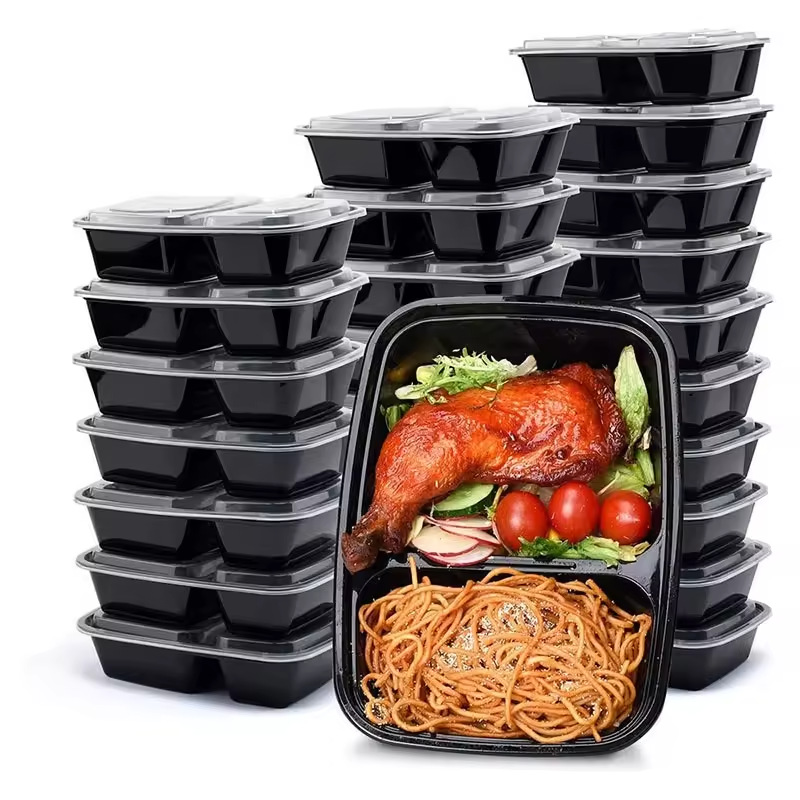
2. CPET Packaging Boxes in the Food Industry
Heat and Cold Food Packaging
One of the primary advantages of CPET packaging is its ability to handle both hot and cold food. Unlike traditional materials like PLA or PP, CPET can withstand high temperatures up to 220°C (428°F), which is crucial for reheating ready-to-eat meals in a microwave or oven. Similarly, it can also be used to package frozen foods without compromising the integrity of the packaging.
For example, CPET containers are widely used in packaging:
-
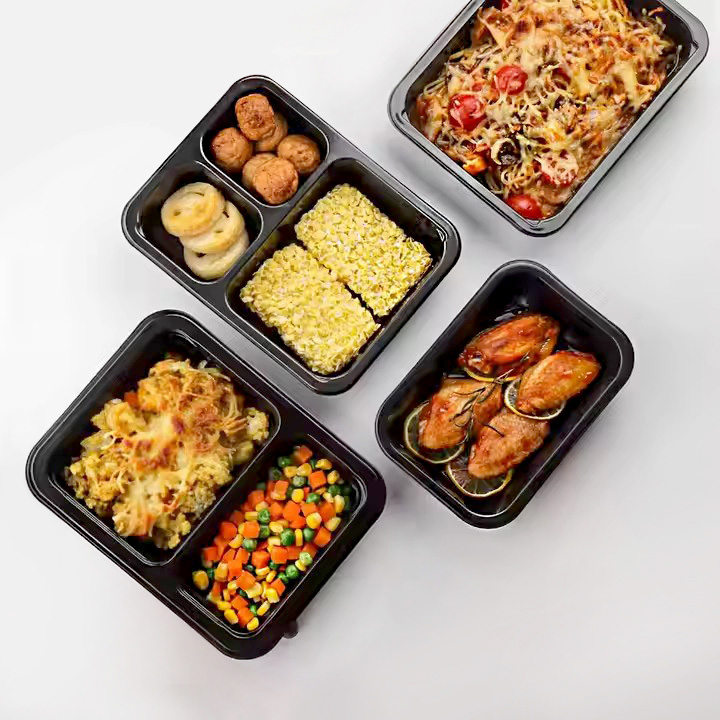
Hot foods: Ready-to-eat meals, pizza, baked casseroles, and other hot meal options.
-
Cold foods: Salads, deli items, desserts, and fresh fruits.
Common Applications
-
Microwaveable Food Containers: CPET packaging is ideal for meals that need to be microwaved, as it can resist the heat without warping, making it safe for food that requires reheating.
-
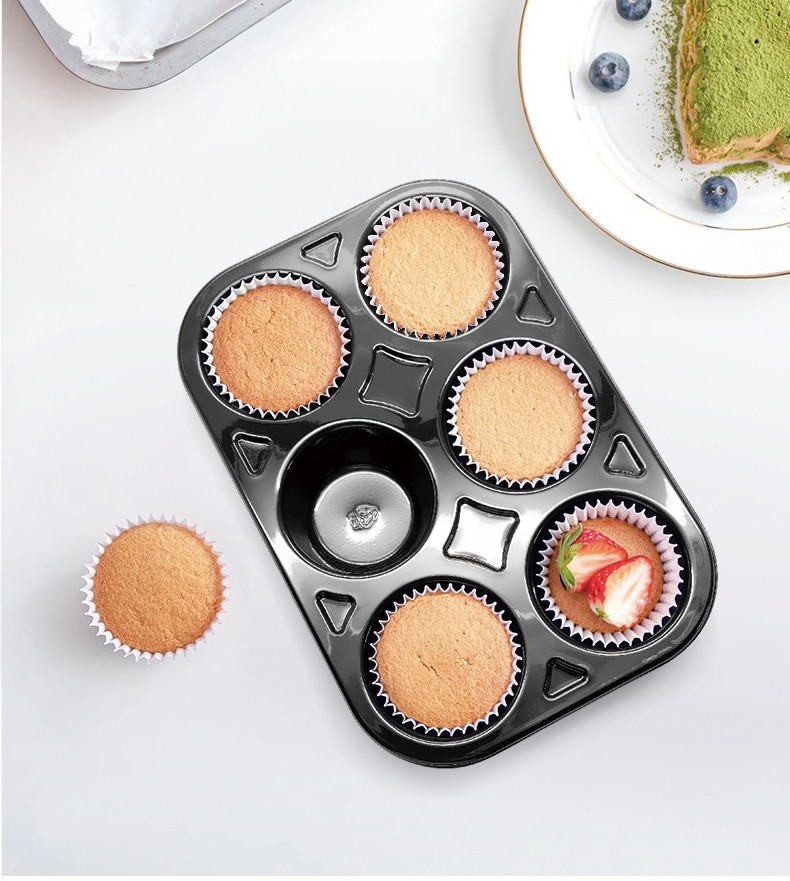
Baked Goods Packaging: CPET packaging is used in the bakery industry, where it serves as an effective way to package hot, baked products that require heating.
-
Frozen Food Packaging: CPET is excellent for frozen food packaging, such as frozen meals, pizza, and vegetables, due to its ability to withstand freezing temperatures and keep food fresh.
3. Sustainability of CPET Packaging Boxes
As sustainability becomes an essential factor in food packaging, CPET packaging offers several advantages:
Environmental Friendliness and Recycling
CPET is fully recyclable, and its production process is energy-efficient compared to other materials. By using recycled CPET, manufacturers can significantly reduce the carbon footprint associated with food packaging. Additionally, CPET is safe for food contact and does not release harmful chemicals when recycled, which makes it a safe and environmentally friendly choice.
Reducing Carbon Footprint
The carbon footprint of CPET packaging is notably lower than many alternatives due to its recyclability and low energy consumption during production. Its energy-efficient manufacturing process minimizes the emissions typically associated with packaging production, contributing to global sustainability efforts.
Market Demand for Sustainable Packaging
As consumer awareness of environmental issues grows, demand for sustainable packaging solutions like CPET has increased. Brands and food manufacturers are adopting CPET packaging to meet consumer expectations for eco-friendly packaging while maintaining the functionality and safety of food products.
4. Design and Functionality of CPET Packaging Boxes
Heat and Cold Resistance
CPET packaging can withstand a wide range of temperatures. From freezing temperatures to high heat in microwaves and ovens, CPET remains intact and performs reliably. This heat resistance allows food to be cooked, reheated, or frozen without compromising the integrity of the packaging.
-
Heat Resistance: CPET is capable of withstanding temperatures of up to 220°C (428°F), making it perfect for microwaveable and oven-safe packaging.
-
Cold Resistance: CPET packaging works equally well at low temperatures, preserving the quality of frozen or refrigerated foods.
Leak-Proof and Secure Sealing
One of the most critical aspects of food packaging is to prevent leakage. CPET packaging provides an airtight seal that prevents liquids and oils from leaking, making it an excellent option for soups, sauces, and takeout meals. This leak resistance ensures that food remains secure during transportation and storage, safeguarding food safety and quality.
Customization Options
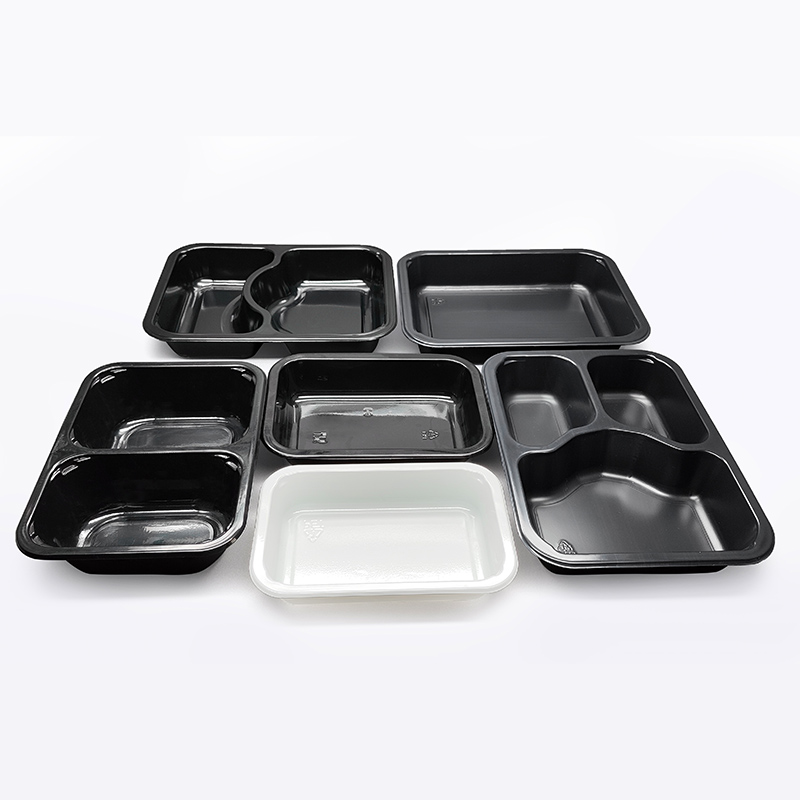
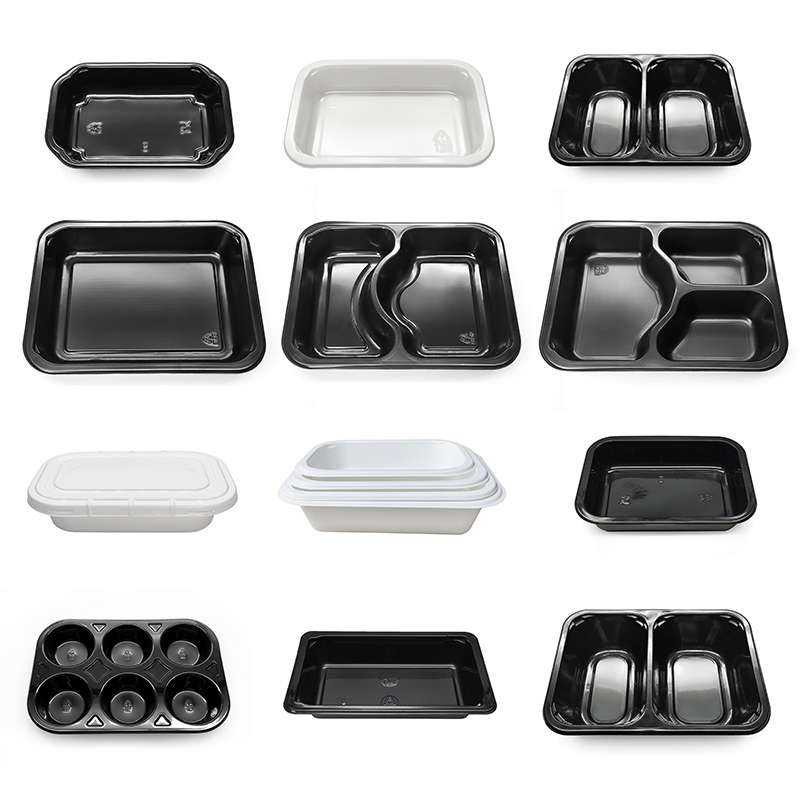
CPET packaging is highly customizable in terms of both size and design. Brands can choose from a variety of sizes, shapes, and packaging styles to fit their needs. Custom printing, embossing, and branding options further enhance the aesthetic appeal of CPET boxes, allowing businesses to differentiate themselves in the market. Whether it’s a single-serve meal container or a multi-compartment bento box, CPET offers flexibility in design.
5. The Manufacturing Process of CPET Packaging Boxes
The production process of CPET involves several steps that ensure the material’s high performance and durability:
-
Material Sourcing: The CPET resin is sourced from PET and is then crystallized to increase its heat resistance.
-
Thermoforming: CPET resin is heated and molded into various shapes using thermoforming techniques, which allows for precise shaping and design customization.
-
Cooling and Shaping: After molding, the CPET material is cooled to retain its strength and structure.
-
Sealing: Heat-sealing technology is used to ensure the packaging is airtight and tamper-proof.
This manufacturing process ensures that CPET packaging boxes are produced efficiently, while maintaining the high standards required for food safety and quality.
6. Market Trends and Future Outlook for CPET Packaging
Consumer Trends
As consumers demand more convenient, ready-to-eat meals, the need for microwaveable packaging has surged. CPET, with its ability to handle both hot and cold food, is perfectly positioned to meet these demands. Additionally, with growing consumer interest in sustainability, CPET packaging is increasingly preferred due to its recyclability and environmentally friendly production process.
Future Developments in CPET Packaging
CPET technology is expected to continue evolving, with improvements in its heat resistance, recyclability, and design flexibility. Innovations may include new composite materials to enhance barrier properties, making CPET even more effective in preserving food and extending shelf life.
7. Case Studies: Leading Brands Using CPET Packaging
Many leading brands have successfully incorporated CPET packaging into their operations:
-
Frozen Meal Brands: Brands offering frozen meals use CPET packaging to ensure the food remains fresh during transport and can be safely microwaved or oven-baked.
-
Takeout and Delivery Services: CPET packaging is often used in the takeout and delivery industries due to its ability to maintain the integrity of the food and prevent leaks during transport.
These examples highlight how CPET packaging plays a crucial role in improving food quality and customer satisfaction.
8. Frequently Asked Questions (FAQ)
-
Can CPET packaging be used in the microwave?
-
Yes, CPET packaging is microwave-safe and can withstand the high temperatures typically encountered during microwave reheating.
-
-
What is the recycling process for CPET packaging?
-
CPET is fully recyclable, and the material can be collected and processed through standard recycling streams, which helps reduce its environmental impact.
-
-
Can CPET packaging handle both high and low temperatures?
-
Yes, CPET packaging is highly versatile and can withstand both high heat and freezing temperatures without compromising its structural integrity.
-
-
How do manufacturers ensure CPET packaging meets food safety standards?
-
CPET packaging is produced following strict safety guidelines and is certified by FDA, EU, and other regulatory bodies to ensure it is safe for food contact.
-
9. Conclusion
In conclusion, CPET packaging boxes offer multiple advantages that make them ideal for packaging a variety of foods, both hot and cold. With their high heat resistance, microwave compatibility, and environmental benefits, CPET packaging is poised to become a leading solution in the food packaging industry. As the demand for convenience, sustainability, and food safety increases, CPET will continue to play an integral role in food packaging innovations and market growth.
References
-
Plastic Packaging Technology (2019). The Benefits of CPET in Food Packaging. Journal of Packaging Science & Technology. Available at: https://dashanpacking.blogspot.com/2025/12/cpet-airline-tray-vs-traditional-meal.html
-
PETRA – The PET Resin Association (2020). CPET vs PET: What’s the Difference?
-
Food Packaging Forum (2021). Sustainable Packaging: The Role of CPET in Food Safety. Available at:https://dashanpacking.blogspot.com/2025/11/cpet-food-packaging-does-not-produce.html
-
Recycling Today (2020). Recycling CPET: Trends and Innovations.
Copyright Statement
© 2025 Dashan Packing. All rights reserved.
This article is an original work created by the Dashan Packing editorial team.
All text, data, and images are the result of our independent research, industry experience,
and product development insights. Reproduction or redistribution of any part of this content
without written permission is strictly prohibited.
Dashan Packing is committed to providing accurate, evidence-based information and
to upholding transparency, originality, and compliance with global intellectual property standards.