
This article compares CPET Airline Trays with traditional meal tray materials, highlighting CPET’s advantages in heat resistance, food safety, and recyclability. It explains why CPET is becoming the top choice for airlines seeking sustainable and reliable packaging solutions for in-flight meals.
Introduction: The Importance of In-Flight Meal Packaging
In the highly competitive world of airline catering, the quality of meals served to passengers is a significant part of their travel experience. While airlines have long focused on the preparation and quality of the food itself, the packaging of those meals has often taken a backseat. However, with sustainability and convenience now at the forefront of the travel industry, meal packaging has become just as critical as the meal itself. Airlines need meal trays that offer not only durability and convenience but also sustainability and aesthetic appeal.
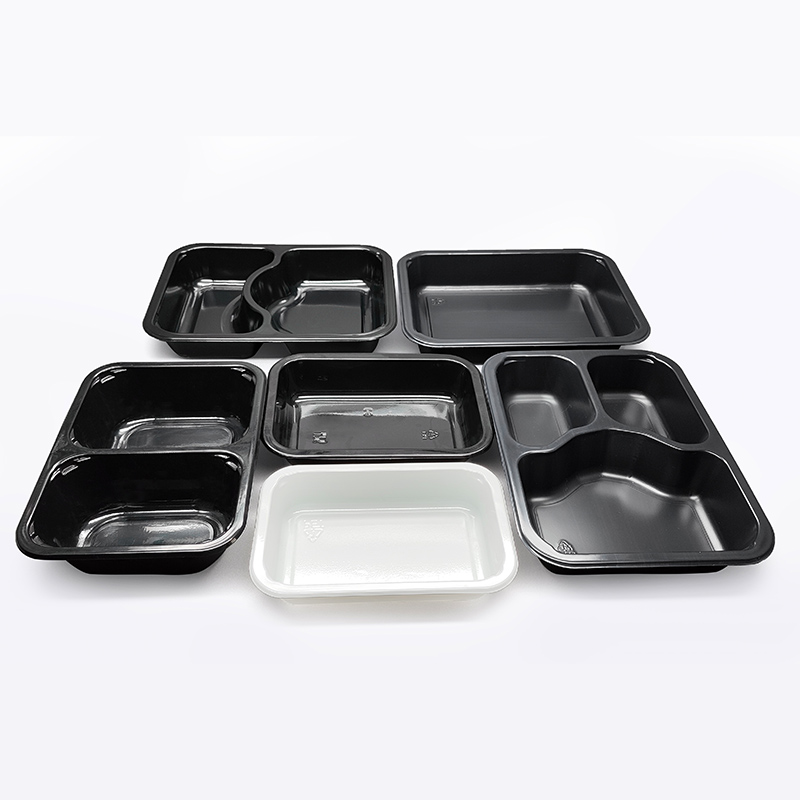
This is where CPET Airline Trays (Crystalline Polyethylene Terephthalate) come into play. Known for their superior heat resistance, microwave-safe properties, and eco-friendly credentials, CPET trays are quickly becoming the preferred choice for modern in-flight meal packaging. In contrast, traditional meal trays made from materials such as aluminum foil, polystyrene (PS), polypropylene (PP), and paper-based products present various challenges, especially when it comes to heat resistance, sustainability, and food safety. In this article, we will explore the key differences between CPET Airline Trays and traditional meal trays, helping you understand why CPET is leading the way in airline catering.
Company Introduction: Xiamen Dashan – A Leader in Airline Packaging Solutions
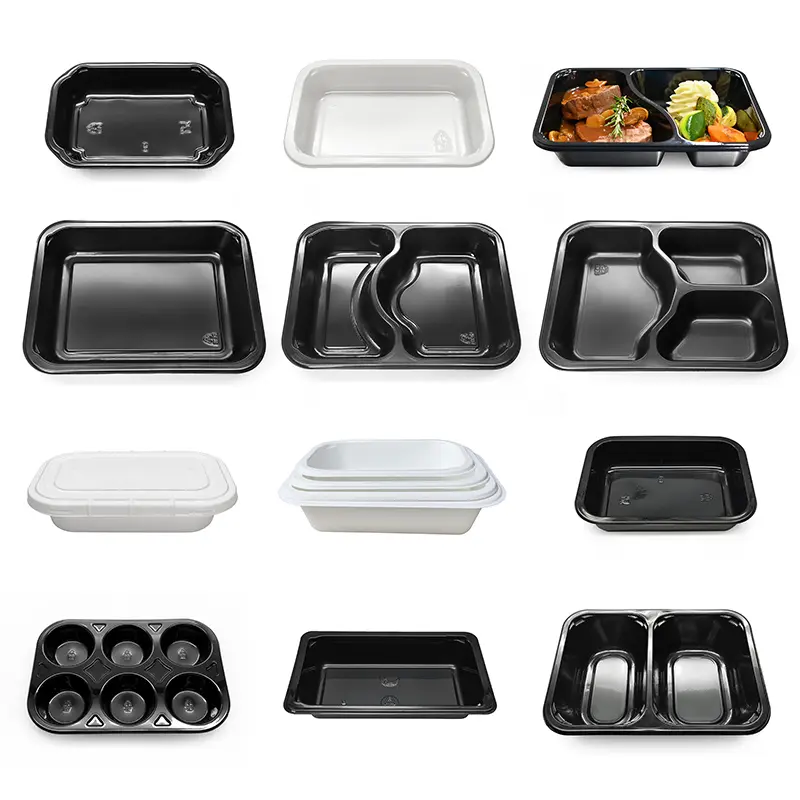
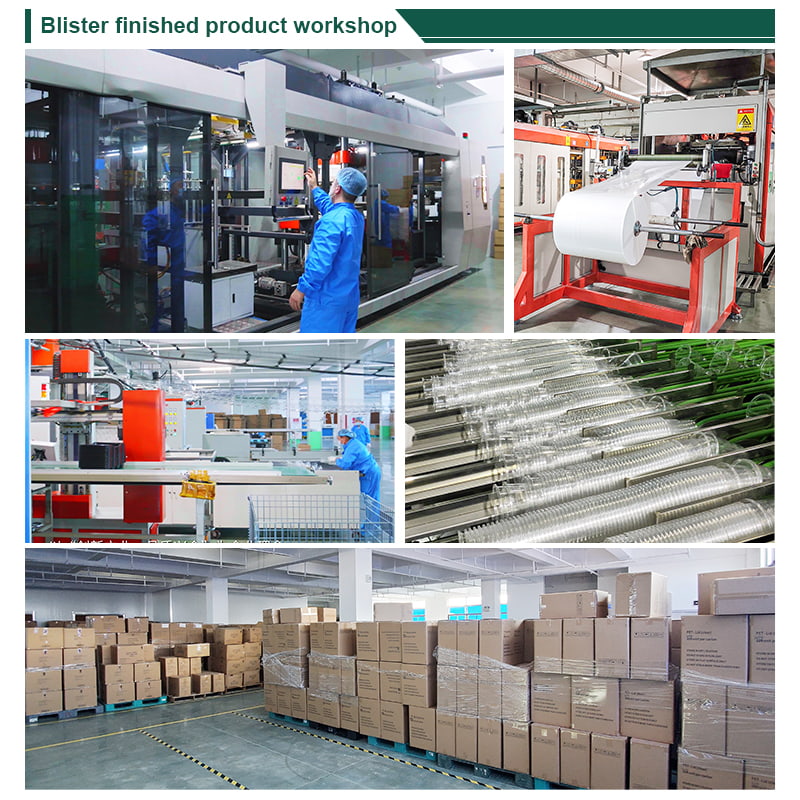
At Xiamen Dashan, we are a leading manufacturer of high-quality, sustainable food packaging solutions that meet the evolving needs of the airline catering industry. With over a decade of expertise in producing CPET, PET, PLA, and other eco-friendly packaging materials, Dashan has established itself as a trusted partner to airlines, caterers, and foodservice providers worldwide.
We pride ourselves on our commitment to sustainability, offering recyclable, safe, and highly functional packaging solutions that not only enhance the passenger dining experience but also align with the global trend toward environmental responsibility. Whether it’s CPET Airline Trays, PLA beverage cups, or eco-friendly meal boxes, our products are designed with both quality and the environment in mind. Through innovation and a customer-first approach, Dashan continues to provide packaging solutions that support sustainable practices in the aviation and foodservice sectors.
What is CPET? A Comprehensive Overview of Crystalline PET
CPET is a specialized form of Polyethylene Terephthalate (PET) that has been modified to include a crystalline structure, which grants it several advantages over standard PET. The key features of CPET include:
-
Heat Resistance: CPET has a high resistance to heat, able to withstand temperatures up to 220°C (428°F), making it suitable for high-temperature applications such as the reheating of meals in ovens and microwaves.
-
Microwave Safe: Unlike traditional materials like aluminum foil, CPET is microwave-safe, allowing for the easy reheating of meals without the risk of contamination or unsafe heating.
-
Transparency: CPET retains excellent clarity, allowing for visually appealing packaging that showcases the quality of the food inside, an important aspect of airline catering.
-
Recyclability: As with standard PET, CPET is fully recyclable, helping airlines reduce their environmental impact and align with sustainability initiatives.
These characteristics make CPET Airline Trays a superior choice for in-flight meal packaging, combining functionality with eco-friendly attributes.
Traditional Meal Trays: A Comparison of Materials
In contrast to CPET, traditional meal trays used in the airline industry are often made from a variety of materials, including aluminum foil, polystyrene (PS), polypropylene (PP), and paper-based materials. Each of these materials has its own set of pros and cons, which can affect their suitability for in-flight meals.
Aluminum Foil Trays
-
Pros: Aluminum is lightweight, can withstand high temperatures, and is a popular choice for traditional in-flight meal trays.
-
Cons: Aluminum trays are not microwave safe and cannot be used to reheat food in a microwave, limiting their versatility. They are also challenging to recycle, requiring high energy input for processing.
Polystyrene (PS) Trays
-
Pros: PS trays are lightweight and inexpensive, making them a cost-effective option for airlines.
-
Cons: Polystyrene is not microwave safe and can release harmful chemicals when exposed to high temperatures. It is also not recyclable in most regions, contributing to environmental waste.
Polypropylene (PP) Trays
-
Pros: PP trays are durable, microwave-safe, and relatively cost-effective compared to CPET trays.
-
Cons: While PP is more versatile than PS, it still cannot withstand the same level of heat as CPET and lacks the aesthetic clarity that CPET offers. Additionally, it is not as widely accepted in recycling programs.
Paper-Based Trays
-
Pros: Paper trays are biodegradable and can be made from recycled materials, making them an eco-friendly option.
-
Cons: Paper trays are not as durable as plastic or metal options and can easily tear, especially when exposed to moisture or heat. They are also not suitable for hot meals as they can degrade and affect the food’s quality.
CPET vs. Traditional Meal Trays: A Detailed Comparison
1. Heat Resistance
When it comes to heat resistance, CPET is far superior to traditional meal tray materials. CPET trays can withstand temperatures up to 220°C (428°F), making them ideal for reheating meals in ovens or microwaves without compromising their integrity. This ensures that airline meals stay hot and are safe for passengers to consume.
-
Aluminum foil can also withstand high temperatures but cannot be used in microwaves, making it less convenient for reheating.
-
Polystyrene can melt or warp at lower temperatures, making it unsuitable for hot meals or microwave use.
-
Polypropylene is microwave-safe but has a lower heat resistance compared to CPET, limiting its use for meals that need to be heated at high temperatures.
2. Food Safety and Quality
Food safety is a top priority in airline catering, and the choice of meal tray material plays a significant role in ensuring that meals remain safe for consumption. CPET is made from food-grade materials and does not leach harmful chemicals into the food, even when exposed to high temperatures. This makes CPET Airline Trays a safe and reliable choice for packaging in-flight meals.
-
Polystyrene (PS), on the other hand, is known to release styrene when exposed to high heat, which can be harmful to human health. This makes PS a poor choice for meal trays that need to undergo reheating.
-
Aluminum foil is food-safe but can affect the taste and texture of food when it comes into prolonged contact with acidic or hot meals.
-
Polypropylene is food-safe but may not provide the same level of protection against heat as CPET, especially when it comes to hot meals.
3. Environmental Impact
With growing concerns over plastic waste and environmental sustainability, CPET stands out as one of the most eco-friendly meal tray materials. CPET is fully recyclable and can be processed in the same recycling streams as standard PET bottles, helping to reduce landfill waste and promote a circular economy.
-
Aluminum foil is recyclable but requires significant energy for processing, and its recycling rate is lower than that of CPET in many regions.
-
Polystyrene (PS) is not recyclable in most areas and contributes significantly to plastic pollution, making it an environmentally harmful choice.
-
Polypropylene (PP) can be recycled but is often not accepted in curbside recycling programs, resulting in a lower recycling rate compared to CPET.
4. Aesthetic Appeal
In the competitive airline industry, presentation is key. CPET Airline Trays provide superior clarity, allowing passengers to clearly see their meal. This contributes to a more premium and visually appealing dining experience, which is especially important for airlines that want to provide an exceptional service to their passengers.
-
Aluminum foil lacks transparency, making it difficult for passengers to see their meal before it is opened.
-
Polystyrene (PS) also lacks clarity and may make the meal inside appear less appetizing.
-
Polypropylene offers some transparency but is not as clear or aesthetically pleasing as CPET.
Applications of CPET in Airline Catering
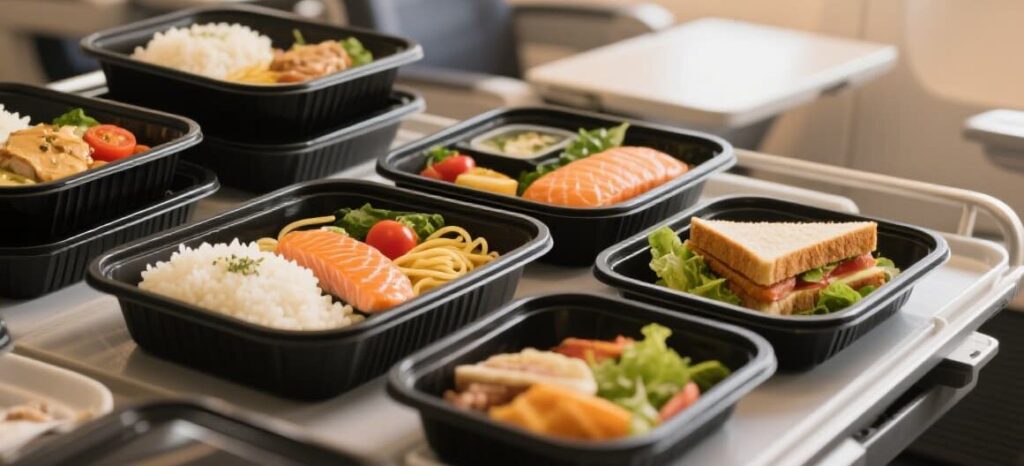
The versatility of CPET Airline Trays makes them ideal for a wide range of in-flight meal applications. Whether airlines are serving hot meals, cold salads, or dessert options, CPET can accommodate all types of food without compromising on quality or safety.
-
Hot Meals: CPET’s high heat resistance allows it to safely hold and reheat hot meals, making it an excellent choice for hot entrées, casseroles, and stews.
-
Cold Meals: CPET also works well for cold meals, such as salads, sandwiches, and fruits, thanks to its ability to retain its structure at lower temperatures.
-
Premium In-Flight Service: For airlines offering premium cabin services, CPET provides a sleek, transparent tray that enhances the overall dining experience, making it a perfect fit for first-class or business-class passengers.
Conclusion: Why CPET is the Future of Airline Meal Trays
In conclusion, CPET Airline Trays offer unparalleled benefits when compared to traditional materials like aluminum foil, polystyrene, and polypropylene. With their superior heat resistance, food safety, environmental sustainability, and aesthetic appeal, CPET trays represent the future of airline meal packaging. As airlines continue to prioritize sustainability and elevate the quality of their in-flight service, CPET will play a central role in meeting these goals.
By choosing CPET as their meal tray material, airlines not only ensure that their meals are served safely and efficiently but also contribute to a more sustainable and eco-friendly industry.
Frequently Asked Questions (FAQ)
-
Are CPET trays microwave safe?
-
Yes, CPET trays can be safely heated in a microwave, making them convenient for in-flight meal reheating.
-
-
What is the maximum temperature CPET can withstand?
-
CPET can withstand temperatures up to 220°C (428°F), making it ideal for hot meals.
-
-
Is CPET recyclable?
-
Yes, CPET is fully recyclable and can be processed in PET recycling streams.
-
-
Can CPET trays be used for both hot and cold meals?
-
Yes, CPET trays are suitable for both hot and cold food applications.
-
-
How does CPET compare to aluminum foil trays?
-
CPET offers better clarity, is microwave safe, and is more environmentally friendly than aluminum foil trays, which are not microwave safe.
-
References
-
“Polyethylene Terephthalate (PET) – A Complete Guide.” Plastics Europe. https://www.blogger.com/blog/post/edit/preview/8855752547943832776/165276692007022355
-
“The Rise of Eco-Friendly Airline Catering.” Sustainable Aviation. https://www.sustainableaviation.com
-
“CPET: The Best Packaging Solution for Airline Meals.” Food Packaging Forum. https://www.foodpackagingforum.org