

Quick Answer
When evaluating cornstarch vs sugarcane bagasse for eco-friendly takeout packaging, the choice comes down to whether you need a “partially biodegradable” option or a “100% compostable” solution:
-
Choose Sugarcane Bagasse if you need a 100% plastic-free, fully compostable container that can withstand hot oil, boiling water, and microwave heating. It is the gold standard for strict environmental compliance.
-
Choose Cornstarch Containers if you are looking for an affordable, slightly more eco-friendly alternative to pure plastic. However, be aware that most commercial cornstarch containers are blended with PP (Polypropylene) plastic to hold their shape and are not 100% compostable.
Why This Packaging Choice Matters for Your Bottom Line
The global push against single-use plastics has created a minefield for procurement managers. Falling into the “eco-trap” by purchasing the wrong material can lead to massive losses.
If you import containers labeled “biodegradable” that actually contain plastic polymers (like many cornstarch boxes), your shipment could be seized at customs, or your restaurant clients could face heavy fines from local environmental agencies. For buyers importing into strict regulatory markets, compliance is non-negotiable. To ensure your procurement strategy aligns with the latest European laws, we highly recommend reading our comprehensive guide on Understanding the EU Single-Use Plastics Directive for Food Packaging.
Understanding the real difference between cornstarch vs sugarcane bagasse ensures you buy legally compliant, functional packaging that protects your brand and your customers.
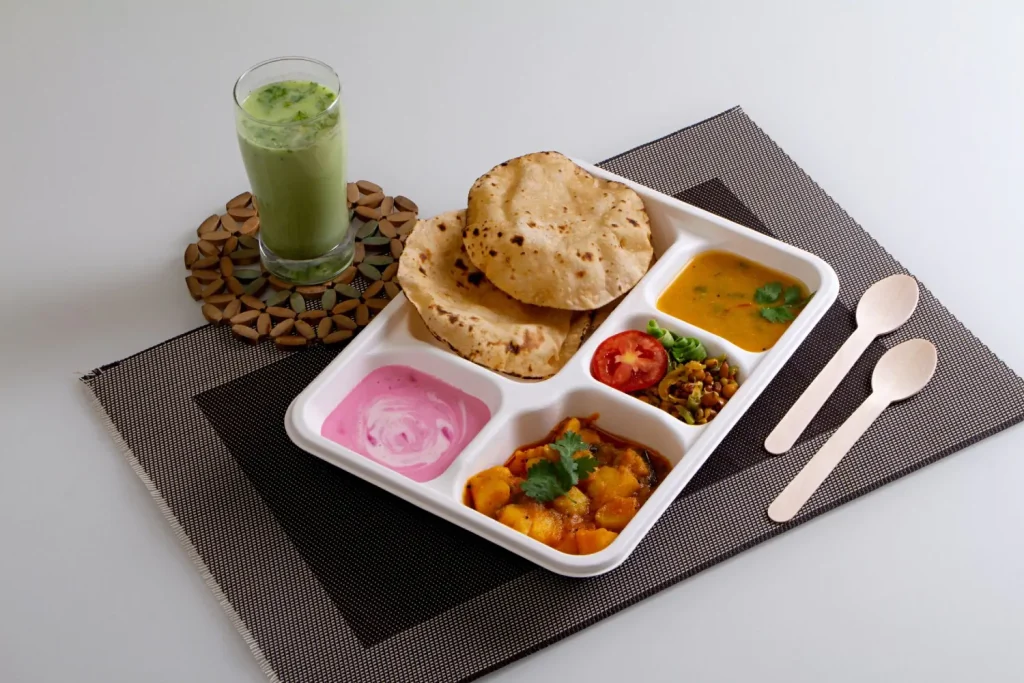
Comparison Table: Cornstarch vs. Bagasse Specs
Here is a clear, technical breakdown to help you navigate the cornstarch vs sugarcane bagasse debate:
| Feature / Specification | Sugarcane Bagasse | Cornstarch Containers |
| Material Composition | 100% Natural Plant Fiber (Bagasse) | Cornstarch blended with plastic (usually PP/PLA) |
| 100% Compostable? | ✅ Yes (Commercial & often backyard) | ❌ No (Usually only partially degradable) |
| Plastic-Free? | ✅ Yes | ❌ No (Contains 20%-40% plastic resin) |
| Max Heat Resistance | Up to 120°C (248°F) for hot oil/water | Up to 100°C (212°F) |
| Microwave Safe? | ✅ Yes (Excellent stability) | ⚠️ Yes (But may weaken depending on plastic ratio) |
| Grease & Oil Resistance | Excellent (Naturally insulating) | Good |
| Best Market Fit | Europe, California, Strict ESG brands | Regions with lenient plastic bans, budget eco-brands |
Deep Dive: Cornstarch Packaging – The “Biodegradable” Compromise
In the cornstarch vs sugarcane bagasse comparison, cornstarch is often misunderstood.
The Truth About the Plastic Blend
Raw cornstarch cannot form a rigid, heat-resistant takeout box on its own. To make the container durable and waterproof, manufacturers must blend the cornstarch with a plastic polymer—most commonly Polypropylene (PP) or sometimes PLA. A typical ratio is 60% cornstarch and 40% plastic.
The Environmental Impact
Because of this plastic content, standard cornstarch containers are “bio-based” and “partially degradable,” but they will leave behind microplastics. They cannot pass strict municipal composting certifications (like BPI or OK Compost). They are a good transition product to reduce overall plastic consumption, but they are not the ultimate green solution.
Deep Dive: Sugarcane Bagasse – The 100% Compostable Champion
When buyers compare cornstarch vs sugarcane bagasse, bagasse consistently wins in both performance and true sustainability.
A Zero-Waste Byproduct
Bagasse is the fibrous residue left over after sugarcane stalks are crushed to extract their juice. Instead of burning this agricultural waste, it is repurposed into highly durable food packaging. It contains absolutely zero petroleum-based plastics.
Unmatched Thermal Performance
Bagasse features a naturally porous, insulated structure. It handles boiling soups and 120°C hot frying oil without melting or leaking. Unlike smooth plastic, bagasse breathes slightly, which prevents condensation from turning crispy fried foods soggy during delivery. After use, it can fully biodegrade into nutrient-rich soil within 30 to 90 days in a commercial composting facility.
🔗 Ready to upgrade your packaging? Browse our full catalog of [100% compostable sugarcane bagasse containers]
⚠️ Common Buyer Mistakes in Eco-Packaging
Avoid these costly errors when sourcing biodegradable containers:
-
Trusting the Word “Biodegradable”: “Biodegradable” is a marketing term; “Compostable” is a certified standard. Cornstarch is often marketed as biodegradable, but only bagasse is truly compostable.
-
Ignoring PFAS Regulations: Historically, some bagasse products used PFAS (forever chemicals) to achieve oil resistance. Modern regulations ban this. Always demand PFAS-Free bagasse containers from your supplier.
-
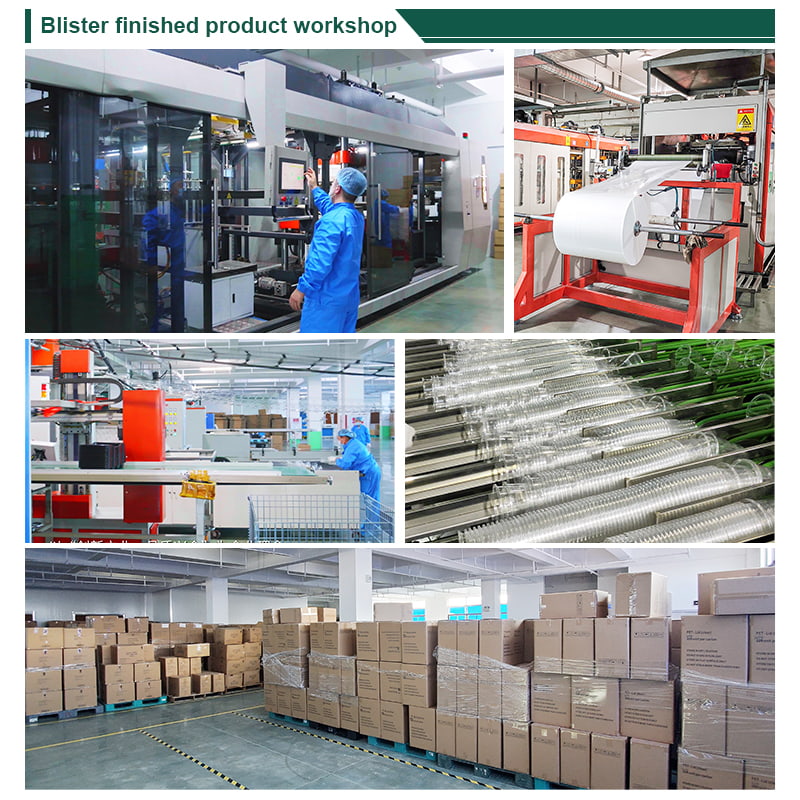
Mismatching Material with Local Laws: Buying cornstarch containers for the European or Californian market will result in blocked imports, as these regions demand 100% plastic-free, compostable solutions.Always verify your supplier’s capabilities. You can review our rigorous testing procedures and global compliance on our[factory certifications and manufacturing standards]
Practical Takeaway: How to Choose for Your Market
Make your purchasing decision using this simple cornstarch vs sugarcane bagasse checklist:
-
You are importing to the EU, UK, Canada, or California: Buy Sugarcane Bagasse. You must have 100% plastic-free, compostable products to pass customs and local laws.
-
You need to pack heavy, boiling hot soups or fried foods: Buy Sugarcane Bagasse. Its heat insulation and breathability are superior.
-
You are in a market with lenient plastic laws and need a budget-friendly “green” alternative: Buy Cornstarch Containers. They offer a lower price point while still reducing overall plastic usage compared to 100% PP containers.
Frequently Asked Questions (FAQ)
1. Is sugarcane bagasse better than cornstarch for hot food?
Yes. Bagasse is much more structurally stable under high heat (up to 120°C). It will not melt or leach chemicals into hot liquids, whereas cornstarch blends can weaken due to their plastic polymer content.
2. How long does it take for bagasse to decompose?
In a commercial composting facility, sugarcane bagasse typically breaks down entirely within 30 to 90 days. In a home compost bin, it may take 90 to 180 days, depending on temperature and moisture.
3. Are cornstarch containers plastic-free?
No. The vast majority of commercial cornstarch takeout boxes contain between 20% to 40% plastic (like PP) to bind the starch together and make it waterproof.
4. What does PFAS-Free mean for bagasse containers?
PFAS are synthetic chemicals once used to make paper and bagasse products grease-resistant. Due to health concerns, strict markets now ban them. PFAS-free bagasse uses natural, alternative sizing agents to achieve oil and water resistance safely.
5. Can I freeze food in bagasse containers?
Yes, bagasse performs excellently in cold chains. It is freezer-safe and will not crack or become dangerously brittle under deep-freeze conditions.
6. Which material is more expensive?
Generally, 100% compostable sugarcane bagasse is slightly more expensive than cornstarch containers because of the pure, plastic-free manufacturing process and the strict certifications required.
Secure Certified Eco-Friendly Packaging with Dashan
Procuring true eco-friendly packaging doesn’t have to be a guessing game. At Dashan, we manufacture premium, certified PFAS-Free Sugarcane Bagasse and customized food packaging solutions designed to pass the strictest global customs and impress your eco-conscious consumers.
Ensure your next shipment is 100% compliant.
👉 [Contact Us Today] to request your Free Bagasse Sample Pack and our latest compliance certificates. Test the quality yourself before securing your bulk order!
References & Industry Standards
This guide is supported by environmental testing protocols and compliance standards from leading authorities:
-
Biodegradable Products Institute (BPI): Official standards for commercial compostability and PFAS-free certification for plant-based packaging.
-
European Commission: Policy updates and enforcement guidelines on the EU Single-Use Plastics (SUP) Directive.
-
U.S. Food and Drug Administration (FDA): Federal regulations and safety assessments for food-contact materials, including plant-based fibers.
Copyright & Legal Disclaimer
© 2026 Dashan Packing. All rights reserved.
This material and packaging selection guide is an original work produced by the Dashan Packing technical and export consultancy teams. Unauthorized reproduction, distribution, or commercial use of any part of this content without explicit written consent from Dashan Packing is strictly prohibited. The information provided is intended for general guidance only and should not be construed as formal legal or specific customs clearance advice. Always consult with your local regulatory bodies for the latest laws specific to your destination market.