

Introduction
As governments, consumers, and businesses place increasing emphasis on sustainability, demand for eco-friendly food packaging continues to grow worldwide. Restaurants, beverage chains, supermarkets, catering companies, and food delivery platforms are actively searching for alternatives to conventional petroleum-based plastics.
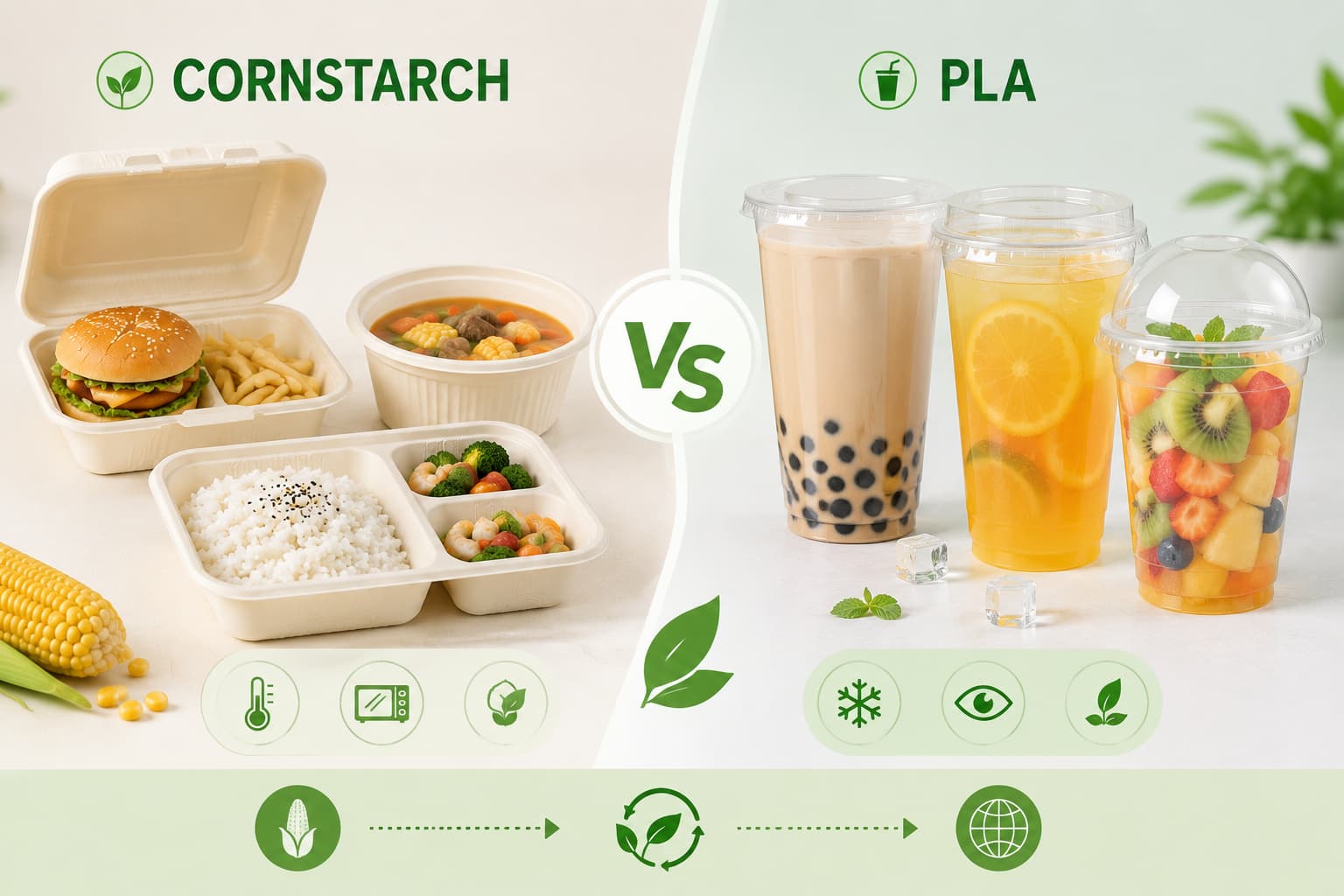
Among the most popular solutions currently available are cornstarch packaging and PLA packaging.
At first glance, both materials appear environmentally friendly and are often grouped together under the category of sustainable packaging. However, many buyers quickly discover that they perform very differently in real-world applications.
Questions such as these are becoming increasingly common:
- Which material is better for hot food?
- Can PLA cups hold hot drinks?
- Are cornstarch containers stronger than PLA containers?
- Which material is more suitable for food delivery?
- Which option offers better value for money?
Understanding the differences between cornstarch and PLA packaging is essential for making the right purchasing decision.
The truth is that neither material is universally better. Each has unique advantages and is designed for different applications.
This guide will help buyers understand how these materials compare and how to choose the most suitable packaging solution for their business.
Understanding Cornstarch Packaging
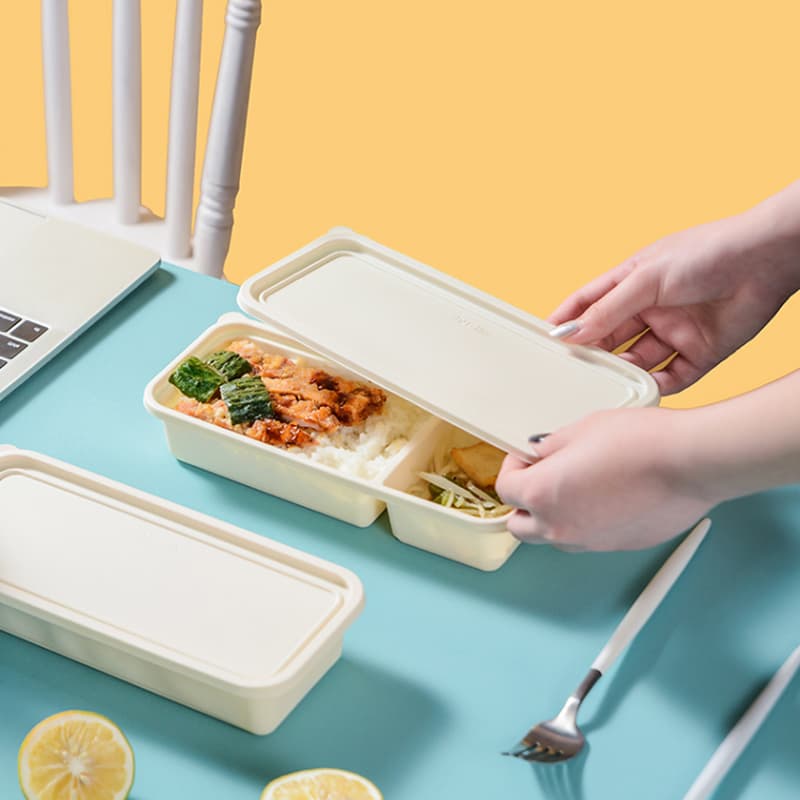
Cornstarch packaging is manufactured using plant-based starch materials derived primarily from corn.
Modern cornstarch containers are not simply made from raw corn powder. Manufacturers use advanced formulations that combine starch with biodegradable components to improve strength, durability, and heat resistance.
As a result, today’s cornstarch packaging can handle many demanding foodservice applications.
Common products include:
- Lunch boxes
- Meal containers
- Takeaway trays
- Bowls
- Multi-compartment containers
- Hinged clamshell boxes
Many restaurants and takeaway businesses choose 🌱 [Cornstarch Lunch Box Series] because these products combine sustainability with practical performance.
What Makes Cornstarch Packaging Popular?
One of the biggest advantages of cornstarch packaging is its ability to handle hot foods.
Unlike some compostable materials that soften easily under heat, quality cornstarch containers can withstand:
- Rice dishes
- Fried foods
- Noodles
- Pasta
- Stir-fried meals
- Fast food items
This makes cornstarch particularly attractive for food delivery businesses.
As online ordering continues to grow globally, packaging must survive transportation while maintaining food quality.
For many restaurants, cornstarch containers provide an effective balance between sustainability and functionality.
Understanding PLA Packaging
PLA stands for Polylactic Acid.
It is produced from renewable plant sugars, typically derived from corn.
Unlike cornstarch packaging, PLA is best known for its transparency.
In fact, many consumers cannot immediately distinguish a PLA cup from a traditional PET plastic cup because both materials offer excellent clarity.
This transparent appearance has made PLA extremely popular for:
- Cold beverage cups
- Smoothie cups
- Juice cups
- Fruit tea packaging
- Iced coffee cups
- Dessert containers
Many beverage brands choose 🥤 [PLA Cup Series] because customers can clearly see the product inside.
Visual presentation plays an important role in purchasing decisions, especially in cafés, bubble tea shops, and retail environments.
Why PLA Is Commonly Used for Cold Drinks
The greatest strength of PLA packaging is appearance.
Consumers often associate transparent packaging with:
- Freshness
- Cleanliness
- Premium quality
- Product visibility
This explains why PLA has become a preferred material for cold beverage packaging.
However, PLA also has limitations.
Unlike cornstarch containers, PLA is generally not suitable for high-temperature applications.
Hot liquids can cause deformation and reduce structural stability.
This means PLA performs best when used for:
- Cold drinks
- Chilled desserts
- Fresh fruit cups
- Cold food applications
For businesses focused on beverage presentation, PLA remains an attractive option.
Cornstarch vs PLA: Side-by-Side Comparison
| Feature | Cornstarch | PLA |
|---|---|---|
| Raw Material | Corn Starch | Corn Sugar |
| Appearance | Opaque | Transparent |
| Hot Food | ✔ | ✖ |
| Cold Drinks | ✔ | ✔ |
| Microwave Use | ✔ | ✖ |
| Heat Resistance | High | Low |
| Food Delivery | Excellent | Limited |
| Product Visibility | Moderate | Excellent |
| Structural Strength | High | Medium |
| Beverage Applications | Limited | Excellent |
This comparison highlights why the two materials are often used for completely different purposes.
Which Material Is Better for Hot Food?
For hot meals, cornstarch packaging is generally the stronger choice.
Hot foods create several challenges:
- High temperatures
- Steam buildup
- Oil exposure
- Transportation stress
A packaging material must remain stable under all these conditions.
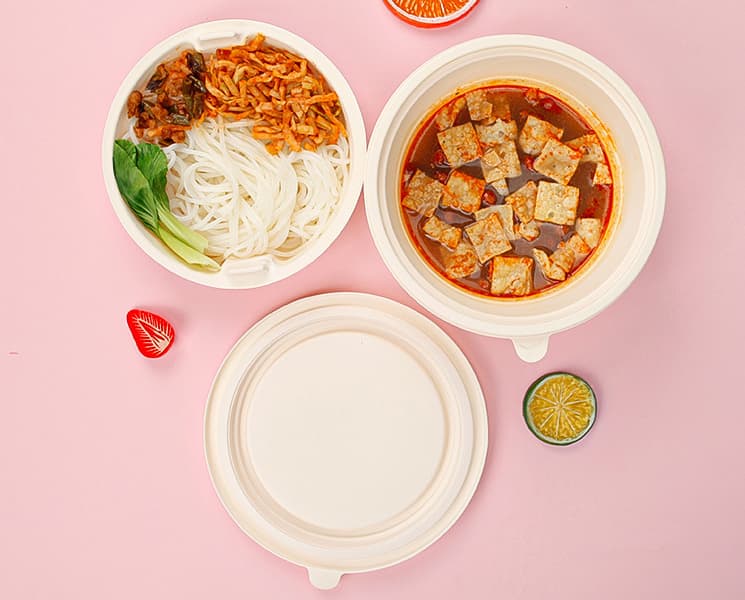
Cornstarch containers are commonly used for:
- Lunch boxes
- Rice meals
- Noodle dishes
- Meal preparation services
- Catering applications
Many foodservice operators select 🍱 [Cornstarch Food Containers] because they can handle both heat and transportation demands more effectively than PLA.
PLA, on the other hand, is not designed for sustained exposure to high temperatures.
For this reason, it is rarely used for hot takeaway meals.
Which Material Is Better for Cold Drinks?
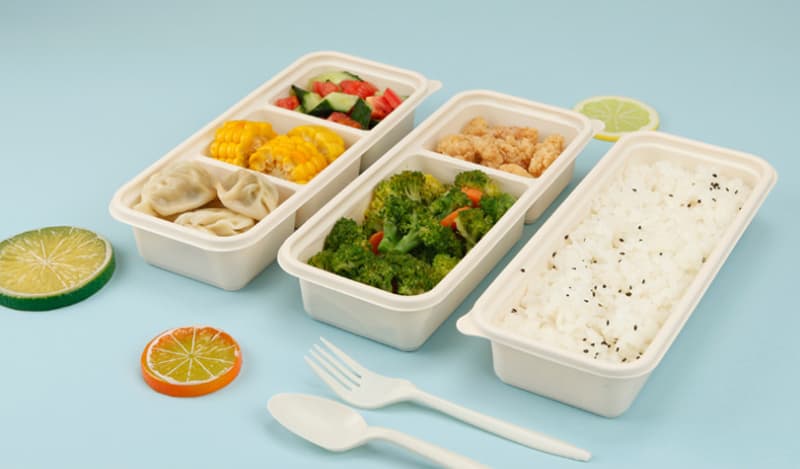
When it comes to cold beverages, PLA has a clear advantage.
Consumers purchasing beverages often expect attractive packaging that showcases the product.
Transparency becomes a powerful marketing tool.
Colorful beverages such as:
- Bubble tea
- Smoothies
- Fruit tea
- Cold brew coffee
- Juice blends
all benefit from clear packaging.
PLA cups allow customers to see the product immediately, creating a stronger visual impact.
This is one reason why PLA continues to be widely used by beverage chains worldwide.
Which Material Performs Better During Transportation?
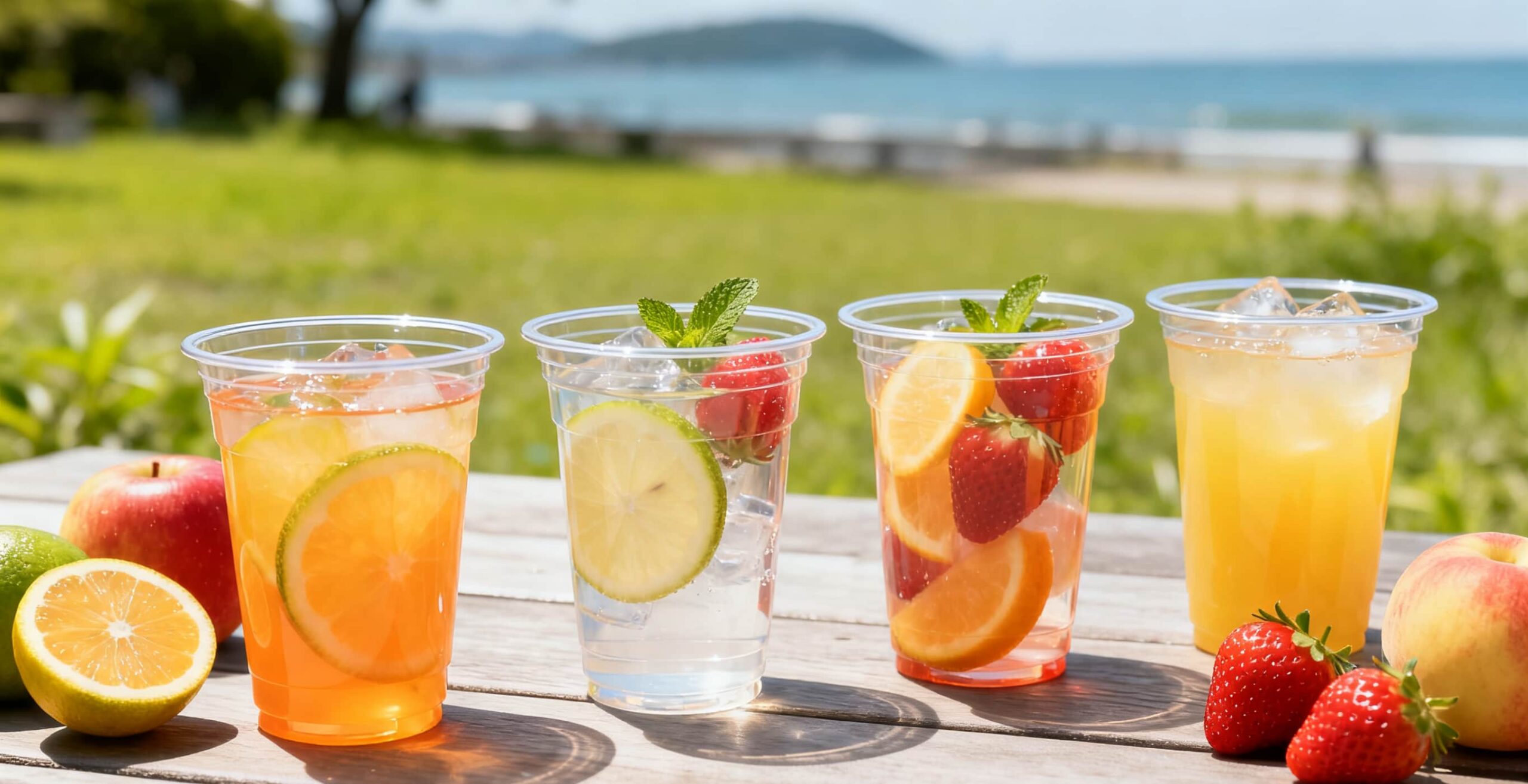
Transportation exposes food containers to stacking pressure, vibration, temperature changes, and handling stress. Cornstarch containers generally perform better for hot meals because of their thicker walls and reinforced design. Multi-compartment cornstarch trays maintain shape and prevent spills during delivery, making them ideal for meal delivery and catering operations.
PLA, being more brittle under stress, can deform if exposed to heavy stacking or sudden impact. It is best reserved for cold beverage transport where weight and heat are not an issue.
For reliable delivery, many businesses integrate 🌍 [Sustainable Packaging Solutions] into their logistics, combining cornstarch containers for hot meals with PLA cups for cold drinks.
Which Material Is More Sustainable?
Both materials are plant-based, but they differ in sustainability characteristics:
- Cornstarch containers are compostable, renewable, and better suited for hot food, reducing reliance on petroleum-based plastics.
- PLA is also renewable and compostable, but limited in heat applications and generally requires industrial composting facilities for breakdown.
Cornstarch containers help businesses meet ESG targets and reduce landfill contributions. This makes them especially appealing for restaurants, catering companies, and eco-conscious brands. Businesses often choose 🌱 [Cornstarch Lunch Box Series] for hot meals while using PLA for beverages.
Which Material Costs More?
Cost is an important factor for procurement managers.
- Cornstarch containers are slightly more expensive than PLA due to higher raw material content, thickness, and heat-resistant design.
- PLA cups are cost-effective for cold drinks, but their performance is limited for hot food applications.
Volume, supplier region, and order size also influence final pricing. Companies must balance cost with performance, sustainability, and customer expectations.
Why More Buyers Are Working With Sustainable Packaging Suppliers
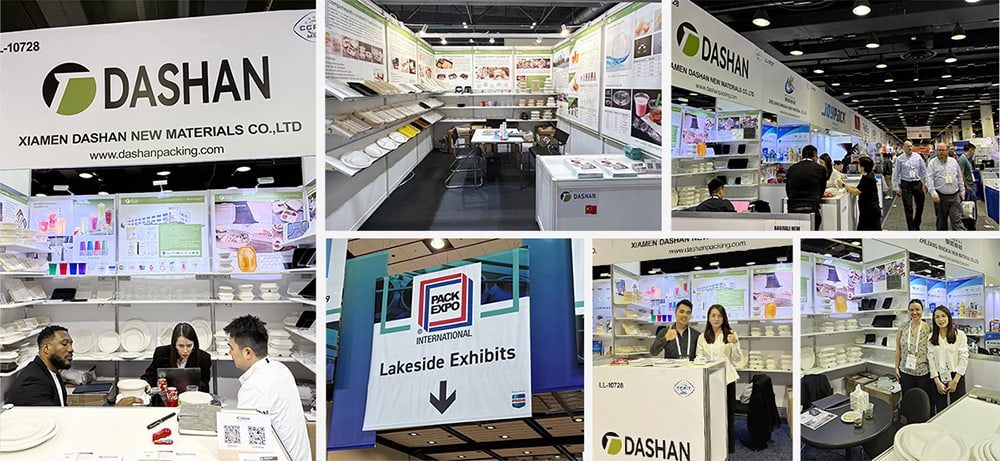
Reliable suppliers provide not just products, but also expertise, quality control, and compliance support. Experienced manufacturers like 🏭 [About DaShan] offer:
- Consistent cornstarch and PLA product quality
- Compliance with food safety regulations
- Customization options for branding and portion sizes
- Supply chain reliability for restaurants, catering, and delivery businesses
Partnering with trusted suppliers ensures packaging performs under real-world conditions, reducing waste, returns, and customer complaints.
Choosing the Right Packaging for Your Business
Cornstarch Best For
- Hot meal containers
- Takeout lunches
- Multi-compartment trays
- Soupy or oily meals
- Meal prep and catering services
PLA Best For
- Cold beverage cups
- Smoothies and milk tea
- Juice and iced coffee
- Transparent dessert cups
- Retail-ready packaged drinks
For consultation on selecting the right packaging, [📩 Contact Us].
FAQ
Is cornstarch packaging compostable?
Yes, cornstarch containers are generally compostable in industrial composting facilities and help reduce landfill waste.
Can cornstarch containers go in the microwave?
High-quality cornstarch containers are designed to handle microwaving for hot foods.
Are PLA cups suitable for hot drinks?
No, PLA is not recommended for hot food or beverages as it may deform under heat.
Which material is stronger for transportation?
Cornstarch containers are stronger for hot foods and heavy meal transport, while PLA is better for cold beverages only.
Which material is more cost-effective?
PLA is cheaper for cold drinks, whereas cornstarch is slightly more expensive but necessary for hot meals and food delivery.
Can both materials be customized?
Yes, both cornstarch and PLA products support custom branding, printing, and sizing.
Quick Summary
Cornstarch and PLA are both plant-based, eco-friendly packaging options, but they serve different purposes. Cornstarch is best for hot meals, heavy or oily foods, and meal delivery, while PLA is ideal for cold drinks and transparent applications. Businesses should select materials based on food type, delivery requirements, sustainability goals, and branding needs.
Conclusion
Choosing the right packaging material is critical for operational efficiency, food safety, and customer satisfaction. Cornstarch containers excel in hot food applications and offer strong performance for takeaway, catering, and delivery. PLA is best used for cold beverages where transparency enhances product appeal.
By understanding the strengths and limitations of both materials, businesses can optimize their packaging strategies, improve sustainability outcomes, and maintain product quality. Partnering with experienced suppliers like DaShan ensures access to reliable, high-quality cornstarch and PLA packaging solutions.
References
- European Bioplastics – https://www.european-bioplastics.org
- Biodegradable Products Institute (BPI) – https://bpiworld.org
- Compost Manufacturing Alliance – https://compostmanufacturingalliance.com
- Sustainable Packaging Coalition – https://sustainablepackaging.org
- World Wildlife Fund Sustainable Packaging Resources – https://www.worldwildlife.org
- DaShan Packaging Technical Documentation – https://www.dashanpacking.com
Copyright Notice
© 2026 DaShan Packaging. All Rights Reserved.
All content, including text, tables, and graphics, is protected by copyright and intellectual property laws. Reproduction, distribution, or commercial use without prior written permission is prohibited. For inquiries, consultation, or authorized usage, please [📩 Contact Us].