
Introduction
In recent years, corn starch tableware has gained significant traction as an eco-friendly alternative to traditional plastic tableware. As the world becomes increasingly concerned with the environmental impact of plastic pollution, businesses and consumers alike are seeking more sustainable options for everyday products. Corn starch tableware, derived from a natural renewable resource, has proven to be not only biodegradable but also durable and functional. This has made it a popular choice for various industries, particularly in the foodservice sector.
In this article, we will explore why corn starch tableware is gaining popularity in different countries, the science behind its ability to maintain its integrity in liquids like soups and stews, and why it’s considered one of the leading sustainable options in food packaging. We will also delve into its benefits, challenges, and future prospects.

1. What is Corn Starch Tableware?
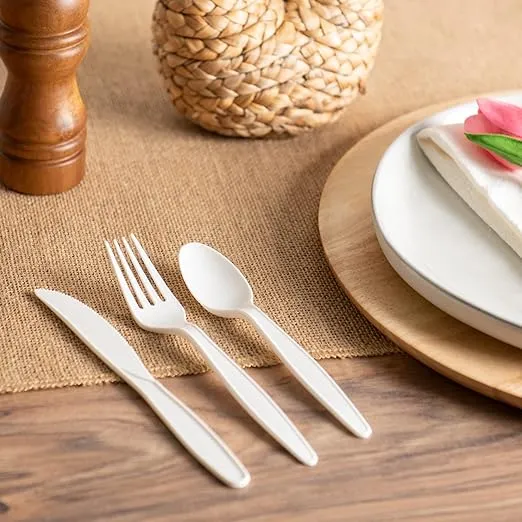
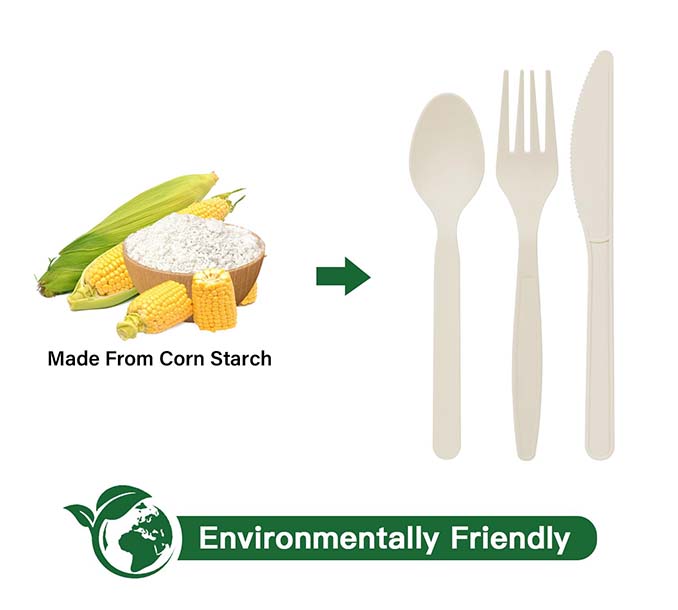
Corn starch tableware is made from the starch extracted from corn, which is a naturally abundant and renewable resource. This material is processed through various techniques to create tableware such as plates, bowls, cutlery, and take-out containers. Unlike traditional plastic, which is petroleum-based and non-biodegradable, corn starch tableware can break down naturally in the environment without causing long-term harm.
The process of creating corn starch tableware involves converting corn starch into a polymer that can be molded into different shapes, making it both functional and cost-effective. The result is a product that maintains its structural integrity even when exposed to heat and moisture, making it ideal for use in both dry and wet foods.
2. Global Adoption and Preference for Corn Starch Tableware
A. Regulatory Support and Sustainability Initiatives
As governments and international organizations ramp up their efforts to curb plastic waste and promote sustainability, corn starch tableware has been embraced in various regions. Policies such as plastic bans in Europe and North America have increased the demand for sustainable alternatives. In countries like the United States, the European Union, and Canada, there has been significant progress in legislation that encourages or mandates the use of biodegradable materials in packaging and foodservice items.
For example, the EU’s ban on single-use plastic items, which came into effect in 2021, has paved the way for the adoption of biodegradable alternatives such as corn starch tableware. This is part of a broader global movement towards reducing plastic waste and fostering a more sustainable circular economy.
B. Consumer Preferences and Environmental Awareness
Consumers in developed markets are becoming more eco-conscious and prefer to purchase products that align with their values, particularly in regard to sustainability. The increasing awareness of plastic pollution has encouraged people to seek biodegradable, renewable alternatives. Corn starch tableware is a compelling choice for consumers who want to reduce their environmental footprint while still enjoying the convenience and functionality of disposable products.
C. Cost and Functionality
In addition to its environmental benefits, corn starch tableware is also economically competitive. Compared to plastic alternatives, it is often more cost-effective for businesses, particularly in the foodservice industry, which must balance quality and affordability. The functionality of corn starch tableware, such as its ability to hold hot and wet foods without deteriorating, makes it a versatile and practical solution for takeout restaurants, catering services, and event planning businesses.
3. Key Features of Corn Starch Tableware
A. Durability and Resistance to Liquids
One of the key benefits of corn starch tableware is its remarkable resistance to liquids. Unlike paper-based products or even some bioplastics that tend to soften or disintegrate when exposed to hot or wet foods, corn starch tableware maintains its form and structure even in soups, stews, and other liquid-based meals.
This durability is achieved through a unique manufacturing process, which strengthens the molecular structure of corn starch, making it water-resistant. It’s important to note that corn starch tableware is not impermeable to liquids, but it can maintain its functionality for a significantly longer time than other biodegradable materials.
B. Eco-friendly and Biodegradable Properties
Corn starch is a natural polymer, making corn starch tableware fully biodegradable under the right conditions. It breaks down much faster than traditional plastics, which can take hundreds of years to degrade. This makes corn starch tableware a highly sustainable option for businesses looking to reduce their waste footprint.
When disposed of properly, corn starch tableware degrades into carbon dioxide, water, and small amounts of biomass, leaving no toxic residue behind. This biodegradability, along with the renewable nature of corn as a resource, makes it a perfect choice for eco-conscious consumers.
C. Non-Toxicity and Food Safety
Unlike plastic tableware, which may contain harmful chemicals such as BPA, corn starch tableware is free of toxic substances. This makes it a safe choice for food contact, ensuring that no harmful chemicals leach into the food. Corn starch tableware is non-toxic and is typically certified for use with food items, adding an additional layer of reassurance for consumers.
4. Why Corn Starch Tableware Doesn’t Soften in Soup or Liquids
The Science Behind Its Structure
The ability of corn starch tableware to resist softening in liquid can be attributed to its unique manufacturing process. When corn starch is processed into a polymer, it undergoes a series of chemical and physical changes that increase its water resistance. This results in a product that can withstand high temperatures and moisture without disintegrating.
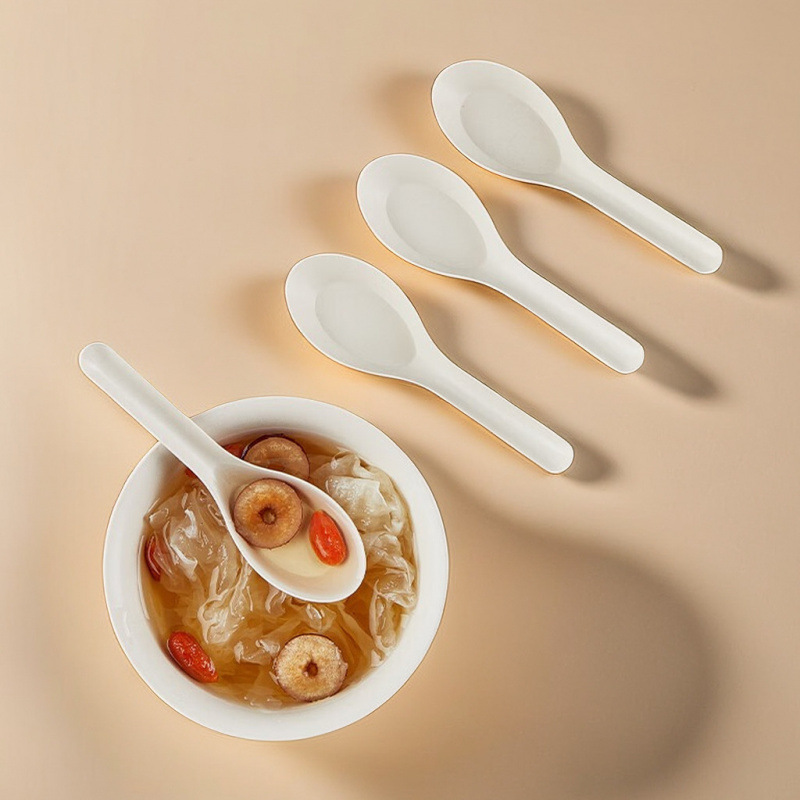
Unlike paper-based or other biodegradable materials, which absorb moisture and lose their structural integrity, corn starch tableware retains its strength due to the crystalline structure formed during processing. This crystalline structure helps the tableware resist the effects of liquids, enabling it to hold up in soups, sauces, and even liquids like hot beverages.
Comparison with Other Biodegradable Materials
When compared to other biodegradable materials like PLA (polylactic acid) or paper, corn starch tableware has superior moisture resistance. PLA, for instance, while compostable, may soften and lose its shape in hot liquids. Paper, on the other hand, tends to disintegrate when exposed to liquids for extended periods. Corn starch tableware combines the biodegradability of these materials with the strength needed to handle wet and hot foods.
5. Why Different Countries Prefer Corn Starch Tableware
A. Regulatory Support and Environmental Policies
Countries like Canada, Germany, and the UK have stringent waste management policies and have encouraged businesses to switch to biodegradable alternatives. The European Union, for example, is a major advocate for compostable and biodegradable materials, especially in food packaging. This has spurred the adoption of corn starch tableware as businesses aim to meet these regulatory standards while catering to consumer demand.
B. Cultural Preferences
In many countries, particularly in Asia, the emphasis on food safety and cleanliness is paramount. Corn starch tableware offers a non-toxic, safe alternative to plastic, which may contain harmful substances like BPA or phthalates. As a result, in regions with strong food safety regulations, corn starch tableware is becoming the preferred option for both traditional and modern foodservice applications.
C. Market Demands and Trends
The increasing global demand for eco-friendly products is a driving factor behind the widespread adoption of corn starch tableware. Consumers are not only seeking alternatives to plastic but are also looking for solutions that align with a sustainable lifestyle. The rise in awareness around climate change and the importance of reducing carbon footprints has made sustainable products, like corn starch tableware, more attractive to consumers worldwide.
6. How Corn Starch Tableware Fits into the Circular Economy
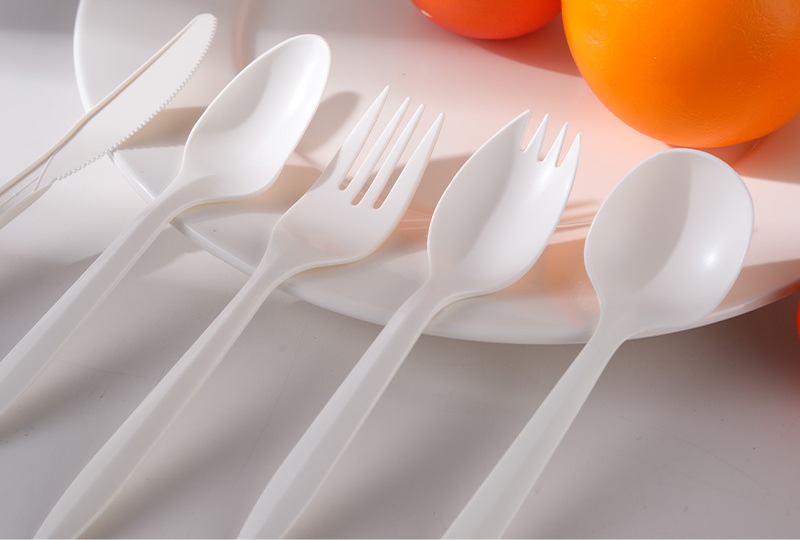
Corn starch tableware is a prime example of how products can fit into a circular economy. The renewable nature of corn as a raw material, combined with the biodegradability of the final product, ensures that corn starch tableware contributes positively to the circular economy. By reducing the need for petroleum-based plastics and offering a product that can be composted at the end of its life cycle, corn starch tableware supports the reduction of waste and the conservation of natural resources.
7. Challenges and Limitations of Corn Starch Tableware
Despite its many benefits, corn starch tableware is not without its challenges. One of the main issues is its cost, which can be higher than traditional plastic due to the raw materials and production processes involved. Additionally, corn starch tableware may not be suitable for all types of foods, especially those with high oil content, which may affect its integrity.
8. Future Prospects for Corn Starch Tableware
As the world continues to shift towards sustainability, corn starch tableware is poised for further growth. Advances in material science may lead to even stronger and more versatile formulations of corn starch-based products. As more companies, including DaShan, invest in the development of sustainable materials, corn starch tableware will likely become an even more popular choice for food packaging and service.
Conclusion
In conclusion, corn starch tableware offers numerous benefits, from its sustainability and biodegradability to its resistance to liquids and non-toxicity. As countries around the world adopt stricter regulations on plastic waste and increase their emphasis on sustainability, corn starch tableware is well-positioned to become a staple in the foodservice industry. The growing global demand for eco-friendly alternatives ensures that corn starch tableware will continue to play an important role in reducing environmental impact and contributing to a more sustainable future.
Frequently Asked Questions (FAQ)
1. What is corn starch tableware made of?
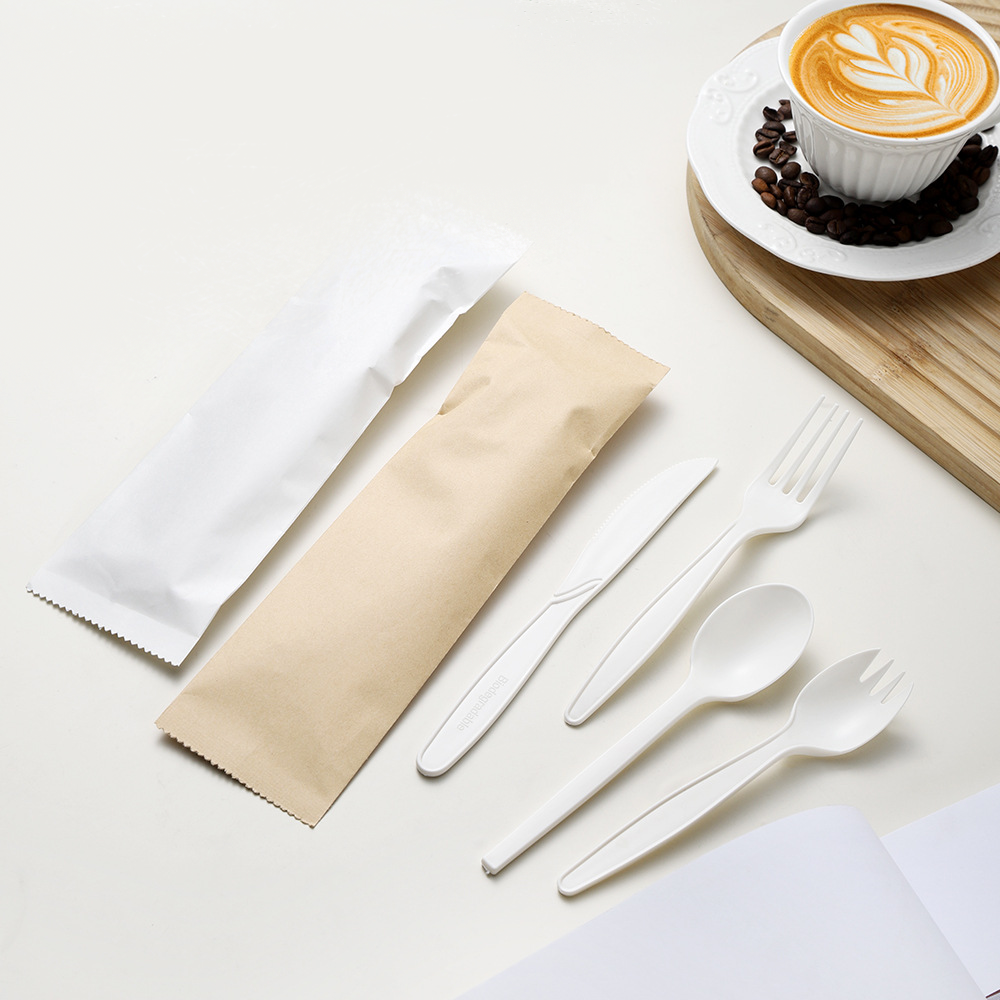
Corn starch tableware is made from the starch extracted from corn, a natural and renewable resource. The corn starch is processed into a polymer that can be molded into various shapes like plates, bowls, and cutlery, making it suitable for disposable foodservice applications.
2. Is corn starch tableware biodegradable?
Yes, corn starch tableware is biodegradable. It breaks down naturally in the environment, unlike traditional plastic, which can take hundreds of years to degrade. The decomposition process involves carbon dioxide, water, and small amounts of biomass, leaving no toxic residues behind.
3. Why does corn starch tableware not soften in soup or liquids?
Corn starch tableware has a unique molecular structure that makes it resistant to water and liquids. The manufacturing process strengthens the starch molecules, creating a durable, water-resistant product. This allows it to hold up well in hot and wet foods, such as soups and stews, without losing its integrity.
4. Can corn starch tableware withstand high temperatures?
Yes, corn starch tableware can withstand moderate heat. It is heat-resistant and can handle hot foods or liquids. However, like all biodegradable materials, there are limits, and it may begin to soften at very high temperatures (e.g., boiling liquids). It is typically not designed for microwave use at high temperatures.
5. Is corn starch tableware safe for food?
Yes, corn starch tableware is non-toxic and safe for food contact. Unlike plastic, which may contain harmful chemicals like BPA, corn starch tableware does not leach harmful substances into food. It is also certified for food use by regulatory bodies in many countries.
6. Why is corn starch tableware becoming more popular worldwide?
The popularity of corn starch tableware is rising due to increased global awareness of plastic pollution and the push for sustainability. Governments worldwide are introducing stricter regulations on single-use plastic, and consumers are demanding eco-friendly alternatives. Corn starch tableware fits these needs by being biodegradable, made from a renewable resource, and versatile in its use.
7. Can corn starch tableware be used for both cold and hot foods?
Yes, corn starch tableware is suitable for both cold and hot foods. It maintains its shape and strength when exposed to cold items like salads, as well as hot foods such as soups or stews. However, it is not recommended for use with extremely hot liquids, like boiling water, as this may cause it to soften over time.
8. What are the environmental benefits of using corn starch tableware?
The key environmental benefits of using corn starch tableware include:
-
It is biodegradable and compostable, breaking down quickly in the environment without leaving harmful residues.
-
It reduces the reliance on petroleum-based plastics, which are non-renewable and harmful to the environment.
-
Its production uses renewable resources, such as corn, making it a more sustainable choice compared to traditional plastic.
9. How does corn starch tableware compare to other biodegradable materials?
Compared to other biodegradable materials like PLA (Polylactic Acid) and paper, corn starch tableware offers superior resistance to liquids and heat. PLA is biodegradable but can soften in hot liquids, while paper-based products often become soggy when exposed to moisture. Corn starch tableware is more durable in such conditions, making it ideal for both dry and wet foods.
10. Can corn starch tableware be recycled?
While corn starch tableware is biodegradable, it is not typically recycled in the same way that traditional plastics or paper products are. However, it can be composted in industrial composting facilities where the necessary conditions for biodegradation are met. It is important to ensure it is disposed of properly in a composting or waste-to-energy system.
References
-
European Commission. (2021). Directive (EU) 2019/904 on the reduction of the impact of certain plastic products on the environment. European Union.
URL: https://eur-lex.europa.eu -
US Environmental Protection Agency. (2020). Sustainable Materials Management: Non-Hazardous Materials and Waste Management Hierarchy. US EPA.
URL: https://www.epa.gov -
Miller, J., & Johnson, D. (2019). Sustainable Alternatives to Plastics in the Foodservice Industry: A Review. Journal of Environmental Impact, 13(2), 45-56.
DOI: 10.1016/j.env.2019.02.003 -
Food and Agriculture Organization (FAO). (2018). Biodegradable Plastics: A Review of Current Applications and Challenges. FAO.
URL: http://www.fao.org
Copyright Statement
© 2025 Dashan Packing. All rights reserved.
This article is an original work created by the Dashan Packing editorial team.
All text, data, and images are the result of our independent research, industry experience,
and product development insights. Reproduction or redistribution of any part of this content
without written permission is strictly prohibited.
Dashan Packing is committed to providing accurate, evidence-based information and
to upholding transparency, originality, and compliance with global intellectual property standards.