

Quick Summary
Corn starch tableware is becoming a leading alternative to traditional plastic and paper products due to its biodegradability, renewable sourcing, and compostable properties. As the world focuses on reducing plastic waste and embracing more sustainable practices, corn starch-based products are gaining popularity in the foodservice industry. These tableware products are not only environmentally friendly but also durable, water-resistant, and versatile enough to handle both hot and cold foods.
Countries like the United States, European Union, Canada, Australia, and China are increasingly adopting corn starch tableware as part of their efforts to reduce single-use plastics and promote sustainable alternatives. The material is also affordable, and its customizability makes it an attractive option for businesses aiming to align with eco-conscious consumers.
With growing environmental awareness, corn starch tableware is expected to see widespread adoption, offering a practical and sustainable solution for a more eco-friendly future.
Introduction
In a world where environmental awareness is becoming increasingly crucial, industries across the globe are shifting their practices to support sustainability. The food packaging industry, which has long relied on non-biodegradable plastics, is no exception. Among the growing number of alternatives, corn starch tableware has emerged as a groundbreaking solution to help reduce the environmental impact of disposable products. This renewable and biodegradable material is gradually replacing plastic in restaurants, cafes, catering services, and even household use.
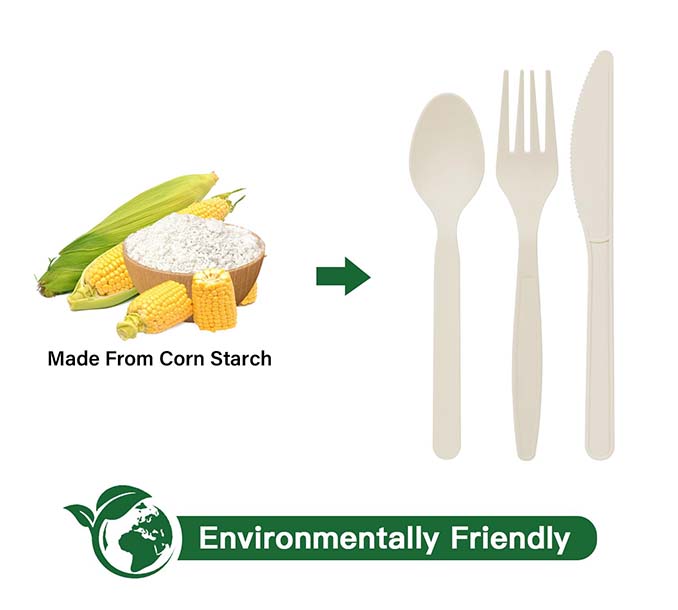
Made from corn starch, a natural and renewable resource, corn starch tableware includes products like plates, cups, cutlery, and containers that can break down quickly and safely when composted. This article explores why corn starch tableware is gaining popularity, which countries have embraced it, and its significant advantages over conventional plastic or paper products. We will also look into the future trends of this material, consumer demand, and its impact on the environment.
The Environmental Impact of Traditional Tableware
Plastic Waste Crisis
Plastic waste is one of the most pressing environmental challenges of our time. In 2020, it was estimated that over 300 million tons of plastic were produced globally, with a large portion used for single-use packaging and foodservice products. This plastic pollution harms ecosystems, wildlife, and human health, as plastic can take hundreds of years to degrade. Despite some efforts at recycling, only a small fraction of plastic is actually recycled, with the majority either discarded in landfills or entering our oceans.
One of the most common contributors to plastic waste is disposable tableware—plates, cups, and utensils that are used once and discarded. These products, made from petroleum-based plastics, are typically not biodegradable and pose significant challenges in waste management. In response to this crisis, the search for more sustainable alternatives has become critical.
Corn Starch: A Sustainable Alternative
Enter corn starch tableware, made from biodegradable corn starch derived from corn kernels. Unlike plastic, which can take hundreds of years to break down, corn starch products decompose naturally within weeks, leaving behind no toxic residues. This makes corn starch tableware an ideal solution for reducing single-use plastic waste in the foodservice industry.
Why Corn Starch Tableware is Gaining Popularity
1. Biodegradability and Compostability
The most obvious reason corn starch tableware is growing in popularity is its biodegradability. Products made from corn starch break down naturally when exposed to soil and moisture, typically within weeks, unlike plastic products that persist in the environment for centuries. When disposed of in composting facilities, corn starch tableware can turn into nutrient-rich compost, enhancing soil health and reducing landfill waste.
Unlike traditional plastic, which can leach harmful chemicals into the soil, corn starch tableware decomposes without leaving behind any toxins, making it a safe alternative for the environment.
2. Renewable Resource
Corn starch is a renewable resource, unlike plastic, which is derived from petroleum—a non-renewable fossil fuel. Each year, farmers plant corn crops, making it a sustainable and easily replenishable material for manufacturing. This sustainable sourcing is one of the key reasons businesses are moving away from petroleum-based plastics in favor of alternatives like corn starch.
The production process of corn starch involves minimal energy consumption compared to plastic, contributing to lower carbon emissions. Additionally, it takes up less space in landfills, as it decomposes relatively quickly.
3. Versatility and Durability
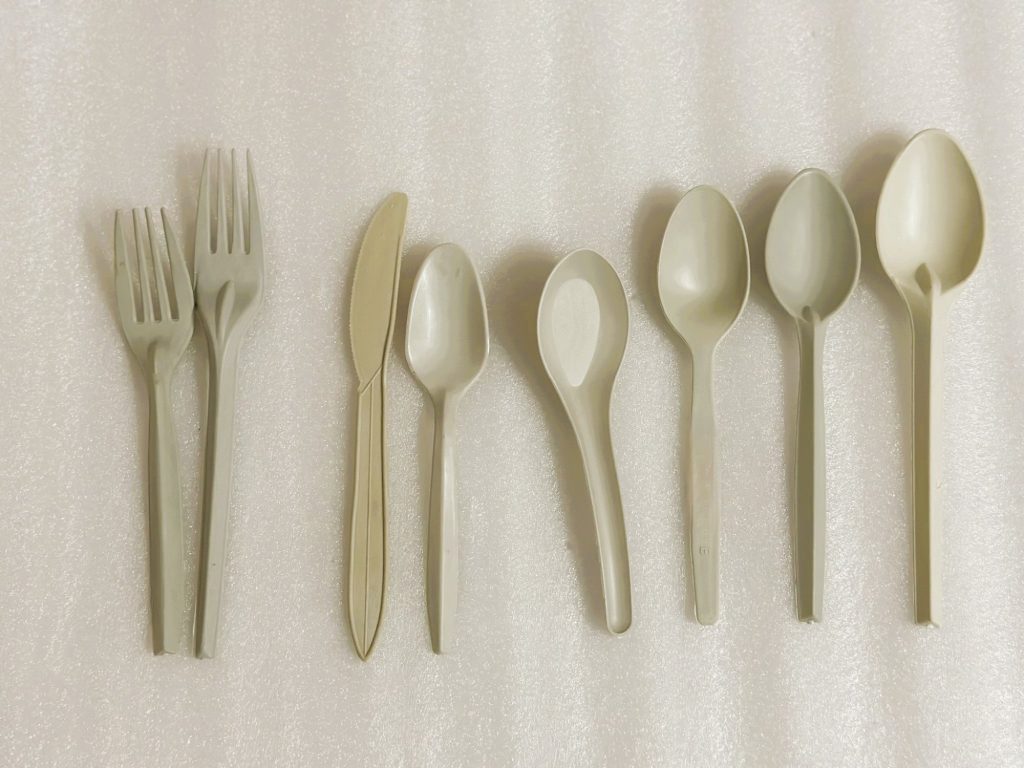
Corn starch tableware is not only eco-friendly but also durable and functional. It can be molded into various shapes, sizes, and designs to create everything from plates and cups to cutlery and containers. The material is water-resistant and can be used to hold both hot and cold foods without compromising its integrity.
Corn starch-based tableware is also microwave-safe and oil-resistant, making it a practical choice for foodservice providers that need reliable, disposable products for hot and oily foods.
4. Cost-Effective
Though corn starch tableware was initially more expensive than traditional plastic, improvements in manufacturing processes and growing demand for eco-friendly packaging have driven prices down. In many markets, corn starch tableware is now more affordable than plastic, making it an appealing option for businesses looking to adopt sustainable practices without breaking the bank.

Countries Where Corn Starch Tableware is Popular
The shift toward sustainable products like corn starch tableware is a global phenomenon. Several countries have taken significant steps to reduce plastic consumption and encourage the use of biodegradable products. Let’s explore some of the leading nations where corn starch tableware is gaining traction:
1. United States
In the United States, there is a growing movement to reduce plastic waste, especially in cities and states with environmental policies aimed at reducing single-use plastics. States like California, New York, and Oregon have already introduced legislation banning single-use plastics, encouraging businesses to turn to sustainable alternatives like corn starch. Corn starch tableware is now widely used in restaurants, cafes, and fast-food chains that prioritize eco-friendly packaging options.
2. European Union
The European Union (EU) is at the forefront of global efforts to eliminate plastic pollution. The EU’s Plastics Strategy aims to make all plastic packaging recyclable by 2030, and many member states, including France, Germany, and Italy, have enacted regulations to ban certain single-use plastics. Corn starch tableware has become a popular alternative in the region, with restaurants and foodservice companies increasingly adopting it to comply with environmental guidelines.
3. Canada
Canada has also taken significant steps to reduce plastic waste. Many provinces, such as British Columbia and Quebec, have implemented bans on plastic straws, plates, and utensils. The Canadian government is also phasing out single-use plastics by 2021, and as a result, corn starch tableware is gaining popularity in the foodservice sector, especially among eco-conscious restaurants and catering services.
4. Australia
Australia has committed to reducing plastic pollution and increasing recycling rates through the National Plastics Plan, which aims to phase out single-use plastics by 2025. Many businesses in Australia are already turning to corn starch tableware as an environmentally friendly alternative. In particular, fast-food chains and caterers are adopting compostable products to align with the country’s sustainability goals.
5. China
In China, where the demand for sustainable packaging is on the rise, corn starch tableware is becoming a popular alternative to plastic. China has already started enforcing regulations to curb plastic waste, and the use of corn starch-based products is growing, especially in large cities like Beijing and Shanghai. With more emphasis on green packaging, corn starch is becoming the material of choice for businesses looking to stay ahead of the trend.
The Advantages of Corn Starch Tableware
| Feature | Corn Starch Tableware | Plastic Tableware | Paper Tableware |
|---|---|---|---|
| Biodegradability | Yes | No | Yes |
| Compostable | Yes | No | Yes |
| Renewable Resource | Yes | No | No |
| Durability | High | High | Medium |
| Water-Resistance | Yes | Yes | Yes |
| Microwave Safe | Yes | No | No |
Customization and Use Cases of Corn Starch Tableware
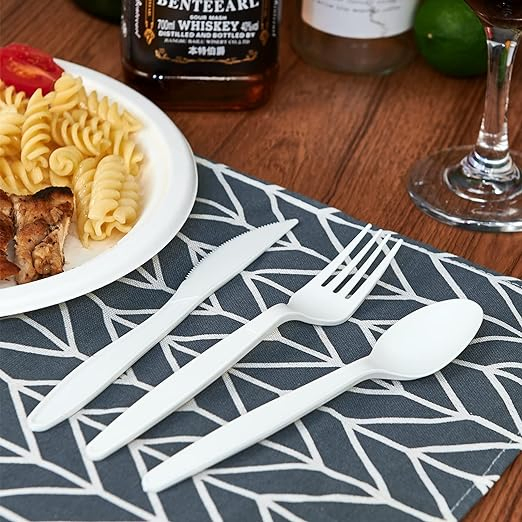
Corn starch tableware is not only eco-friendly, but it can also be customized to suit specific branding needs. Businesses can print their logos, messages, or promotional designs on corn starch plates, cups, and cutlery. This is especially appealing to foodservice providers looking to maintain a sustainable image while offering functional products.
In addition, corn starch tableware can be molded into various sizes and shapes, allowing for unique designs that are both attractive and functional. It can be used for:
-
Take-out containers for restaurants.
-
Disposable cutlery for catering events.
-
Plates and cups for food festivals and parties.
-
Packaging for small snack items.
The Future of Corn Starch Tableware
As the demand for eco-friendly packaging continues to rise, the use of corn starch tableware is expected to grow exponentially. More governments are introducing policies to reduce plastic use, and as consumers become increasingly aware of the environmental impact of their purchasing decisions, corn starch products will likely become more mainstream. The future of corn starch tableware looks bright, and it is well-positioned to become the go-to material for sustainable dining.
FAQ
-
What is corn starch tableware?
-
Corn starch tableware is made from biodegradable corn starch. It includes products like plates, cups, and cutlery that break down naturally in the environment.
-
-
How long does corn starch tableware take to decompose?
-
Corn starch tableware typically decomposes within weeks, unlike plastic, which can take centuries.
-
-
Is corn starch tableware microwave-safe?
-
Yes, corn starch tableware is microwave-safe and can handle both hot and cold foods.
-
-
Is corn starch tableware more expensive than plastic?
-
Initially, corn starch tableware was more expensive, but the price has decreased as demand increases, making it a cost-effective option.
-
-
Where is corn starch tableware used?
-
Corn starch tableware is popular in countries with strong environmental regulations, including the EU, US, Canada, Australia, and China.
-
-
Can corn starch tableware be composted at home?
-
Yes, most corn starch tableware is compostable at home, provided it is disposed of in a composting environment.
-
-
Is corn starch tableware durable?
-
Yes, corn starch tableware is durable, water-resistant, and suitable for both hot and cold foods.
-
Conclusion
Corn starch tableware represents a sustainable and practical alternative to plastic products, helping reduce plastic waste and its harmful impact on the environment. As the demand for eco-friendly alternatives continues to grow, corn starch tableware is poised to play an important role in the global transition to a more sustainable future.
References
-
European Commission. “A European Strategy for Plastics in a Circular Economy.” https://ec.europa.eu
-
“Sustainable Tableware: The Benefits of Corn Starch Products.” EcoFriendly Packaging. https://www.ecofriendlypackaging.com
-
US Environmental Protection Agency (EPA). “Plastics Waste Management.” https://www.epa.gov
-
Australian Government. “The National Plastics Plan.” https://www.environment.gov.au
Copyright Statement
© 2025 Dashan Packing. All rights reserved.
This article is an original work created by the Dashan Packing editorial team.
All text, data, and images are the result of our independent research, industry experience,
and product development insights. Reproduction or redistribution of any part of this content
without written permission is strictly prohibited.
Dashan Packing is committed to providing accurate, evidence-based information and
to upholding transparency, originality, and compliance with global intellectual property standards.