

Introduction: The Rise of Corn Starch Packaging
In recent years, the demand for sustainable packaging solutions has surged as the world seeks alternatives to single-use plastics. The food packaging industry, which has long been a major contributor to plastic waste, is now undergoing a significant transformation. As concerns about environmental impact grow, companies are increasingly turning to biodegradable materials. One such material, corn starch, has emerged as a leading contender in the quest for eco-friendly packaging solutions.
Corn starch, derived from corn kernels, offers a renewable and biodegradable alternative to petroleum-based plastics. It is particularly effective in packaging dry foods, such as snacks, cereals, and confectionery, due to its ability to control moisture and maintain freshness. In this article, we explore the various applications, benefits, challenges, and future potential of corn starch packaging, with a focus on its use in dry food packaging. We will also highlight Dashan‘s innovative solutions in this space.
Section 1: Understanding Corn Starch Packaging
What is Corn Starch Packaging?
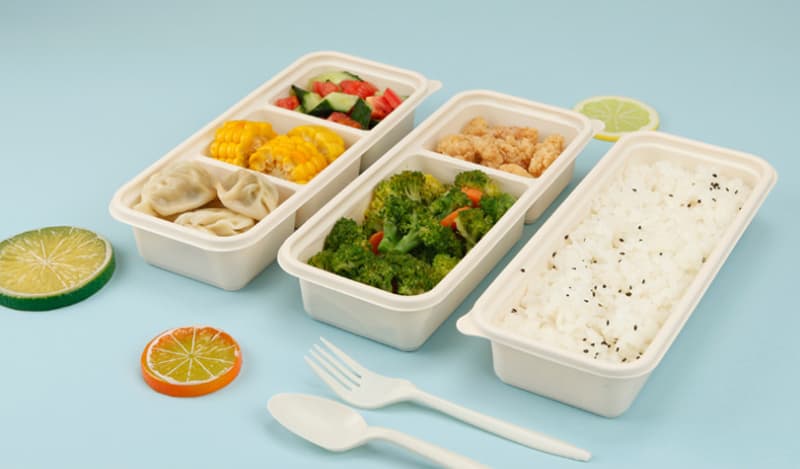
Corn starch packaging is made from starch derived from corn kernels. Through a thermoplastic process, corn starch is converted into a moldable material, allowing it to take on various shapes suited for packaging food products. Corn starch packaging offers many advantages, particularly in its biodegradability and compostability, making it an attractive alternative to traditional plastic packaging.
Unlike conventional plastics, corn starch packaging does not persist in the environment for hundreds of years. Instead, it breaks down into natural substances when exposed to the right conditions, significantly reducing its environmental impact.
How Corn Starch is Processed
The process of manufacturing corn starch packaging involves several key steps:
-
Starch Extraction: Corn kernels are processed to extract the starch.
-
Thermoplastic Conversion: The starch is combined with water and other additives to create a thermoplastic material that can be molded into packaging.
-
Molding: The mixture is heated and shaped into packaging forms such as trays, boxes, and bags.
-
Finishing: After molding, the packaging is cooled and prepared for use in food packaging.
This process results in a biodegradable material that is both cost-effective and environmentally friendly.
Section 2: Benefits of Corn Starch Packaging
1. Eco-Friendly and Sustainable
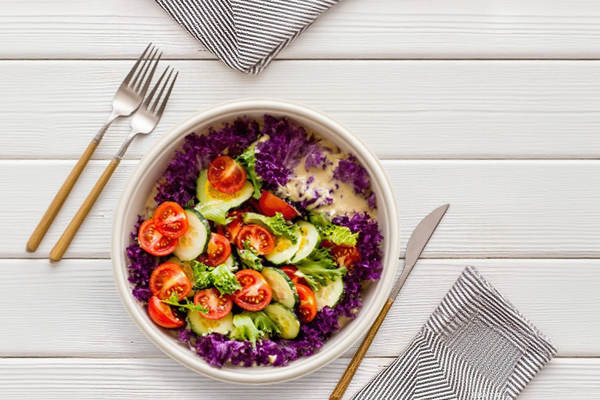
Corn starch packaging is biodegradable and compostable, meaning it breaks down into organic matter under the right conditions. This is in stark contrast to conventional plastics, which can take hundreds of years to decompose. By choosing corn starch packaging, companies can contribute to reducing plastic waste and minimizing their environmental footprint.
2. Moisture Control and Freshness Preservation
One of the key advantages of corn starch packaging for dry foods is its ability to control moisture. Dry foods, such as snacks, cereals, and crackers, require packaging that prevents them from becoming stale or soggy. Corn starch packaging is breathable, allowing for controlled moisture exchange that helps preserve the freshness and crunch of products.
3. Durability and Strength
Despite being biodegradable, corn starch packaging is surprisingly strong and durable. It can withstand pressure without compromising the safety of the contents, making it suitable for both delicate products like cookies and sturdier items like crackers or granola.
4. Customization
Corn starch packaging can be easily customized in terms of size, shape, and design. Brands can opt for custom prints, embossing, and other design elements to create eye-catching packaging that enhances brand visibility while still adhering to sustainability goals.
5. Cost-Effectiveness
Although biodegradable alternatives are often more expensive than traditional plastic, corn starch packaging is relatively cost-effective. It offers a balance between environmental benefits and affordability, making it an ideal choice for companies looking to transition to sustainable packaging without significantly increasing costs.
Section 3: Types of Foods Best Suited for Corn Starch Packaging
Dry Foods: Snacks, Cereal, and Confectionery
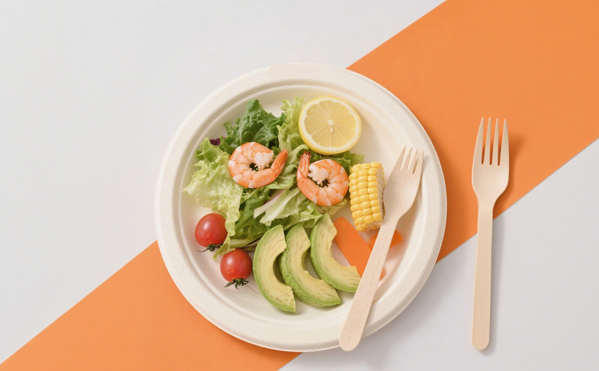
Corn starch packaging is best suited for dry foods, including:
-
Snacks: Chips, crackers, pretzels, and other dry, crunchy products.
-
Cereals: Breakfast cereals, granola, and muesli.
-
Confectionery: Chocolates, candy, cookies, and biscuits.
Dry foods benefit from corn starch’s moisture resistance, which helps keep products fresh by preventing them from absorbing excess moisture or becoming stale.
Why Corn Starch Packaging Works for Dry Foods
For dry foods, maintaining freshness is essential. Corn starch packaging provides an ideal barrier against moisture and contaminants while allowing slight airflow to maintain product crispness. This makes it particularly effective for products that rely on maintaining a specific texture, such as crunchy snacks or crisp cereals.
Limitations for Wet or Liquid-Based Foods
Corn starch packaging is not suitable for wet or liquid-based foods, such as soups, sauces, or beverages. The material’s moisture-absorbing properties could cause it to break down, leading to product degradation. For wet foods, other materials, such as PLA or sugarcane bagasse, may be better suited.
Section 4: How Corn Starch Packaging Works for Dry Foods
Moisture Resistance and Freshness Preservation
Corn starch packaging is known for its ability to control moisture, which is particularly important for dry food products. The porous nature of corn starch allows for controlled moisture exchange, helping to preserve the freshness of the food without compromising its texture. For products like crackers or chips, this balance between airflow and moisture resistance ensures that the product remains crispy and fresh over time.
Durability for Dry Foods
Despite its biodegradable properties, corn starch packaging is strong enough to handle dry foods without compromising their integrity. Packaging such as trays and boxes can support the weight of products like cereal or crackers, protecting them during transit and storage. This makes it an ideal choice for manufacturers who need both durability and sustainability.
Comparison with Plastic Packaging
When compared to traditional plastic packaging, corn starch packaging offers superior environmental benefits. Plastic packaging can trap moisture, leading to a loss of freshness and texture in dry foods. Corn starch packaging, on the other hand, provides an environmentally friendly solution that maintains food quality while reducing waste.
Section 5: Customization of Corn Starch Packaging
Customization Options
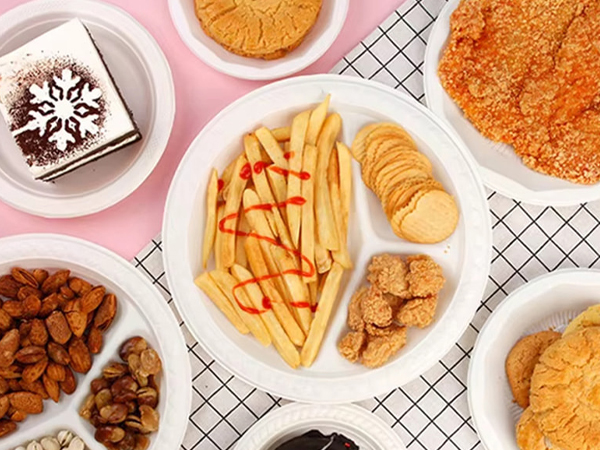
Corn starch packaging can be easily customized to suit the needs of a brand or product. Common customization options include:
-
Custom Sizes and Shapes: Packaging can be tailored to fit the specific needs of different products, from snack trays to cereal boxes.
-
Printing and Branding: Eco-friendly inks can be used for printing logos, product information, and branding on the packaging.
-
Embossing: Packaging can also be embossed with logos or other designs for a premium look.
Dashan’s Custom Solutions
At Dashan, we offer a wide range of customizable corn starch packaging options that cater to the unique needs of our clients. From custom designs to eco-friendly printing, we ensure that each packaging solution is both sustainable and visually appealing.
Section 6: Industry Trends: The Growth of Corn Starch Packaging
Growing Consumer Demand for Sustainable Packaging
As sustainability becomes a major consumer preference, many companies are turning to eco-friendly packaging materials. 79% of consumers say they prefer to purchase products with sustainable packaging, driving the demand for biodegradable options like corn starch.
Regulatory Pressures and Compliance
Governments worldwide are increasingly introducing regulations to reduce plastic waste. The European Union, for example, has implemented regulations requiring packaging to be made from sustainable materials. This is prompting companies in the food industry to adopt corn starch packaging, which meets sustainability standards and aligns with regulatory requirements.
Dashan’s Role in Sustainability
At Dashan, we are committed to offering sustainable packaging solutions, including corn starch packaging. We continuously innovate to provide packaging that not only meets regulatory standards but also satisfies the growing consumer demand for eco-friendly products.
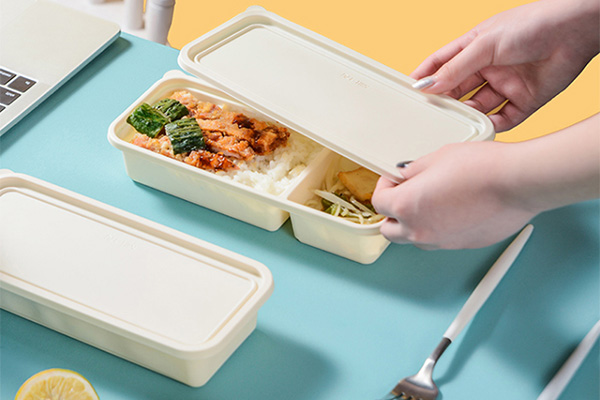
Section 7: Corn Starch Packaging Production Process
Manufacturing Process
The production of corn starch packaging involves several key stages:
-
Raw Material Sourcing: Corn starch is extracted from corn kernels.
-
Processing: The starch is mixed with water and other additives to form a thermoplastic material.
-
Molding: The mixture is molded into packaging shapes like trays, boxes, and bags.
-
Finishing: The molded packaging is cooled and prepared for use.
Throughout the process, sustainability is a priority, ensuring that the packaging meets environmental standards.
Section 8: Case Studies of Corn Starch Packaging in Action
Case Study 1: Snack Packaging
Corn starch trays are commonly used for packaging snacks like chips and crackers. These trays help maintain freshness and provide a strong, protective barrier against moisture.
Case Study 2: Cereal Packaging
Corn starch packaging is ideal for dry cereals. The packaging provides durability and moisture control, ensuring that the cereal remains fresh and crunchy.
Case Study 3: Confectionery Packaging
For delicate confectionery products like chocolates and cookies, corn starch packaging provides the necessary protection while offering an eco-friendly alternative to traditional plastic packaging.
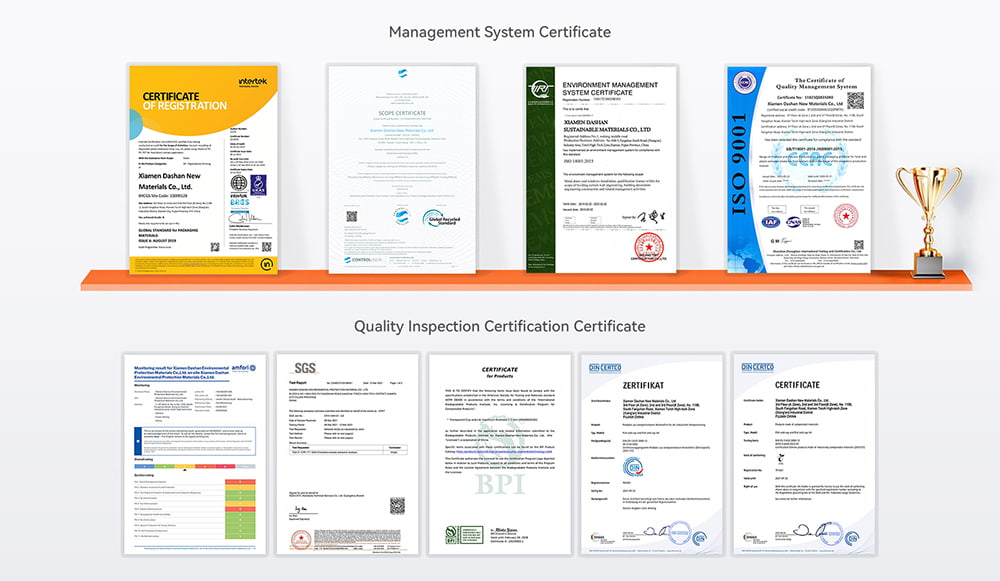
Section 9: Certifications and Sustainability Claims
Corn starch packaging is certified compostable and biodegradable, meeting global sustainability standards. Key certifications include:
-
ASTM D6400: A standard for compostable plastics.
-
BPI Certified: Indicates compostability in commercial composting facilities.
These certifications give brands confidence that their packaging is truly eco-friendly.
Section 10: Challenges and Limitations of Corn Starch Packaging
While corn starch packaging offers many benefits, there are some limitations:
-
Moisture Sensitivity: Corn starch packaging is not suitable for wet or liquid-based products.
-
Cost: Corn starch packaging may be more expensive than traditional plastic options.
-
Storage: Proper handling and storage are required to avoid moisture exposure.
Section 11: Future of Corn Starch Packaging in the Food Industry
As consumer demand for sustainable packaging grows, the future of corn starch packaging looks promising. Ongoing research aims to improve its properties, making it even more effective for a wider range of applications.
At Dashan, we remain dedicated to advancing sustainable packaging solutions, including corn starch packaging, to meet the evolving needs of the food industry.
Conclusion: The Growing Demand for Corn Starch Packaging
Corn starch packaging offers a sustainable, cost-effective solution for dry food packaging. With growing consumer demand for eco-friendly packaging and increasing regulatory pressures, corn starch is poised to play a significant role in the future of food packaging. Dashan is proud to lead the charge in providing high-quality, customizable corn starch packaging solutions that support both sustainability and performance.
FAQ
-
What types of foods are best suited for corn starch packaging?
Corn starch packaging is ideal for dry foods such as snacks, cereals, and confectionery. It is not suitable for wet or liquid-based products. -
Is corn starch packaging biodegradable?
Yes, corn starch packaging is 100% biodegradable and compostable, making it an eco-friendly alternative to plastic. -
Can corn starch packaging be used for hot foods?
Corn starch packaging is designed for dry foods and may not be suitable for hot or liquid-based products due to its moisture-absorbing properties. -
How does corn starch packaging compare to other biodegradable packaging materials?
Corn starch packaging offers benefits like cost-effectiveness and renewability. However, it may not offer the same level of moisture resistance as materials like PLA. -
What are the environmental benefits of using corn starch packaging?
Corn starch packaging reduces plastic waste and is biodegradable, breaking down naturally in composting environments. -
Can corn starch packaging be customized for branding?
Yes, corn starch packaging can be customized with eco-friendly inks for printing logos, product information, and other branding elements. -
Where can I purchase corn starch packaging for dry foods?
Dashan provides high-quality, customizable corn starch packaging solutions for dry food manufacturers worldwide. Visit our website or contact us for more information.
References
-
“Corn Starch Packaging: Sustainable Alternatives to Plastic,” Environmental Packaging News. Link
-
“The Benefits of Corn Starch in Food Packaging,” Green Packaging Solutions. Link
-
ASTM D6400 – Standard Specification for Compostable Plastics. Link
Copyright Statement
© 2026 Dashan Packing. All rights reserved.
This article is an original work created by the Dashan Packing editorial team.
All text, data, and images are the result of our independent research, industry experience,
and product development insights. Reproduction or redistribution of any part of this content
without written permission is strictly prohibited.
Dashan Packing is committed to providing accurate, evidence-based information and
to upholding transparency, originality, and compliance with global intellectual property standards.