

Introduction
PP packaging boxes are one of the most widely used and versatile packaging solutions today. From food storage to retail applications, PP boxes have earned their place in various industries due to their durability, flexibility, and cost-effectiveness. As the demand for sustainable and recyclable packaging increases, PP packaging has become a popular choice for manufacturers and consumers alike.
This article will explore everything you need to know about PP packaging boxes, including their material properties, diverse applications, benefits, environmental impact, and future trends. Whether you’re a packaging professional or just curious about this material, this guide will provide valuable insights into why PP is considered one of the best packaging materials in today’s market.
Chapter 1: Understanding Polypropylene (PP)
What is Polypropylene (PP)?
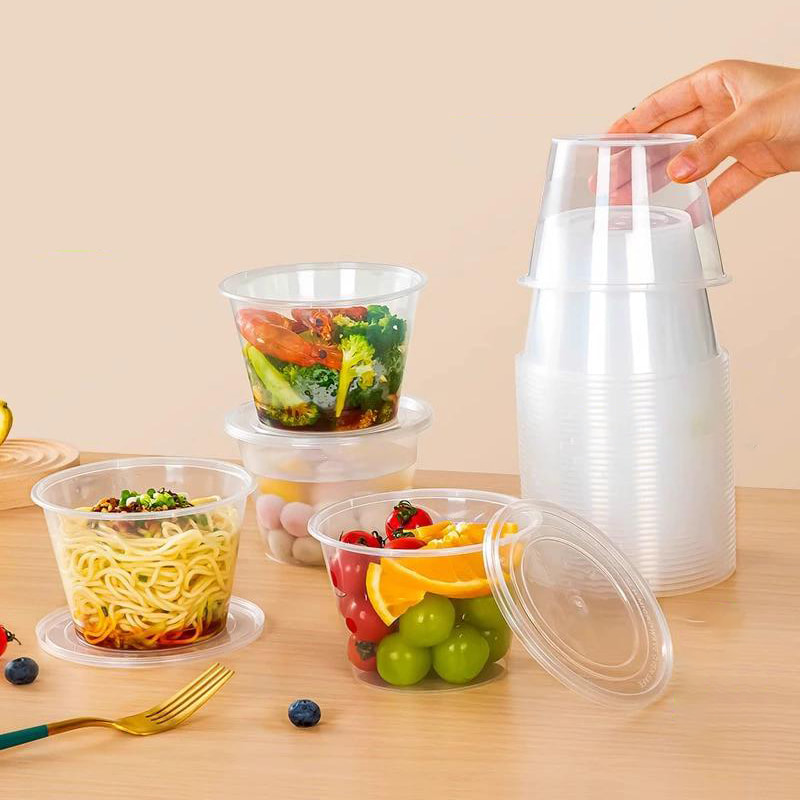
Polypropylene (PP) is a thermoplastic polymer made from the polymerization of propylene monomers. It is one of the most commonly produced plastics globally and is used in a variety of applications, including packaging, textiles, automotive parts, and consumer goods.
PP stands out for its lightweight nature, durability, and resistance to chemicals, making it an ideal material for packaging. It is also flexible enough to be molded into various forms, from rigid containers to flexible films, which makes it highly adaptable in different industries.
Material Properties of PP
PP is known for several key properties that make it a popular choice for packaging:
-
Durability and Strength: PP is strong and resistant to impact, making it ideal for protecting goods during transportation.
-
Heat Resistance: PP has a high melting point, allowing it to withstand higher temperatures than many other plastics. This feature is particularly beneficial in food packaging, where products need to be microwaved or heated.
-
Chemical Resistance: PP resists many chemicals, oils, and solvents, ensuring that packaged goods remain safe and uncontaminated.
-
Transparency and Opaqueness: While PP can be produced in both clear and opaque variations, its inherent transparency makes it ideal for packaging items where visibility is important, such as fresh produce or snacks.
PP’s ability to withstand harsh environmental conditions while offering long-lasting durability makes it a top choice for many industries.
Chapter 2: PP Packaging Boxes in the Food Industry
Food Storage and Safety
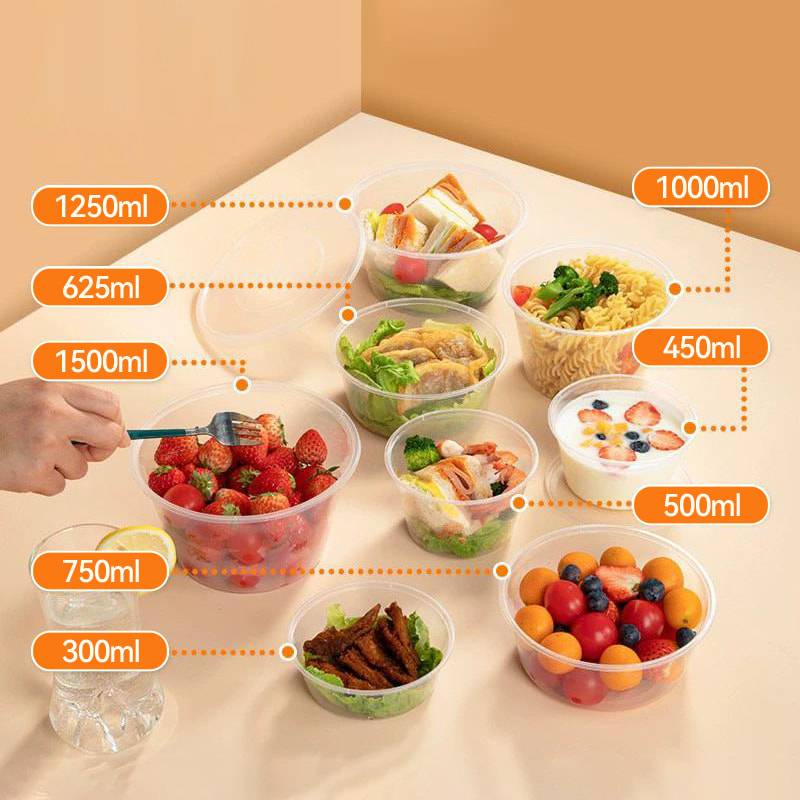
The food packaging industry is one of the largest sectors where PP packaging boxes are used. PP’s robust properties, such as its chemical resistance and non-toxic nature, make it ideal for food storage and transportation.
In addition to its durability, PP is a food-safe material that meets global safety standards. It does not leach harmful substances into food and is safe for direct contact with food products. This has led to its widespread use in restaurants, takeout services, and food retail stores.
-
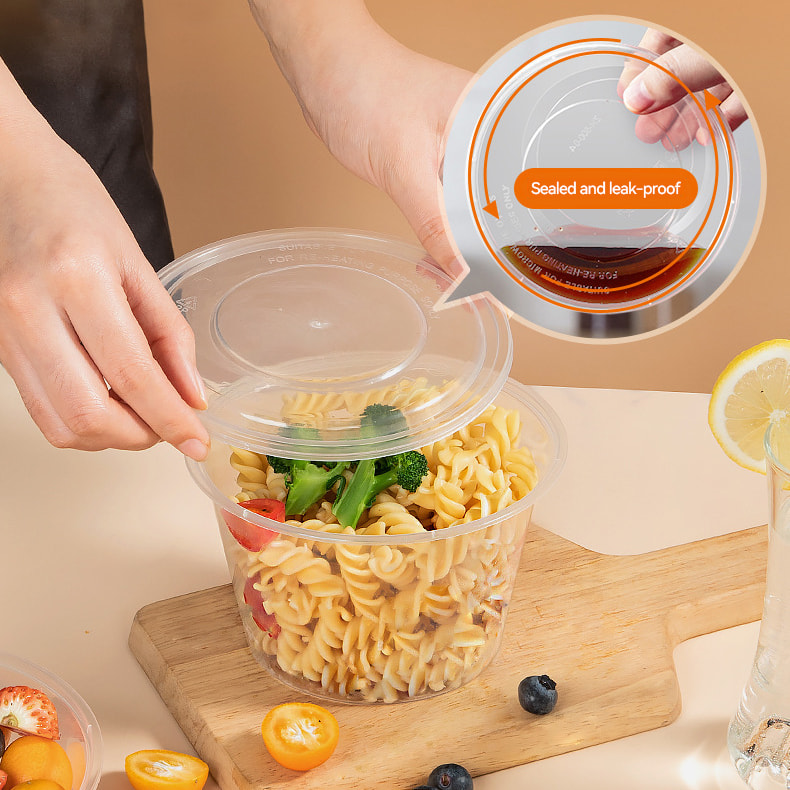
Leak-Proof and Airtight: Many PP food containers are designed with airtight seals that prevent leaks and maintain food freshness. This feature is particularly important for liquid-based foods like soups, sauces, and beverages.
Applications in the Foodservice Industry
-
Takeout Containers:
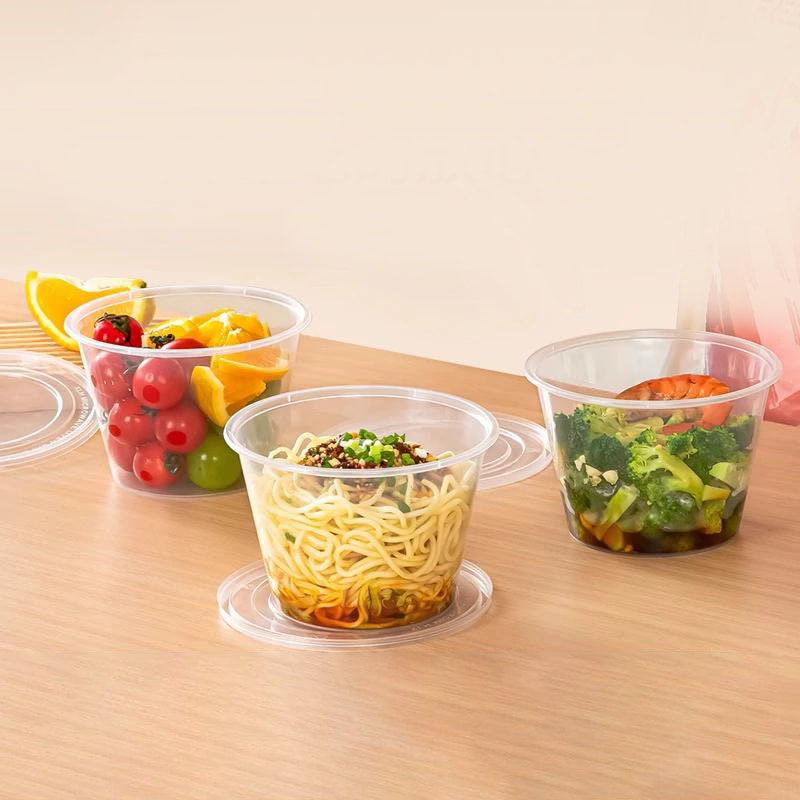
PP containers are a staple in the foodservice industry, especially for fast food chains, takeout restaurants, and food delivery services. PP’s ability to maintain the quality of hot and cold foods while being affordable makes it the go-to packaging choice for these businesses.For instance, PP is often used in clamshell takeout boxes that can safely hold burgers, fries, salads, and more. The material’s durability ensures that the packaging will not break during transport, offering convenience to both consumers and food providers.
-
Fresh Produce Packaging:
PP packaging boxes are commonly used to package fresh produce, such as fruits, vegetables, and herbs. Its ability to resist moisture and chemicals ensures that food remains fresh for a longer time.Transparent PP containers also allow consumers to view the quality of the produce, improving customer satisfaction. This feature is especially valuable in retail settings where presentation plays a key role in sales.
-
Microwaveable and Freezer Safe:
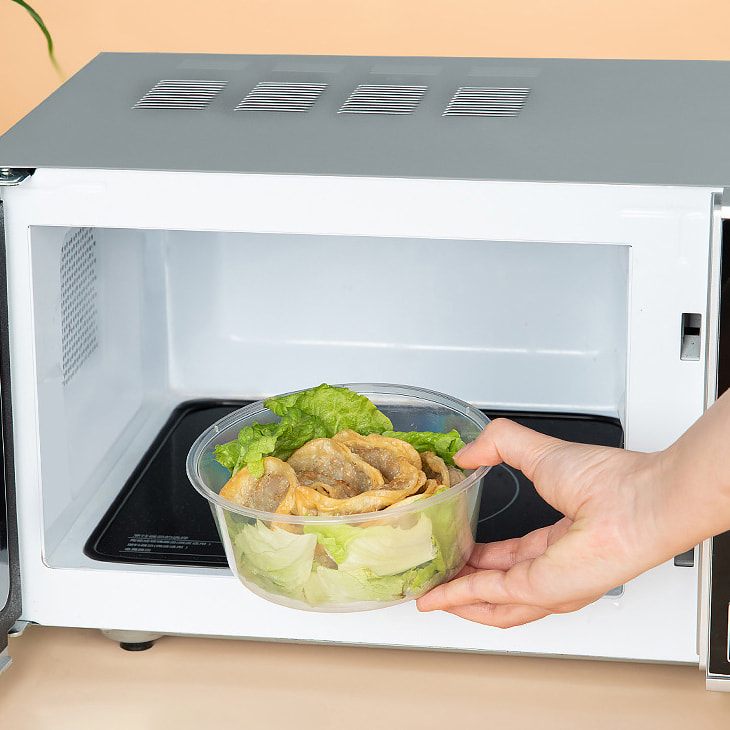
Another significant advantage of PP packaging is its microwave- and freezer-safe properties. PP containers can be used to store food in the fridge or freezer and can be safely microwaved without melting or warping.
Chapter 3: PP Packaging Boxes for Retail and Industrial Use
Retail Packaging Solutions
PP is widely used in retail packaging due to its ability to offer durability and visibility. PP packaging boxes are ideal for packaging products such as toys, electronics, cosmetics, and pharmaceuticals. These boxes are designed to withstand rough handling during shipping and display while keeping the product safe and secure.
-
Consumer Goods Packaging:
PP packaging is a common choice for consumer goods, offering strength and resistance to environmental factors. PP boxes also allow for easy printing and branding, which is essential for companies looking to differentiate their products on store shelves. -
Storage Bins and Organizers:
Retailers often use PP storage bins and organizers to hold small items in an organized and accessible manner. These bins are stackable, durable, and transparent, making it easy for consumers to find the items they need.
Industrial Packaging
PP’s strength and resistance to harsh conditions make it ideal for packaging in the industrial sector. PP packaging is used for heavy-duty storage, from parts and components to construction materials. PP containers are designed to withstand rough handling, impact, and environmental stress, ensuring that products stay safe during transit and storage.
-
Automotive Parts Packaging:
In industries like automotive manufacturing, PP packaging boxes are used to hold and protect parts and tools during shipping. These containers offer superior impact resistance, which is crucial for delicate and expensive automotive components. -
Construction Materials:
PP is commonly used to package heavy materials such as cement, tiles, and other construction products. Its strength ensures that the products remain intact and protected throughout the shipping and handling process.
Chapter 4: Environmental Impact and Sustainability of PP Packaging
Recycling and Reusability
One of the major advantages of PP packaging is that it is recyclable. PP can be melted down and repurposed into new products, significantly reducing its environmental impact compared to single-use packaging.
-
Recycling Infrastructure:
PP is commonly accepted in municipal recycling programs, and many companies have adopted closed-loop systems where PP containers are collected, recycled, and reused. In fact, PP’s recycling rate is steadily increasing in many regions, contributing to sustainability efforts across industries.
Biodegradability and Disposal
While PP is not biodegradable, it is still considered more environmentally friendly than other plastics like PVC, which are more harmful to the environment. Proper disposal and recycling can help minimize the negative environmental effects of PP packaging.
-
Waste Reduction:
As consumers and manufacturers become more environmentally conscious, the demand for sustainable packaging is growing. PP packaging boxes are durable and reusable, meaning they can be used multiple times before needing disposal. This reduces waste generation and minimizes environmental impact.
Sustainability Challenges
Despite being recyclable, PP packaging faces challenges related to its environmental impact. Improper disposal of PP can contribute to plastic pollution, especially in oceans and landfills. Efforts are underway to improve the recycling processes for PP to ensure its reuse in the production of new packaging.
Chapter 5: Innovations in PP Packaging Design
Customizable PP Boxes
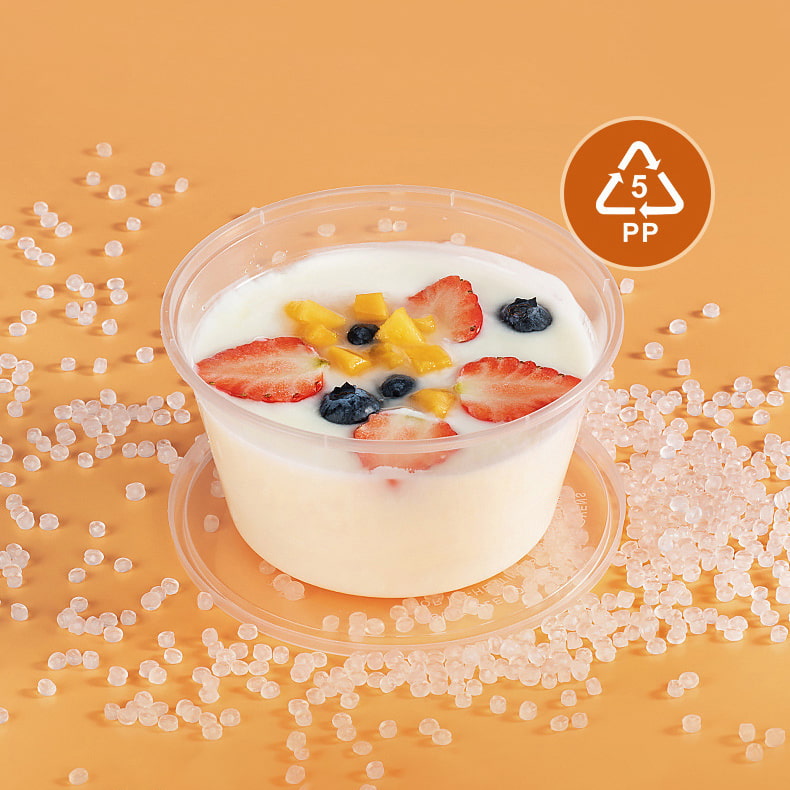
As packaging needs evolve, so do the capabilities of PP. Advances in manufacturing techniques allow for the customization of PP packaging boxes in terms of size, shape, and functionality. Customization enables businesses to create packaging solutions that meet the specific needs of their products and brand image.
-
Special Features:
Modern PP packaging boxes can include features such as compartments, snap-on lids, or venting holes to improve product freshness and convenience. -
Branding and Design:
Custom PP packaging allows for printed logos, labels, and artwork. This ability to personalize the packaging helps businesses create a distinctive brand identity and attract consumer attention.
Smart Packaging
The future of PP packaging lies in integrating smart features. PP packaging can now be embedded with technologies like RFID (Radio Frequency Identification) tags or QR codes. These features allow businesses to track their products throughout the supply chain and engage with consumers by providing additional product information, promotions, or feedback options.
Chapter 6: Key Benefits of PP Packaging Boxes
Cost-Effectiveness
PP is one of the most cost-effective materials available for packaging. Its lower production costs, combined with its durability and strength, make it an attractive option for businesses seeking to balance affordability with functionality.
Durability and Strength
PP’s impact resistance ensures that products are safely transported and stored. Its strength allows it to hold heavy items without breaking, which is especially important for industrial and retail packaging.
Versatility in Design and Functionality
One of the main reasons PP is so widely used is its versatility. PP packaging boxes come in various shapes and sizes, making them suitable for a wide range of applications, from food packaging to industrial storage.
Chapter 7: Future Trends in PP Packaging
The Shift Towards Eco-Friendly Solutions
As sustainability becomes a greater concern worldwide, the PP packaging industry is evolving to meet these demands. Manufacturers are focused on making PP packaging more recyclable, reducing its carbon footprint, and exploring alternative materials.
Smart Packaging and Automation
The future of PP packaging includes greater automation and the use of smart technologies. This shift will enhance supply chain efficiency, provide real-time tracking data, and create new opportunities for consumer engagement.
Chapter 8: Comparison with Other Packaging Materials
PP vs PET (Polyethylene Terephthalate)
Both PP and PET are widely used plastics, but they differ in key properties. PET is often preferred for clear packaging, such as beverage bottles, while PP is known for its higher temperature resistance, making it ideal for food packaging that needs to be microwaved.
PP vs PLA (Polylactic Acid)
PLA, a biodegradable alternative to PP, has become increasingly popular in food packaging, especially in the context of eco-friendly solutions. However, PLA is not as heat-resistant as PP and is not suitable for hot food packaging.
Conclusion
PP packaging boxes are a versatile and reliable solution for many industries, offering benefits such as durability, cost-effectiveness, and sustainability. As the demand for sustainable packaging grows, PP’s role in the global packaging market will continue to evolve, offering even more innovative and eco-friendly options in the years to come.
FAQs
-
What are the main advantages of using PP for packaging?
PP offers several benefits, including high strength, durability, heat resistance, and recyclability. It’s a cost-effective material that is suitable for various packaging applications. -
Can PP packaging be recycled?
Yes, PP is recyclable, and many companies are adopting closed-loop systems to reuse PP containers in the production of new packaging. -
Is PP packaging eco-friendly?
While PP is not biodegradable, it is considered relatively eco-friendly because it can be recycled and reused multiple times, reducing waste generation. -
What industries use PP packaging boxes?
PP packaging is used across various industries, including foodservice, retail, healthcare, and logistics, due to its strength, durability, and cost-effectiveness. -
How does PP compare to other materials like PET or PLA?
PP is more heat-resistant than PLA and is more durable than PET. While PET is preferred for clear packaging, PP offers better strength and chemical resistance, making it ideal for diverse applications.
References
-
Kershaw, P. J., & L. K. W. (2018). Plastic Packaging: Material Properties, Sustainability, and Recycling. Springer.
-
PlasticsEurope. (2020). Plastics – The Facts 2020: An Analysis of the European Plastics Industry in Figures.
-
Zhao, X., et al. (2019). Study on the Environmental Impact of Polypropylene Packaging Waste in the Food Industry. Waste Management & Research.
-
Parker, L. (2018). The Future of Sustainable Packaging: Trends, Challenges, and Solutions. Green Packaging Forum.
Copyright Statement
© 2025 Dashan Packing. All rights reserved.
This article is an original work created by the Dashan Packing editorial team.
All text, data, and images are the result of our independent research, industry experience,
and product development insights. Reproduction or redistribution of any part of this content
without written permission is strictly prohibited.
Dashan Packing is committed to providing accurate, evidence-based information and
to upholding transparency, originality, and compliance with global intellectual property standards.