

Quick Summary:
“Chemical-free” dinnerware typically refers to products that are free from specific high-risk substances such as PFAS, PFOA, and BPA—not the absence of all chemicals. PFAS are persistent fluorinated compounds used for grease resistance; PFOA is a specific PFAS compound that has been widely restricted; and BPA is an endocrine-disrupting chemical historically used in certain plastics.
Regulatory agencies including the European Chemicals Agency and the U.S. Environmental Protection Agency are tightening oversight of these substances, particularly in food-contact materials. Choosing verified PFAS-free, PFOA-free, and BPA-free dinnerware reduces long-term environmental persistence, lowers health concerns, and helps businesses meet evolving compliance requirements.
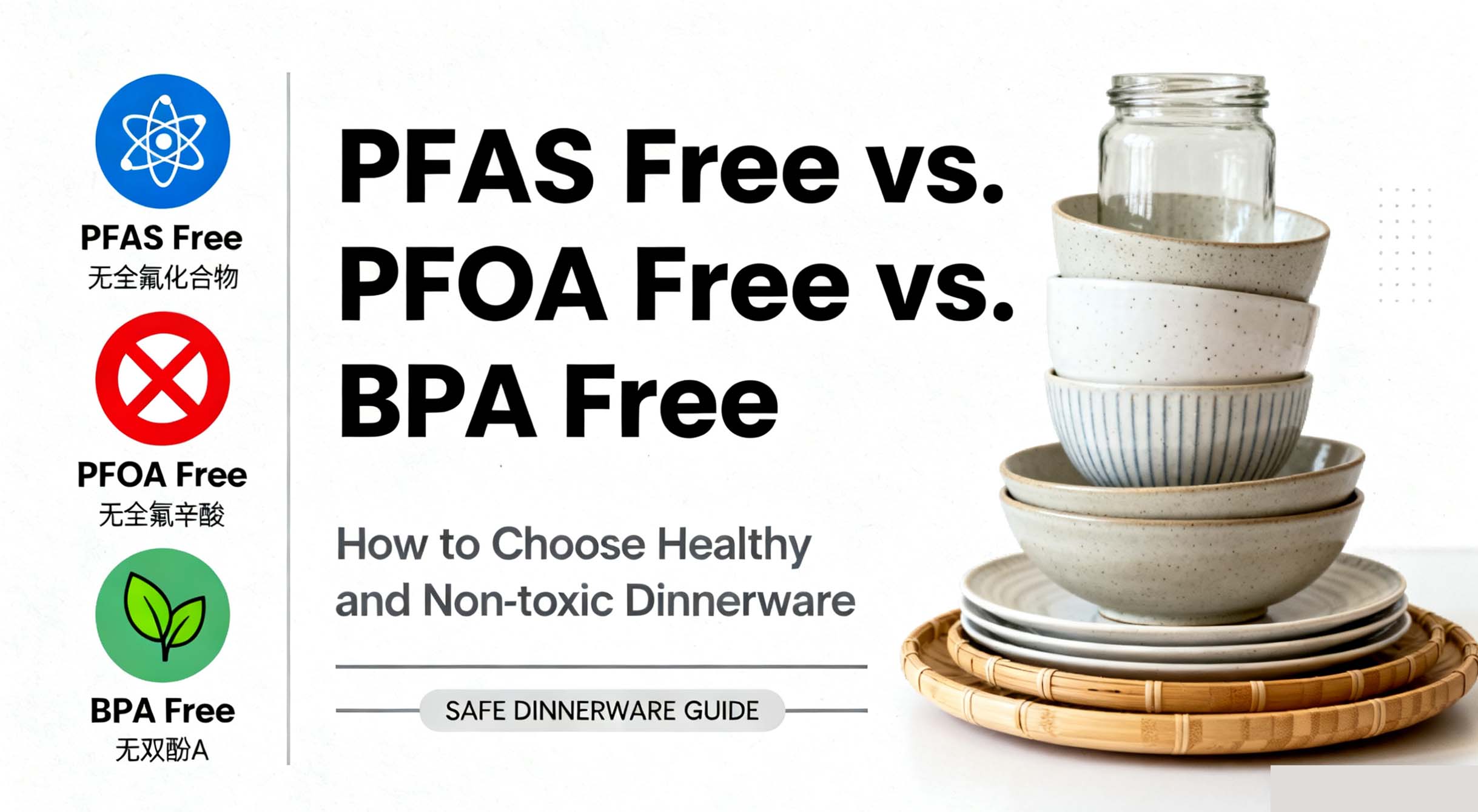
As consumer awareness around food safety and environmental health grows, the demand for “chemical-free” dinnerware has surged. Restaurants, retailers, airlines, and food brands are increasingly highlighting labels such as PFAS-free, PFOA-free, and BPA-free. However, these terms are often misunderstood or used interchangeably.
In reality, they refer to distinct chemical groups with different risk profiles and regulatory histories. Understanding what these labels mean—and what they do not mean—is essential for making informed purchasing and manufacturing decisions.
1. What Does “Chemical-Free” Really Mean?
From a scientific standpoint, nothing is truly chemical-free. All materials—including water, wood, and paper—are composed of chemicals.
In product labeling, “chemical-free” typically means free from specific hazardous or high-concern substances. In dinnerware and food-contact materials, the most common concerns include:
-
PFAS (per- and polyfluoroalkyl substances)
-
PFOA (a specific type of PFAS)
-
BPA (Bisphenol A)
The shift toward removing these substances reflects broader regulatory and public health trends.
2. PFAS-Free: Eliminating “Forever Chemicals”

What Are PFAS?
PFAS (per- and polyfluoroalkyl substances) are a large group of synthetic chemicals used for their resistance to grease, oil, water, and heat. They have historically been used in:
-
Grease-resistant food packaging
-
Non-stick coatings
-
Water-repellent textiles
PFAS are often referred to as “forever chemicals” because they degrade extremely slowly in the environment.
According to the United Nations Environment Programme, persistent chemicals can accumulate in soil, water, and living organisms, leading to long-term ecological and health concerns.
Why PFAS-Free Matters in Dinnerware
Disposable molded fiber plates, paper bowls, and takeaway containers have sometimes used PFAS-based coatings to improve grease resistance. However:
-
PFAS can migrate into food under certain conditions
-
They accumulate in groundwater
-
They are difficult to remove from waste streams
The European Chemicals Agency has proposed broad restrictions on PFAS use across industries, accelerating the transition to fluorine-free barrier technologies.
Choosing PFAS-free dinnerware reduces both environmental persistence and regulatory risk.
3. PFOA-Free: A Specific PFAS Subgroup
PFOA (Perfluorooctanoic Acid) is one of the most well-known PFAS compounds. It was historically used in manufacturing non-stick coatings and certain polymer processing aids.
Due to concerns about persistence and potential health risks, PFOA has been phased out or heavily restricted in many countries.
The U.S. Environmental Protection Agency has taken regulatory actions to limit PFOA exposure under updated chemical safety laws.
Why PFOA-Free Alone Is Not Enough
Many manufacturers now label products as “PFOA-free.” However, because PFOA is only one compound within the broader PFAS family, removing PFOA does not necessarily eliminate all fluorinated chemicals.
A more comprehensive approach focuses on PFAS-free certification rather than single-compound removal.
4. BPA-Free: Addressing Plastic Additives
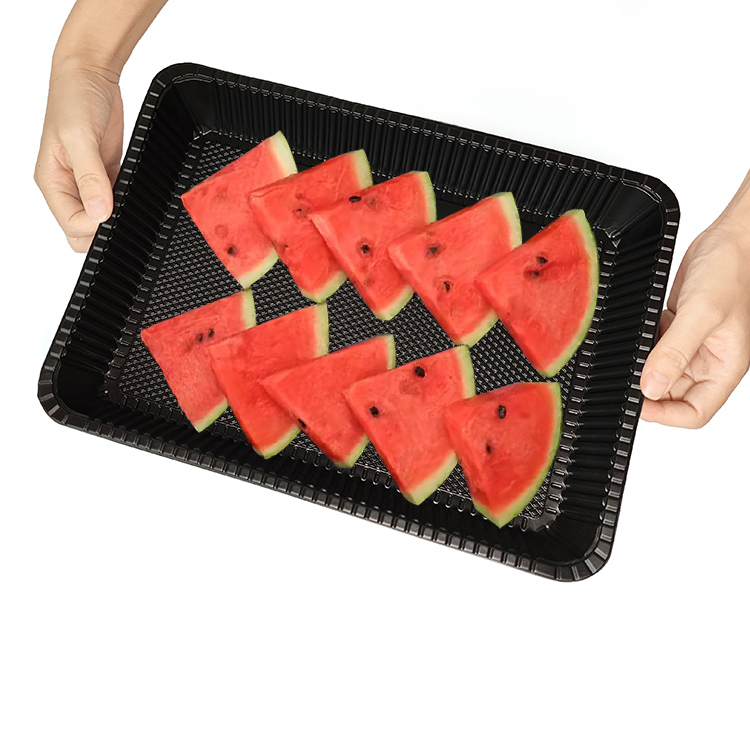
BPA (Bisphenol A) is an industrial chemical used primarily in:
-
Polycarbonate plastics
-
Epoxy resin linings in cans
-
Some reusable plastic dinnerware
BPA is known as an endocrine-disrupting chemical, meaning it can interfere with hormone systems.
The World Health Organization has highlighted the importance of evaluating endocrine disruptors due to potential long-term health effects.
BPA-Free in Dinnerware
BPA-free labeling typically applies to:
-
Reusable plastic plates
-
Food storage containers
-
Baby feeding products
Most modern polypropylene (PP), polyethylene (PE), and PET products are inherently BPA-free, as BPA is not used in their base polymer chemistry.
5. Comparing PFAS-Free, PFOA-Free, and BPA-Free
Understanding the distinction between these labels is essential.
Table 1: Key Differences
| Term | Refers To | Primary Use Area | Environmental Concern | Health Concern |
|---|---|---|---|---|
| PFAS-Free | Entire fluorinated chemical family | Grease-resistant coatings | High persistence | Bioaccumulation potential |
| PFOA-Free | Specific PFAS compound | Non-stick manufacturing | Persistent pollutant | Potential toxicity concerns |
| BPA-Free | Plastic additive | Polycarbonate plastics | Lower environmental persistence | Endocrine disruption |
PFAS-free is the broadest and most comprehensive claim.
PFOA-free is narrower.
BPA-free addresses a different chemical category altogether.
6. Material Alternatives in Chemical-Safe Dinnerware
As regulatory scrutiny increases, manufacturers are shifting toward safer materials.
6.1 Polypropylene (PP)
-
Naturally BPA-free
-
No need for PFAS-based coatings
-
High heat resistance
-
Widely recyclable in many regions
6.2 PET
-
BPA-free
-
Strong clarity and rigidity
-
Suitable for cold food applications
6.3 Molded Fiber with Fluorine-Free Barriers
-
Renewable raw materials
-
PFAS-free grease solutions
-
Compostable (if certified)
6.4 CPLA (Crystallized PLA)
-
Plant-based origin
-
Industrially compostable
-
Suitable for hot applications
Each material must still meet food-contact safety regulations and migration testing standards.
7. Regulatory Trends Driving Chemical-Free Demand
Regulatory authorities worldwide are strengthening oversight of food-contact materials.
The European Commission has integrated chemical safety into its circular economy strategy, encouraging safer material substitution.
In the United States, several states have enacted PFAS restrictions in food packaging, accelerating market transformation.
Retailers are also imposing Restricted Substances Lists (RSLs), going beyond legal minimums.
8. Migration and Testing Considerations
Dinnerware safety depends on migration behavior under real-use conditions:
-
Heat exposure
-
Oil contact
-
Acidic food interaction
-
Long storage duration
Compliant manufacturers conduct:
-
Overall migration testing
-
Specific migration testing
-
Thermal stability evaluation
-
Heavy metal analysis
Material safety claims must be supported by laboratory verification.
9. Environmental and Business Benefits
Adopting PFAS-free, PFOA-free, and BPA-free materials provides several advantages:
Environmental Benefits
-
Reduced persistence in soil and water
-
Lower contamination risk in compost systems
-
Improved waste management compatibility
Business Benefits
-
Reduced regulatory exposure
-
Increased retailer acceptance
-
Stronger consumer trust
-
Brand differentiation in sustainability markets
Chemical safety is increasingly tied to procurement criteria in hospitality, airline, and foodservice sectors.
10. How to Evaluate “Chemical-Free” Claims
When assessing suppliers, consider:
-
Is the product PFAS-free or only PFOA-free?
-
Are test reports available?
-
Is certification third-party verified?
-
Does the material comply with regional food-contact regulations?
-
Is end-of-life clearly defined (recyclable vs compostable)?
Marketing claims should align with documented compliance.
FAQ
1. Does “chemical-free” dinnerware mean it contains no chemicals?
No. All materials are made of chemicals. In this context, “chemical-free” refers to the absence of specific hazardous substances such as PFAS, PFOA, or BPA.
2. What is the difference between PFAS-free and PFOA-free?
PFAS-free means the product does not contain the broader class of fluorinated chemicals. PFOA-free only means one specific compound within the PFAS group has been removed. PFAS-free is the more comprehensive claim.
3. Why are PFAS considered a concern?
PFAS are highly persistent in the environment and can accumulate in water, soil, and living organisms. The United Nations Environment Programme has identified persistent pollutants as long-term ecological risks due to their resistance to degradation.
4. What are the health concerns related to BPA?
BPA is associated with endocrine disruption, meaning it can interfere with hormone systems. Because of these concerns, many countries restrict BPA use in food-contact products, especially those intended for infants and children.
5. Are PFAS-free and BPA-free products automatically safe?
Not automatically. Safety depends on full material composition, regulatory compliance, and migration testing under real-use conditions. Products should meet applicable food-contact standards and provide supporting test documentation.
6. How can buyers verify chemical-free claims?
Buyers should request:
-
Third-party laboratory test reports
-
Compliance documentation (EU or US food-contact standards)
-
Declarations confirming absence of PFAS, PFOA, or BPA
-
Information about migration testing and material traceability
Conclusion
“Chemical-free” dinnerware does not mean the absence of chemistry—it means the removal of high-risk substances that pose environmental or health concerns.
PFAS-free eliminates an entire class of persistent fluorinated chemicals.
PFOA-free removes a specific compound within that class.
BPA-free addresses endocrine-disrupting additives used in certain plastics.
As regulatory frameworks tighten and consumer awareness increases, adopting verified chemical-safe materials is no longer optional—it is becoming a baseline expectation.
By understanding these distinctions and evaluating materials carefully, businesses can align product safety, environmental responsibility, and long-term compliance strategy in a rapidly evolving marketplace.
References
-
European Chemicals Agency – PFAS restriction proposal and REACH framework
https://echa.europa.eu/hot-topics/perfluoroalkyl-chemicals-pfas -
U.S. Environmental Protection Agency – PFAS regulatory actions and chemical safety oversight
https://www.epa.gov/pfas -
United Nations Environment Programme – Persistent organic pollutants and global chemical management
https://www.unep.org/explore-topics/chemicals-waste/what-we-do/persistent-organic-pollutants -
World Health Organization – Endocrine disruptors and public health considerations
https://www.who.int/news-room/fact-sheets/detail/chemical-safety
Copyright Statement
© 2025 Dashan Packing. All rights reserved.
This article is an original work created by the Dashan Packing editorial team.
All text, data, and images are the result of our independent research, industry experience,
and product development insights. Reproduction or redistribution of any part of this content
without written permission is strictly prohibited.
Dashan Packing is committed to providing accurate, evidence-based information and
to upholding transparency, originality, and compliance with global intellectual property standards.