

Quick Summary
Japanese convenience stores operate under strict space, freshness, and efficiency requirements, making packaging a critical part of product performance. Materials such as PP, PET, RPET, CPET, and bagasse each serve different functions—from microwave-ready meals to transparent fresh food containers and freezer-safe trays. The right packaging solution must balance durability, visibility, cost control, and regulatory compliance while also supporting sustainability goals. Suppliers like DASHAN provide multiple material options that help food brands and retailers adapt to the demanding operational model of Japan’s convenience store market.
Material Strategy, Shelf Efficiency, Compliance & Sustainability in a High-Speed Retail System
1. Introduction: Why Japanese Convenience Stores Require Specialized Packaging Logic
Japan’s convenience store (CVS) ecosystem is not simply a retail channel—it is a precision-engineered food distribution system. Chains such as 7-Eleven Japan, Lawson, and FamilyMart operate under extremely tight SKU rotation, strict freshness windows, and multi-temperature merchandising models.
In this context, packaging is not just a container. It is:
-
A thermal management device
-
A shelf-optimization tool
-
A logistics efficiency lever
-
A compliance-critical component
-
A brand perception amplifier
Unlike large hypermarkets, Japanese CVS stores average limited floor space but carry a dense SKU portfolio, particularly in ready-to-eat (RTE) meals. Packaging must therefore deliver structural integrity, stackability, microwave compatibility, and premium visual presentation—simultaneously.
This article provides a structured, material-driven analysis of optimal packaging solutions tailored for Japanese convenience stores, incorporating performance metrics, regulatory considerations, sustainability pressures, and operational constraints.
2. Understanding the Japanese CVS Operational Model
2.1 High SKU Density, Limited Shelf Geometry
Typical Japanese CVS outlets operate in compact footprints. Shelf depth is limited. Refrigeration cases are shallow. Every millimeter matters.
Implications for packaging:
-
Standardized footprints improve replenishment speed
-
Stackable geometry reduces display disruption
-
Vertical lid strength prevents deformation
-
High clarity increases visual conversion
Packaging that deforms under stacking pressure leads to lost sales and food waste.
2.2 Multi-Temperature Merchandising System
Japanese convenience stores typically divide food into:
-
Ambient (snacks, bakery)
-
Refrigerated (salads, desserts, cut fruit)
-
Frozen (ready meals, gratins)
-
Hot holding or microwave-reheat zones
Packaging must tolerate transitions between:
-
0–5°C refrigeration
-
-18°C freezing
-
Microwave reheating
-
Occasionally conventional oven heating
Material selection is therefore central.
3. Core Packaging Categories & Optimal Material Selection
3.1 Ready-to-Eat Bento & Rice-Based Meals
Performance Requirements:
-
Microwave safe (≥120°C tolerance)
-
Oil resistance
-
Multi-compartment structure
-
Dimensional stability
-
Lid sealing reliability
Optimal Materials:
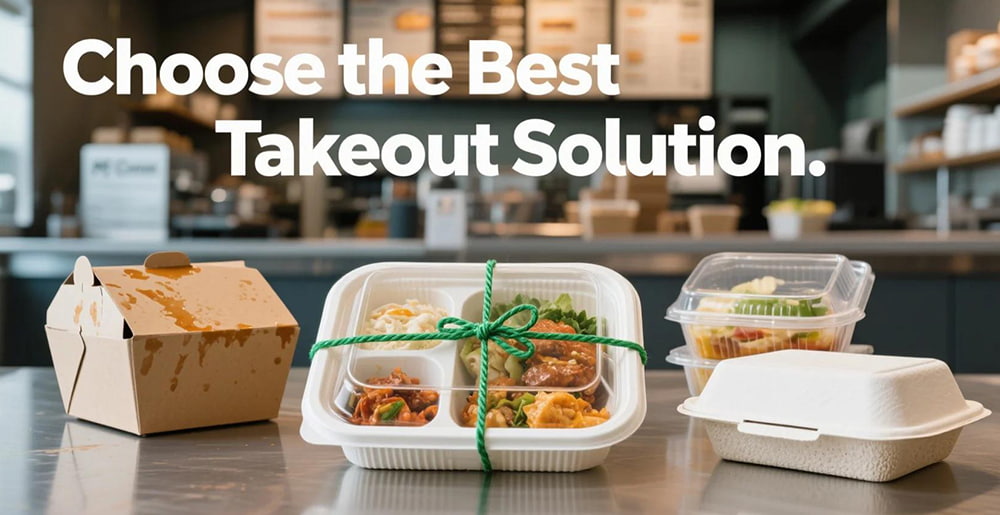
PP (Polypropylene)
-
Microwave compatible
-
Cost-efficient
-
Moderate clarity
-
Good fatigue resistance
PP remains the dominant material for hot microwave bento trays. It offers reliable performance without structural collapse.
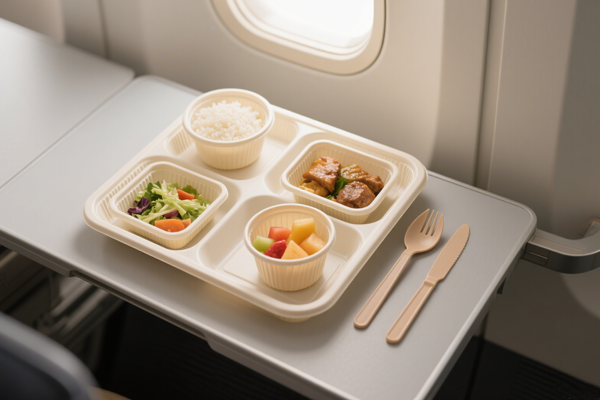
CPET (Crystallized PET)
-
Suitable for freezer-to-oven
-
Excellent dimensional stability
-
Higher rigidity
CPET is particularly useful for frozen gratins or premium oven-ready meals.
For suppliers like DASHAN, precision-molded PP compartment trays offer ideal performance for microwave bento lines while maintaining lightweight design to reduce logistics cost.
3.2 Fresh Produce & Fruit Packs
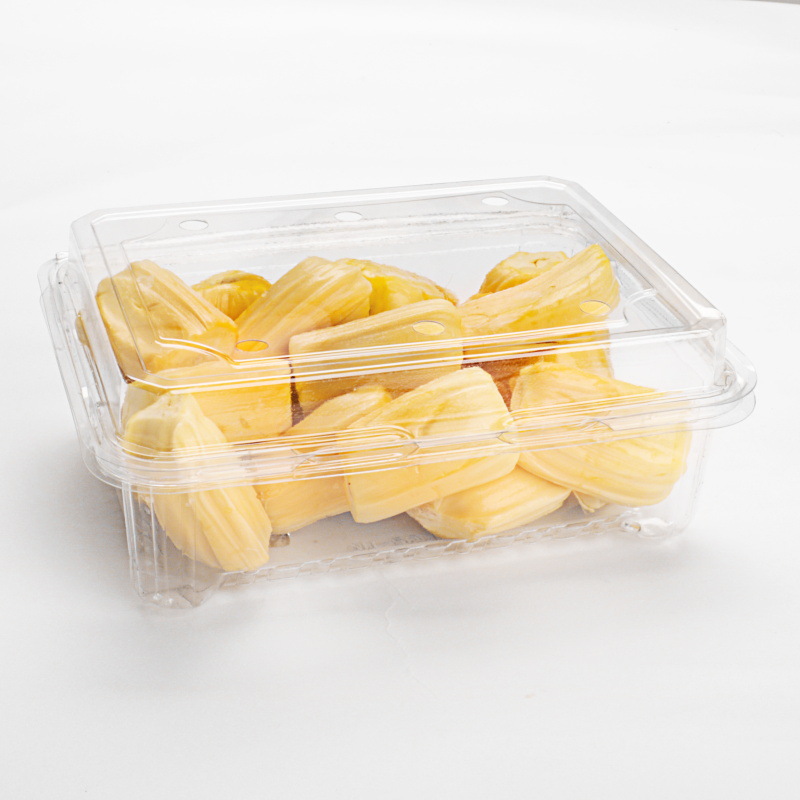
Fresh-cut fruit and salads demand:
-
High transparency
-
Anti-fog properties
-
Moisture control
-
Structural resistance to stacking
PET / RPET
PET offers:
-
Exceptional clarity
-
High gloss
-
Strong shelf appeal
RPET provides similar performance while supporting sustainability initiatives.
Japanese consumers associate transparency with freshness. Visual confirmation drives impulse purchase. PET clamshells with anti-fog lids maintain condensation control under refrigerated conditions.
3.3 Frozen Ready Meals
Frozen meals must withstand:
-
-18°C storage
-
Thermal shock
-
Direct microwave or oven heating
CPET Advantages:
-
Dimensional stability under heat
-
Structural rigidity
-
Excellent low-temperature impact resistance
For frozen-to-oven categories, CPET is typically superior to standard PP.
3.4 Desserts & Premium Display Items
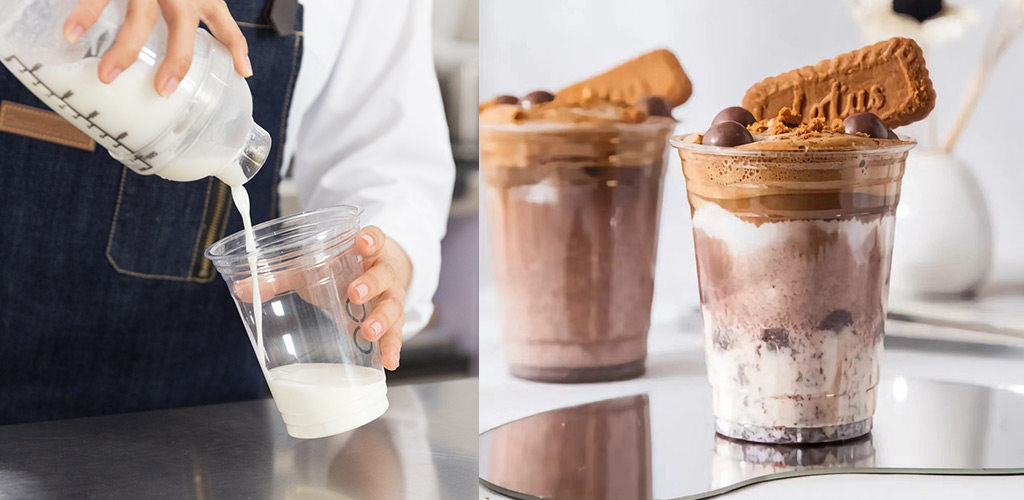
Japanese convenience desserts emphasize:
-
Visual aesthetics
-
Layer visibility
-
Minimal packaging intrusion
Clear PET cups or domed lids allow product differentiation.
Structural considerations include:
-
Lid snap integrity
-
Cold-chain deformation resistance
-
Weight optimization
3.5 Eco-Conscious Packaging Options
Sustainability pressure in Japan continues to rise. Plastic reduction campaigns and consumer awareness influence procurement decisions.
Bagasse (Sugarcane Fiber)
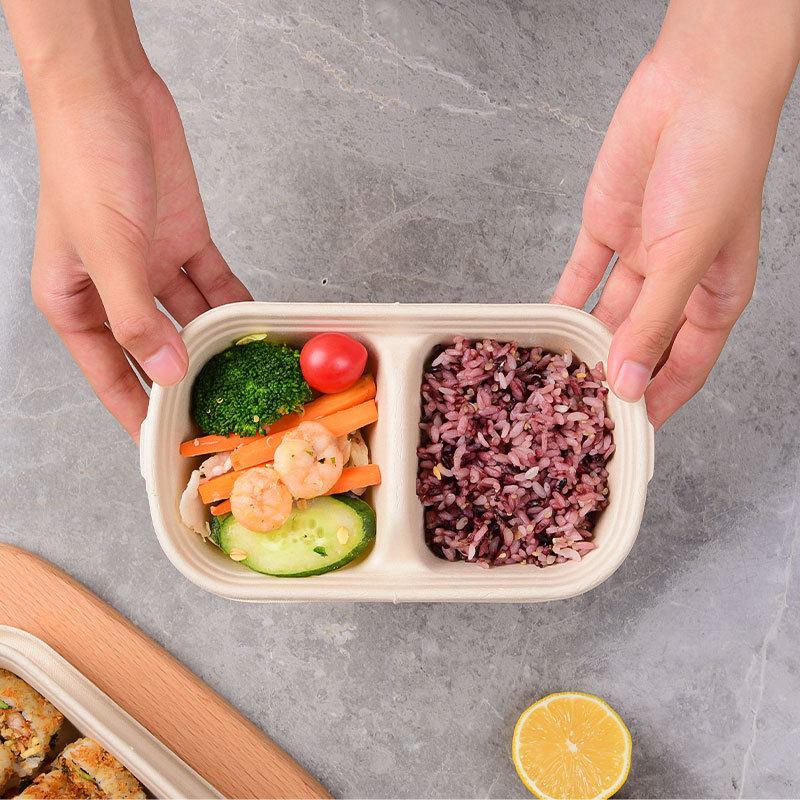
Advantages:
-
Compostable
-
Heat tolerant
-
Opaque natural aesthetic
Limitations:
-
Lower rigidity vs PP
-
Moisture absorption concerns
DASHAN’s bagasse trays can serve selected eco-forward SKUs, especially in takeout-oriented CVS formats focusing on sustainability branding.
4. Material Comparison Framework
| Material | Microwave | Oven | Transparency | Freezer Safe | Best Application |
|---|---|---|---|---|---|
| PP | Yes | Limited | Medium | Good | Bento meals |
| CPET | Yes | Yes | Low | Excellent | Frozen oven meals |
| PET | No | No | High | Good | Fresh display |
| RPET | No | No | High | Good | Sustainable display |
| Bagasse | Yes | Limited | Opaque | Moderate | Eco bento |
Material choice must align with the product’s full lifecycle exposure, not just shelf presentation.
5. Shelf Efficiency & Logistics Optimization
5.1 Stackability Engineering
In Japanese CVS distribution systems:
-
Central kitchens supply multiple stores daily
-
Transport density affects margin
-
Nested design reduces cubic volume
Thin-wall PP trays with rib reinforcement provide structural efficiency without excessive resin use.
5.2 Dimensional Standardization
Consistent base dimensions enable:
-
Automated case packing
-
Efficient palletization
-
Reduced sorting complexity
Packaging suppliers must adapt to Japanese pallet and crate standards.
5.3 Lightweighting Without Compromising Rigidity
Material reduction reduces:
-
Resin cost
-
Transportation emissions
-
Environmental footprint
However, insufficient wall thickness leads to warping during microwave heating.
Finite element analysis (FEA) in mold design is increasingly used to balance stiffness and weight.
6. Food Safety & Regulatory Compliance
Japanese food-contact materials are regulated under the:
Food Sanitation Act
Enforcement and guidelines are overseen by:
Ministry of Health, Labour and Welfare
Key compliance areas:
-
Positive list system for synthetic resins
-
Migration testing requirements
-
Heavy metal content restrictions
-
Traceability documentation
For packaging exporters entering Japan, documentation readiness is essential.
7. Sustainability & Recycling Infrastructure
Japan’s recycling system is highly structured. PET bottle recycling rates are among the highest globally.
Implications:
-
PET and RPET integration is feasible
-
Mono-material structures preferred
-
Multi-layer complexity discouraged
Retailers increasingly request:
-
Reduced resin weight
-
Clear recyclability labeling
-
PCR content inclusion
Suppliers like DASHAN can respond with lightweight RPET lids or thin-wall PP trays optimized for recycling streams.
8. Cost Structure Analysis
Total cost of packaging must consider:
-
Unit resin cost
-
Mold amortization
-
Transportation density
-
Product damage risk
-
Waste reduction impact
-
Consumer conversion uplift
Cheaper packaging that increases food spoilage is economically irrational.
9. Strategic Packaging Selection Model for CVS Buyers
Step 1 – Define Temperature Exposure
Ambient / Refrigerated / Frozen / Oven
Step 2 – Determine Heating Method
Microwave only or conventional oven
Step 3 – Evaluate Visual Priority
Premium display vs functional utility
Step 4 – Analyze Logistics Impact
Stackability, nesting, pallet efficiency
Step 5 – Confirm Compliance
Food-contact regulations
Step 6 – Optimize Resin & Weight
Balance stiffness and sustainability
10. Common Procurement Mistakes
-
Using PET for microwave SKUs
-
Underestimating freezer brittleness
-
Ignoring condensation behavior
-
Selecting excessive thickness
-
Failing to test thermal deformation
Material mismatch is the most common root cause of packaging failure.
11. Future Trends in Japanese CVS Packaging
-
Smart labeling integration
-
Reduced plastic mass per SKU
-
Mono-material lid-base systems
-
Bio-based polymer blending
-
Automated packing compatibility
Sustainability and automation will shape future packaging design more than aesthetics alone.
FAQ
1. What type of packaging is most commonly used in Japanese convenience stores?
Microwave-safe PP trays, clear PET containers, and CPET trays for frozen meals are among the most common packaging solutions used in Japanese convenience stores because they balance durability, cost efficiency, and food safety.
2. Why is transparent packaging important in convenience stores?
Clear packaging—especially PET or RPET containers—allows customers to see food freshness, color, and portion size instantly. This visual appeal plays a significant role in impulse purchases in high-traffic retail environments.
3. What materials are suitable for microwave-ready meals?
PP trays are widely used for microwave-ready bento meals because they tolerate high temperatures and resist oil and moisture. CPET trays are also suitable for meals that require both freezing and reheating.
4. Is sustainable packaging important for Japanese convenience stores?
Yes. Retailers and consumers increasingly prefer recyclable or plant-based materials. Options like RPET containers and bagasse food packaging help brands reduce environmental impact while maintaining food safety and functionality.
5. What should buyers consider when selecting packaging for convenience store food?
Key factors include temperature resistance, shelf presentation, stackability, food safety compliance, transportation efficiency, and sustainability performance.
6. Why do some buyers choose suppliers like DASHAN?
Buyers often prefer suppliers such as DASHAN because they offer multiple material solutions—including PLA, PET, CPET, RPET, PP, bagasse, and cornstarch products—allowing brands to match packaging with different food applications while maintaining consistent manufacturing quality.
Conclusion
Japanese convenience store packaging demands technical precision. It must:
-
Survive temperature transitions
-
Optimize shelf space
-
Preserve food integrity
-
Meet regulatory standards
-
Support sustainability goals
There is no universal material. PP dominates microwave-ready bentos. CPET excels in frozen-to-oven applications. PET and RPET lead in premium visual merchandising. Bagasse fills targeted eco niches.
For suppliers such as DASHAN, success in this market requires not just production capability—but engineering-led packaging design aligned with Japanese operational realities.
Packaging in Japanese convenience stores is not disposable—it is strategic infrastructure.
References
-
Japan Ministry of Health, Labour and Welfare – Food Contact Material Regulations
https://www.mhlw.go.jp/english/ -
Japan Plastics Industry Federation – Plastic Recycling Data
https://www.jpif.gr.jp/en/ -
Japan Convenience Store Association
https://www.jfa-fc.or.jp/en/ -
7-Eleven Japan Corporate Information
https://www.sej.co.jp/company/en/ -
Lawson Sustainability & Packaging Initiatives
https://www.lawson.co.jp/company/en/ -
FamilyMart Environmental Policies
https://www.family.co.jp/english/sustainability.html
Copyright Statement
© 2026 Dashan Packing. All rights reserved.
This article is an original work created by the Dashan Packing editorial team.
All text, data, and images are the result of our independent research, industry experience,
and product development insights. Reproduction or redistribution of any part of this content
without written permission is strictly prohibited.
Dashan Packing is committed to providing accurate, evidence-based information and
to upholding transparency, originality, and compliance with global intellectual property standards.