

Quick Summary
Bagasse food packaging is made from sugarcane fiber left after juice extraction. It transforms agricultural waste into practical food containers and tableware. Bagasse products are compostable, renewable, and suitable for many takeaway and prepared food applications. With growing demand for sustainable packaging, many suppliers such as DASHAN offer bagasse containers alongside materials like PET, PP, CPET, RPET, PLA, and cornstarch to meet different food packaging needs.
Introduction
As the global food industry continues to expand, the demand for environmentally responsible packaging solutions is growing rapidly. Governments, retailers, and consumers are all pushing for alternatives to traditional plastic packaging. Among the many materials emerging in the sustainable packaging sector, sugarcane bagasse has become one of the most promising options.
Bagasse food packaging is made from the fibrous residue left after extracting juice from sugarcane. Instead of being discarded or burned, this agricultural byproduct can be transformed into durable, compostable food containers, trays, and tableware. For restaurants, supermarkets, and food delivery businesses seeking eco-friendly packaging solutions, bagasse products offer a strong balance between sustainability and functionality.
Today, many global packaging suppliers, including DASHAN, are developing bagasse-based food containers that meet the performance requirements of modern food service operations.
What Is Bagasse?
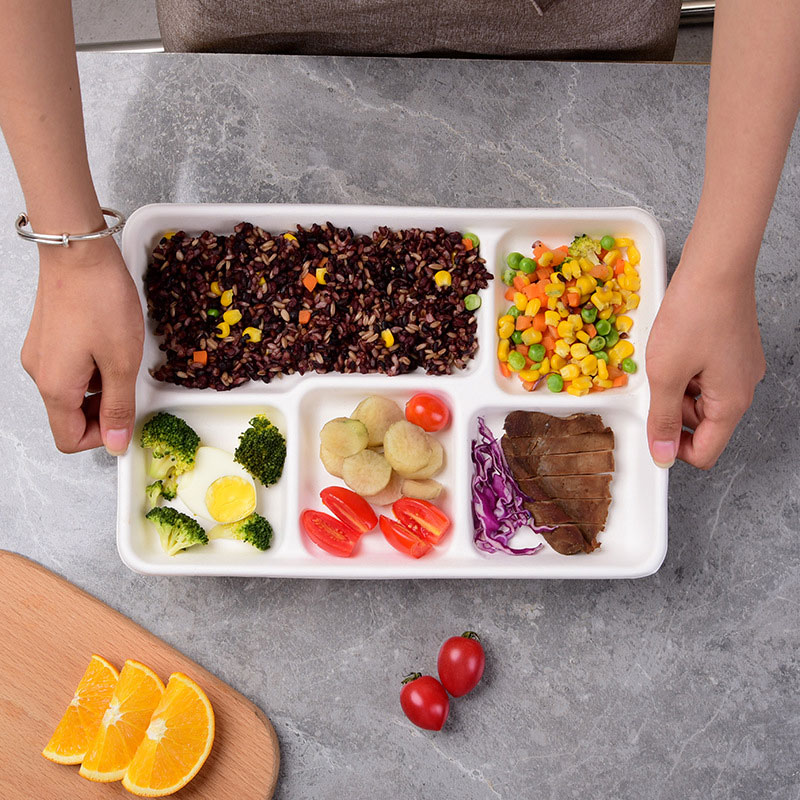
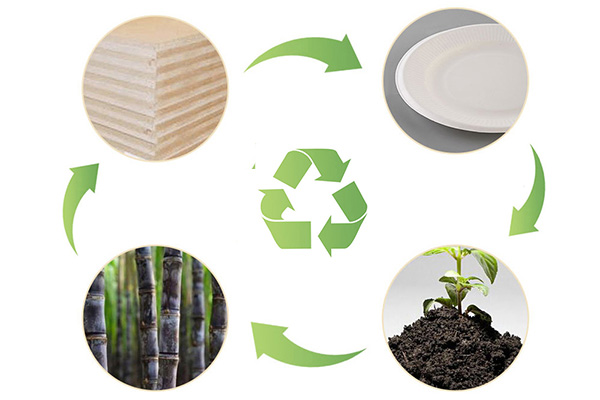
Bagasse is the dry, fibrous pulp that remains after sugarcane stalks are crushed to extract juice during sugar production. Traditionally, this material was often treated as waste. However, advancements in material processing have allowed manufacturers to convert bagasse into molded fiber packaging products.
Basic Bagasse Production Process
| Step | Description |
|---|---|
| Sugar extraction | Juice is removed from sugarcane during sugar production |
| Fiber collection | Remaining bagasse fibers are collected |
| Pulp processing | Fibers are cleaned and turned into pulp |
| Mold forming | Pulp is molded into food containers and tableware |
| Drying & finishing | Products are dried, trimmed, and sterilized |
This process transforms agricultural waste into a value-added packaging material, making bagasse one of the most environmentally efficient packaging solutions available today.
Why Bagasse Is Considered Sustainable
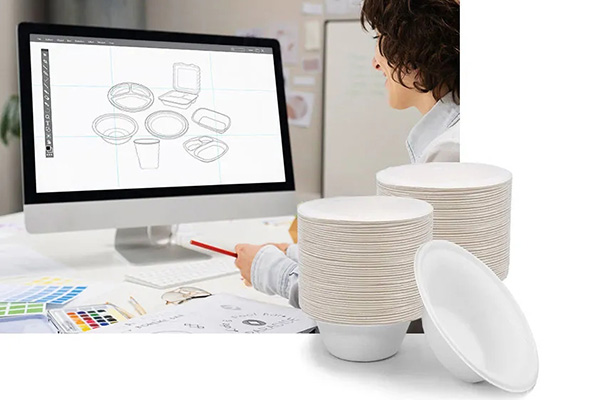
One of the main reasons bagasse packaging has gained popularity is its sustainability profile. Compared with conventional plastic packaging, bagasse products have several environmental advantages.
Key Sustainability Benefits
1. Uses Agricultural Waste
Bagasse is a byproduct of sugar production. Utilizing this material reduces waste and maximizes the use of natural resources.
2. Renewable Raw Material
Sugarcane grows quickly and is harvested multiple times per year in many regions. This makes bagasse a renewable resource.
3. Compostable Material
Bagasse packaging can decompose under industrial composting conditions, returning organic matter to the soil.
4. Reduced Carbon Footprint
Because the raw material already exists as a byproduct, the environmental impact of bagasse production is often lower than manufacturing petroleum-based plastics.
Performance Advantages of Bagasse Food Containers
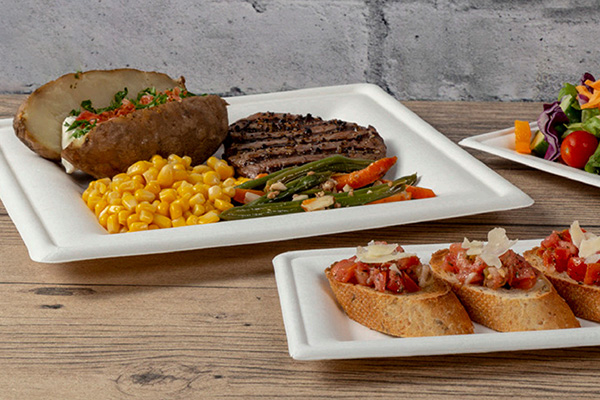
Sustainability alone is not enough for food packaging. Containers must also perform well in real food service environments. Bagasse products offer several functional advantages that make them suitable for restaurants, takeaway services, and supermarkets.
Heat Resistance
Bagasse containers can generally tolerate temperatures up to 100°C–120°C, making them suitable for hot meals.
Oil and Grease Resistance
Modern manufacturing techniques allow bagasse containers to resist oils and sauces commonly found in prepared foods.
Microwave Compatibility
Most bagasse containers can be safely used in microwaves, allowing consumers to reheat meals conveniently.
Structural Strength
Despite being made from plant fibers, bagasse packaging can maintain its shape under moderate food weight and moisture exposure.
Bagasse vs Traditional Plastic Packaging
To better understand where bagasse fits in the packaging landscape, it is useful to compare it with common plastic materials.
| Feature | Bagasse | PET | PP | CPET |
|---|---|---|---|---|
| Raw Material | Sugarcane fiber | Petroleum-based | Petroleum-based | Modified PET |
| Compostable | Yes | No | No | No |
| Heat Resistance | Medium | Low | Medium | Very High |
| Transparency | No | Excellent | Low | Low |
| Best Application | Takeout meals | Cold food | Hot food | Oven-ready meals |
From this comparison, it is clear that bagasse works particularly well for takeaway meals and eco-friendly food service packaging, while plastics still play important roles in applications requiring transparency or extreme heat resistance.
For this reason, many professional suppliers provide multiple material solutions, ensuring that each food application uses the most appropriate packaging.
Common Applications of Bagasse Packaging
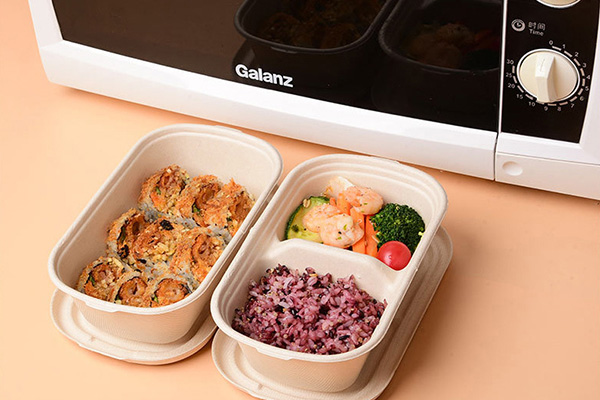
Bagasse products are widely used across the food service industry.
Restaurant Takeout
Many restaurants use bagasse containers for rice dishes, noodles, and hot meal combos.
Food Delivery Services
With the rise of delivery platforms, bagasse containers have become a popular eco-friendly option for takeaway meals.
Supermarkets
Supermarkets often use molded fiber trays or containers for prepared foods in deli sections.
Catering and Events
Bagasse plates and bowls are commonly used at events where disposable but environmentally friendly tableware is required.
The Role of Suppliers Like DASHAN
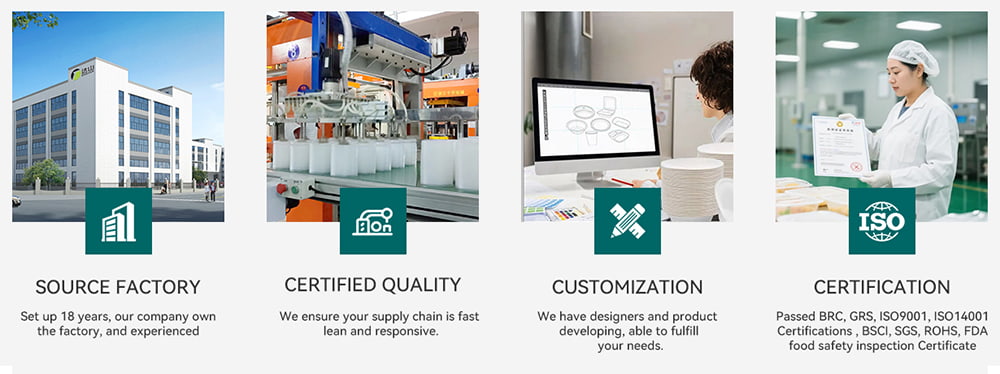
As demand for sustainable food packaging continues to grow, professional manufacturers play an important role in ensuring quality, safety, and supply reliability.
Companies such as DASHAN develop a wide range of food packaging materials—including PLA, PET, CPET, RPET, PP, bagasse, and cornstarch products—to meet the needs of global food businesses.
For example, bagasse containers can be used for environmentally conscious takeaway packaging, while materials like CPET trays may be better suited for frozen meals or airline catering applications. By offering multiple material options, packaging suppliers help businesses select the most appropriate packaging for each food product.
Challenges and Limitations of Bagasse Packaging
While bagasse has many benefits, it is important to understand its limitations.
Limited Transparency
Unlike PET containers, bagasse packaging is opaque. This makes it less suitable for products where visual presentation is critical.
Moderate Heat Resistance
Bagasse containers can handle hot food but are generally not suitable for oven use.
Moisture Exposure
Extended exposure to high moisture foods may gradually soften molded fiber containers.
Because of these limitations, many food companies use a combination of packaging materials depending on the specific product category.
Future Trends for Bagasse Packaging
The global shift toward sustainable packaging is expected to accelerate in the coming years. Several trends are shaping the future of bagasse products.
Government Regulations
Many countries are introducing regulations that restrict single-use plastics, encouraging businesses to adopt fiber-based alternatives.
Consumer Awareness
Consumers are increasingly aware of environmental issues and prefer brands that use eco-friendly packaging.
Technological Improvements
Advances in molded fiber technology are improving the strength, barrier properties, and overall performance of bagasse packaging.
As these developments continue, bagasse is likely to remain a key material in the transition toward more sustainable food packaging systems.
FAQ
1. What is bagasse food packaging?
Bagasse food packaging is made from the fibrous residue left after sugarcane juice extraction. The fibers are processed into molded pulp products such as food containers, trays, bowls, and plates.
2. Is bagasse packaging environmentally friendly?
Yes. Bagasse is considered an eco-friendly packaging material because it uses agricultural waste and can decompose under composting conditions, reducing reliance on petroleum-based plastics.
3. Can bagasse containers handle hot food?
Yes. Bagasse containers generally tolerate temperatures up to around 100–120°C, making them suitable for hot takeaway meals, rice dishes, noodles, and other prepared foods.
4. Are bagasse food containers microwave safe?
Most bagasse containers are microwave safe and can be used to reheat food for short periods, which makes them convenient for ready-to-eat meals.
5. What are the limitations of bagasse packaging?
Bagasse packaging is not transparent and typically cannot withstand oven temperatures. It may also soften if exposed to high moisture for long periods.
6. What types of companies use bagasse packaging?
Restaurants, takeaway services, supermarkets, catering companies, and food delivery businesses often use bagasse containers as an environmentally friendly alternative to traditional plastic packaging.
7. Why do food brands work with suppliers like DASHAN?
Manufacturers such as DASHAN provide multiple packaging materials—including bagasse, PET, PP, CPET, RPET, PLA, and cornstarch products—allowing food businesses to choose the most suitable packaging for different food applications.
Conclusion
Bagasse food packaging represents an innovative way to transform agricultural waste into practical, environmentally responsible products. By converting sugarcane byproducts into durable containers and tableware, manufacturers can reduce waste while providing functional packaging for modern food service.
Although bagasse does not replace every type of plastic packaging, it offers a strong solution for many takeaway and prepared food applications. When combined with other materials such as PET, PP, and CPET, businesses can create packaging systems that balance performance, sustainability, and cost efficiency.
With growing environmental awareness and evolving regulations worldwide, bagasse packaging will continue to play an increasingly important role in the global food packaging industry.
References
-
https://www.sciencedirect.com/topics/agricultural-and-biological-sciences/bagasse
-
https://www.worldwildlife.org/industries/sustainable-packaging
-
https://www.packagingstrategies.com/articles/95769-molded-fiber-packaging-market-growth
Copyright Statement
© 2026 Dashan Packing. All rights reserved.
This article is an original work created by the Dashan Packing editorial team.
All text, data, and images are the result of our independent research, industry experience,
and product development insights. Reproduction or redistribution of any part of this content
without written permission is strictly prohibited.
Dashan Packing is committed to providing accurate, evidence-based information and
to upholding transparency, originality, and compliance with global intellectual property standards.