

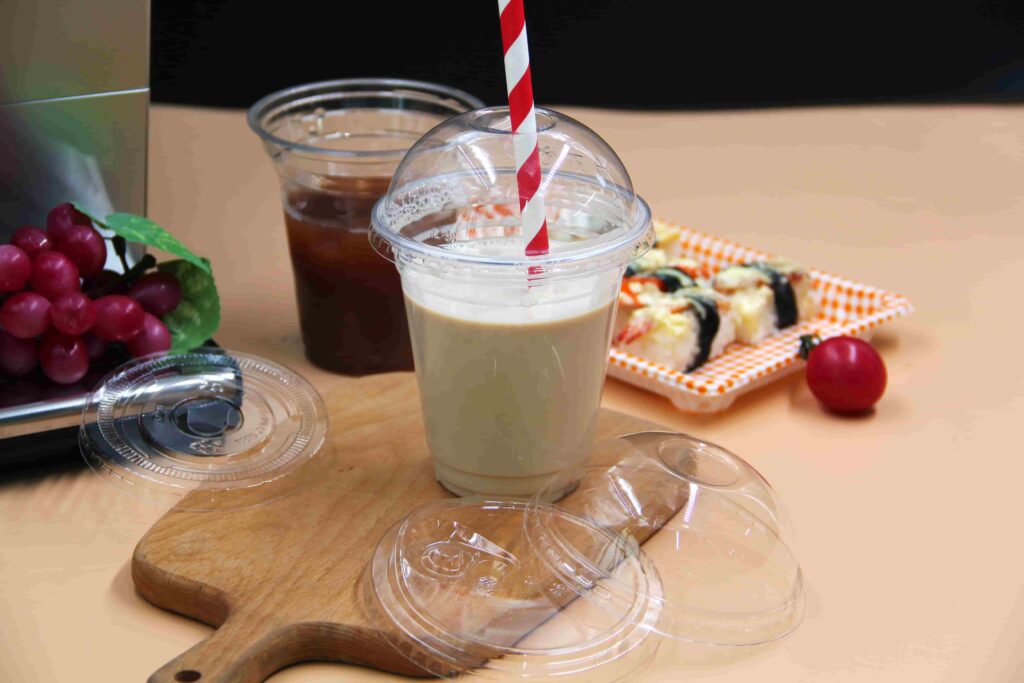
Why 2025 Makes Recyclable Food Packaging Critical for Buyers
The year 2025 marks a turning point for global packaging. Governments across Europe, North America, and Asia are implementing stricter bans on non-recyclable plastics, while requiring businesses to use packaging that fits established recycling systems.
For the foodservice sector, where takeaway and delivery already account for over 50% of packaging use, the urgency is even greater. Customers expect recyclable, eco-friendly packaging as part of their dining experience, and regulators are enforcing fines for non-compliance.
According to Smithers market research, the recyclable plastic packaging market is projected to exceed $70 billion by 2030, driven by consumer demand, sustainability commitments, and the growth of e-commerce food delivery.
Buyers—including importers, wholesalers, and distributors—must navigate certifications, raw material traceability, and recycling requirements across different markets. This Buyer’s Guide shows how to avoid costly mistakes and secure sustainable growth in 2025.
Top 10 Costly Mistakes to Avoid When Sourcing Recyclable Plastic Food Packaging
Mistake 1: Ignoring Certification & Recycling Standards
Recyclability is not guaranteed without proper certification.
-
Europe: Requires EN13430 compliance for packaging recyclability.
-
US: Relies on FDA approvals for food-contact safety and ASTM standards.
-
Asia-Pacific: Countries like Japan and Singapore enforce recycling labeling systems.
Failing to demand certificates (such as FDA, LFGB, CE, or SGS recycling reports) can lead to rejected shipments or penalties at customs.
Mistake 2: Overlooking Supplier Reliability and Audits
Inconsistent quality often comes from uncertified workshops or unverified sourcing of recycled content.
Signs of a reliable supplier include:
-
Third-party audits (BRCGS, ISO 9001, Sedex).
-
Traceability of virgin PET vs. recycled RPET content.
-
Lab tests confirming recyclability and food-contact safety.
Skipping audits may save time upfront but creates long-term compliance risks.
Mistake 3: Focusing Only on Price Instead of Lifecycle Value
Buyers who focus only on FOB unit cost overlook the bigger picture.
-
Cheap PP lunch boxes may warp, causing food waste.
-
Thin PET lids may crack during transport, hurting customer experience.
-
Non-compliant materials may trigger customs seizures.
Lifecycle value—including durability, recyclability, compliance, and customer satisfaction—matters more than the lowest unit price.
Mistake 4: Not Matching Material to Application
Each material has unique strengths:
-
PET containers: Crystal-clear, strong, best for salads, desserts, sushi.
-
RPET trays & clamshells: Eco-friendly, made with recycled content, widely used in retail packs.
-
PP food packaging: Heat-resistant, microwavable, perfect for hot meals and takeout.
Mismatched applications—such as using PET trays for very hot foods—lead to customer complaints and wasted resources.
Mistake 5: Missing Local Compliance Requirements
“Recyclable” labeling alone is not enough.
-
EU: EPR rules make importers responsible for recycling costs.
-
Canada: New labeling laws under SOR/2022-138.
-
Asia: Packaging waste audits are now mandatory in countries like Singapore and Japan.
For example, importing PP containers into Germany without EN13430 recyclability proof may trigger fines of up to €100,000.
Mistake 6: Misunderstanding MOQ Flexibility
Factories require economies of scale.
-
Typical MOQ = 30,000–50,000 pcs per SKU.
-
Small orders increase unit cost by 20–40%.
-
Smart buyers consolidate multiple SKUs into one container shipment.
Unrealistic MOQ expectations often waste time in negotiations.
Mistake 7: Ignoring Packaging Performance Tests
Even recyclable packaging must perform in real-world use.
-
PET lids that crack during shipping → customer complaints.
-
PP lunch boxes without heat resistance → leaks and deformation.
-
RPET clamshells that fail drop tests → damaged goods in retail.
Buyers should demand supplier test data for oil resistance, microwave safety, drop impact, and recyclability validation.
Mistake 8: Forgetting Branding & Customization
Recyclable packaging is also a marketing tool.
-
PET/RPET containers → printable sleeves or in-mold labeling.
-
PP lunch boxes → logo embossing or custom colors.
-
Lids → branding opportunities with stickers or sleeves.
Skipping customization wastes a powerful customer touchpoint.
Mistake 9: Underestimating Lead Times & Logistics
Global shipping in 2025 remains challenging.
-
Lead time: 30–45 days production + 20–40 days sea freight.
-
Additional delays: port congestion, sustainability checks, recycling audits.
Buyers should plan 3–4 months in advance and negotiate safety stock.
Mistake 10: Not Building Long-Term Supplier Partnerships
Treating suppliers as short-term vendors is a costly mistake.
Benefits of long-term partnerships include:
-
Stable pricing despite raw material fluctuations.
-
Priority access during high-demand seasons.
-
Ongoing innovation in recycled content (e.g., higher RPET percentages).
Trusted partnerships turn compliance into long-term advantage.
Product & Material Choices Buyers Must Consider
-
PET food containers: Clear, durable, recyclable, ideal for salads, desserts, sushi.
-
RPET trays & clamshells: Sustainable with recycled content, excellent for retail-ready packaging.
-
PP lunch boxes & trays: Lightweight, microwavable, perfect for hot meals and takeaway.
A strategic mix of PET, RPET, and PP helps buyers cover multiple applications while meeting global recycling standards.
Global Market Trends & Regulations in 2025
-
North America: FDA approvals, stricter labeling, extended recycling mandates.
-
Europe: EN13430 recyclability standard, EPR costs shifting to importers.
-
Asia: Japan’s PET bottle recycling model, Singapore eco-labeling rules, India plastic bans.
-
Global: More than 100 countries enforcing stricter recycling laws.
Why Xiamen Dashan® Stands Out in 2025
Complete Product Range
Xiamen Dashan® provides PET, RPET, and PP packaging for global foodservice and retail—cups, lids, salad bowls, sushi trays, lunch boxes, and clamshells.
Global Certifications & Compliance
Products meet FDA, LFGB, BRCGS, ISO9001, SGS, and recycling compliance standards, ensuring smooth customs clearance and market acceptance.
Manufacturing Strength & Quality Control
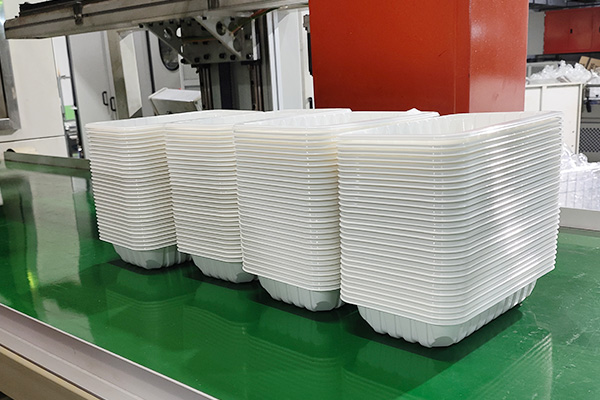
Automated production lines and in-house testing labs ensure consistency in recyclability, durability, and safety.
Export Experience & Buyer Benefits
With strong partnerships in North America, Europe, and Asia-Pacific, Dashan ensures reliable delivery, competitive pricing, and responsive service.
Customization & Sustainability Commitment
OEM options—embossing, printing, custom colors—help brands stand out. Commitment to RPET adoption and ESG standards supports global sustainability goals.
By combining certifications, manufacturing excellence, and export reliability, Xiamen Dashan® delivers not just recyclable packaging, but long-term sourcing partnerships.
Conclusion: Avoid Mistakes, Win the Market
In 2025, recyclable plastic food packaging is a necessity for compliance and customer trust. Buyers who avoid the 10 costly sourcing mistakes will secure competitive advantages, reduce risks, and strengthen their sustainability reputation.
Choosing the right materials—PET for clarity, RPET for sustainability, and PP for hot meals— ensures performance across applications. Partnering with certified suppliers like Xiamen Dashan® enables buyers to meet regulations, build stronger brands, and thrive in the global transition to eco-friendly packaging.
Recyclable packaging is not just about regulation—it is a strategic business opportunity. Companies that act now will lead the market in sustainability, trust, and growth.
FAQ
1. What certifications are required for recyclable plastic food packaging?
FDA (US), LFGB (EU), EN13430 recyclability, ISO9001, and SGS recycling reports are most common.
2. What’s the difference between PET, RPET, and PP?
-
PET: clear, durable, cold foods/beverages.
-
RPET: recycled PET, eco-friendly, excellent for retail.
-
PP: heat-resistant, microwavable, ideal for hot meals.
3. Can PP containers be microwaved safely?
Yes, PP containers are heat-resistant and safe for microwaves, unlike PET.
4. How should buyers manage MOQ and logistics planning?
Typical MOQ is 30,000–50,000 pcs/SKU. Buyers should consolidate orders and plan 3–4 months ahead.
5. Are RPET containers accepted globally?
Yes, RPET is widely accepted in North America, Europe, and Asia, but buyers must confirm local recycling regulations.
6. How does recyclable packaging support sustainability goals?
It reduces plastic waste, supports circular economy initiatives, and ensures compliance with EPR and global recycling laws.
References
-
Ellen MacArthur Foundation – www.ellenmacarthurfoundation.org
-
European Commission Packaging Waste Directive – environment.ec.europa.eu
-
US Environmental Protection Agency – www.epa.gov
-
Sustainable Packaging Coalition – sustainablepackaging.org
-
Smithers Market Report – www.smithers.com
Disclaimer & Copyright Notice
This article is created by the Dashan Packing editorial and research team.All information presented here is for educational and industry reference purposes only.Some data and standards cited in this article are sourced from publicly available materials,official regulatory documents, or third-party publications, which are properly credited where applicable.
All rights to third-party trademarks, images, and content belong to their respective owners.If any copyrighted material has been used inadvertently, please contact us at [email protected] respect intellectual property rights and will promptly remove or revise any material upon verification.