

Quick Summary:
Single-use packaging is crucial for modern convenience, but it contributes significantly to environmental degradation. This article explores the challenges it presents, focusing on the growing demand for sustainable packaging solutions that can reduce waste and pollution. It will look into alternative materials, recycling practices, and the regulatory landscape shaping the future of packaging.
Introduction:
Single-use packaging has become an indispensable part of modern consumer culture. It ensures convenience, product freshness, and hygiene but has also led to significant environmental concerns. From foodservice containers to shipping boxes, single-use packaging is embedded in nearly every industry, contributing to plastic pollution and waste. The need for sustainable alternatives has never been greater, as consumers and governments push for eco-friendly solutions. This article delves into the environmental impact of single-use packaging, the materials driving innovation, and the steps needed to meet both consumer demands and sustainability goals.
1. The Prevalence of Single-Use Packaging in Modern Society:
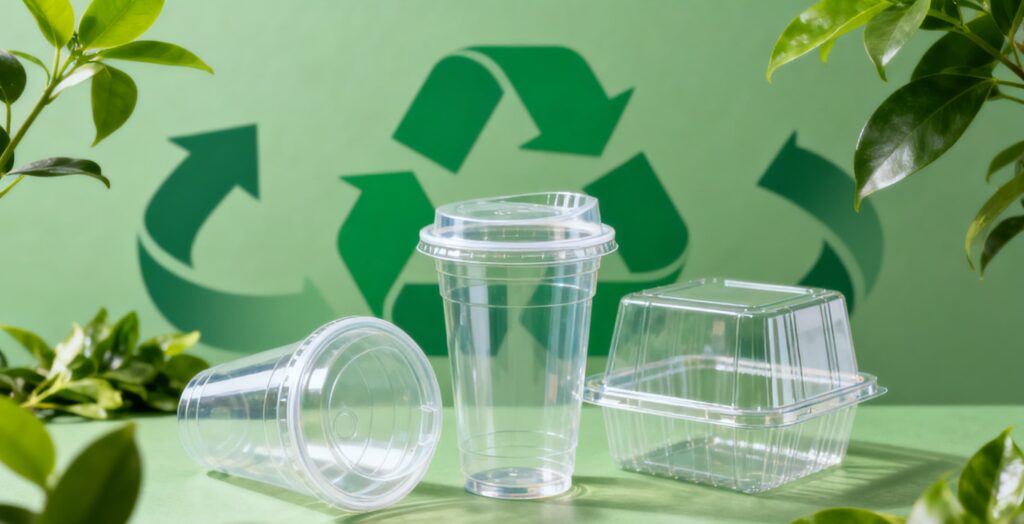
Single-use packaging serves essential functions across various industries, enabling convenience, protection, and preservation of products. The increasing demand for fast, on-the-go consumption has led to its widespread use, particularly in foodservice, e-commerce, and retail sectors.
Key Areas of Usage:
-
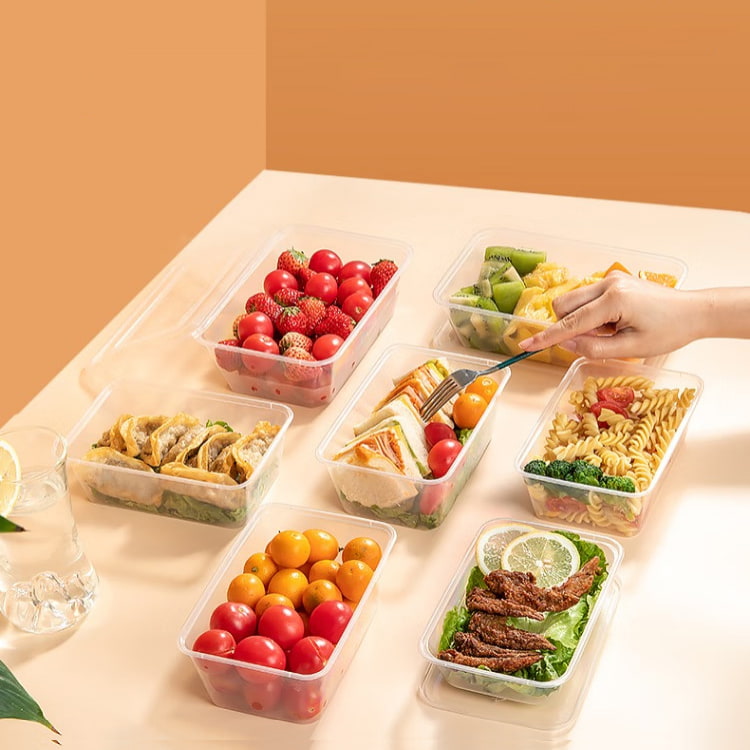
Food & Beverage: Single-use plastic cups, straws, take-out containers, and beverage bottles are ubiquitous in fast-food chains, coffee shops, and restaurants.
-
E-commerce & Shipping: Plastic wraps, air pillows, bubble wraps, and cardboard boxes are extensively used for protecting products during transit.
-
Retail: Bags, shrink wraps, and blister packs are common in retail environments to protect products and provide product visibility.
Consumer Demand for Convenience:
As consumer habits evolve, convenience has become a major driving force behind packaging choices. The demand for easily portable, disposable, and cost-effective packaging has created a preference for lightweight and durable materials, which are often non-biodegradable and contribute to long-term environmental harm.
-
Growth of the Delivery Economy: With the rise of food delivery services, online shopping, and take-out culture, single-use packaging is more in demand than ever.
-
Consumer Behavior: Many consumers prioritize convenience over sustainability, often not considering the environmental costs of their packaging choices.
2. The Environmental Impact of Single-Use Packaging:
The environmental impact of single-use packaging is undeniable. From plastic pollution to landfill overflow, the consequences of using non-recyclable packaging materials are severe.
Plastic Pollution:
-
Non-Biodegradability: Plastics take hundreds of years to decompose, accumulating in landfills and oceans, disrupting ecosystems and wildlife.
-
Marine Pollution: Studies have shown that billions of pounds of plastic enter the oceans each year, where it harms marine life and enters the food chain.
-
Microplastics: As plastics break down, they form tiny particles known as microplastics, which are ingested by marine life and even humans, leading to potential health risks.
Waste Generation:
-
Single-Use Culture: The convenience of single-use packaging has created a culture of disposability, where consumers rarely think about the long-term environmental costs.
-
Landfill Overflow: A large portion of single-use packaging is not recycled and ends up in landfills, contributing to land and water pollution.
Carbon Footprint of Production:
-
Fossil Fuel Dependency: The production of plastic packaging materials is highly energy-intensive, relying heavily on fossil fuels, which increases carbon emissions and contributes to global warming.
-
Wasteful Manufacturing: Single-use plastics are often made from non-renewable resources, further straining the planet’s natural resources.
3. Innovations in Sustainable Packaging Materials:
As consumer awareness grows, manufacturers are developing innovative alternatives to traditional single-use packaging materials, focusing on sustainability, biodegradability, and recyclability.
Biodegradable Packaging Materials:
-
PLA (Polylactic Acid): PLA is a plant-based plastic derived from renewable resources like corn and sugarcane. It is compostable and widely used for food containers, cups, and other disposable packaging.
-
Bagasse (Sugarcane Fiber): Bagasse is a waste product from sugarcane processing, used to create strong and biodegradable containers. It’s compostable, offering a sustainable alternative to Styrofoam and plastic containers.
-
Seaweed-Based Packaging: A revolutionary alternative, seaweed-based packaging is biodegradable and can be consumed, which reduces waste. It’s currently being explored for products like water bottles and packaging films.
Paper-Based Packaging:
-
Recycled Paper and Cardboard: Recycled paper and cardboard are widely used in packaging due to their biodegradability and recyclability. With improvements in coating and treatments, they can serve a variety of food packaging needs.
-
Mushroom Packaging: Made from mycelium (the root structure of mushrooms), this material is 100% biodegradable and can be used for packaging delicate items, such as electronics or produce.
Bioplastics and Plant-Based Plastics:
-
PHA (Polyhydroxyalkanoates): A biodegradable plastic made from organic sources like vegetable oils, PHA breaks down in both marine and terrestrial environments, making it a promising alternative to petroleum-based plastics.
-
Starch-Based Plastics: Derived from corn and other starch-rich crops, starch-based plastics are compostable and are gaining popularity in food packaging like trays, bags, and wraps.
Edible Packaging:
-
Rice and Seaweed Films: Edible films made from rice and seaweed are being tested in various food applications. These packaging solutions reduce waste and offer innovative ways to deliver packaging that can be consumed along with the food.
-
Gelatin and Chitosan Films: Derived from natural substances, these films are biodegradable and edible, used in both food and beverage packaging.
4. The Struggle to Balance Consumer Demand and Sustainability:
While sustainability is a critical priority, the packaging industry faces the challenge of meeting the demands for convenience, cost-effectiveness, and practicality without compromising environmental goals.
Consumer Expectations:
-
Desire for Convenience: Consumers expect packaging that is easy to use, lightweight, and portable. Packaging that requires extra effort for disposal or recycling may not be as well-received in the market.
-
Rising Demand for Eco-Friendly Packaging: As consumer attitudes shift, there is increasing demand for packaging that supports environmental responsibility. However, there is still a disconnect between desire and action—consumers often prioritize convenience over sustainability in practice.
Brand Responsibility:
Brands are under pressure to adopt sustainable practices in response to consumer expectations, but the transition can be challenging due to cost considerations, regulatory uncertainty, and production limitations. Several companies are already setting ambitious sustainability goals, like Coca-Cola’s commitment to making all its packaging recyclable by 2025.
Regulatory Push:
Governments worldwide are introducing stricter regulations, such as bans on plastic straws and requirements for recyclable packaging. These regulations push companies to reconsider their packaging strategies and invest in more sustainable alternatives.
5. The Role of Recycling and Circular Economy in Single-Use Packaging:
Recycling plays a crucial role in reducing the environmental footprint of packaging. However, the current recycling systems need improvements to be more efficient and widespread.
Challenges in Recycling:
-
Contamination: One of the biggest challenges in recycling is contamination. Packaging that is not properly cleaned or sorted can end up in landfills, even if it’s technically recyclable.
-
Limited Infrastructure: In many regions, the infrastructure for recycling specific materials, like multi-layered packaging or bioplastics, is still lacking.
-
Recycling Rates: Despite the push for recycling, global recycling rates for plastics remain low. This highlights the need for a shift toward more sustainable materials that are easier to recycle.
Circular Economy Solutions:
-
Design for Recyclability: Packaging materials are increasingly being designed to be fully recyclable, promoting a closed-loop system where products are recycled into new products.
-
Reuse and Refill Systems: Reusable and refillable packaging systems are gaining traction in some industries, with beverage bottles and containers being returned, cleaned, and refilled for repeated use.
-
Extended Producer Responsibility (EPR): EPR policies hold manufacturers accountable for the end-of-life disposal of their products, encouraging them to design packaging that is easier to recycle.
6. Future Trends and Innovations in Sustainable Packaging:
The future of packaging lies in continuous innovation, with materials science, technology, and consumer engagement playing critical roles.
Smart Packaging:
Smart packaging, which includes technologies like RFID tags, QR codes, and sensors, can help track packaging lifecycle data and improve recycling efforts. These technologies enable better consumer interaction and enhance the recycling process.
Consumer Education and Behavior Change:
Educating consumers about sustainable packaging and encouraging responsible disposal and recycling practices is essential to reducing waste. With more information, consumers are likely to make more informed purchasing decisions and support brands that prioritize sustainability.
Packaging as Part of the Circular Economy:
The transition to a circular economy requires innovative solutions such as packaging that can be reused, refilled, or composted. These solutions promise to reduce packaging waste and enable the sustainable use of resources.
Conclusion:
The demand for single-use packaging is unlikely to disappear anytime soon, but the environmental challenges it presents require urgent attention. Through innovation, regulatory support, and consumer awareness, the packaging industry can reduce its environmental impact while still meeting the demands of a convenience-driven world. The future lies in sustainable, efficient packaging solutions that can support both consumer needs and environmental sustainability.
FAQ:
-
What are the most sustainable alternatives to plastic packaging?
Materials like PLA, bagasse, paperboard, and PHA are considered more sustainable alternatives to traditional plastics, as they are biodegradable and made from renewable resources. -
How does biodegradable packaging impact the environment?
Biodegradable packaging offers a better alternative to plastic by breaking down more quickly in composting environments. However, proper disposal methods are necessary to ensure it decomposes correctly. -
What are the challenges in adopting sustainable packaging?
The main challenges include the higher cost of eco-friendly materials, lack of recycling infrastructure, and consumer resistance to changes in convenience. -
How can brands encourage the use of sustainable packaging?
By educating consumers, offering incentives for recycling, and prioritizing transparency in their sustainability efforts, brands can foster more eco-conscious consumer behavior. -
What role does recycling play in sustainable packaging?
Recycling reduces the demand for new raw materials, conserves energy, and minimizes landfill waste. However, recycling rates are low, and improvements are needed in both infrastructure and consumer participation.
References:
Copyright Statement
© 2025 Dashan Packing. All rights reserved.
This article is an original work created by the Dashan Packing editorial team.
All text, data, and images are the result of our independent research, industry experience,
and product development insights. Reproduction or redistribution of any part of this content
without written permission is strictly prohibited.
Dashan Packing is committed to providing accurate, evidence-based information and
to upholding transparency, originality, and compliance with global intellectual property standards.