
Introduction: The Growing Problem of Ocean Plastic Pollution
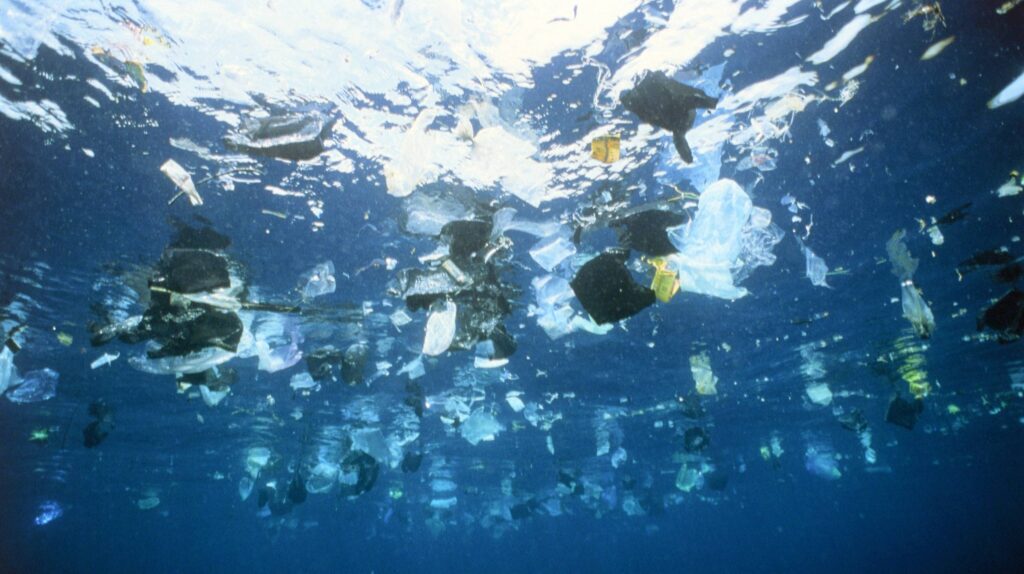
Ocean plastic pollution has become one of the most pressing environmental issues in the world today. Every year, millions of tons of plastic waste enter the oceans, posing a severe threat to marine life and ecosystems. According to the United Nations, it is estimated that by 2050, there will be more plastic than fish in the oceans, by weight. This plastic pollution is not just unsightly but also harmful to marine species, which ingest or become entangled in plastic debris, often leading to injury, suffocation, or death.
Plastics take hundreds of years to decompose, and the damage they cause to marine ecosystems is irreversible. The long-lasting presence of plastic waste in oceans affects biodiversity, disrupts the food chain, and contributes to the contamination of seafood, which humans consume. In response to this growing problem, many governments, environmental organizations, and businesses have started to explore alternative solutions, such as biodegradable packaging, which can break down more quickly and safely in the environment, helping to mitigate the harmful effects of plastic pollution on the oceans.
Understanding Biodegradable Packaging: A Sustainable Solution
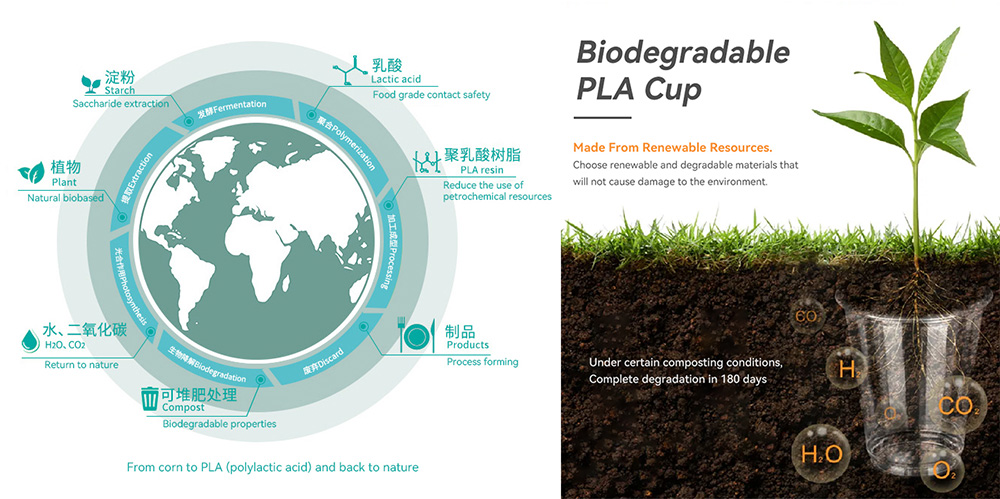
Biodegradable packaging refers to materials that break down naturally through the action of microorganisms, leaving little to no harmful residue behind. This makes biodegradable packaging an ideal solution for addressing plastic pollution. Unlike traditional plastics, which can take centuries to decompose, biodegradable alternatives, such as PLA (Polylactic Acid), break down into natural substances like water, carbon dioxide, and biomass within a relatively short period.
PLA is a biodegradable, plant-based plastic derived from renewable resources like corn or sugarcane. Its popularity has grown significantly in the packaging industry due to its ability to reduce environmental harm. When disposed of in composting facilities or in marine environments, PLA decomposes quickly, significantly reducing the amount of plastic that ends up in our oceans and landfills.
Biodegradable packaging is a sustainable alternative that helps reduce the environmental footprint of packaging waste and minimizes the long-term effects of plastic pollution on the planet. As the world turns to more eco-friendly solutions, PLA has emerged as a key material in the fight against ocean plastic pollution.
The Role of PLA in Reducing Ocean Plastic Pollution
The adoption of PLA in the packaging industry plays a vital role in reducing ocean plastic pollution. As more businesses switch to biodegradable packaging options, the amount of plastic waste entering oceans is expected to decrease. PLA, when used in food packaging, is an excellent alternative to traditional petroleum-based plastics, which take hundreds of years to break down.
One of the major benefits of PLA is that it is derived from renewable plant-based resources, making it a much more sustainable option compared to plastic made from fossil fuels. Unlike conventional plastics that persist in the environment for centuries, PLA breaks down in marine and terrestrial environments into harmless substances, thus reducing the accumulation of plastic in oceans.
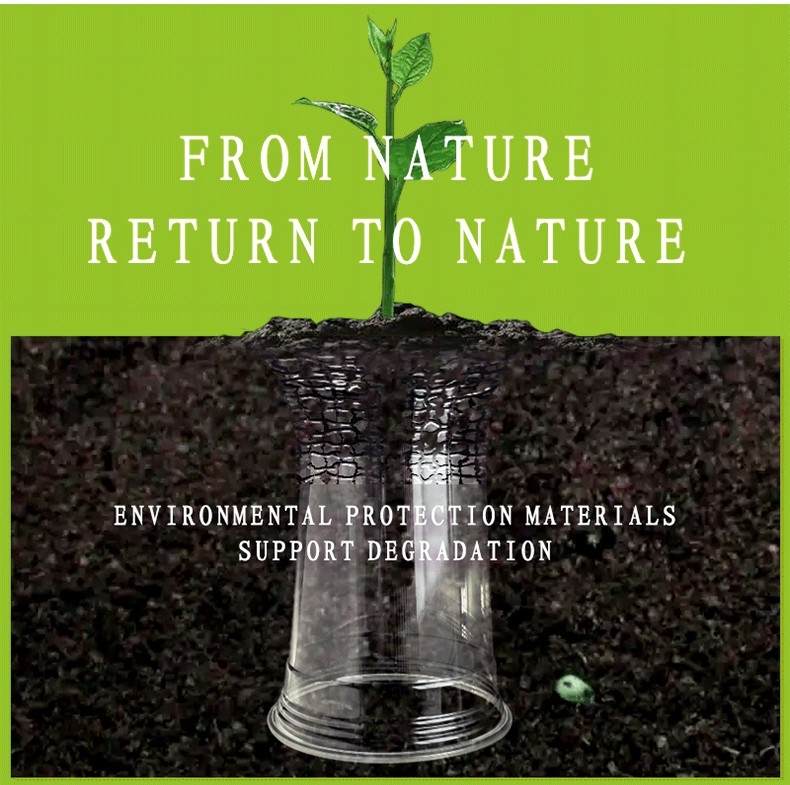
Research has shown that when PLA is exposed to the natural elements, it degrades much faster than regular plastic. Studies have demonstrated that PLA cups and containers are capable of breaking down in marine environments within 1 to 3 years, compared to traditional plastic that can take up to 500 years to degrade.
Challenges in Reducing Ocean Plastic Pollution
While the adoption of biodegradable packaging like PLA offers a promising solution to ocean plastic pollution, several challenges remain in transitioning from traditional plastic to biodegradable alternatives. One of the primary obstacles is the lack of infrastructure for properly composting PLA materials in many regions. Composting facilities are necessary for PLA to degrade efficiently, but they are not available everywhere.
Moreover, consumer awareness remains a critical barrier. Many consumers are unaware of the importance of properly disposing of biodegradable materials and may incorrectly dispose of PLA products, leading to their accumulation in landfills rather than composting environments.
On a global scale, the adoption of PLA packaging is still limited in some developing countries where waste management infrastructure is underdeveloped. This means that while PLA is a more sustainable alternative, its benefits cannot be fully realized without proper waste management systems in place.
To tackle these challenges, it is essential for governments, businesses, and consumers to work together in promoting sustainable waste management practices and educating the public about the benefits of biodegradable packaging.
Dashan’s Commitment to Sustainable Packaging: The Role of PLA Cups
At Xiamen Dashan, we are proud to be at the forefront of providing high-quality biodegradable packaging solutions made from PLA. As a trusted manufacturer of PET, RPET, CPET, and PLA packaging materials, we have made it our mission to contribute to the reduction of ocean plastic pollution through sustainable packaging products.
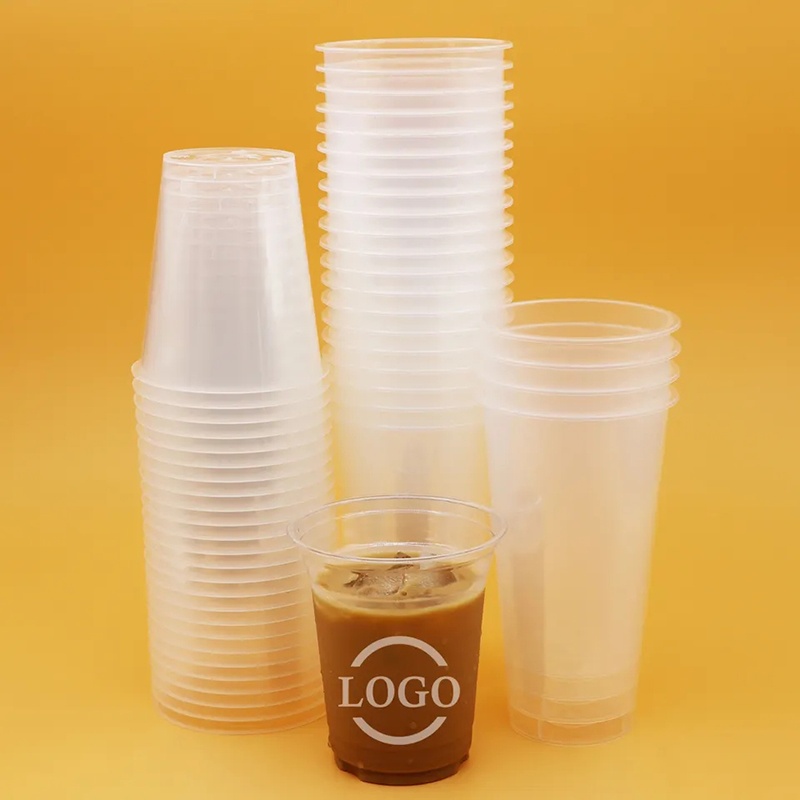
Our PLA cups, such as the 62-3oz (100ml) and 78-7oz (210ml) models, are designed with the environment in mind. These cups are ideal for serving cold beverages and offer an eco-friendly alternative to traditional plastic cups. Not only are these PLA cups biodegradable, but they are also made from renewable plant-based resources, helping to reduce the carbon footprint of packaging.
By producing PLA cups that are fully compostable and biodegradable, Dashan supports the global transition toward more sustainable packaging options. Our commitment to quality and sustainability is reflected in our PLA packaging products, which provide a practical solution for businesses looking to reduce their environmental impact.
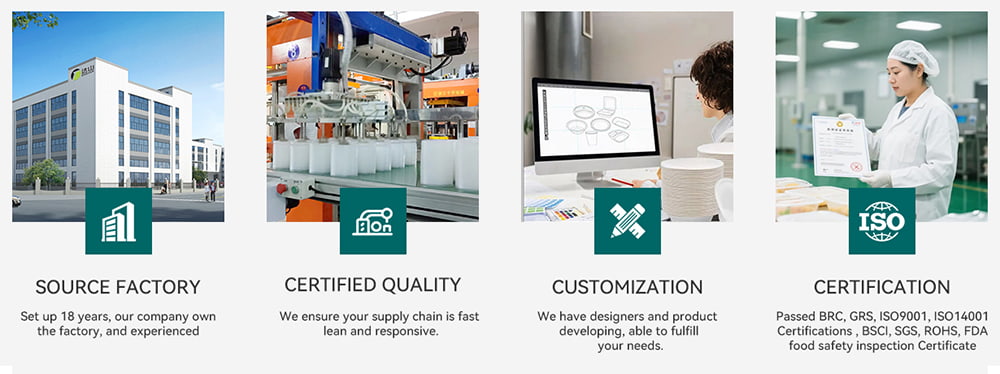
The Process of Manufacturing PLA Cups and Other Biodegradable Packaging at Dashan
At Dashan, we pride ourselves on our sustainable manufacturing processes. We use plant-based materials, primarily derived from renewable sources like corn and sugarcane, to produce PLA cups that are both environmentally friendly and high-quality.
The manufacturing process for our PLA cups begins with the sourcing of raw materials, which are then processed using renewable energy sources to create PLA resin. This resin is then molded into cups through a thermoforming process, ensuring that each cup maintains its structural integrity while being fully biodegradable.
In addition to using renewable materials, we focus on minimizing waste and reducing energy consumption during production. Our sustainable manufacturing practices align with our commitment to reducing the environmental impact of packaging production and contributing to a more sustainable future.

Global Trends in Biodegradable Packaging Adoption
The global adoption of biodegradable packaging is rapidly increasing, driven by growing consumer demand for more sustainable products and stricter environmental regulations. In regions like North America, Europe, and parts of Asia, businesses are increasingly turning to biodegradable options such as PLA to meet the demands of eco-conscious consumers and comply with environmental policies.
Governments around the world are also stepping up efforts to reduce plastic waste. The European Union, for example, has introduced a ban on single-use plastics, which has prompted companies to explore alternatives such as PLA. In the United States, various states and local municipalities have enacted similar bans or restrictions, pushing the packaging industry toward more sustainable solutions.
As more industries and governments adopt biodegradable packaging regulations, the global shift toward PLA and other eco-friendly materials will continue to grow.
Environmental Impact: How Biodegradable Packaging Helps the Planet
The environmental impact of switching to biodegradable packaging like PLA cannot be overstated. Compared to conventional plastic, PLA offers a significantly lower environmental footprint. It is derived from renewable plant materials, which means that its production does not rely on fossil fuels. Additionally, PLA cups and packaging materials break down naturally in both landfills and marine environments, helping to reduce the amount of plastic waste that accumulates in the oceans.
By adopting biodegradable packaging, companies can help reduce the overall amount of plastic pollution, particularly in marine environments. The adoption of PLA helps to decrease the accumulation of harmful plastic debris that often ends up in oceans, where it poses a significant threat to marine life.
How Consumers Can Support the Transition to Biodegradable Packaging
Consumers play a crucial role in the fight against ocean plastic pollution. By choosing products with biodegradable packaging, consumers can drive demand for more sustainable alternatives. Awareness is key; consumers should understand the environmental benefits of biodegradable packaging and actively seek out products that use materials like PLA.
In addition, proper disposal of biodegradable packaging is essential. Consumers should be encouraged to compost PLA materials whenever possible, rather than sending them to landfill. Supporting businesses that prioritize sustainability and offering feedback on the packaging choices can also help accelerate the transition to greener alternatives.
Conclusion: The Future of Packaging and the Fight Against Ocean Plastic Pollution
The future of packaging lies in sustainability, and biodegradable materials like PLA are key to reducing ocean plastic pollution. At Dashan, we are committed to producing high-quality PLA cups and other biodegradable packaging solutions that help protect the environment and reduce plastic waste.
As more businesses and consumers make the switch to biodegradable packaging, we will move closer to a future where plastic pollution no longer harms our oceans. Continued innovation in packaging materials, combined with the efforts of consumers and businesses alike, will play a crucial role in creating a sustainable and pollution-free future for generations to come.

FAQ:
1. What is PLA and why is it biodegradable?
PLA (Polylactic Acid) is a biodegradable plastic made from renewable plant-based resources like corn or sugarcane. It decomposes naturally in the environment through the action of microorganisms.
2. How does PLA compare to conventional plastic in terms of environmental impact?
PLA has a significantly lower environmental footprint than traditional plastic. It is made from renewable resources, is compostable, and breaks down more quickly in the environment, reducing long-term pollution.
3. Can PLA cups decompose in the ocean?
Yes, PLA cups break down in marine environments much faster than conventional plastic. Depending on conditions, they can decompose within 1 to 3 years.
4. How is Dashan contributing to the reduction of ocean plastic pollution?
Dashan is committed to producing sustainable, biodegradable packaging solutions, including PLA cups, which help reduce plastic waste and promote environmental responsibility.
5. What are the challenges in adopting biodegradable packaging globally?
Challenges include lack of composting infrastructure, consumer education, and adoption of biodegradable alternatives in developing regions with underdeveloped waste management systems.
References
-
Jambeck, J. R., Geyer, R., Wilcox, C., Siegler, T. R., Perryman, M., Andrady, A., & Narayan, R. (2015). “Plastic waste inputs from land into the ocean.” Science, 347(6223), 768-771.
-
Rochman, C. M., & Browne, M. A. (2013). “The impacts of plastic debris in the marine environment.” Science, 342(6157), 1505-1507.
-
European Bioplastics (2020). “Bioplastics market data 2020.” European Bioplastics e.V.
-
Plastics Europe (2018). “Plastics – The Facts 2018: An analysis of European plastics production, demand and waste data.” Plastics Europe.
-
Shen, L., Worrell, E., & Patel, M. K. (2010). “Carbon footprint of the global textile industry.” Environmental Science & Technology, 44(15), 6037-6043.
Copyright Statement
© 2025 Dashan Packing. All rights reserved.
This article is an original work created by the Dashan Packing editorial team.
All text, data, and images are the result of our independent research, industry experience,
and product development insights. Reproduction or redistribution of any part of this content
without written permission is strictly prohibited.
Dashan Packing is committed to providing accurate, evidence-based information and
to upholding transparency, originality, and compliance with global intellectual property standards.