

Introduction: The Growing Importance of Eco-Friendly Packaging
As global awareness of environmental issues rises, consumers are placing increasing demands on the packaging of food and everyday products. Eco-friendly packaging not only reflects a brand’s social responsibility but also directly impacts consumer purchasing decisions. Therefore, it is crucial for businesses to understand consumer perceptions and expectations regarding eco-friendly packaging in order to adjust their strategies and meet market demand.
With the growing concern over waste, pollution, and climate change, consumers are now more attuned to how brands manage their environmental footprint—particularly in the context of packaging. Companies that respond effectively to these consumer expectations can benefit from enhanced customer loyalty and a stronger market position.
1. Consumer Perceptions and Demand for Eco-Friendly Packaging
According to multiple market surveys, consumer interest in eco-friendly packaging is steadily growing, especially among younger generations and environmentally-conscious buyers. These consumers are increasingly concerned about the source of packaging materials, recyclability, biodegradability, and the carbon footprint of the packaging process. Here are some key data points and trends:
-
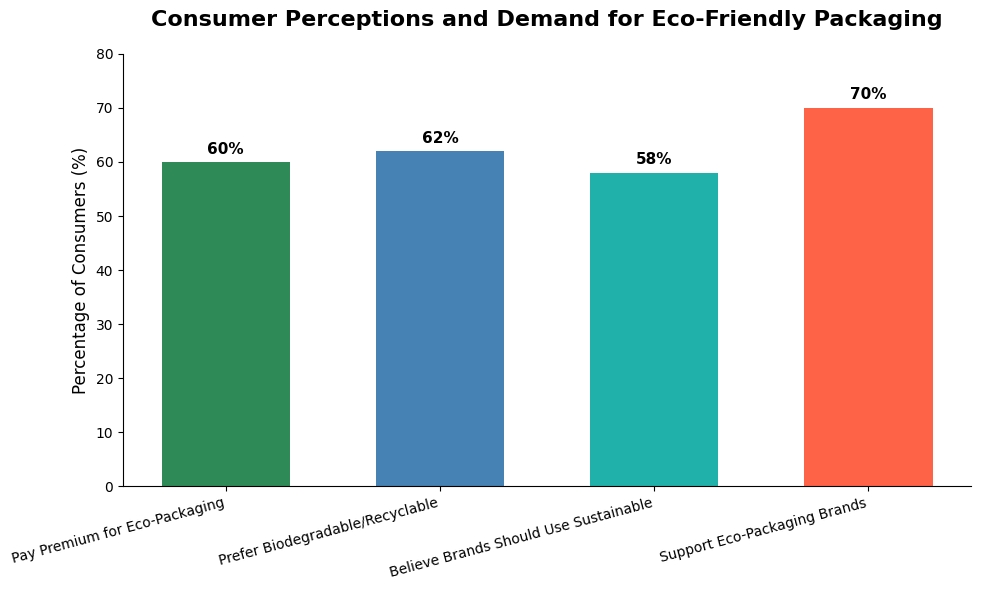
Increasing Environmental Awareness: A survey in the U.S. found that over 60% of consumers are willing to pay a premium for products with eco-friendly packaging.
-
Preferred Materials: 62% of consumers prefer biodegradable or recyclable packaging, especially in the food and beverage sector.
-
Brand Responsibility: 58% of consumers believe that brands should use sustainable materials in product packaging, and 70% said they would support brands that use eco-friendly packaging.
Key Consumer Trends:
-
Rising demand for plastic alternatives such as paper-based and plant-based packaging.
-
Preference for reusable packaging products.
-
Higher attention to eco-certification labels on packaging, such as FSC or carbon footprint.
2. The Connection Between Packaging Preferences and Brand Image
Eco-friendly packaging is not just about meeting consumer demand; it also plays a significant role in shaping a brand’s image. By innovating in packaging design, companies can not only increase customer satisfaction but also stand out in a competitive market. According to surveys, a brand’s eco-friendly image significantly affects consumer loyalty:
-
Consumer Loyalty: A global survey showed that 75% of consumers are more likely to choose brands with outstanding eco-friendly packaging, and they are more likely to make repeat purchases from those brands.
-
Brand Image Enhancement: Over 65% of respondents stated that brands with eco-friendly packaging appear more socially responsible, which enhances their brand reputation and credibility.
The growing importance of eco-friendly packaging is particularly significant among younger consumers. Millennials and Gen Z are more likely to favor companies that align with their environmental values, indicating that a strong eco-friendly image can foster a loyal customer base.
3. How to Enhance Brand Image Through Eco-Friendly Packaging
How can brands adjust their packaging strategies to improve their eco-friendly image? Here are several ways companies can respond:
a. Choosing Sustainable Packaging Materials
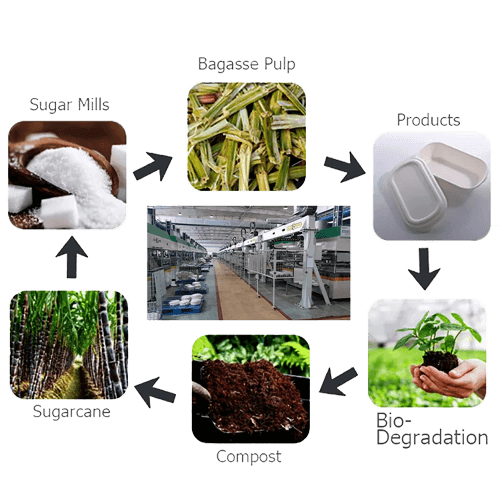
Companies can reduce environmental impact by using plant-based materials, recycled plastics (such as RPET), paper-based packaging, or materials like sugarcane bagasse. These materials are not only eco-friendly but are also well-received by consumers.
Consumers are becoming more informed about the sources of materials used in packaging. By choosing materials with lower environmental footprints, such as biodegradable plastics or compostable materials, brands can appeal to this growing segment of eco-conscious buyers.
b. Improving Recyclability and Biodegradability
Ensuring that packaging is recyclable or biodegradable is crucial for enhancing a brand’s environmental credentials. For example, using biodegradable plastics, non-toxic inks, and ensuring packaging meets environmental certification standards will help brands stand out.
Moreover, companies can explore innovations like edible packaging or water-soluble packaging as part of their commitment to sustainability. Consumers increasingly seek products that will not contribute to landfill waste after use.
c. Transparency in Eco-Certification Labels
Clear and transparent eco-certification labels (such as FSC, organic certification, or carbon footprint labels) on packaging can help consumers understand a brand’s eco-friendly commitment, boosting trust and loyalty.
When brands are transparent about their packaging choices and certifications, they enhance credibility in the eyes of the consumer. Labels such as Fair Trade, carbon-neutral certification, or cruelty-free can further bolster a brand’s reputation.
d. Promoting Reusable and Secondary Packaging
Brands can promote reusable packaging solutions like foldable boxes or eco-friendly bags, or design packaging that can be reused after the product is consumed. These strategies not only align with sustainable packaging goals but also enhance the brand image by showing a commitment to sustainability.
Reusable packaging, such as glass containers or durable tote bags, is increasingly favored by consumers who want to reduce waste. Encouraging circular economy practices, where packaging is designed for multiple uses, can also make a significant impact.
4. Market Survey: Changing Trends in Consumer Behavior
According to various market surveys, the demand for eco-friendly packaging is not limited to individual consumer products; it is also influencing B2B markets. Here are some survey data and analysis:
-
In North America, nearly 80% of consumers are willing to pay more for eco-friendly packaging, especially in high-end food, beverages, and personal care products.
-
European consumers are particularly focused on the recyclability of packaging, with about 65% of consumers choosing products with eco-certifications.
-
Asia-Pacific regions, particularly China and Japan, are experiencing a rapid increase in eco-friendly packaging demand, with more consumers asking brands to reduce plastic usage.
The data highlights a global shift toward sustainability, where eco-friendly packaging is not just a trend but a consumer expectation. As consumers become more discerning about the environmental impact of their purchases, businesses that adapt to these changing preferences can maintain a competitive edge.
Conclusion: How Brands Can Respond to Consumer Demand for Eco-Friendly Packaging
If companies want to stand out in a competitive market, they must adjust their packaging strategies according to consumer demand for eco-friendly packaging. By adopting sustainable materials and focusing on eco-friendly design, companies can improve their brand image while meeting consumer expectations. According to market survey data, companies should focus on the following points:
-
Increase the use of sustainable materials and promote packaging that is recyclable or biodegradable.
-
Enhance transparency by providing detailed eco-certification information on packaging.
-
Regularly conduct market surveys to understand consumer preferences and ensure the brand remains aligned with the evolving demand for eco-friendly packaging.
As eco-friendly packaging continues to gain traction, businesses that embrace these changes will not only fulfill consumer demands but also contribute to a more sustainable future.
FAQ:
-
Does eco-friendly packaging really increase consumer loyalty?
-
Yes, according to surveys, over 75% of consumers are more likely to choose brands with excellent eco-friendly packaging, and these consumers are more likely to remain loyal to these brands.
-
-
How do I choose the right eco-friendly packaging material?
-
When selecting eco-friendly packaging, businesses should consider materials that are biodegradable, recyclable, durable, and meet relevant environmental certification standards.
-
-
Is eco-friendly packaging more expensive than traditional packaging?
-
While the initial costs of eco-friendly packaging may be higher, through long-term supply chain optimization, material recovery, and consumer support for sustainable brands, businesses can achieve cost balance.
-
References
-
Statista. (2023). Consumer willingness to pay more for eco-friendly packaging. Retrieved from https://www.statista.com.
-
Nielsen. (2021). The Green Generation: Millennials Say Sustainability Is a Shopping Priority. Nielsen Global Survey. Retrieved from https://www.nielsen.com.
-
Packaging Digest. (2022). Sustainability Trends in Packaging: A Global Perspective. Retrieved from https://www.packagingdigest.com.
-
Euromonitor International. (2023). Sustainability and Eco-Friendly Packaging Preferences: Market Trends. Retrieved from https://www.euromonitor.com.
Copyright Statement
© 2025 Dashan Packing. All rights reserved.
This article is an original work created by the Dashan Packing editorial team.
All text, data, and images are the result of our independent research, industry experience,
and product development insights. Reproduction or redistribution of any part of this content
without written permission is strictly prohibited.
Dashan Packing is committed to providing accurate, evidence-based information and
to upholding transparency, originality, and compliance with global intellectual property standards.