

Introduction
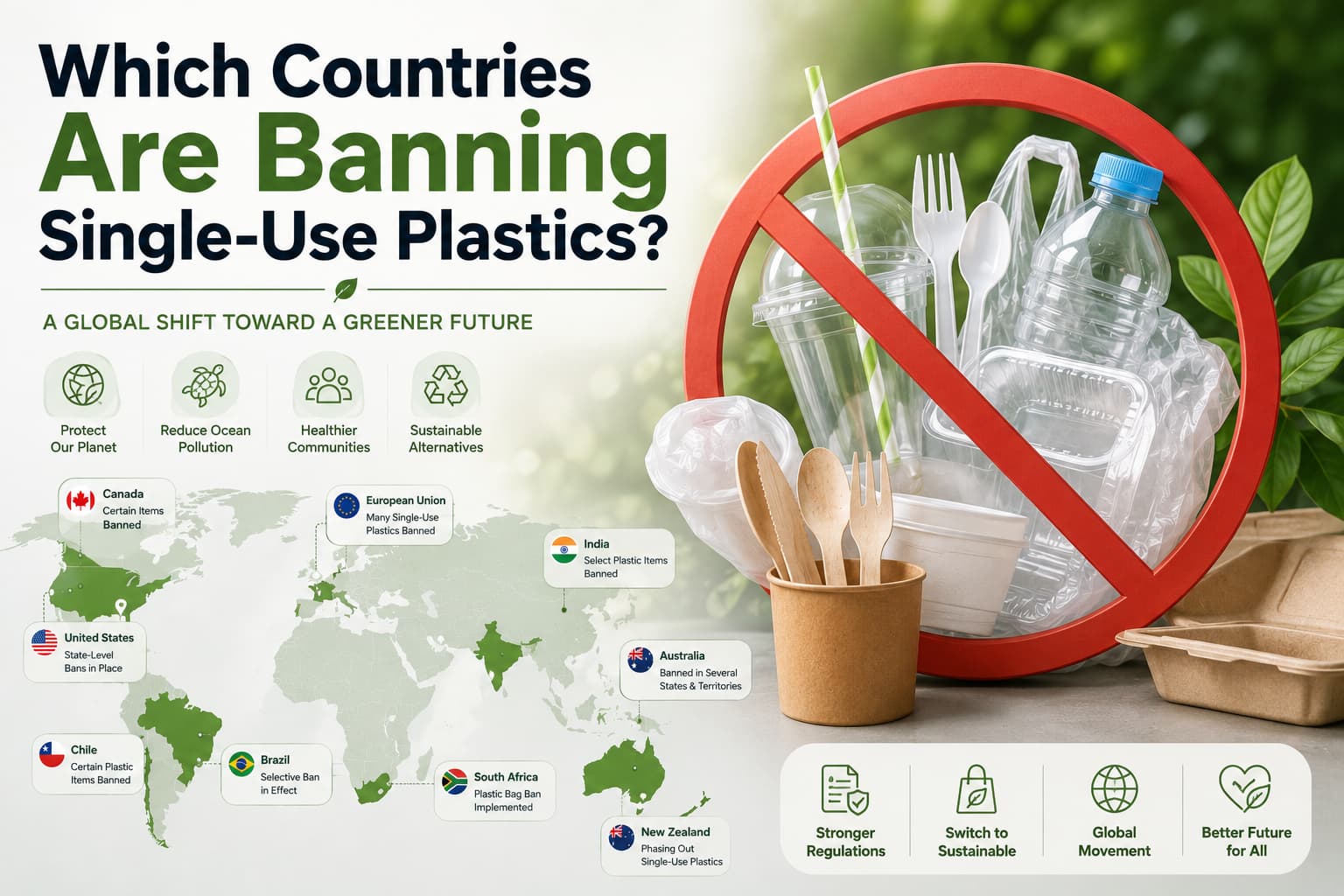
Over the past decade, governments around the world have introduced increasingly strict regulations on single-use plastics. Growing concerns about plastic pollution, marine waste, landfill capacity, and carbon emissions have prompted policymakers to rethink how plastic products are produced, consumed, and disposed of.
For the food packaging industry, these regulatory changes represent both challenges and opportunities. Restaurants, supermarkets, food manufacturers, and packaging suppliers must adapt to evolving requirements while continuing to meet consumer expectations for food safety, convenience, affordability, and sustainability.
However, one common misconception continues to circulate throughout the market: many people believe that all plastic packaging is being banned.
The reality is far more complex.
Most regulations focus on specific single-use plastic products that are difficult to recycle, frequently littered, or easily replaced by alternatives. At the same time, recyclable materials such as PP (Polypropylene) and PET (Polyethylene Terephthalate) remain widely used in food packaging systems across many countries.
For food brands, distributors, and packaging buyers, understanding these regulations is becoming an important part of supply chain planning.
This article explores which countries are restricting single-use plastics, what products are affected, how regulations differ between regions, and what food packaging businesses should consider when preparing for the future.
Why Governments Are Restricting Single-Use Plastics
Plastic has transformed modern food distribution by improving hygiene, reducing food waste, and lowering transportation costs. Yet the rapid growth of disposable products has also created environmental challenges.
The Growing Plastic Waste Problem
According to environmental organizations and government reports, millions of tons of plastic waste enter the environment each year. Single-use products such as bags, straws, cutlery, and foam food containers are often among the most visible forms of litter.
Several concerns have driven regulatory action:
- Plastic pollution in oceans and waterways
- Landfill overcrowding
- Wildlife impacts
- Microplastic contamination
- Greenhouse gas emissions associated with waste management
As sustainability becomes a priority for governments and consumers alike, reducing unnecessary plastic waste has become a global policy objective.
Why Food Packaging Is Receiving Attention
Food packaging occupies a unique position in sustainability discussions.
On one hand, packaging helps:
- Protect food safety
- Extend shelf life
- Reduce food waste
- Improve transportation efficiency
On the other hand, disposable packaging contributes significantly to municipal waste streams.
As a result, regulators are increasingly targeting specific packaging formats while encouraging recyclable and reusable alternatives.
Which Single-Use Plastic Products Are Most Commonly Restricted?
Although regulations vary between countries, certain products appear repeatedly on restricted-product lists.
| Frequently Restricted Products | Common Alternatives |
|---|---|
| Plastic Straws | Paper or Reusable Straws |
| Plastic Cutlery | Reusable PP Cutlery |
| Plastic Stir Sticks | Wooden Alternatives |
| EPS Foam Containers | PP Food Containers |
| Lightweight Plastic Bags | Reusable Bags |
| Plastic Plates | Reusable Tableware |
| Expanded Polystyrene Cups | Recyclable PP Cups |
Most restrictions focus on products that are difficult to recycle or frequently found in litter streams.
Importantly, food packaging made from recyclable materials is often treated differently from banned disposable items.
European Union: Leading Global Plastic Reduction Efforts
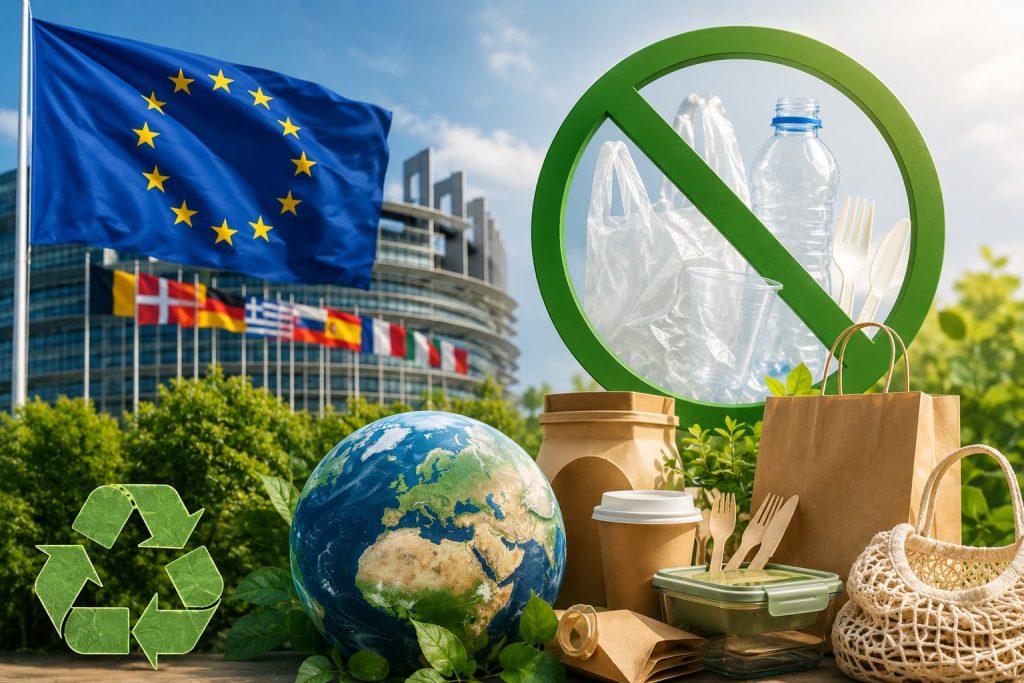
The European Union has become one of the world’s most influential regulators in the fight against plastic pollution.
The Single-Use Plastics Directive
The EU’s Single-Use Plastics (SUP) Directive introduced restrictions on several commonly used disposable plastic products.
Products targeted include:
- Plastic cutlery
- Plastic plates
- Plastic straws
- Beverage stirrers
- Expanded polystyrene (EPS) food containers
- Expanded polystyrene beverage cups
The directive aims to reduce marine litter while encouraging circular economy practices.
What This Means for Food Packaging
Contrary to popular belief, the EU has not banned all plastic food packaging.
Many food packaging formats remain widely accepted, including:
- Recyclable PP food containers
- PET produce packaging
- Recyclable beverage packaging
- Reusable food service containers
The focus is increasingly shifting toward recyclability, material recovery, and packaging design optimization rather than outright elimination of all plastic materials.
United Kingdom: Expanding Restrictions Beyond Plastic Straws
Following similar sustainability goals, the United Kingdom has implemented restrictions on various single-use plastic products.
Recent measures have targeted:
- Plastic straws
- Disposable plastic cutlery
- Plastic stirrers
- Certain takeaway food containers
The UK government continues to explore additional waste-reduction strategies, including extended producer responsibility (EPR) programs and packaging waste reforms.
For packaging suppliers, compliance increasingly depends on demonstrating recyclability and responsible material selection.
Canada: Moving Toward a Circular Packaging Economy
Canada has also introduced measures designed to reduce problematic plastic waste.
Regulatory efforts have focused on products such as:
- Checkout bags
- Cutlery
- Foodservice ware
- Stir sticks
- Straws
At the same time, Canadian policymakers continue to encourage recycling infrastructure improvements and sustainable packaging innovation.
Food brands operating in Canada increasingly seek packaging solutions that balance functionality with environmental performance.
India: One of the Largest Plastic Reduction Initiatives in the World
India’s large-scale approach to plastic reduction has attracted significant global attention.
The country has introduced restrictions on numerous single-use plastic products, including:
- Disposable cutlery
- Plastic sticks
- Certain wrapping materials
- Decorative plastic items
- Single-use food service products
Given India’s population and growing consumer market, these policies have substantial implications for both domestic manufacturers and international suppliers.
Many businesses have responded by investing in reusable packaging systems, recyclable materials, and alternative product designs.
Australia and New Zealand: Regional Approaches to Plastic Reduction
Australia and New Zealand have adopted regulations that vary by state, territory, and local government.
Commonly restricted products include:
- Plastic straws
- Disposable cutlery
- Plastic stirrers
- Certain takeaway packaging items
Many businesses operating in these markets have transitioned toward recyclable packaging and reusable food service solutions.
These changes illustrate a broader trend: governments increasingly favor waste reduction strategies that support recycling and circular economy objectives.
Emerging Markets Are Also Tightening Plastic Regulations
Plastic restrictions are no longer limited to Europe and North America.
Many emerging economies are implementing their own sustainability initiatives.
Examples include:
United Arab Emirates
The UAE has introduced restrictions on certain single-use plastic products as part of broader sustainability goals.
Chile
Chile has become one of Latin America’s leaders in sustainable packaging regulation and waste reduction policies.
Colombia
The country has introduced measures targeting disposable plastic products and promoting responsible packaging systems.
Kenya
Kenya is widely recognized for implementing some of the world’s strictest regulations on plastic bags.
Indonesia
Indonesia continues to strengthen efforts to reduce marine plastic pollution through national and regional initiatives.
Thailand and Vietnam
Both countries are developing policies that encourage reduced reliance on disposable plastic products and increased recycling rates.
For global packaging suppliers, these developments demonstrate that sustainability requirements are becoming increasingly international.
Are PP and PET Food Packaging Being Banned?
This is perhaps the most common question asked by food manufacturers and packaging buyers.
The Short Answer: Generally No
Most current regulations do not prohibit all plastic packaging.
Instead, governments are primarily targeting:
- Difficult-to-recycle products
- Excessive single-use items
- Expanded polystyrene products
- Frequently littered disposable goods
As a result, many PP and PET food packaging products remain widely used throughout global markets.
Why PP Packaging Continues to Play an Important Role
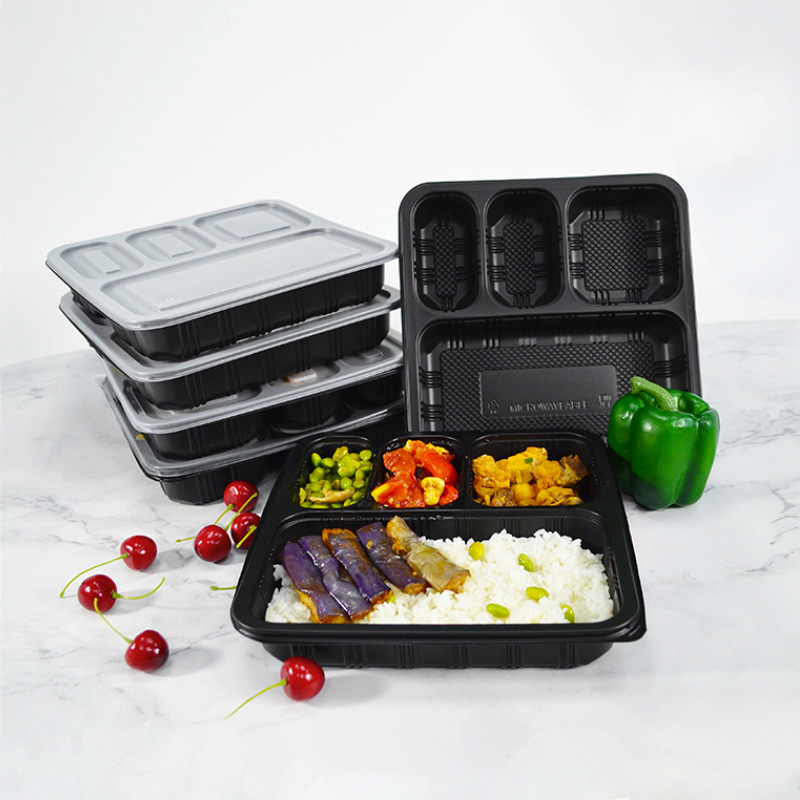
Polypropylene (PP) remains one of the most popular materials in food packaging because of its performance characteristics.
Advantages include:
- Recyclability
- Heat resistance
- Durability
- Lightweight construction
- Microwave compatibility
- Reusability potential
PP is commonly used for:
- Meal containers
- Takeaway boxes
- Airline catering trays
- Food service packaging
- Reusable cups
Because of its durability and recyclability, PP often aligns more closely with evolving sustainability objectives than some other disposable materials.
Why PET Packaging Continues to Grow

PET packaging remains highly valued in food retail applications.
Key benefits include:
- Excellent transparency
- High recyclability
- Strong shelf appeal
- Lightweight transportation
- Effective product visibility
Common applications include:
- Fruit packaging
- Salad containers
- Bakery packaging
- Cold food packaging
- Fresh produce containers
As recycling infrastructure improves globally, PET continues to play a significant role in sustainable packaging strategies.
How Food Brands Are Adapting to New Plastic Regulations
Rather than abandoning plastic entirely, many companies are redesigning packaging systems to meet regulatory requirements.
Several trends are emerging across the food packaging industry.
Lightweight Packaging Design
Reducing material usage lowers both environmental impact and transportation costs.
Mono-Material Packaging
Using a single material improves recycling efficiency and simplifies waste sorting.
Increased Recycled Content
Many brands are incorporating recycled materials into packaging production.
Reusable Packaging Systems
Food service operators are increasingly experimenting with reusable containers and cup programs.
Circular Economy Design
Packaging is being developed with its entire lifecycle in mind, from production to collection and recycling.
What Packaging Buyers Should Ask Suppliers in 2026
As regulations continue to evolve, buyers should evaluate packaging suppliers carefully.
Important questions include:
- Is the packaging recyclable?
- Does it comply with local regulations?
- Can it support EPR requirements?
- Is recycled content available?
- Can packaging designs be optimized for sustainability goals?
- Are reusable options available?
- Does the supplier understand international compliance requirements?
The answers to these questions can help businesses reduce regulatory risks while preparing for future market demands.
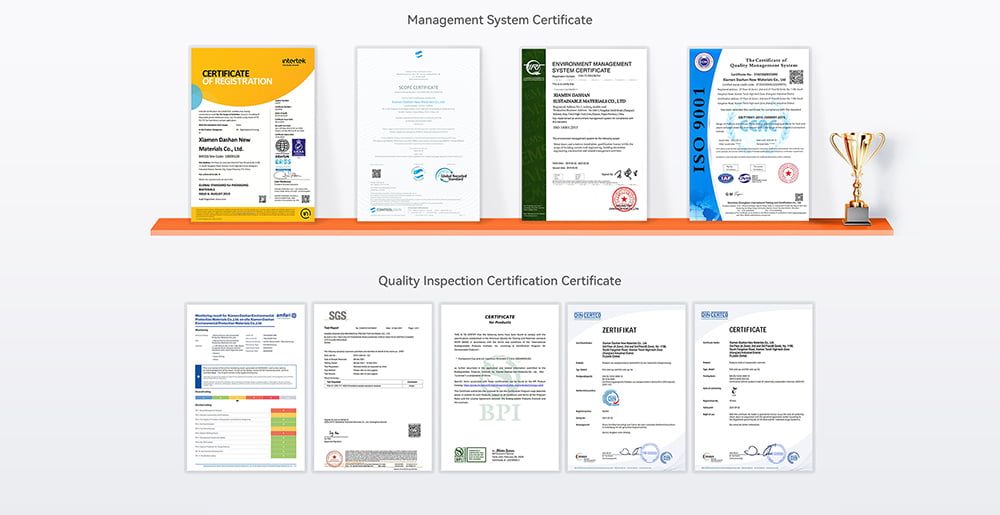
How DASHAN Supports Regulatory-Compliant Food Packaging
As global regulations evolve, food packaging suppliers must provide solutions that balance compliance, functionality, and cost efficiency.
DASHAN offers a wide range of food packaging products designed to support these objectives, including:
- Recyclable PP food containers
- PET fruit packaging solutions
- Airline meal trays
- Reusable PP cups
- Takeaway bowls and lids
- Custom OEM packaging projects
- Flexible ODM packaging solutions
By focusing on practical, recyclable, and performance-driven packaging designs, DASHAN helps customers navigate changing market requirements without compromising product quality or operational efficiency.
Whether businesses require ready-to-market packaging or customized development projects, selecting packaging solutions that align with regulatory trends can help strengthen long-term competitiveness.
The Future of Single-Use Plastics and Food Packaging
The global packaging industry is entering a period of significant transformation.
While regulations will continue to evolve, several trends appear likely to shape the future:
More Recycling Requirements
Governments will increasingly require packaging to be recyclable or easier to recover.
Expansion of Extended Producer Responsibility (EPR)
Producers will face greater responsibility for packaging waste management.
Growth of Reusable Packaging Systems
Reusable food service models are expected to expand in many markets.
Increased Demand for Circular Packaging
Designing packaging for reuse, recycling, and material recovery will become increasingly important.
Greater Transparency Requirements
Companies will likely need to provide more information about packaging materials and environmental performance.
Conclusion
The global movement against single-use plastics is reshaping the food packaging industry, but it is important to understand that most countries are not banning all plastic packaging.
Instead, governments are focusing on reducing problematic disposable products while encouraging recyclable, reusable, and more sustainable packaging systems.
For food brands, distributors, and packaging buyers, staying informed about regulatory developments is becoming a critical part of long-term business planning. Materials such as PP and PET continue to play important roles in food packaging because they offer a balance of functionality, food safety, recyclability, and cost efficiency.
As regulations become more sophisticated, businesses that invest in compliant packaging strategies and work with experienced packaging suppliers will be better positioned to adapt to changing market expectations.
The future of food packaging is not simply about using less plastic—it is about using smarter, more recyclable, and more responsible packaging solutions that support both environmental goals and business success.
References
- United Nations Environment Programme (UNEP) – Plastic Pollution and Global Policy Initiatives
https://www.unep.org - European Commission – Single-Use Plastics Directive
https://environment.ec.europa.eu - World Packaging Organisation (WPO)
https://www.worldpackaging.org - Food Packaging Forum
https://www.foodpackagingforum.org - Organisation for Economic Co-operation and Development (OECD) – Global Plastics Outlook
https://www.oecd.org - Ellen MacArthur Foundation – Circular Economy for Plastics
https://www.ellenmacarthurfoundation.org - Plastics Industry Association
https://www.plasticsindustry.org - DASHAN Food Packaging Solutions
https://www.dashanpacking.com