

Quick Summary
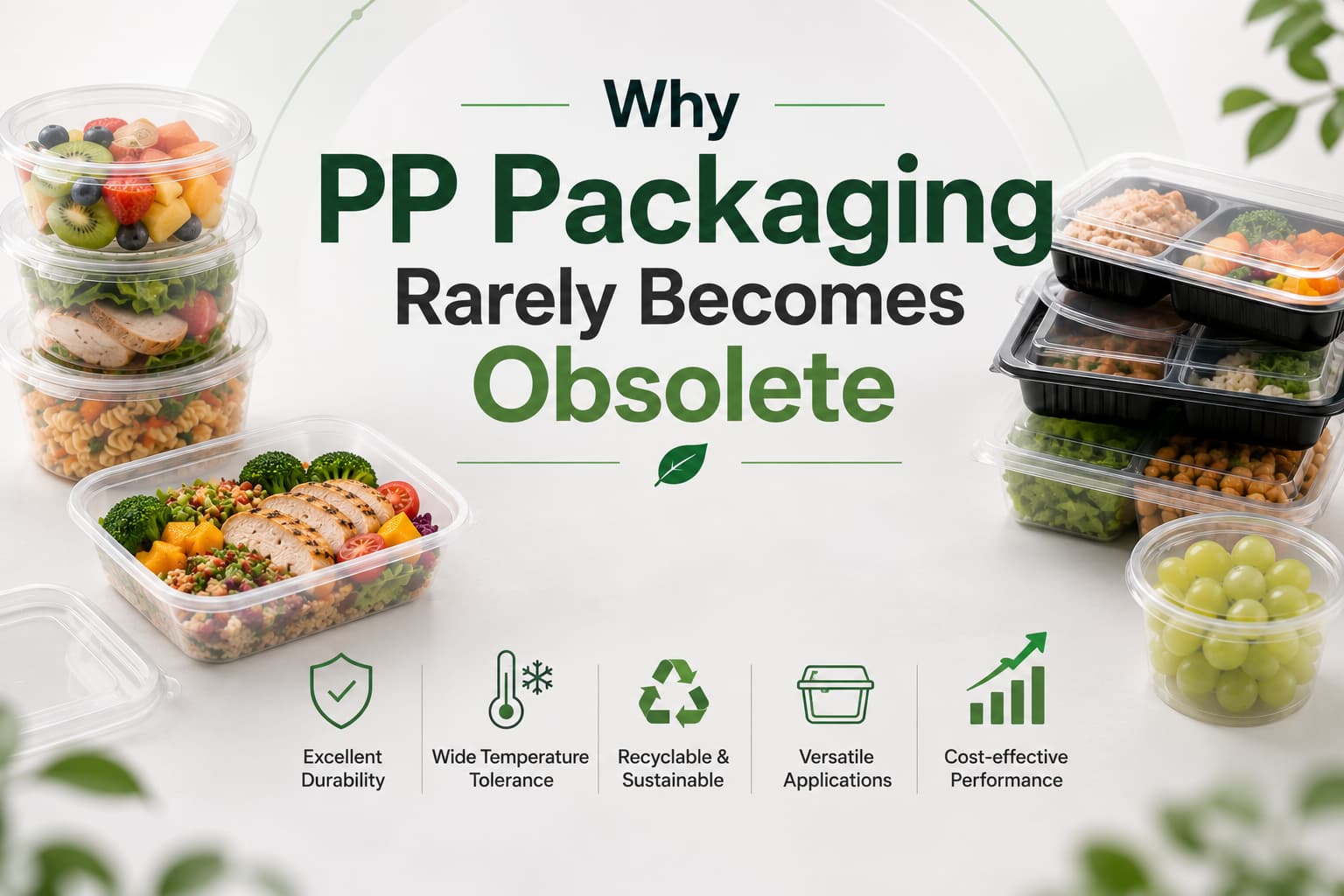
Over the past two decades, the food packaging industry has experienced numerous shifts driven by changing consumer preferences, sustainability initiatives, and new material innovations. Despite these changes, polypropylene (PP) has remained one of the most widely used materials in food packaging. Its long-term relevance stems from a unique combination of heat resistance, durability, cost efficiency, versatility, and manufacturing scalability. While many materials rise and fall with market trends, PP continues to adapt to new foodservice, retail, delivery, and catering requirements, making it one of the most resilient materials in modern food packaging.
Introduction
The food packaging industry has changed dramatically over the past two decades. New materials have entered the market, sustainability expectations have increased, regulations have evolved, and consumer purchasing habits have shifted repeatedly.
At various points, materials such as expanded polystyrene (EPS), coated paper products, biodegradable plastics, molded fiber, and other emerging alternatives have been promoted as the future of food packaging. Some experienced rapid growth, while others struggled to achieve widespread adoption.
Yet throughout these industry changes, one material has remained remarkably consistent: polypropylene (PP).
From convenience stores and airline catering to meal-prep programs and food delivery services, PP packaging continues to play a central role in global foodservice operations. While trends come and go, PP has demonstrated an unusual ability to remain relevant.
The reason is simple. PP solves practical problems that food businesses face every day. As long as those problems exist, PP is likely to remain an important part of the packaging industry.
The Food Packaging Industry Has Experienced Multiple Waves of Change
Food packaging trends often reflect broader market priorities.
During the early 2000s, businesses focused heavily on cost reduction and operational efficiency. Packaging decisions were primarily driven by functionality and affordability.
As takeaway dining expanded, packaging needed to support portability and convenience. Later, sustainability concerns became a major industry focus, leading to increased interest in paper-based materials, compostable packaging, and bio-based alternatives.
The COVID-19 pandemic further accelerated demand for delivery-friendly packaging as consumers shifted toward takeaway and home delivery.
Today, packaging discussions increasingly focus on:
- Circular economy initiatives
- Recycling infrastructure
- Carbon reduction
- Material innovation
- Consumer perception
Despite these shifts, food still needs to be protected, transported, displayed, stored, and consumed efficiently. These fundamental requirements have changed far less than packaging trends themselves.
PP Solves Multiple Packaging Challenges Simultaneously
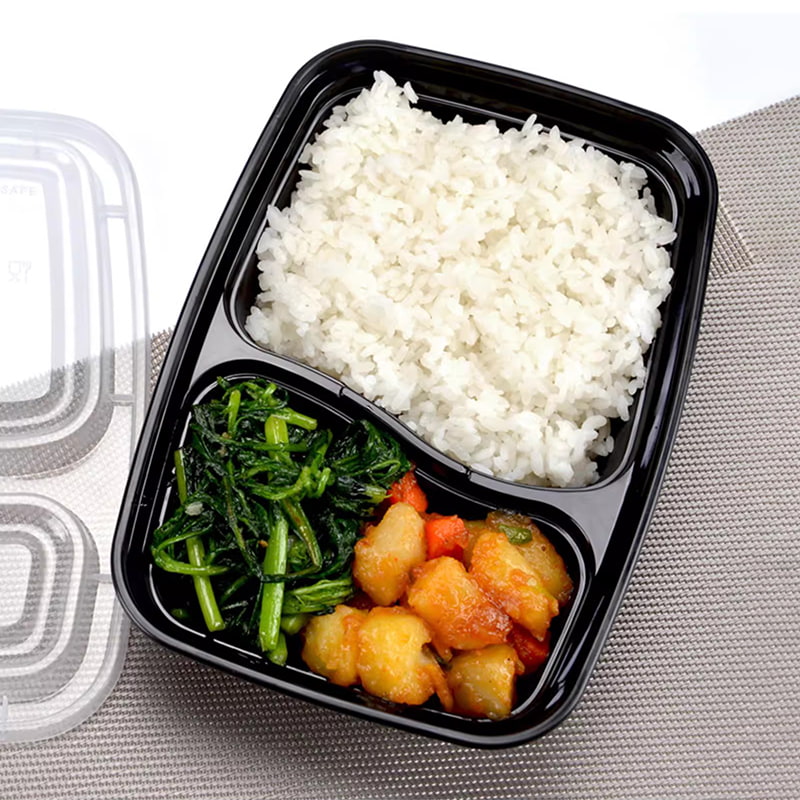
One reason PP has remained relevant is that it offers a balanced combination of performance characteristics.
Many alternative materials perform exceptionally well in one area but less effectively in others.
For example:
- Paper may offer sustainability advantages but can struggle with moisture resistance.
- PET provides excellent clarity but is generally less suitable for high-temperature applications.
- Compostable materials may support environmental goals but often involve higher costs or specialized disposal requirements.
PP, however, addresses a broad range of operational needs simultaneously.
| Packaging Requirement | PP Performance |
|---|---|
| Heat resistance | Excellent |
| Durability | Excellent |
| Lightweight design | Excellent |
| Food safety | Excellent |
| Leak resistance | Strong |
| Cost efficiency | Strong |
| Manufacturing scalability | Excellent |
| Product versatility | Excellent |
For buyers, this balance reduces risk because one material can support multiple product categories and operational environments.
Food Trends Change Faster Than Packaging Requirements
Consumer eating habits have evolved significantly.
Over the past twenty years, the market has seen growth in:
- Ready-to-eat meals
- Meal-prep programs
- Convenience foods
- Food delivery
- Grab-and-go retail
- Healthy eating concepts
- Fresh prepared foods
However, regardless of how food is consumed, packaging still needs to perform several essential functions.
It must:
- Contain the product securely
- Prevent leakage
- Protect food quality
- Support transportation
- Maintain structural integrity
- Meet food-contact requirements
The delivery economy is a good example.
While food delivery platforms transformed how meals are purchased, they did not eliminate the need for durable, reliable packaging. In many cases, delivery increased performance requirements because food now spends more time in transit.
PP was well-positioned to adapt because it already provided many of the characteristics needed for transportation and handling.
The Delivery Economy Reinforced the Importance of PP
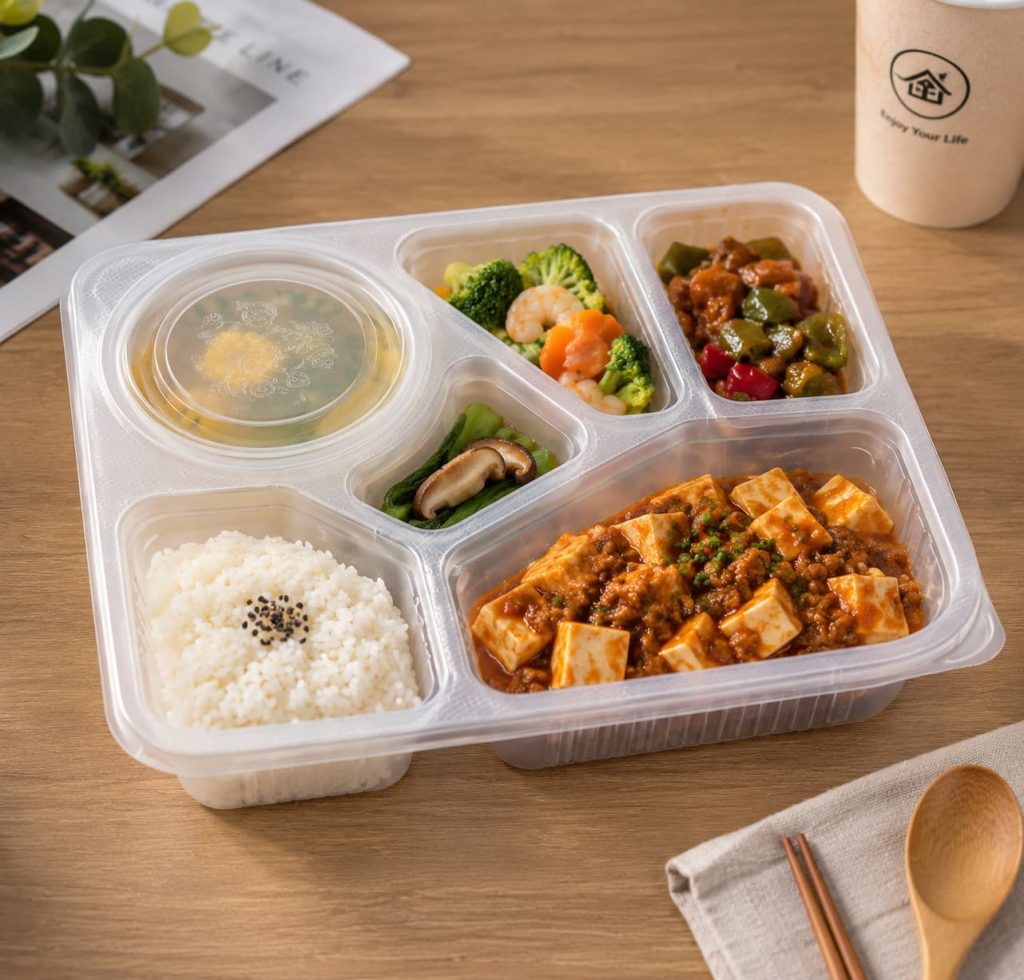
The rapid growth of food delivery platforms created new packaging challenges.
Meals often travel longer distances and remain inside containers for extended periods before consumption.
Packaging must withstand:
- Transportation vibration
- Stacking pressure
- Temperature fluctuations
- Handling by multiple parties
At the same time, consumers expect food to arrive in good condition.
This places significant demands on packaging performance.
PP became a preferred material for many delivery applications because it offers:
- Strong structural stability
- Reliable lid compatibility
- Good leak resistance
- Microwave compatibility
- Resistance to cracking
These characteristics make PP particularly suitable for foods such as:
- Rice dishes
- Noodle meals
- Curries
- Soups
- Prepared meals
- Takeaway entrees
While new delivery trends emerged, PP remained highly compatible with evolving market needs.
Few Materials Match PP’s Versatility

Another reason PP rarely becomes obsolete is its versatility.
Many packaging materials are closely associated with specific applications. PP, however, is used across an exceptionally broad range of food categories.
Hot Foods
PP’s heat resistance makes it suitable for freshly prepared meals and hot takeaway foods.
Microwaveable Meals
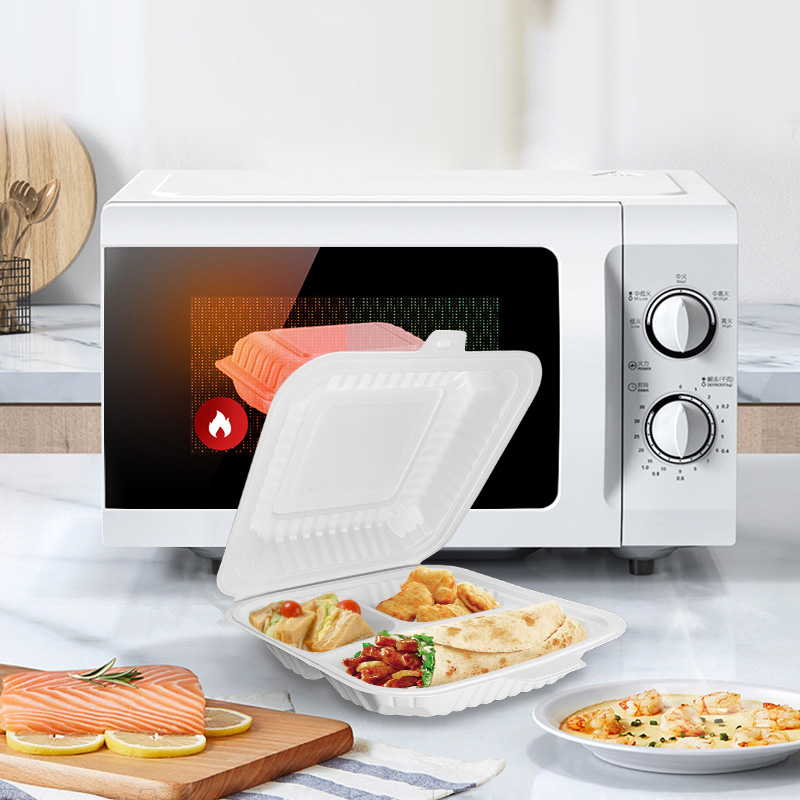
Consumers increasingly expect packaging to support convenient reheating. PP performs well in microwave applications, making it a common choice for ready meals.
Prepared Foods
Meal-prep programs, convenience-store meals, and refrigerated prepared foods often rely on PP containers because of their durability and functionality.
Catering Applications
Airline meals, institutional catering, and large-scale foodservice programs frequently use PP-based packaging due to its consistency and scalability.
Beverage Applications
Reusable and disposable PP cups continue to serve a wide variety of beverage markets, including events, stadiums, and entertainment venues.
The ability to serve multiple industries helps PP remain relevant even as individual market segments evolve.
Recycling Infrastructure Matters More Than Trends
Packaging discussions often focus on materials themselves, but infrastructure is equally important.
A packaging material can only achieve widespread adoption if collection, sorting, recycling, and manufacturing systems support it.
Over time, recycling systems in many regions have become increasingly capable of handling polypropylene products.
As recycling technology advances, PP continues to benefit from:
- Established manufacturing networks
- Global supply chains
- Existing processing infrastructure
- Growing recycling capabilities
This infrastructure advantage helps explain why some trend-driven materials struggle to replace PP on a large scale.
Businesses often prioritize solutions that fit existing operational systems rather than requiring entirely new supply chains.
PP Continues to Evolve Rather Than Standing Still
One common misconception is that traditional materials remain relevant simply because they have existed for a long time.
In reality, PP has continued to evolve.
Manufacturers have invested heavily in:
Lightweighting
Modern PP packaging often uses less material while maintaining performance.
Improved Design Engineering
Container designs have become stronger, more stackable, and more transportation-efficient.
Reusable Applications
Many markets increasingly utilize durable PP products in reusable systems.
Recycled Content Development
The use of recycled PP is expanding as sustainability goals become more important throughout the packaging industry.
Rather than remaining static, PP has adapted alongside changing market expectations.
Why Procurement Teams Continue to Choose PP
For packaging buyers, decisions are rarely based solely on trends.
Procurement teams typically evaluate factors such as:
- Supply stability
- Product consistency
- Manufacturing capacity
- Cost predictability
- Operational performance
PP performs well across all of these areas.
Predictable Performance
Buyers understand how PP behaves across different applications and environmental conditions.
Global Availability
PP is manufactured and supplied worldwide, reducing sourcing challenges.
Scalable Production
Large-volume production supports food manufacturers ranging from local businesses to multinational brands.
Reduced Operational Risk
Reliable packaging helps minimize disruptions, product failures, and supply chain complications.
For many organizations, this practical reliability is more valuable than adopting the latest packaging trend.
How DASHAN Supports Long-Term PP Packaging Programs
As packaging markets continue to evolve, many food businesses are seeking suppliers that can provide both product consistency and manufacturing flexibility.
DASHAN supports a wide range of PP food packaging solutions designed for modern foodservice and retail applications.
These include:
- PP clamshell box
- PP cups
- PP tray
- PP plate
- PP compartments food container
- PP takeaway food container
- PP lids
Because different food categories have different operational requirements, packaging must balance durability, usability, cost efficiency, and consumer expectations.
By focusing on scalable manufacturing and application-specific design, DASHAN helps customers develop packaging programs that remain effective even as market trends change.
The Future of PP May Look Different, but It Is Unlikely to Disappear
The packaging industry will continue to evolve.
Regulations will change.
Consumer expectations will shift.
New materials will enter the market.
Some will achieve long-term success, while others will remain niche solutions.
However, the fundamental functions of food packaging are unlikely to change significantly.
Food will still require:
- Protection
- Transportation
- Containment
- Convenience
- Operational efficiency
Materials that consistently address these requirements tend to remain relevant over time.
PP has demonstrated this resilience for decades.
Its future may involve lighter designs, greater recyclability, and improved sustainability performance, but its core value proposition remains strong.
FAQ
1. Why has PP packaging remained popular for so many years?
PP packaging continues to be widely used because it offers a strong balance of performance and affordability. It provides heat resistance, durability, lightweight construction, food safety compliance, and compatibility with a wide range of food applications, making it a practical choice for manufacturers and foodservice operators.
2. Is PP packaging suitable for hot foods?
Yes. One of PP’s biggest advantages is its ability to withstand high temperatures. This makes it suitable for hot meals, takeaway foods, microwaveable dishes, soups, rice meals, and other prepared food applications where heat resistance is essential.
3. How has the growth of food delivery affected demand for PP packaging?
The expansion of food delivery services has increased demand for packaging that can maintain food quality during transportation. PP containers offer structural strength, leak resistance, secure lid compatibility, and microwaveability, making them a preferred option for delivery-oriented food packaging.
4. Can PP packaging be recycled?
Yes. PP is classified as recyclable plastic (#5). Many countries and regions have developed collection and recycling systems capable of processing PP products. The availability of recycling infrastructure often contributes to PP’s continued relevance in the packaging industry.
Conclusion
Many packaging materials experience periods of popularity driven by changing consumer preferences, technological innovation, or regulatory developments. However, materials that solve practical operational challenges tend to endure.
PP packaging has remained a cornerstone of the food packaging industry because it offers a rare combination of affordability, durability, heat resistance, versatility, and manufacturing scalability. It adapts well to changing consumption patterns while continuing to meet the fundamental requirements of foodservice, retail, delivery, and catering operations.
Rather than becoming obsolete, PP continues to evolve alongside the industry it serves. For food manufacturers, retailers, and packaging buyers, that adaptability is precisely why polypropylene remains one of the most trusted materials in modern food packaging.
References
Food Packaging Materials & Food Contact Safety
- U.S. Food and Drug Administration (FDA) – Food Ingredients & Packaging
- European Food Safety Authority (EFSA) – Food Contact Materials
Plastics & Polypropylene Industry Information
Packaging Industry Research
Recycling & Circular Economy
Copyright Statement
© 2026 Dashan Packing. All rights reserved.
This article is an original publication by the Dashan Packing team based on industry research, market analysis, and packaging expertise. Unauthorized reproduction, distribution, or copying of this content is prohibited without prior written permission.
Dashan Packing is committed to delivering reliable, original, and professional information for the global food packaging industry.