

Quick Summary
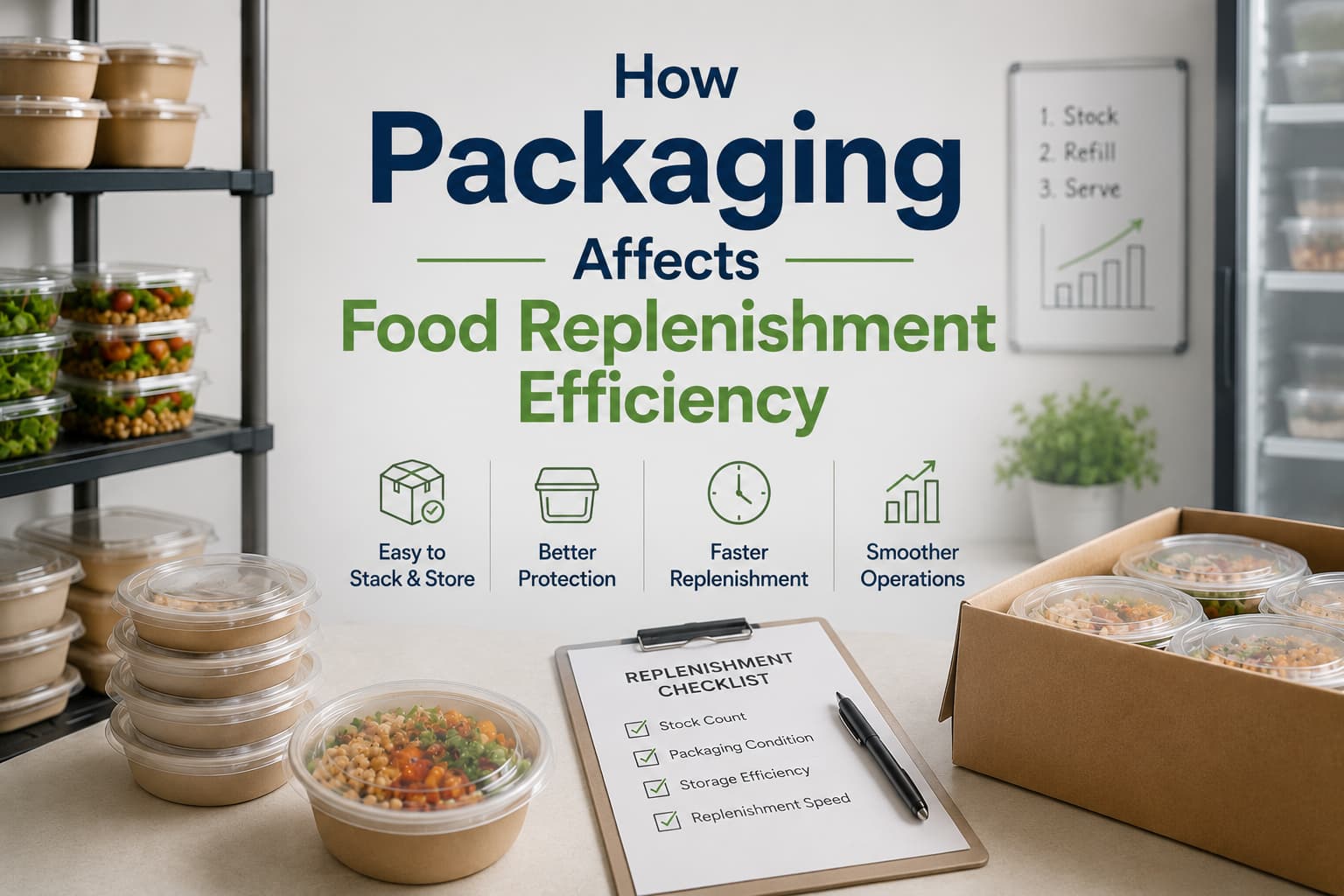
Food replenishment efficiency is influenced by more than inventory systems and logistics planning. Packaging plays a critical role in how quickly products move through warehouses, distribution centers, store backrooms, and retail shelves. Features such as stackability, product visibility, structural durability, standardized dimensions, and shelf-ready design can reduce handling time, improve inventory accuracy, and support faster restocking. As fresh foods and grab-and-go programs continue to grow, packaging is becoming an important operational tool for improving supply chain efficiency and maintaining product availability.
Introduction
In modern food retail and foodservice operations, product availability is one of the most important drivers of sales and customer satisfaction. Consumers expect fresh salads, ready meals, fruit cups, sandwiches, and grab-and-go products to be consistently available throughout the day. When shelves are empty, sales opportunities are lost immediately, and customers may switch to competing products or stores.
As a result, retailers, convenience stores, supermarkets, and foodservice operators invest heavily in inventory management, forecasting, and supply chain optimization. However, one factor that is often overlooked is packaging.
Packaging is typically viewed as a tool for protecting food and supporting transportation. In reality, packaging also influences how efficiently products move through warehouses, distribution centers, backrooms, and retail shelves. A well-designed package can reduce handling time, improve storage utilization, accelerate restocking, and help employees replenish products more efficiently.
As labor costs continue to rise and fresh food programs become increasingly important, packaging is becoming an operational asset rather than simply a container.
Why Replenishment Efficiency Matters More Than Ever
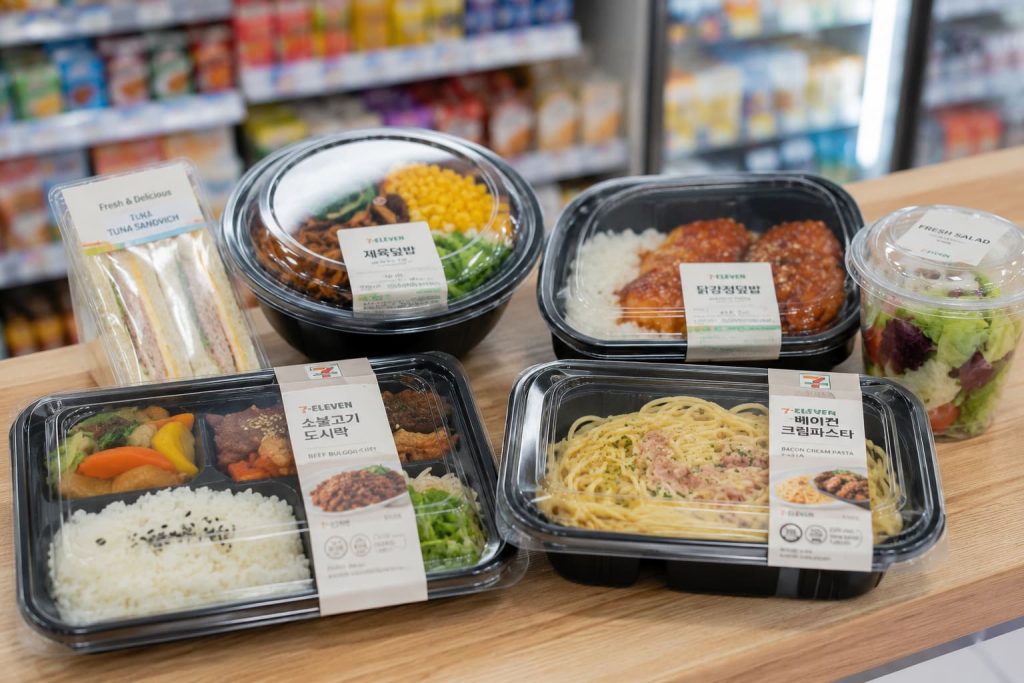
Food retail has changed significantly in recent years.
Consumers increasingly purchase:
- Fresh salads
- Fruit cups
- Ready-to-eat meals
- Meal-prep products
- Fresh bakery items
- Grab-and-go snacks
Unlike shelf-stable products, these categories often require multiple replenishment cycles throughout the day.
A convenience store may restock fresh foods several times during peak hours, while supermarkets may replenish prepared meals continuously to maintain product availability.
The Cost of Inefficient Replenishment
Poor replenishment efficiency can create several operational challenges.
| Problem | Business Impact |
|---|---|
| Empty shelves | Lost sales opportunities |
| Slow restocking | Higher labor costs |
| Excessive handling | Reduced productivity |
| Product damage | Increased waste |
| Shelf disorganization | Poor customer experience |
For retailers operating hundreds of stores, even small improvements in replenishment efficiency can generate significant savings across the supply chain.
Packaging Influences Every Stage of the Replenishment Process
Many people assume replenishment begins when products arrive at the store.
In reality, replenishment efficiency is influenced much earlier.
The process typically includes:
- Manufacturing
- Packing
- Warehousing
- Transportation
- Distribution centers
- Store backrooms
- Shelf placement
Packaging affects each stage of this journey.
Poor packaging design can create bottlenecks that increase labor requirements and slow product movement.
Well-designed packaging, by contrast, supports smooth handling and efficient inventory flow.
For this reason, many large retailers now evaluate packaging performance not only from a consumer perspective but also from an operational perspective.
Stackable Packaging Improves Replenishment Speed

One of the most important packaging characteristics affecting replenishment efficiency is stackability.
Products that stack securely are easier to:
- Transport
- Store
- Organize
- Replenish
When packaging dimensions are optimized for stacking, employees can move more products at once and spend less time arranging inventory.
Operational Benefits of Stackable Packaging
| Packaging Feature | Operational Benefit |
|---|---|
| Stable stacking | Faster handling |
| Uniform dimensions | Easier shelf placement |
| Consistent footprints | Better pallet utilization |
| Structural rigidity | Reduced collapse risk |
For fresh produce and ready-to-eat foods, stackability is particularly important because these products often move quickly through the supply chain.
PET fruit containers, salad bowls, and prepared meal containers with stable stacking designs can significantly improve handling efficiency from warehouse to retail shelf.
Product Visibility Reduces Handling Time
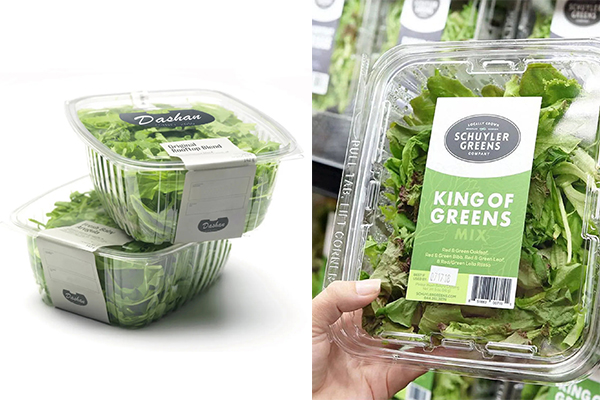
Another often-overlooked advantage of packaging is visibility.
Store employees frequently need to identify products quickly during replenishment.
If products are difficult to recognize, employees may spend additional time:
- Opening cartons
- Reading labels
- Inspecting products
- Verifying inventory
Clear packaging helps eliminate many of these steps.
Why Visibility Matters
Transparent packaging allows employees to immediately identify:
- Product type
- Product condition
- Remaining inventory
- Shelf readiness
For fresh food categories, this advantage becomes particularly valuable.
PET salad containers, fruit cups, and ready-meal packaging allow both employees and consumers to see the contents without opening the package.
This visibility can reduce replenishment time while improving merchandising efficiency.
Durable Packaging Prevents Operational Disruptions
Food replenishment systems depend on packaging arriving at retail locations in good condition.
Damaged packaging creates additional work for employees and may result in product losses.
Common issues include:
- Cracked containers
- Broken lids
- Deformed packaging
- Leaking products
- Collapsed stacks
Each issue increases handling time and reduces replenishment efficiency.
Structural Performance Matters
Retailers increasingly evaluate packaging based on how well it performs during:
- Transportation
- Warehouse handling
- Shelf stocking
- Consumer interaction
Containers that maintain their shape throughout the supply chain help reduce waste and minimize replenishment disruptions.
For fresh food programs, durable packaging contributes directly to operational consistency.
Standardized Packaging Simplifies Operations
Standardization is another important factor affecting replenishment efficiency.
When packaging dimensions vary significantly across product lines, inventory management becomes more complex.
Standardized packaging can improve:
- Pallet loading
- Warehouse organization
- Shelf planning
- Inventory rotation
- Employee training
Benefits of Consistent Packaging Dimensions
| Operational Area | Benefit |
|---|---|
| Warehousing | Improved space utilization |
| Transportation | Better load efficiency |
| Distribution | Simplified handling |
| Retail shelves | Faster replenishment |
| Store operations | Reduced complexity |
This is one reason why many large retail chains prefer packaging programs that maintain dimensional consistency across multiple product categories.
Grab-and-Go Foods Require Packaging Designed for Fast Turnover
Grab-and-go foods represent one of the fastest-growing segments in food retail.
Products such as:
- Fresh salads
- Fruit bowls
- Sandwiches
- Ready meals
- Snack packs
typically have shorter shelf lives and higher replenishment frequency than traditional packaged foods.
This means packaging must support rapid inventory turnover.
Shelf-Ready Packaging Improves Efficiency
Shelf-ready packaging helps employees move products from storage to display with minimal handling.
Key characteristics include:
- Easy identification
- Stable stacking
- Uniform dimensions
- Strong structural integrity
- Attractive presentation
The faster products can move from delivery to display, the more efficiently retailers can maintain product availability.
Packaging Also Influences Inventory Accuracy
Inventory accuracy is critical for fresh food operations.
Products that are easy to identify and count can improve stock management and reduce replenishment errors.
Transparent packaging provides several advantages:
- Faster visual inventory checks
- Easier stock rotation
- Improved freshness monitoring
- Reduced handling requirements
This becomes particularly important for perishable products with limited shelf life.
Employees can quickly assess inventory levels without opening packages or disturbing displays.
How DASHAN Supports Efficient Food Replenishment
As fresh food retail continues to expand, packaging must support both consumer expectations and operational efficiency.
DASHAN develops food packaging solutions that help businesses improve replenishment performance throughout the supply chain.
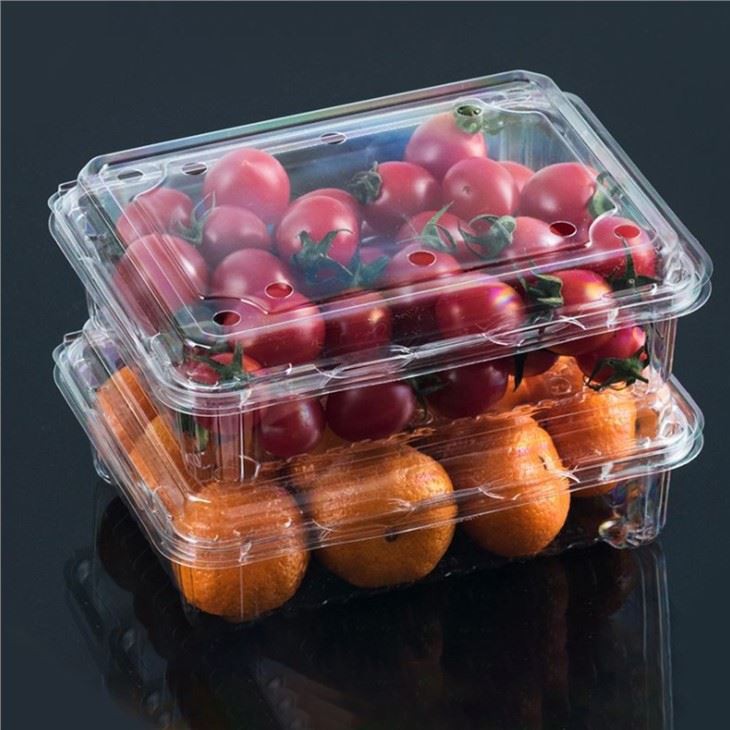
PET Fruit Containers
PET fruit containers offer:
- High visibility
- Lightweight construction
- Strong shelf presentation
- Efficient stacking performance
These characteristics help support rapid shelf replenishment while showcasing product freshness.
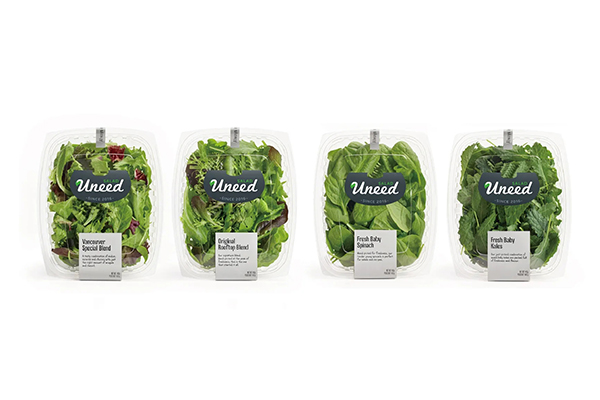
PET Salad Containers
For grab-and-go programs, PET salad containers provide:
- Easy product identification
- Excellent ingredient visibility
- Secure closure systems
- Retail-ready presentation
Employees can quickly replenish displays without extensive product handling.
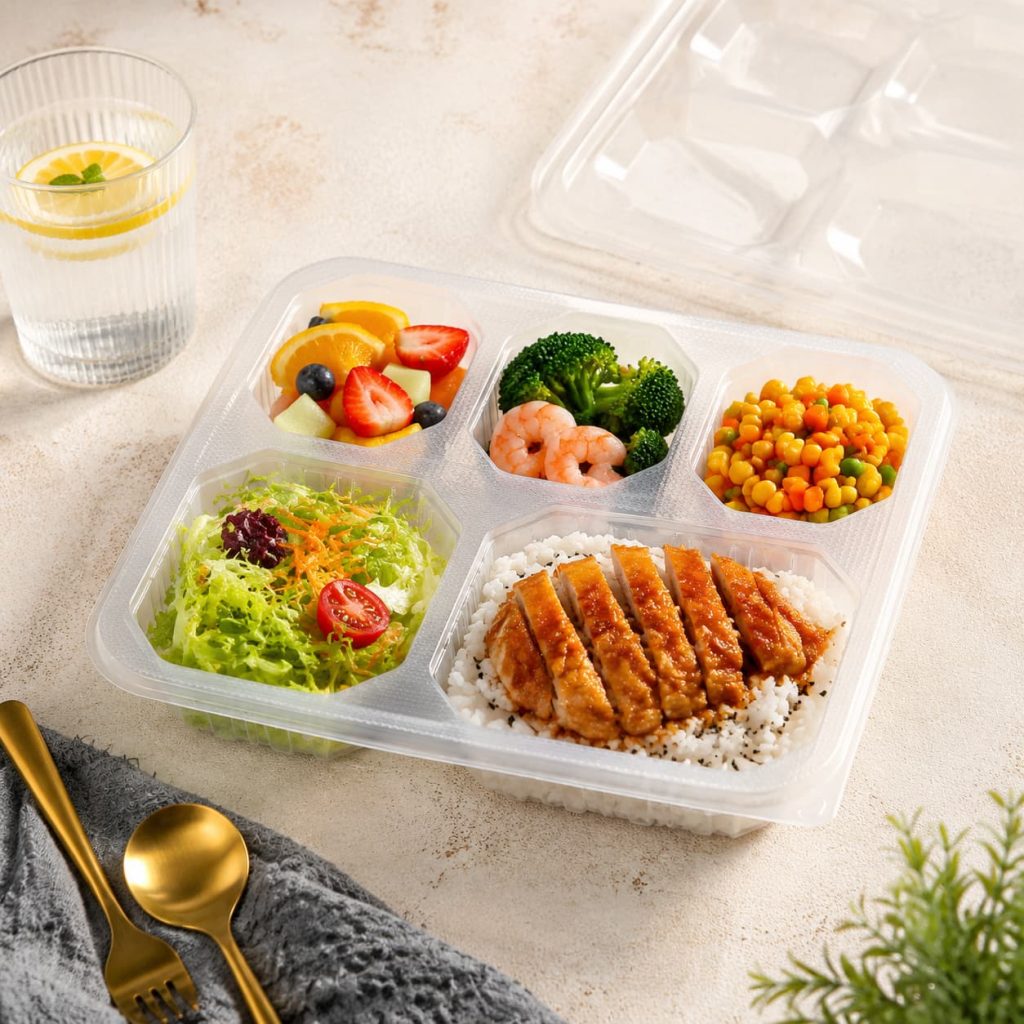
PP Meal Containers
PP containers are widely used for:
- Ready meals
- Rice dishes
- Meal-prep programs
Their durability and dimensional consistency help support transportation, storage, and replenishment efficiency.
Custom Packaging Solutions
Different food categories have different operational requirements.
DASHAN works with customers to develop packaging solutions that balance:
- Product protection
- Shelf presentation
- Transportation performance
- Storage efficiency
- Replenishment speed
By considering the entire supply chain rather than only the point of sale, businesses can achieve better long-term operational performance.
The Future of Food Packaging Will Focus on Operational Efficiency
Historically, food packaging decisions focused primarily on:
- Cost
- Appearance
- Material selection
While these factors remain important, retailers are increasingly evaluating packaging through an operational lens.
Future packaging innovations are likely to prioritize:
- Labor efficiency
- Shelf replenishment speed
- Inventory visibility
- Transportation optimization
- Waste reduction
As fresh food programs continue to expand globally, packaging will play a larger role in helping retailers manage increasingly complex replenishment systems.
FAQ
1. What is food replenishment efficiency?
Food replenishment efficiency refers to how quickly and accurately products can be moved from storage areas to retail shelves or display cases. Efficient replenishment helps maintain product availability, reduce labor costs, and minimize lost sales caused by stockouts.
2. How does packaging affect replenishment speed?
Packaging influences handling, storage, transportation, and shelf stocking. Features such as stackable designs, uniform dimensions, and shelf-ready packaging allow employees to move and replenish products more quickly and efficiently.
3. Why is clear packaging beneficial for retail operations?
Clear packaging allows employees to identify products instantly without opening cartons or inspecting labels. This improves inventory visibility, reduces handling time, and supports faster shelf replenishment for fresh foods and ready-to-eat meals.
4. What packaging features improve replenishment efficiency?
Key features include:
- Stackability
- Structural durability
- Consistent dimensions
- Product visibility
- Shelf-ready presentation
- Secure closures
- Efficient palletization
These characteristics help optimize product flow throughout the supply chain.
5. Which food categories benefit most from replenishment-friendly packaging?
High-turnover food categories benefit the most, including:
- Fresh salads
- Fruit cups
- Ready meals
- Sandwiches
- Meal-prep products
- Convenience store foods
- Grab-and-go snacks
These products often require frequent restocking and efficient handling.
Conclusion
Packaging affects far more than product protection and consumer presentation. It directly influences how efficiently food products move through warehouses, distribution centers, store backrooms, and retail shelves.
Features such as stackability, visibility, durability, standardization, and shelf-ready design can significantly improve replenishment efficiency while reducing labor costs and operational complexity.
For retailers, foodservice operators, and food manufacturers, selecting the right packaging is not only a product decision but also an operational strategy. As the demand for fresh and ready-to-eat foods continues to grow, packaging that supports efficient replenishment will become an increasingly important competitive advantage.
References
Supply Chain & Retail Operations
- National Retail Federation (NRF) – Retail Operations and Supply Chain Resources
- Council of Supply Chain Management Professionals (CSCMP)
Packaging Logistics & Distribution
- World Packaging Organisation (WPO)
- International Safe Transit Association (ISTA)
Food Retail & Packaging Performance
- PMMI – Packaging Industry Research and Business Intelligence
- Institute of Food Technologists (IFT) – Food Packaging Resources
Food Safety & Packaging Compliance
- U.S. Food and Drug Administration (FDA) – Food Packaging and Food Contact Materials
- European Food Safety Authority (EFSA) – Food Contact Materials
Copyright Statement
© 2026 Dashan Packing. All rights reserved.
This article is an original publication by the Dashan Packing team based on industry research, market analysis, and packaging expertise. Unauthorized reproduction, distribution, or copying of this content is prohibited without prior written permission.
Dashan Packing is committed to delivering reliable, original, and professional information for the global food packaging industry.