

Introduction
Food packaging has traditionally been evaluated based on practical functions such as protection, transportation, storage, and food safety. While these functions remain essential, the role of packaging has expanded significantly in recent years.
The rapid growth of food delivery, grab-and-go retail, meal-prep services, and convenience foods has changed how consumers interact with packaged meals. In many cases, the packaging is now the first thing consumers see before they experience the food itself.
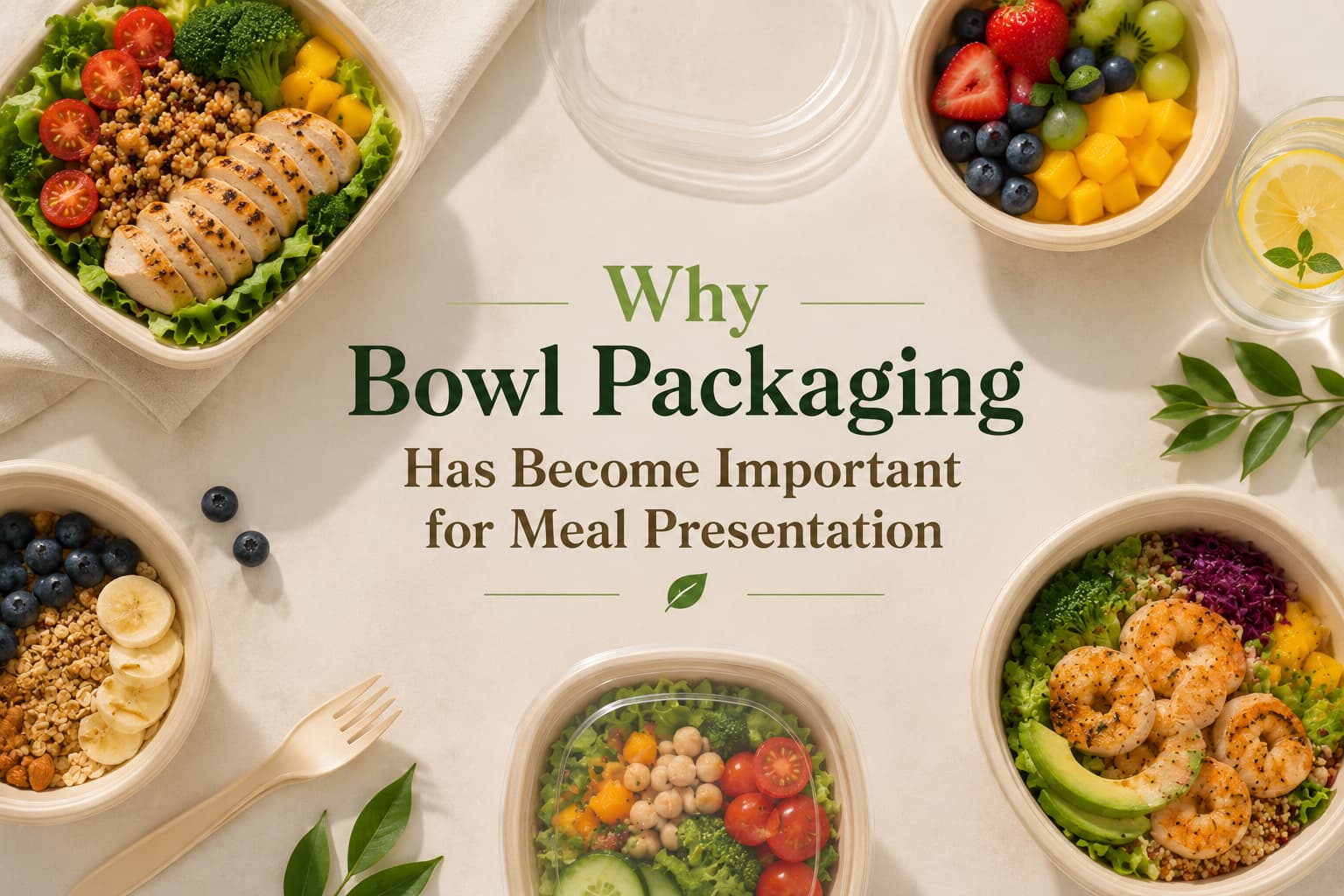
As a result, meal presentation has become an increasingly important factor in purchasing decisions, customer satisfaction, and brand perception. Among the various packaging formats available today, bowl packaging has emerged as one of the most effective solutions for presenting modern meals.
From salads and poke bowls to rice dishes and soups, bowl-shaped packaging is helping food businesses enhance visual appeal, improve convenience, and create a more premium dining experience.
Consumers Now Eat with Their Eyes First
The importance of visual presentation in food is not a new concept. However, digital ordering platforms and social media have amplified its impact.
Consumers frequently encounter food through:
- Delivery applications
- Convenience store displays
- Supermarket prepared-food sections
- Online food photography
- Social media content
Before tasting a meal, consumers often make judgments based on appearance.
Research in food marketing and consumer behavior has consistently shown that visual presentation influences perceptions of:
- Freshness
- Quality
- Portion value
- Taste expectations
- Brand credibility
For packaged meals, the container itself becomes part of that presentation.
A well-designed package can make food appear fresher, more organized, and more appealing. Conversely, poor presentation may reduce perceived value even when the food quality remains unchanged.
Why Bowls Are Replacing Traditional Flat Containers
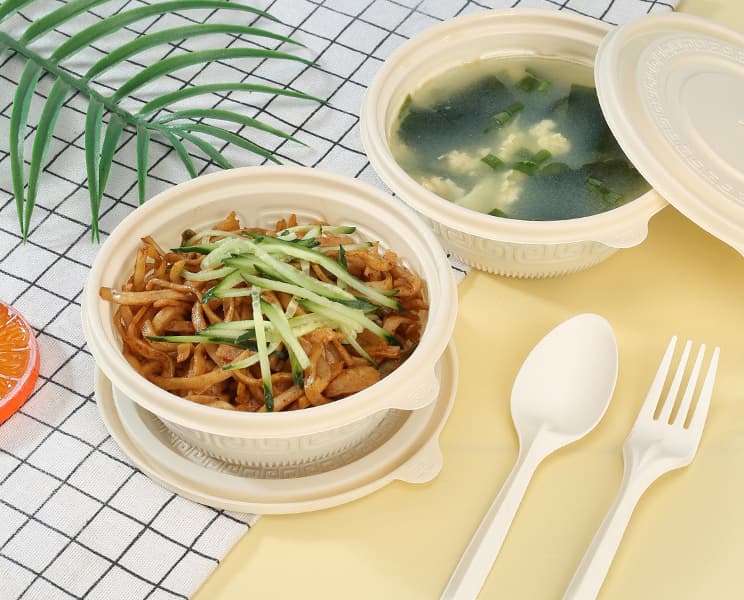
Many prepared meals were historically packaged in shallow trays or rectangular containers. While these formats remain useful for certain applications, changing food trends have increased demand for bowl packaging.
Modern meals often feature multiple ingredients layered together to create visual contrast and texture.
Examples include:
- Salad bowls
- Poke bowls
- Grain bowls
- Rice bowls
- Noodle bowls
- Fruit bowls
These products benefit from packaging that highlights ingredient variety rather than compressing everything into a flat presentation.
Better Ingredient Visibility
Bowl packaging allows ingredients to remain visible from multiple angles.
Consumers can easily see:
- Fresh vegetables
- Colorful fruits
- Protein portions
- Grain components
- Garnishes and toppings
This visibility supports purchasing decisions and helps communicate product quality.
Enhanced Perception of Freshness
The vertical structure of bowl packaging creates a fuller, more abundant appearance.
Meals often look fresher and more carefully prepared when ingredients are arranged within a bowl rather than compressed inside a shallow container.
The Growth of Ready-to-Eat and Grab-and-Go Meals
The expansion of ready-to-eat food categories has further accelerated the adoption of bowl packaging.
Urban consumers increasingly seek meals that offer:
- Convenience
- Portability
- Balanced nutrition
- Minimal preparation
As a result, retailers and foodservice operators have expanded offerings such as:
| Meal Category | Typical Bowl Application |
|---|---|
| Fresh salads | Salad bowls |
| Poke meals | Poke bowls |
| Rice dishes | Rice bowls |
| Noodle meals | Noodle bowls |
| Fruit snacks | Fruit bowls |
| Meal-prep programs | Portion-controlled bowls |
These products are often consumed in offices, schools, public spaces, or during travel. Bowl packaging provides a practical format that supports both transportation and consumption.
Unlike flat trays, bowls help contain ingredients more effectively while offering a comfortable eating experience.
Different Bowl Materials Create Different Consumer Impressions
Material selection affects more than packaging performance. It also influences how consumers perceive the product and brand.
Different materials communicate different messages.
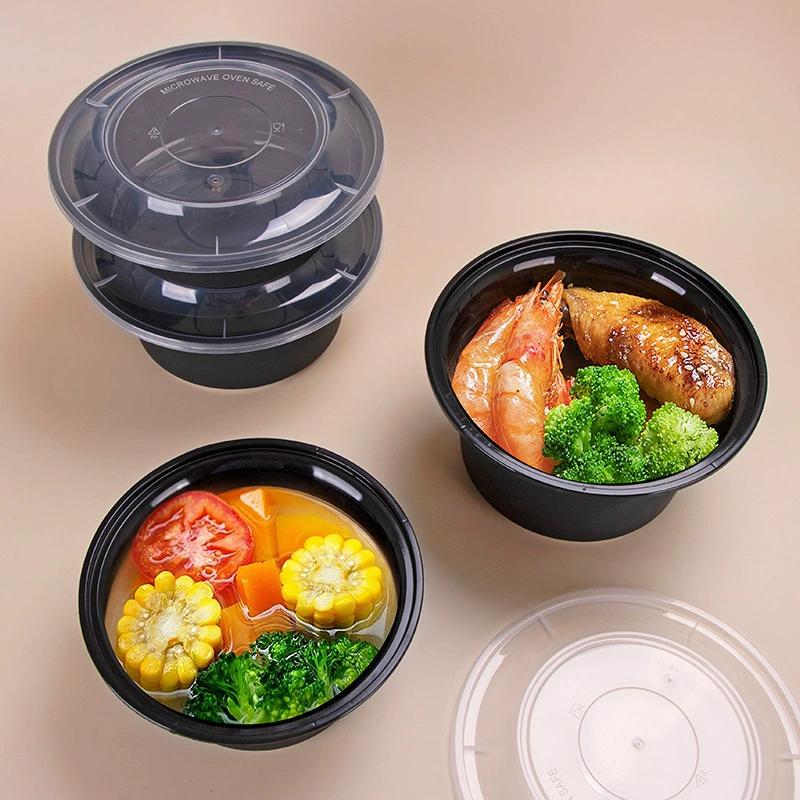
For example, a fresh salad packaged in a clear PET bowl allows consumers to inspect ingredient quality before purchase.
A hot rice meal packaged in a PP bowl communicates convenience and reheating capability.
A bagasse bowl may reinforce a restaurant’s sustainability positioning and commitment to renewable materials.
As consumer expectations evolve, packaging materials increasingly contribute to brand storytelling and product differentiation.
Bowl Design Directly Influences Meal Presentation
Beyond material selection, structural design plays a major role in how food is presented.
Depth and Shape
The depth of a bowl affects ingredient arrangement and visual impact.
A deeper bowl allows food to be layered naturally, creating a more attractive presentation while reducing ingredient compression.
Rim Design
A wider rim can create a cleaner presentation and improve handling.
For retailers, consistent rim design also supports lid compatibility and stackability.
Transparency and Visibility
For cold-food applications, transparent bowls and lids allow consumers to evaluate freshness and quality immediately.
This is particularly important for:
- Salads
- Fruit cups
- Poke bowls
- Prepared vegetables
Portion Presentation
Bowl packaging often makes meals appear more substantial than equivalent portions in flatter containers.
This can improve value perception and support premium product positioning.
Why Bowl Packaging Matters for Food Delivery
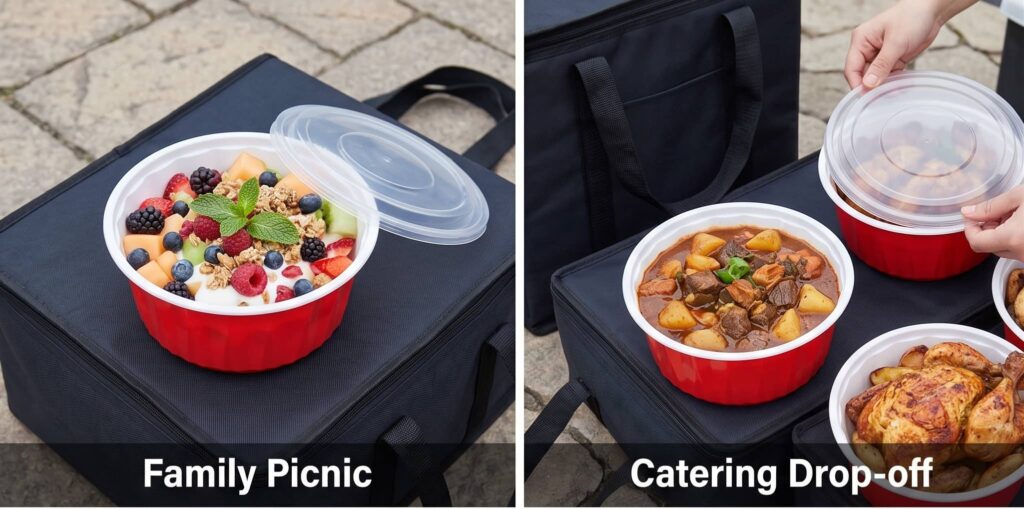
Food delivery has introduced new challenges for meal presentation.
A meal that looks attractive in a kitchen must maintain its appearance throughout transportation and handling.
Packaging therefore plays a critical role in preserving food presentation.
Maintaining Food Structure
Bowls help contain ingredients during movement and reduce excessive shifting inside the package.
Reducing Ingredient Mixing
For meals containing multiple components, proper bowl design helps maintain separation and preserve intended textures.
Supporting Customer Satisfaction
Consumers often evaluate delivery meals based on appearance immediately after opening the package.
If ingredients arrive mixed together or presentation is compromised, perceived quality may decline regardless of actual taste.
Well-designed bowl packaging helps bridge the gap between food preparation and food consumption.
How DASHAN Supports Modern Bowl Packaging Programs
As food businesses increasingly focus on presentation and convenience, packaging solutions must support both operational requirements and consumer expectations.
DASHAN provides a range of bowl packaging solutions designed for various foodservice and retail applications.
PP Bowls for Hot Meals
PP bowls are widely used for:
- Rice bowls
- Noodle dishes
- Soup applications
- Meal-prep programs
Their heat resistance and microwave compatibility make them suitable for prepared foods that require reheating.
PET Bowls for Fresh Foods
PET bowls are commonly selected for:
- Salads
- Fruit bowls
- Poke bowls
- Cold prepared foods
Their high clarity helps maximize product visibility and shelf appeal.
Bagasse Bowls for Sustainable Foodservice
For businesses seeking renewable packaging alternatives, bagasse bowls provide a natural appearance while supporting sustainability objectives.
They are suitable for:
- Takeaway meals
- Fresh food programs
- Cafeterias
- Eco-focused food brands
Custom Packaging Solutions
Different food categories often require specific bowl dimensions, lid systems, and presentation characteristics.
DASHAN supports customization options including:
- Various capacities
- Lid compatibility
- Custom branding
- OEM manufacturing
- Bulk supply programs
This flexibility helps food businesses align packaging with both product requirements and brand identity.
The Future of Bowl Packaging Is About Consumer Experience
The food industry is increasingly moving beyond basic functionality.
Consumers now evaluate packaged meals based on a combination of factors:
- Visual appeal
- Convenience
- Food quality
- Sustainability
- Brand experience
Bowl packaging sits at the intersection of all these considerations.
Future developments are likely to focus on:
- Improved presentation features
- Enhanced delivery performance
- Greater material sustainability
- Better consumer convenience
- Stronger retail visibility
As competition grows within prepared-food categories, packaging will continue to play a larger role in influencing purchasing decisions.
FAQ
1. Why is bowl packaging becoming more popular in the food industry?
Bowl packaging aligns with modern food trends such as salads, poke bowls, rice bowls, meal-prep programs, and grab-and-go meals. It improves food presentation, enhances convenience, and helps showcase ingredients more effectively than many traditional flat containers.
2. How does bowl packaging improve meal presentation?
The deeper structure of bowls allows ingredients to be layered and displayed more naturally. This creates a fuller appearance, highlights color contrast between ingredients, and helps consumers perceive meals as fresher and higher quality.
3. Which foods are best suited for bowl packaging?
Bowl packaging is commonly used for:
- Salads
- Poke bowls
- Rice bowls
- Noodle dishes
- Fruit bowls
- Grain bowls
- Ready-to-eat meals
- Meal-prep products
These foods benefit from improved presentation and easier consumption.
4. What is the difference between PET, PP, and bagasse bowls?
| Material | Typical Use |
|---|---|
| PET | Salads, fruits, cold foods requiring visibility |
| PP | Hot meals, microwaveable foods, soups |
| Bagasse | Sustainable takeaway meals and eco-conscious foodservice |
Each material offers different advantages depending on food type and packaging goals.
5. Why is bowl packaging important for food delivery?
Food delivery requires packaging that helps maintain food appearance and structure during transportation. Bowl packaging can reduce ingredient shifting, improve presentation upon arrival, and contribute to a better customer experience.
Conclusion
Bowl packaging has evolved from a simple food container into an important component of meal presentation, product differentiation, and consumer experience.
The rise of ready-to-eat meals, food delivery services, and grab-and-go food programs has increased the importance of packaging that can showcase ingredients, maintain food quality, and support convenient consumption.
Whether used for salads, poke bowls, rice meals, fruit products, or takeaway foods, bowl packaging helps food businesses communicate freshness, quality, and value before a consumer takes the first bite.
As modern food retail continues to evolve, bowl packaging will remain a key tool for enhancing both product presentation and overall customer satisfaction.
References
Food Packaging & Consumer Perception
- Institute of Food Technologists (IFT) – Food Packaging Resources
- Food and Agriculture Organization (FAO) – Food Systems and Packaging-Related Resources
Food Contact Materials & Packaging Safety
- U.S. FDA – Food Packaging and Food Contact Substances
- European Food Safety Authority (EFSA) – Food Contact Materials
Sustainable Food Packaging
Foodservice & Packaging Trends
- National Restaurant Association – Industry Research and Consumer Trends
- World Packaging Organisation (WPO)
Copyright Statement
© 2026 Dashan Packing. All rights reserved.
This article is an original publication by the Dashan Packing team based on industry research, market analysis, and packaging expertise. Unauthorized reproduction, distribution, or copying of this content is prohibited without prior written permission.
Dashan Packing is committed to delivering reliable, original, and professional information for the global food packaging industry.