

Introduction
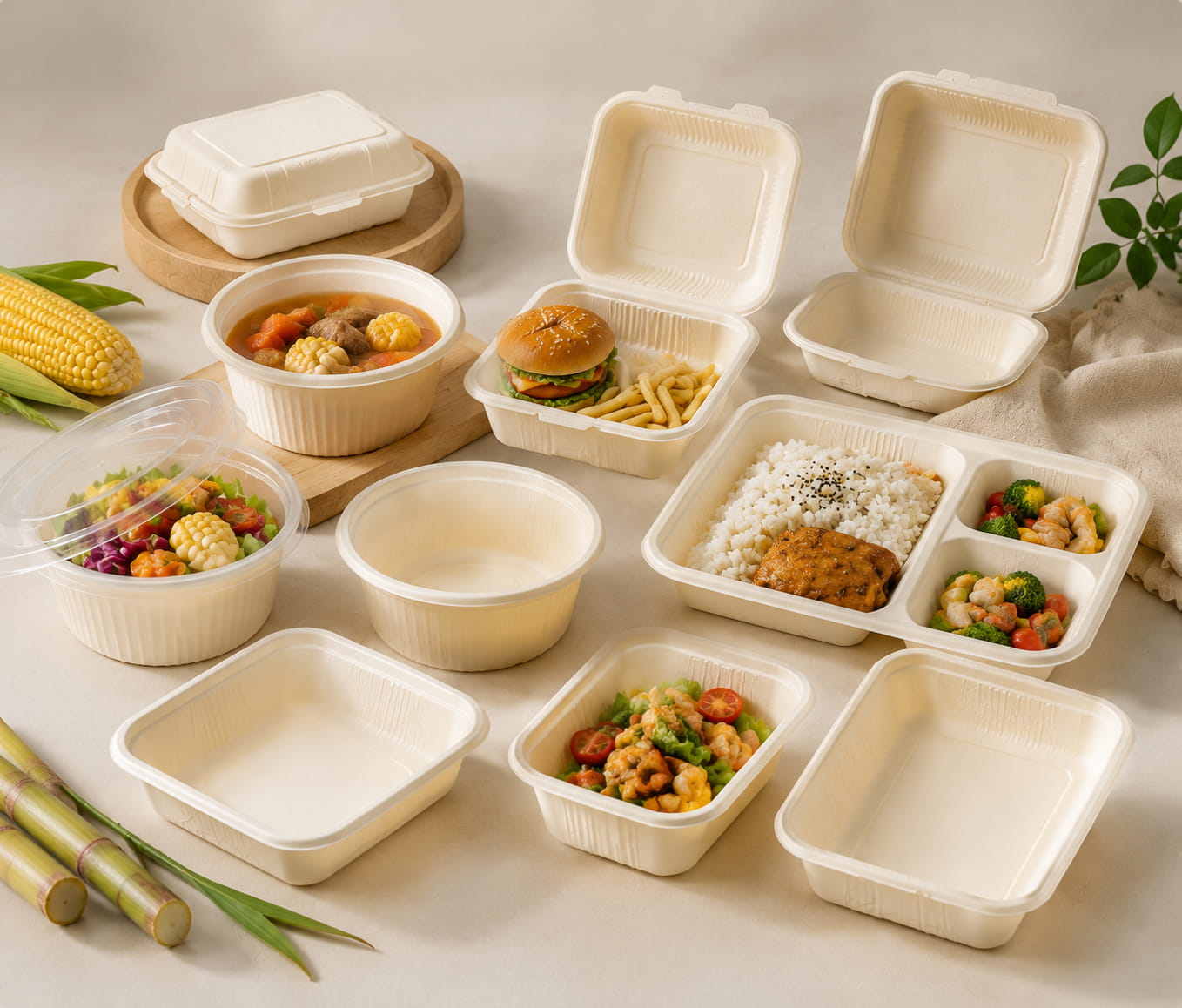
As more restaurants, food delivery companies, supermarkets, and catering businesses look for sustainable alternatives to traditional plastic packaging, cornstarch food containers have become increasingly popular. They are often promoted as eco-friendly, compostable, and suitable for a wide range of food applications.
However, one question continues to come up among packaging buyers:
Are cornstarch food containers actually strong enough for real-world use?
Many businesses worry that environmentally friendly packaging may sacrifice performance. Common concerns include whether cornstarch containers become soft when exposed to hot foods, whether they crack during transportation, and whether they can safely hold soups, sauces, and oily meals without leaking.
These concerns are understandable. Packaging is not just about sustainability—it must also protect food, survive transportation, maintain presentation quality, and provide a positive customer experience.
The good news is that modern cornstarch food containers have improved significantly in recent years. With proper material formulations, advanced manufacturing technologies, and quality control systems, today’s cornstarch packaging can provide impressive strength and reliability for many foodservice applications.
Why Strength Matters in Food Packaging
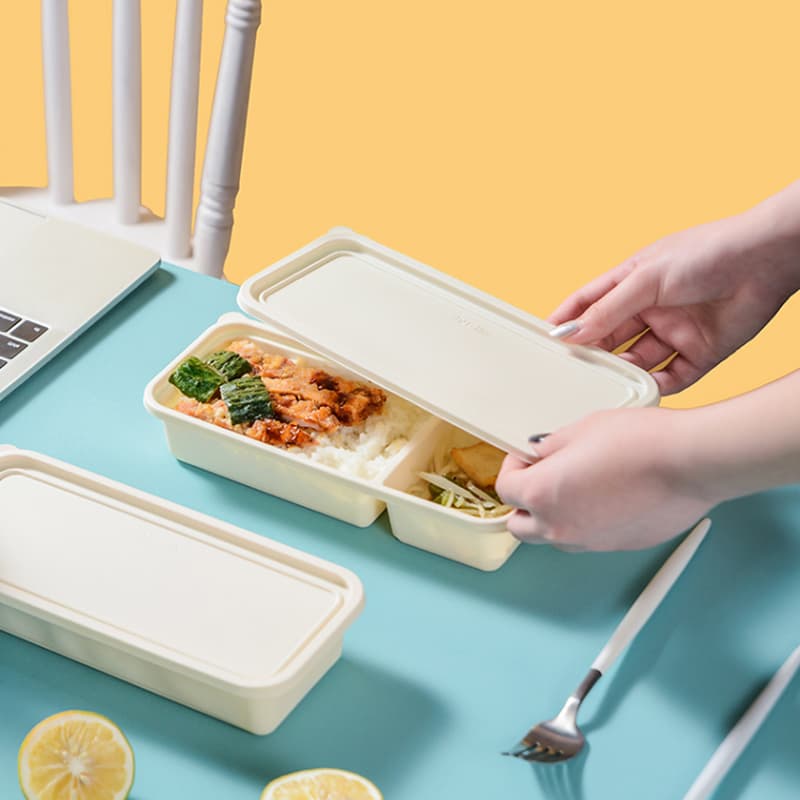
Food packaging faces more stress than many people realize.
A container may experience:
- Hot food filling
- Stacking pressure
- Transportation vibration
- Delivery handling
- Temperature changes
- Customer carrying and storage
If a container lacks sufficient strength, several problems may occur:
- Cracked corners
- Deformed sidewalls
- Lid separation
- Leakage
- Food contamination
- Negative customer reviews
For restaurants and food delivery businesses, packaging failures can quickly become expensive. A single leaking meal can lead to refunds, customer complaints, and damage to brand reputation.
This is why many buyers carefully evaluate products such as [🍱 Cornstarch Lunch Box Series] before making purchasing decisions.
What Are Cornstarch Food Containers Made From?
Despite the name, cornstarch containers are not simply made from raw corn powder.
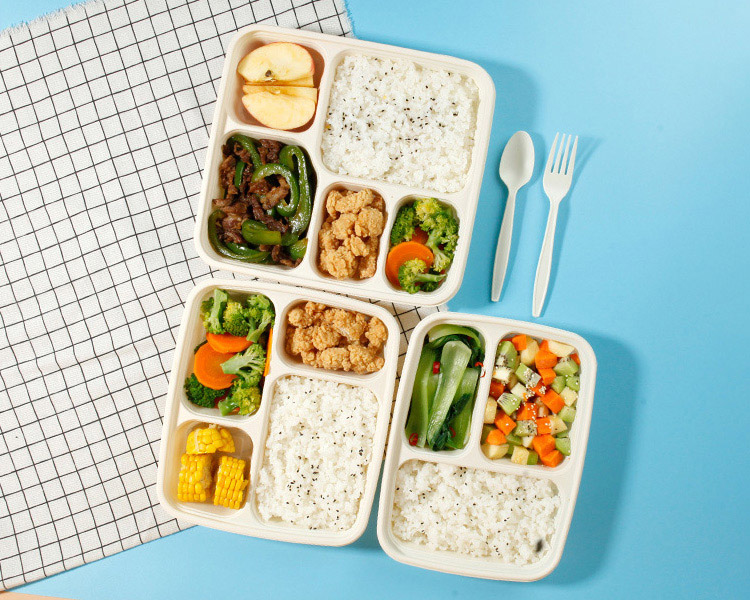
Modern cornstarch food packaging typically combines plant-based starch materials with biodegradable polymers and reinforcing additives that improve performance and durability.
This allows manufacturers to create containers that offer:
- Better rigidity
- Improved heat resistance
- Enhanced structural stability
- Stronger compression resistance
- Better transportation performance
The result is a packaging solution that looks environmentally friendly while still meeting commercial foodservice requirements.
Will Cornstarch Containers Become Soft With Hot Food?
This is one of the most common questions from buyers.
Many people assume that because cornstarch originates from plants, the material will quickly soften when exposed to heat.
In reality, high-quality cornstarch containers are specifically engineered to withstand hot foods.
When manufactured correctly, they can comfortably handle:
- Rice dishes
- Noodles
- Fried foods
- Stir-fried meals
- Hot vegetables
- Fast food items
Products such as [🥢 Cornstarch Takeaway Containers] are frequently used by restaurants serving freshly prepared meals every day.
While performance varies by formulation and product design, quality cornstarch containers are far stronger than many buyers initially expect.
Can Cornstarch Containers Crack During Transportation?
Transportation places significant stress on food packaging.
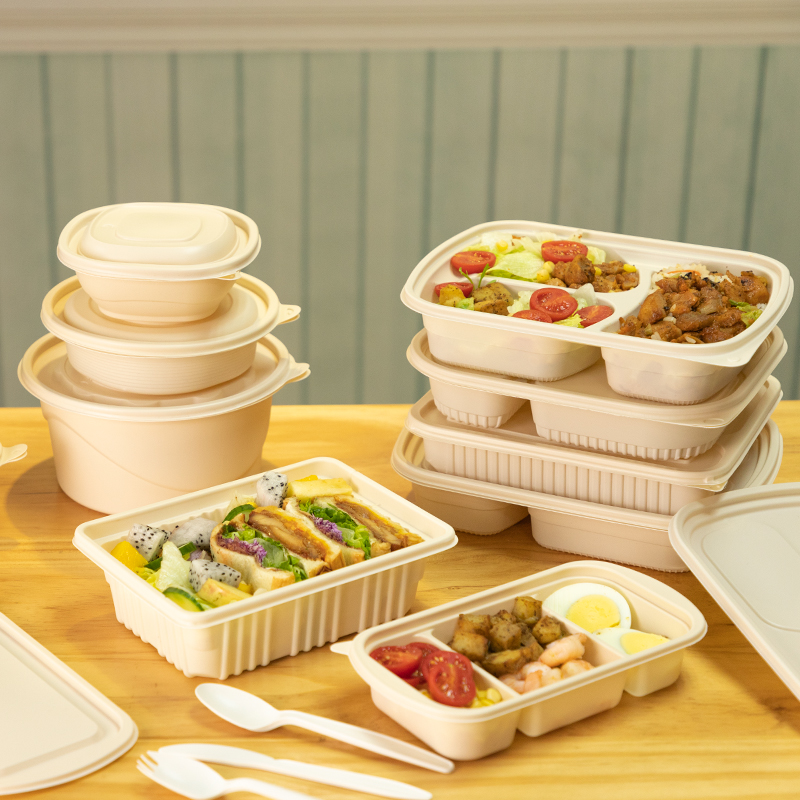
Containers may be stacked inside cartons, loaded onto trucks, moved through distribution centers, and handled repeatedly before reaching consumers.
A poorly manufactured container may crack under these conditions.
However, premium cornstarch packaging is designed with:
- Reinforced corners
- Optimized wall thickness
- Structural ribs
- Improved impact resistance
These design features help containers withstand normal transportation challenges.
This is one reason why many foodservice businesses are transitioning to [🌱 Cornstarch Food Packaging Products] as part of their sustainability initiatives.
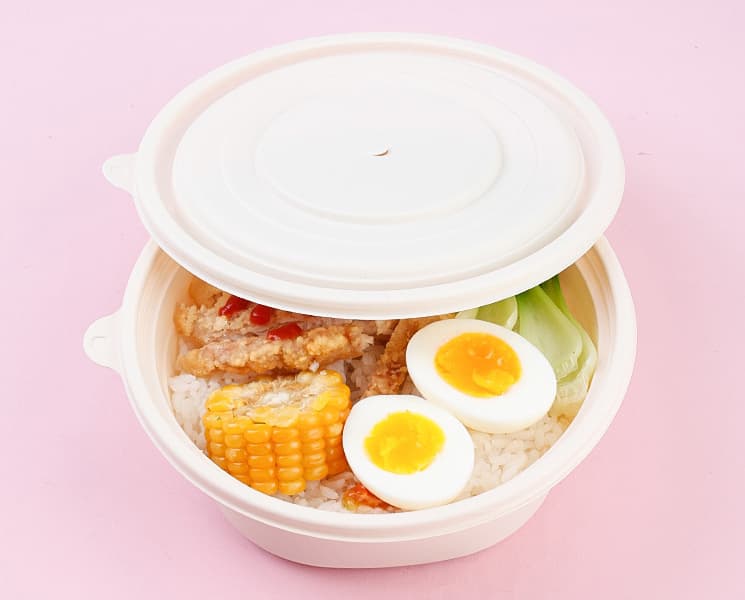
Do Cornstarch Containers Leak?
Leak resistance depends on more than just the container material.
Several factors affect leak performance:
- Lid design
- Container geometry
- Manufacturing precision
- Food type
- Filling temperature
A high-quality cornstarch container with a properly matched lid can effectively hold many common food products.
These include:
- Rice meals
- Pasta dishes
- Salads
- Fried foods
- Sauced meals
For liquid-heavy foods, buyers should always evaluate sealing performance through testing before large-scale adoption.
Compression Strength and Stackability
One important performance indicator is compression strength.
Restaurants, distributors, and supermarkets often stack food containers during:
- Warehousing
- Transportation
- Food preparation
- Retail display
Weak packaging may collapse under stacking pressure.
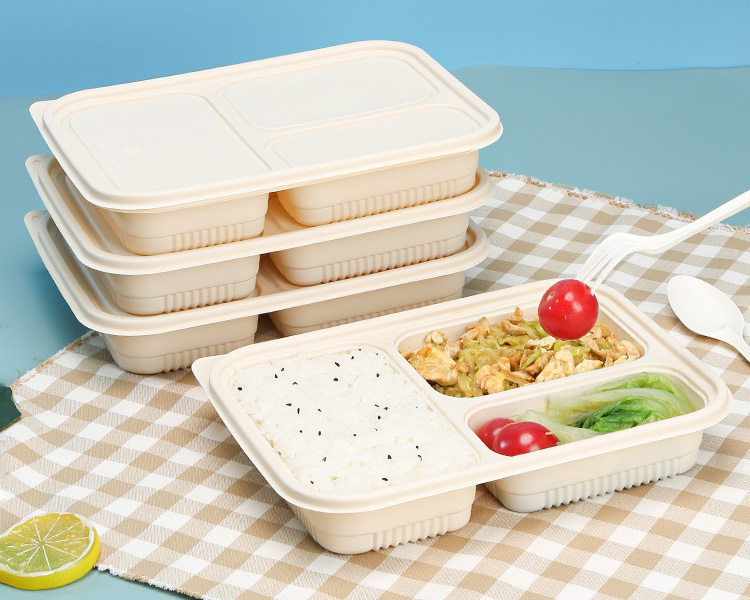
Modern cornstarch containers are designed to distribute weight more evenly, helping reduce deformation during storage and transport.
The best products can maintain their shape even when multiple containers are stacked together.
This makes them suitable for busy foodservice operations where efficiency and presentation both matter.
Performance in Food Delivery Applications
Food delivery continues to grow worldwide.
As delivery distances increase, packaging strength becomes even more important.
A container may spend 20 to 60 minutes inside a delivery bag while experiencing:
- Road vibration
- Tilting
- Compression
- Temperature fluctuations
High-quality cornstarch packaging helps minimize these risks.
Many delivery businesses choose [🚚 Eco-Friendly Takeout Packaging Solutions] because they provide a balance between sustainability and functional performance.
Cornstarch vs Traditional Plastic Containers
Many buyers compare cornstarch packaging directly against plastic alternatives.
Both materials offer advantages.
Plastic containers generally provide:
- Excellent durability
- High moisture resistance
- Long-term stability
Cornstarch containers offer:
- Renewable raw materials
- Reduced dependence on fossil resources
- Compostable potential
- Improved environmental image
The decision often depends on business priorities.
For companies focused on sustainability and environmental branding, cornstarch packaging can provide significant marketing and regulatory advantages.
What Determines the Quality of a Cornstarch Container?
Not all cornstarch containers perform equally.
Several manufacturing factors influence strength:
Material Formulation
The quality of the raw material blend directly affects performance.
Mold Design
Proper mold engineering improves structural integrity.
Wall Thickness
Uniform wall thickness improves durability and reduces weak points.
Production Technology
Advanced production systems improve consistency and quality control.
Quality Inspection
Reliable manufacturers conduct inspections for:
- Strength
- Dimensions
- Heat resistance
- Appearance
- Structural stability
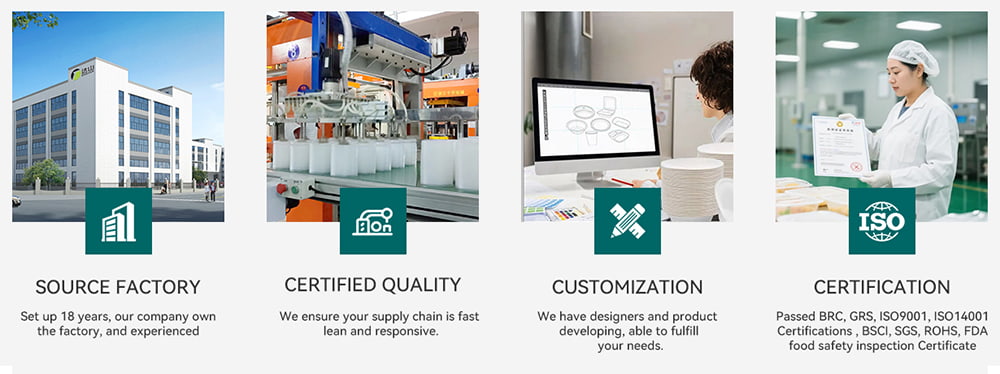
Companies evaluating suppliers should review both product specifications and manufacturing capabilities before purchasing.
For more information about manufacturing standards and production capabilities, buyers can explore [🏭 About DaShan].
Why More Businesses Are Choosing Cornstarch Packaging
The growing popularity of cornstarch containers is driven by multiple factors.
Governments are introducing stricter environmental regulations.
Consumers increasingly prefer sustainable packaging.
Foodservice brands are actively seeking alternatives that reduce environmental impact without compromising functionality.
Modern cornstarch packaging helps businesses address these objectives while maintaining operational performance.
As technology continues to improve, the strength and reliability of cornstarch containers are expected to increase even further.
Choosing the Right Cornstarch Packaging Supplier
Selecting the right supplier is just as important as selecting the right material.
Buyers should evaluate:
- Production capacity
- Product consistency
- Quality certifications
- Export experience
- Customization capabilities
- Quality control procedures
Reliable suppliers can provide samples, technical support, and customized packaging solutions for different food applications.
If you would like assistance selecting the right sustainable food packaging solution for your business, [📩 Contact Us].
FAQ
What foods can cornstarch containers hold?
Cornstarch containers are suitable for rice dishes, noodles, salads, vegetables, fried foods, and many takeaway meals.
Are cornstarch containers strong enough for food delivery?
Yes. High-quality products are designed to withstand transportation, stacking, and normal delivery conditions.
Can cornstarch containers hold hot food?
Yes. Premium cornstarch containers can handle many hot food applications commonly found in restaurants and takeaway businesses.
Do cornstarch containers leak easily?
Leak resistance depends on container design and lid compatibility. Properly designed products offer good performance for many food types.
Are cornstarch containers environmentally friendly?
They are generally considered a more sustainable alternative to conventional petroleum-based plastic packaging.
Are cornstarch containers suitable for restaurants?
Yes. Restaurants, catering companies, food delivery platforms, and foodservice operators widely use cornstarch packaging.
References
- European Bioplastics – https://www.european-bioplastics.org
- Biodegradable Products Institute (BPI) – https://bpiworld.org
- Compost Manufacturing Alliance – https://compostmanufacturingalliance.com
- Sustainable Packaging Coalition – https://sustainablepackaging.org
- World Wildlife Fund Sustainable Packaging Resources – https://www.worldwildlife.org
Copyright Notice
© 2026 DaShan Packaging. All Rights Reserved.
This article is provided for informational purposes only. Reproduction, redistribution, or commercial use of any content without prior written permission is prohibited. Product specifications and performance may vary depending on material formulation, manufacturing process, and application conditions.