

Quick Summary
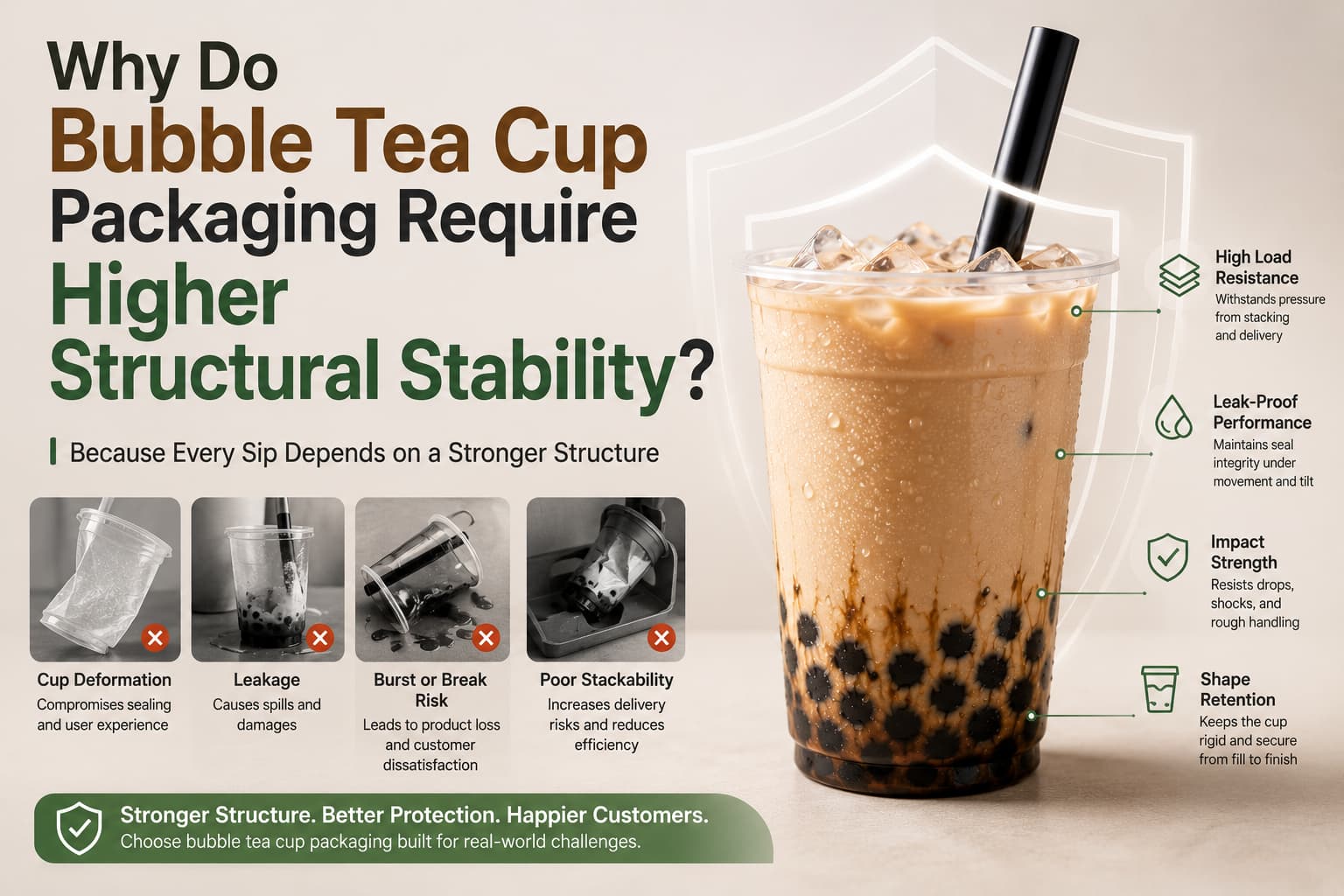
Bubble tea packaging requires higher structural stability because these beverages are heavier, more complex, and more delivery-oriented than standard drinks. Ingredients such as tapioca pearls, jelly, fruit pieces, and ice increase internal pressure on cup walls, lids, and sealing systems. Large cup sizes, takeaway transportation, and delivery vibration further increase risks of deformation and leakage. To maintain product quality and customer experience, bubble tea cups require reinforced structures, precise rim engineering, strong sealing compatibility, and durable PP or PET materials designed specifically for high-stress beverage applications.
Introduction
Bubble tea has evolved from a regional beverage trend into a global foodservice category. Across Asia, North America, Europe, and the Middle East, bubble tea shops continue expanding rapidly as consumers seek customizable drinks, premium toppings, and visually appealing beverages.
Unlike many traditional drinks, bubble tea places unusually high demands on packaging.
At first glance, a bubble tea cup may look similar to a standard cold beverage cup. However, bubble tea drinks contain heavier ingredients, larger volumes, wider straws, and more complex transportation conditions than ordinary soft drinks or iced coffee. These factors create much greater structural pressure on the packaging system.
As takeaway and delivery orders continue increasing, cup stability has become a major concern for bubble tea brands. Leakage, cup deformation, poor sealing, and transportation damage can directly affect customer satisfaction and brand reputation.
Because of this, bubble tea packaging now requires stronger structural engineering than many other beverage applications. Cup body strength, rim precision, sealing compatibility, and material performance all play critical roles in maintaining drink quality during handling and transportation.
Bubble Tea Creates More Packaging Stress Than Regular Beverages
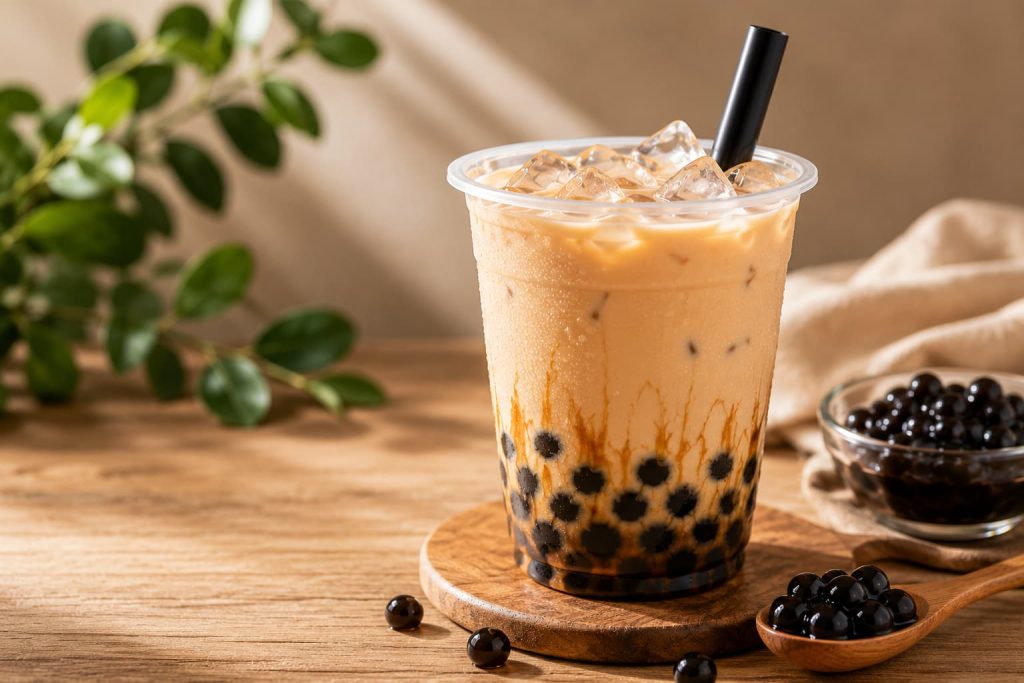
One of the biggest differences between bubble tea and standard beverages is weight.
A regular iced drink mainly contains liquid and ice. Bubble tea, however, often includes:
- Tapioca pearls
- Fruit pieces
- Jelly toppings
- Cheese foam
- Pudding
- Coconut cubes
- Additional syrups
These ingredients significantly increase the total weight of the drink.
Large bubble tea beverages can easily exceed 700–1000ml in volume while carrying dense toppings concentrated at the bottom of the cup. This creates uneven pressure distribution that places more stress on the cup structure.
| Beverage Type | Packaging Stress Level |
|---|---|
| Soft drinks | Low |
| Coffee beverages | Moderate |
| Bubble tea | High |
Unlike lightweight beverages, bubble tea continuously shifts during movement because toppings move independently inside the liquid. During delivery, this creates repeated internal impact against cup walls and lids.
Consumers also frequently shake bubble tea before drinking to redistribute sugar, toppings, and flavor layers. This adds additional stress to both the cup body and sealing system.
As a result, bubble tea packaging must withstand much higher physical demands than standard beverage cups.
Why Bubble Tea Cups Need Stronger Cup Body Structures
The increasing popularity of large-format drinks has created new structural challenges for beverage packaging manufacturers.
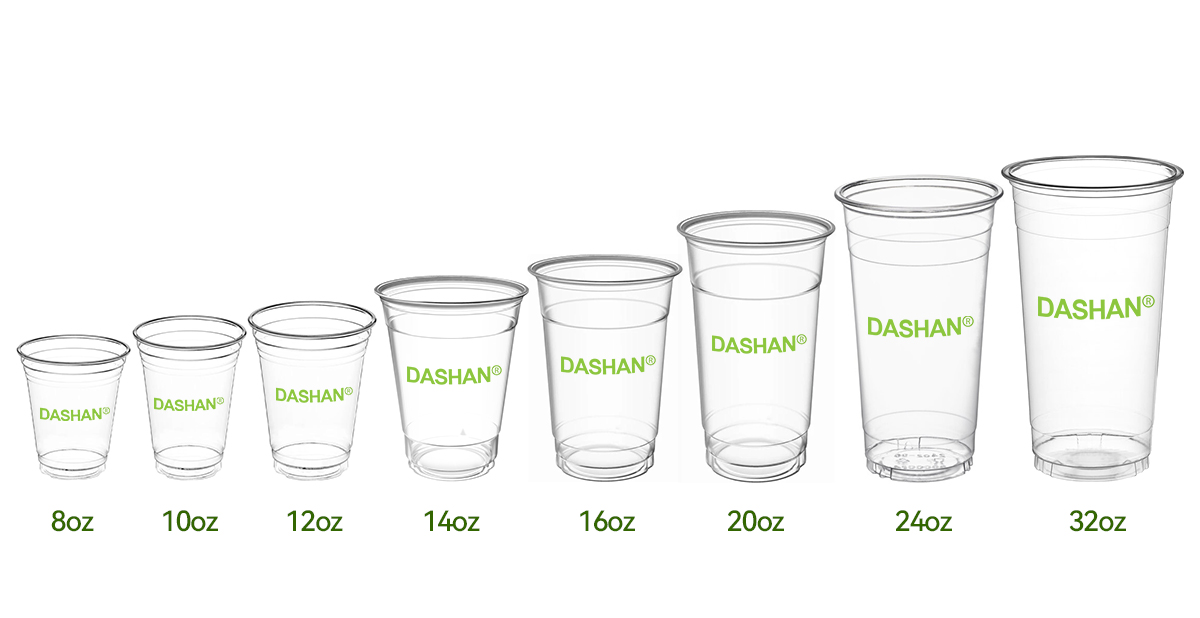
Many bubble tea shops now offer:
- 500ml cups
- 700ml cups
- 1000ml takeaway cups
- Oversized specialty beverages
Larger cup sizes naturally increase deformation risks because taller structures become less stable during carrying and transportation.
Thin cup walls may collapse or bend when:
- Consumers grip the cup tightly
- Delivery bags compress multiple drinks together
- Drinks are stacked inside carriers
- Cups experience sudden movement during transport
This is especially problematic for cold beverages because condensation can make cups slippery and reduce grip stability.
To improve performance, manufacturers increasingly reinforce bubble tea cup structures using:
- Ribbed wall designs
- Strengthened sidewalls
- Reinforced bottom structures
- Thicker rim engineering
- Improved material distribution
These features help cups maintain shape under pressure while still remaining lightweight enough for large-scale takeaway operations.
Structural balance is important because excessive material thickness increases cost and reduces transportation efficiency. Modern cup engineering therefore focuses on maximizing rigidity without unnecessary material consumption.
Lid Sealing Performance Is More Important for Bubble Tea
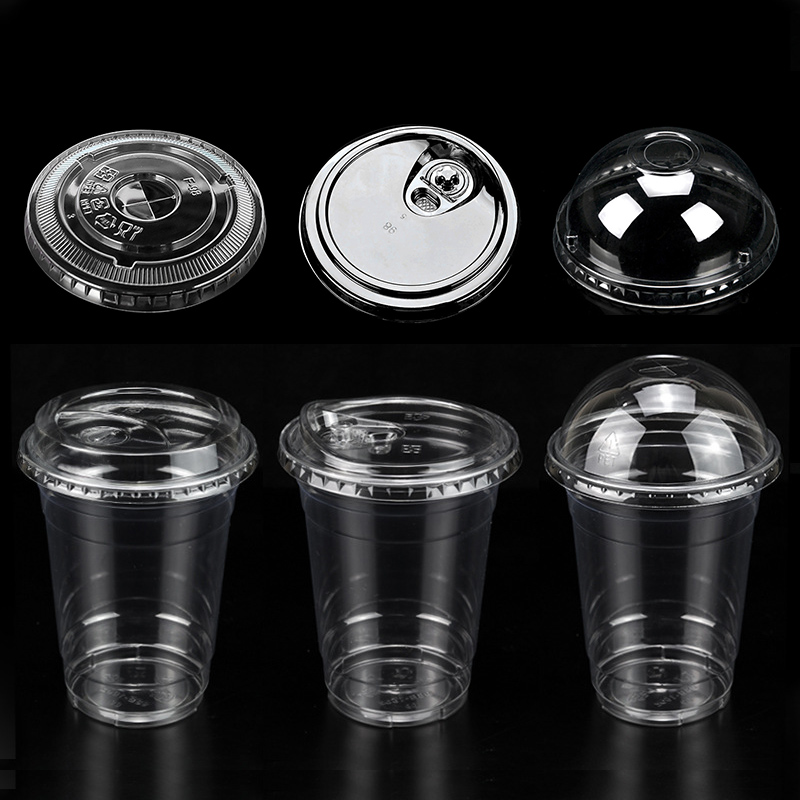
Bubble tea packaging places particularly high demands on lid systems.
One major reason is straw size.
Unlike coffee or soda drinks, bubble tea requires large-diameter straws to allow pearls and toppings to pass through. This creates larger openings that increase spill risks.
Bubble tea cups typically use either:
- Heat-sealed plastic film
- Snap-on lids
- Dome lids
- Specialized straw-entry sealing systems
For all these systems, rim precision becomes extremely important.
If the cup rim is uneven or unstable:
- Film sealing may fail
- Lids may loosen
- Small leakage gaps may form
- Sealing pressure may become inconsistent
During transportation, drinks experience continuous tilting and vibration. Heavy toppings and ice also create additional upward pressure against lids.
| Weak Structural Design | Optimized Bubble Tea Cup Design |
|---|---|
| Lid instability | Stronger sealing performance |
| Cup wall deformation | Better shape retention |
| Leakage during delivery | Improved spill resistance |
| Poor stacking stability | Safer transportation |
Even small leaks can damage customer experience significantly because bubble tea beverages are highly visible products often consumed immediately after purchase.
This is why many premium bubble tea brands invest heavily in precision cup engineering and sealing compatibility.
Delivery Conditions Create Additional Packaging Challenges
The rapid growth of food delivery platforms has changed beverage packaging requirements dramatically.
Bubble tea drinks now frequently travel:
- Long distances
- Through crowded urban traffic
- Inside insulated delivery bags
- Alongside multiple other beverages
During delivery, cups are exposed to:
- Constant vibration
- Pressure from stacking
- Sudden movement
- Temperature fluctuations
- Side impacts
These conditions increase risks of:
- Cup deformation
- Lid loosening
- Leakage
- Structural cracking
Because bubble tea drinks are often expensive premium beverages, customers have high expectations regarding presentation and cleanliness upon arrival.
A leaking or collapsed cup can quickly lead to:
- Negative reviews
- Refund requests
- Product waste
- Brand reputation damage
Cup carriers also create concentrated pressure at the base and rim areas during transportation. Structurally weak cups may bend or collapse when several large drinks are transported together.
As delivery continues becoming more important for beverage businesses, packaging stability has become directly linked to operational reliability.
Why Material Selection Is Critical for Bubble Tea Cups
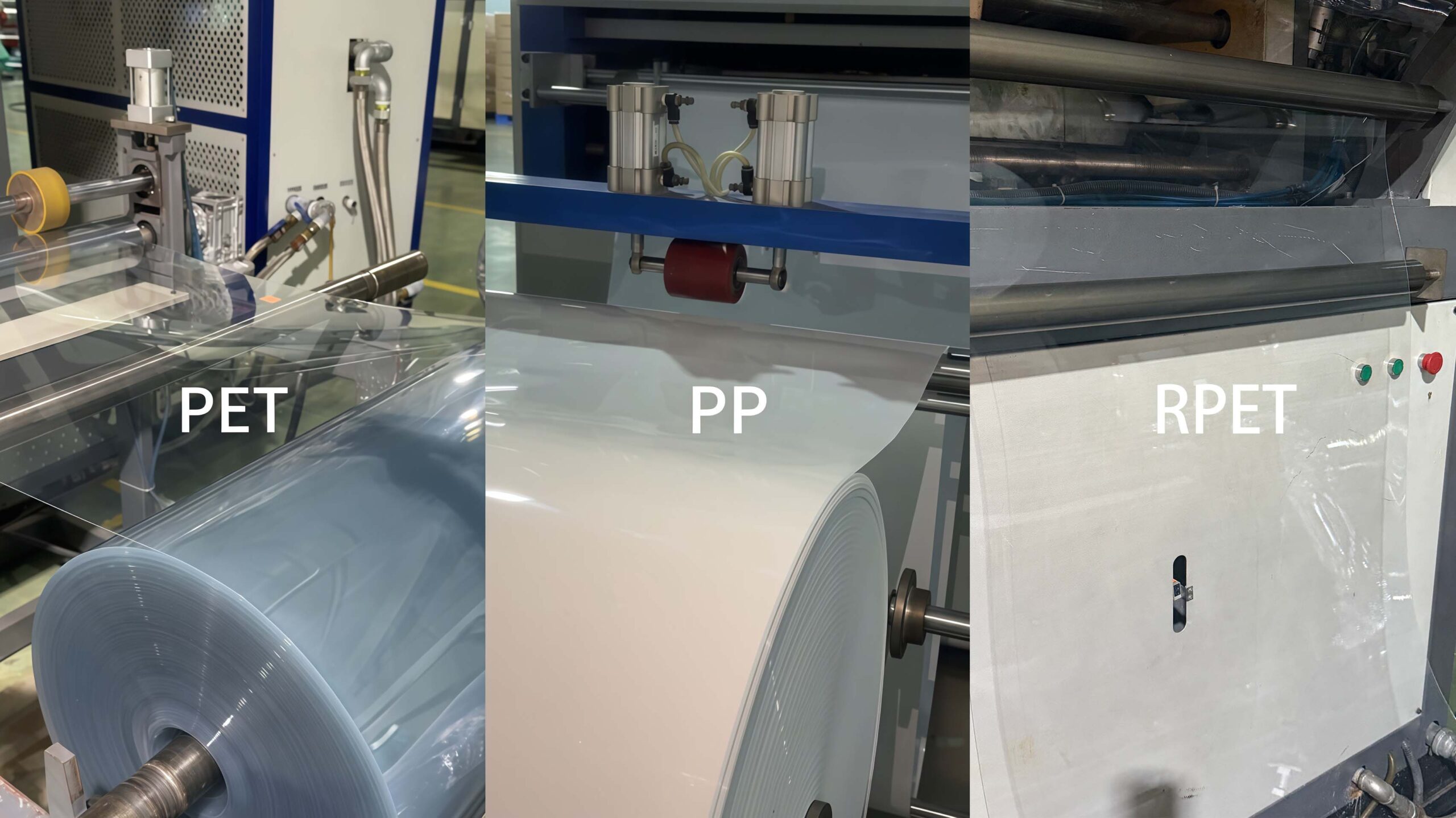
Material selection strongly influences bubble tea packaging performance.
The two most common materials are PP (polypropylene) and PET.
Each offers different advantages depending on beverage type.
PET is especially popular for cold bubble tea because it offers excellent transparency. Clear cups help showcase:
- Layered drinks
- Fruit toppings
- Color gradients
- Tapioca pearls
- Foam textures
Visual presentation is extremely important in bubble tea culture because many consumers share drinks on social media platforms.
PP, meanwhile, performs better for hot beverages because of its stronger heat resistance.
Regardless of material choice, structural engineering remains essential. Even transparent PET cups must maintain sufficient rigidity to support heavy beverage loads without deformation.
Cold temperatures also affect packaging performance. Ice-heavy drinks create external condensation that can weaken grip stability and increase slipping risks if cup structures are too thin.
Consumer Experience Depends on Cup Stability
Structural stability influences not only transportation safety, but also how consumers perceive beverage quality.
A stable cup improves:
- Carrying comfort
- Grip confidence
- Lid reliability
- Drinking convenience
- Overall product appearance
Consumers often associate rigid, well-designed packaging with higher product quality.
Bubble tea culture is also highly visual. Clean cup presentation, stable sealing, and premium structural appearance contribute strongly to brand identity.
Deformed or leaking cups can quickly reduce perceived product value, even if the beverage itself tastes good.
This is particularly important for younger consumers who prioritize:
- Social media presentation
- Packaging aesthetics
- Convenience
- Portability
- Premium brand experience
As competition increases in global bubble tea markets, packaging quality is becoming part of the beverage itself rather than simply a transportation tool.
Why Bubble Tea Brands Invest in Better Packaging
For many bubble tea chains, packaging has become an important part of brand differentiation.
Companies increasingly develop:
- Custom cup shapes
- Branded sealing films
- Specialized lids
- Reinforced cup structures
- Signature cup sizes
Large-scale bubble tea operations also require highly consistent cup dimensions for automated sealing equipment.
Even small variations in rim precision can disrupt:
- Film sealing machines
- Lid compatibility
- Production efficiency
- Delivery reliability
Investing in stronger packaging systems helps reduce:
- Leakage complaints
- Beverage waste
- Delivery failures
- Customer dissatisfaction
Manufacturers such as DASHAN increasingly support these operational needs by developing PP and PET beverage packaging systems designed specifically for bubble tea takeaway and delivery applications, with attention to structural stability, sealing precision, and transportation performance.
Future Trends in Bubble Tea Packaging
Bubble tea packaging continues evolving alongside consumer expectations and delivery market growth.
Several major trends are becoming increasingly important.
Stronger Yet Lighter Cup Structures
Manufacturers are developing cups that reduce material usage while maintaining rigidity and transportation safety.
More Sustainable Packaging Systems
Recyclable PP and PET materials are gaining attention as beverage brands pursue more environmentally responsible packaging strategies.
Delivery-Oriented Cup Engineering
Packaging is increasingly designed specifically for food delivery conditions rather than only in-store consumption.
This includes:
- Better spill resistance
- Improved carrier compatibility
- Stronger sealing systems
- Reinforced structural areas
Premium Presentation Design
Bubble tea packaging increasingly emphasizes transparency, clean branding, and visual aesthetics to support social media marketing and premium positioning.
FAQ
1. Why do bubble tea cups require stronger structures than regular drink cups?
Bubble tea contains heavy toppings such as tapioca pearls, jelly, fruit pieces, and ice, which create more internal pressure and movement during transportation. Large drink sizes also increase deformation risks compared to standard soft drinks or coffee beverages.
2. Why is leakage more common in bubble tea packaging?
Bubble tea drinks often use large-diameter straws and high liquid volumes. During takeaway and delivery, movement and vibration can loosen weak lids or deform cup rims, increasing spill risks.
3. Why is rim precision important for bubble tea cups?
The rim directly affects lid sealing and film sealing performance. Uneven or weak rim structures can cause leakage, lid instability, and sealing failures during transportation and delivery.
4. What materials are commonly used for bubble tea cups?
PP and PET are the most common materials:
- PP is often used for hot milk tea because of its heat resistance
- PET is widely used for cold bubble tea because of its high transparency and strong visual presentation
5. Why are transparent cups popular for bubble tea?
Bubble tea is highly visual. Transparent cups help display layers, toppings, colors, and textures, which improves product presentation and supports social media sharing and premium branding.
6. How does delivery affect bubble tea cup design?
Bubble tea delivery creates constant vibration, stacking pressure, and movement. Cups must maintain structural stability to prevent deformation, leakage, and lid loosening during transportation.
7. Why do large bubble tea cups need reinforced structures?
Large-volume cups carry heavier beverage loads and become more unstable during handling. Reinforced cup walls, stronger bottoms, and stable rim structures help maintain shape and reduce collapse risks.
Conclusion
Bubble tea packaging requires significantly higher structural stability than many standard beverage applications.
The combination of heavy toppings, large drink volumes, delivery movement, and premium consumer expectations creates unique packaging challenges that ordinary beverage cups often cannot handle effectively.
Cup body strength, rim precision, sealing compatibility, material performance, and transportation stability all play essential roles in maintaining beverage quality and customer satisfaction.
As bubble tea markets continue expanding globally, structurally optimized packaging will become even more important for reducing operational problems, improving delivery performance, and supporting premium beverage branding.
In modern bubble tea businesses, packaging is no longer just a container—it has become an essential part of the product experience itself.
References
- ScienceDirect – Migration from Polypropylene Food Packaging into Foods
- Frontiers – The Environmental Impacts of Packaging in Food Delivery Services
- MDPI Sustainability – Environmental Impact of Food Delivery Services: A Review
- U.S. FDA – Food Packaging & Food Contact Substances
- EFSA – Food Contact Materials
- ScienceDirect – Food Packaging Materials and Heat Resistance Properties
- World Economic Forum – How Food Delivery Apps Are Changing the Global Food Industry
Copyright Statement
© 2026 Dashan Packing. All rights reserved.
This article is an original publication by the Dashan Packing team based on industry research, market analysis, and packaging expertise. Unauthorized reproduction, distribution, or copying of this content is prohibited without prior written permission.
Dashan Packing is committed to delivering reliable, original, and professional information for the global food packaging industry.