

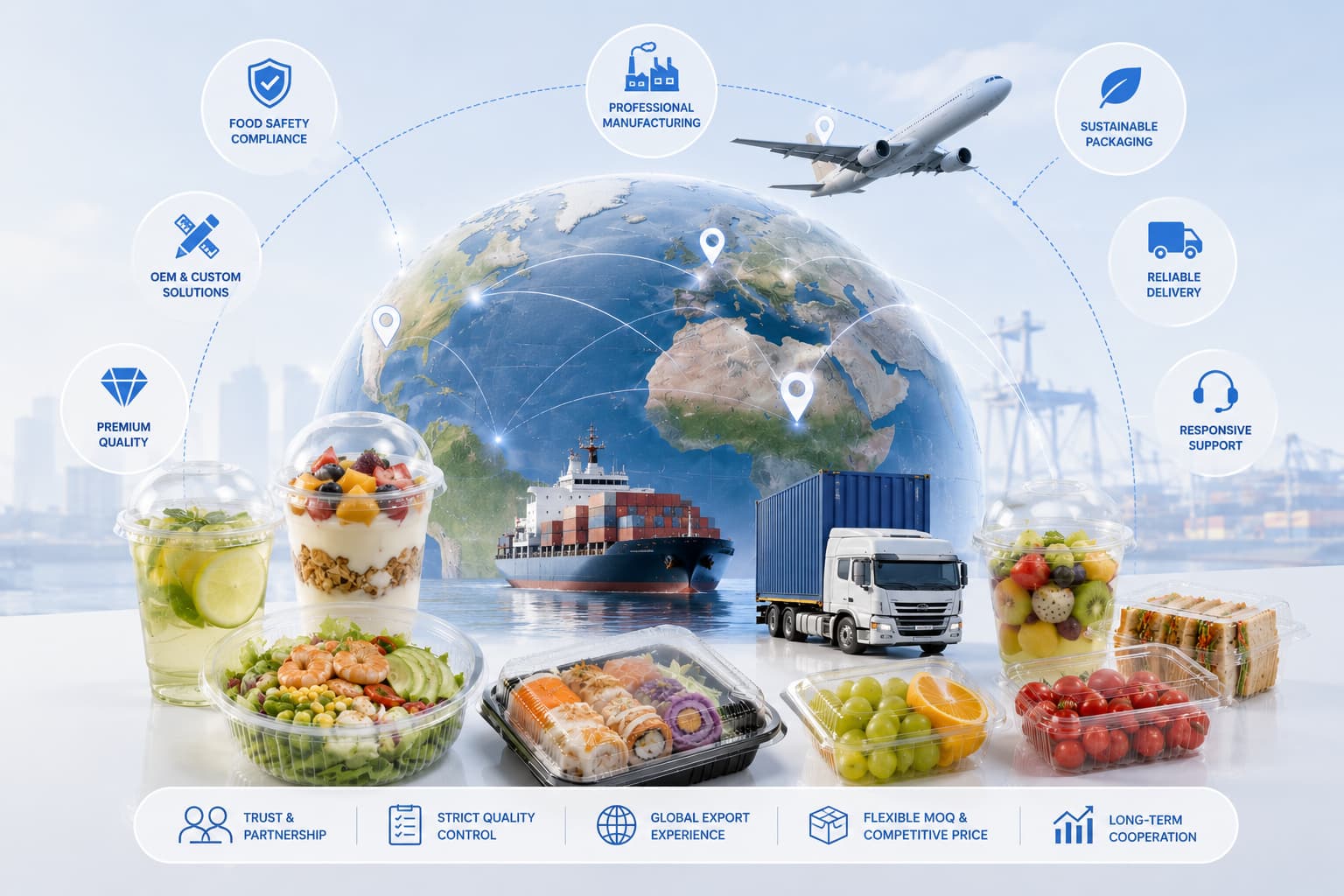
The Real Decision Factors Behind Long-Term Food Packaging Partnerships 🇺🇸📦
Over the last two decades, China has become one of the world’s largest manufacturing hubs for food packaging products. From PET salad containers and transparent beverage cups to CPET airline trays, PP takeaway containers, RPET fruit boxes, and compostable packaging solutions, Chinese manufacturers now supply enormous volumes of packaging to supermarkets, restaurant chains, beverage brands, wholesalers, distributors, and importers across the United States.
However, the U.S. market has changed dramatically in recent years.
American importers are no longer simply looking for “cheap packaging.” In fact, many buyers today are far more concerned about supplier stability, food safety compliance, communication efficiency, manufacturing consistency, sustainability standards, and long-term reliability than finding the absolute lowest price.
This shift is especially noticeable after the global supply chain disruptions experienced during recent years. Many U.S. importers learned the hard way that unstable suppliers can create serious problems including shipment delays, inconsistent quality, customs risks, packaging defects, and lost retail contracts.
As a result, modern U.S. buyers are becoming increasingly selective when choosing Chinese packaging suppliers. They are evaluating factories more carefully than ever before, looking beyond catalogs and quotations to assess whether a supplier can truly support long-term business growth.
For Chinese food packaging manufacturers, understanding how American importers think has become extremely important. Buyers today evaluate suppliers from multiple perspectives simultaneously:
- Manufacturing capability
- Food safety compliance
- Communication speed
- OEM customization support
- Lead time stability
- Export experience
- Quality control systems
- Sustainability strategy
- Logistics coordination
- Brand professionalism
This article explores the real factors U.S. importers consider when selecting Chinese food packaging suppliers and explains how manufacturers can build stronger trust, improve competitiveness, and create long-term international partnerships. 🌎
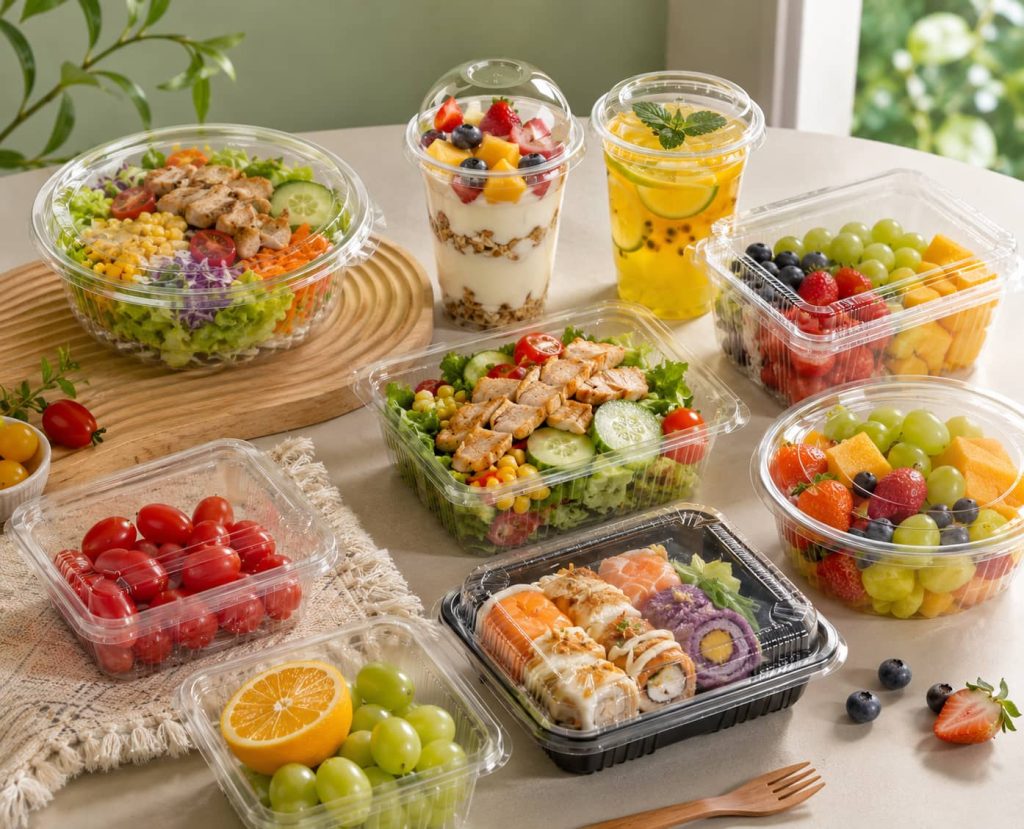
U.S. Importers Care About Stability More Than Low Prices
One of the biggest misconceptions in global sourcing is the belief that American buyers only care about cheap prices.
In reality, experienced U.S. importers understand that extremely low prices often create hidden risks.
A supplier offering prices far below market average may have problems such as:
- Unstable raw material sourcing
- Weak quality control
- Poor dimensional consistency
- Delayed production schedules
- Insufficient export experience
- Weak compliance systems
- Low-grade materials
- Inexperienced workers
- Communication issues
For packaging importers, unstable supply chains can become extremely expensive.
A delayed shipment can lead to:
- Empty retail shelves
- Restaurant operation problems
- Missed promotional campaigns
- Lost supermarket contracts
- Customer complaints
- Emergency air freight costs
- Inventory shortages
Because of this, many U.S. buyers now prioritize reliability over small price differences.
A supplier that consistently delivers stable quality, on-time shipments, and professional communication often becomes far more valuable than a factory offering slightly cheaper pricing but inconsistent performance.
This is especially true for large foodservice distributors, chain restaurants, and beverage brands that rely on predictable packaging supply throughout the year.

Food Safety Compliance Is Non-Negotiable ⚠️
For U.S. food packaging importers, food safety compliance is one of the most important supplier evaluation criteria.
American buyers understand that packaging directly contacts food products. Any safety issue can quickly become a serious legal, financial, and reputational problem.
As a result, importers carefully evaluate whether Chinese suppliers understand international food-contact regulations and testing requirements.
For plastic food packaging, buyers often request documentation related to:
- FDA food-contact compliance
- EU food-contact regulations
- Migration testing
- Heavy metal testing
- PFAS-related requirements
- Material traceability
- BPA-free declarations
- Food-grade resin certifications
Suppliers unable to provide organized compliance documentation may immediately lose buyer confidence.
Modern U.S. importers increasingly prefer suppliers with strong regulatory understanding because customs inspections and compliance audits are becoming stricter worldwide.
This is especially important for products such as:
- Beverage cups
- Salad containers
- Fruit packaging
- Microwave trays
- Takeaway containers
- Bakery packaging
- Meal-prep containers
Many American buyers now also evaluate whether suppliers understand state-level packaging regulations because U.S. packaging laws are becoming more fragmented across different states.
U.S. Buyers Prefer Factories With Strong OEM Customization Capabilities
The modern U.S. food packaging market is heavily driven by branding and product differentiation.
Restaurant chains, beverage brands, meal-prep companies, and supermarket suppliers increasingly want packaging that reflects their own brand identity instead of generic stock packaging.
As a result, OEM customization capability has become one of the most important competitive advantages for Chinese packaging manufacturers.
Buyers often evaluate whether suppliers can support:
- Custom molds
- Logo printing
- Embossed designs
- Special lid structures
- Unique container shapes
- Color customization
- Retail-ready packaging
- Barcode labeling
- Private label production
- Seasonal packaging campaigns
For beverage cups especially, visual branding has become extremely important because packaging often appears directly in social media content and consumer photos.
Many U.S. beverage chains now prioritize transparent cups with clean logo printing, premium clarity, and modern aesthetics.
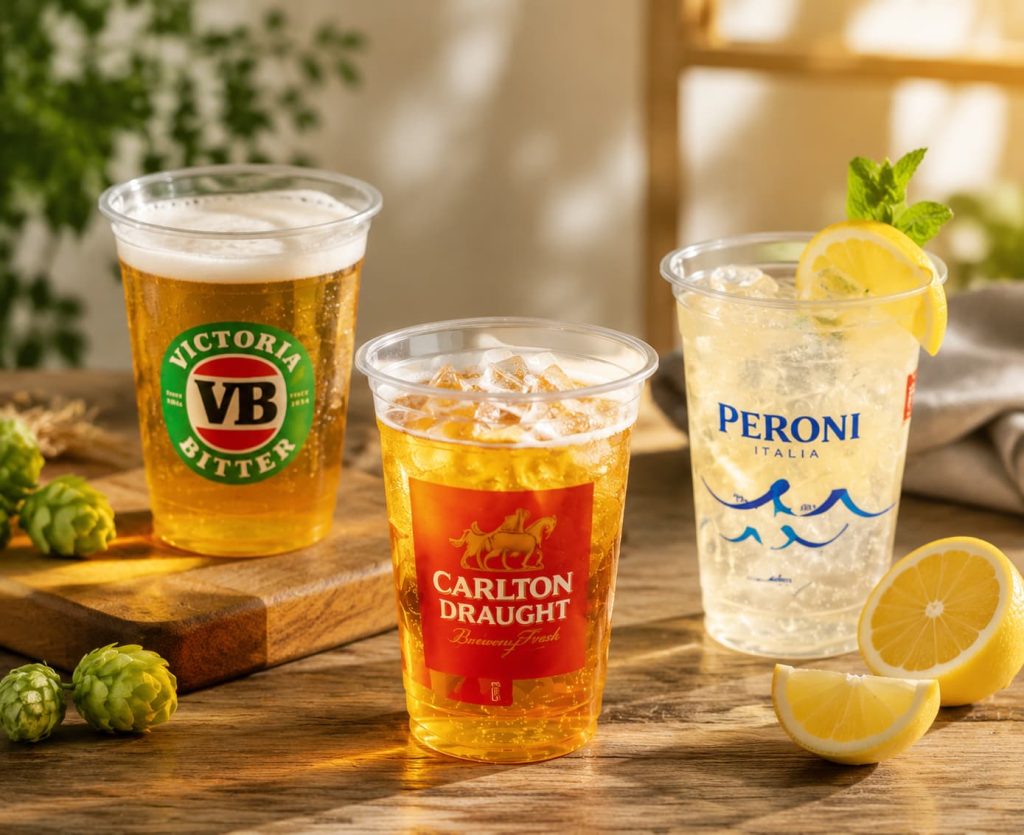
Suppliers that can provide both technical manufacturing support and branding flexibility often gain stronger long-term relationships with importers.
Communication Speed Strongly Affects Buyer Trust 📧
One major factor many Chinese suppliers underestimate is communication quality.
For U.S. importers, slow replies create uncertainty.
When buyers wait several days for answers regarding quotations, mold revisions, production updates, testing reports, or shipping schedules, confidence begins decreasing rapidly.
Professional communication strongly influences how buyers perceive supplier reliability.
Importers usually prefer suppliers that provide:
- Fast replies
- Clear English communication
- Organized quotations
- Detailed specifications
- Transparent timelines
- Proactive updates
- Professional problem-solving
Even when production quality is good, poor communication can seriously damage long-term business relationships.
Many experienced American buyers specifically look for suppliers who behave like long-term business partners rather than simple factories.
This includes:
- Understanding project urgency
- Offering technical recommendations
- Providing realistic lead times
- Explaining manufacturing limitations honestly
- Sharing packaging optimization ideas
Factories that communicate professionally often appear more trustworthy, organized, and internationally experienced.
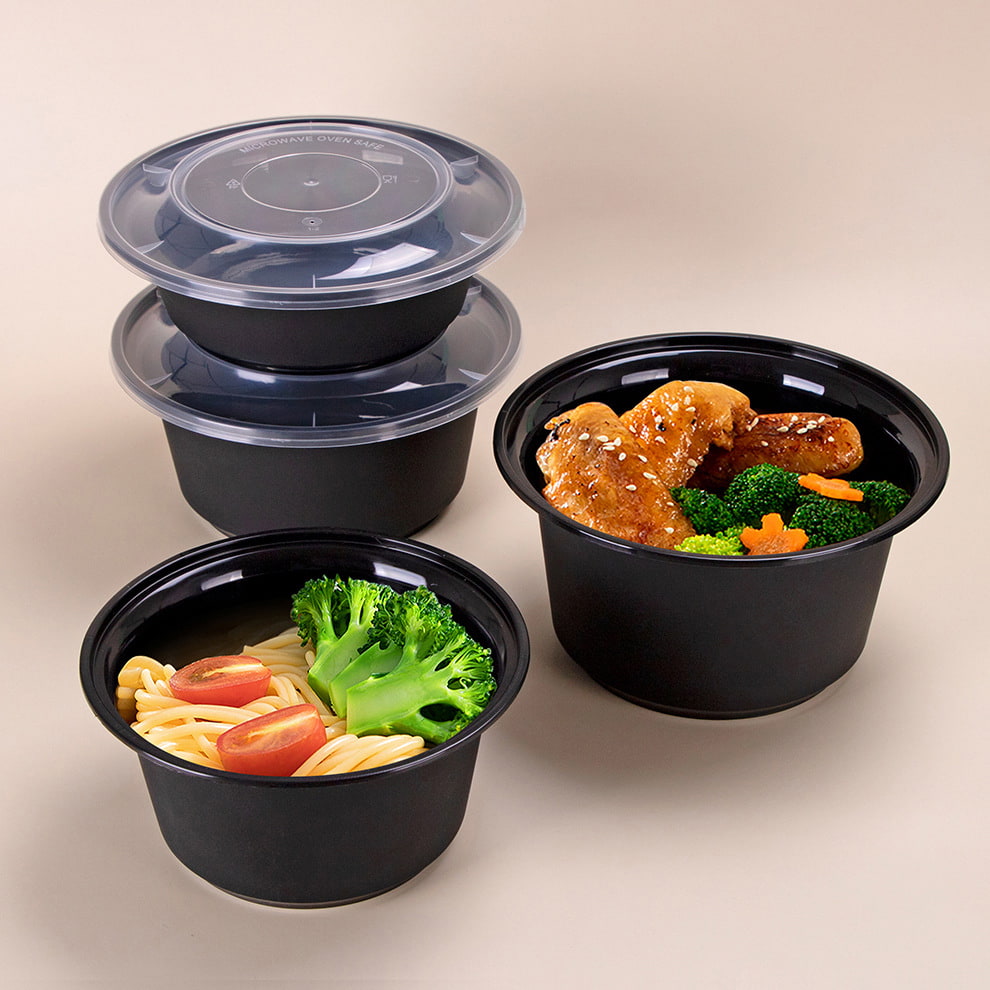
Consistent Quality Control Is a Major Decision Factor 🔍
One of the biggest fears U.S. importers have when sourcing overseas is inconsistent product quality.
A factory may produce excellent samples but fail to maintain consistency during mass production.
This issue creates major risks for distributors and retail brands because inconsistent packaging can damage customer relationships and brand reputation.
As a result, many importers carefully evaluate factory quality control systems before placing long-term orders.
Buyers increasingly ask suppliers about:
- Incoming raw material inspection
- Thickness control
- Leak testing
- Compression testing
- Dimensional tolerance inspection
- Stackability testing
- Seal compatibility
- Visual defect inspection
- Automated inspection systems
- Batch traceability
For transparent PET packaging especially, consistency is extremely important because small visual defects become highly visible.
Warping, haze, scratches, unstable lid fit, uneven trimming, and poor transparency can significantly affect customer perception.
Factories that demonstrate strong quality systems often build much stronger buyer confidence.
Lead Time Stability Matters More Than Ever 🚢
Since global supply chain disruptions increased across international trade markets, lead time reliability has become one of the most important supplier evaluation factors.
Many American buyers now ask detailed questions about:
- Mold production timelines
- Sample lead times
- Production scheduling
- Peak season capacity
- Raw material inventory
- Shipping coordination
- Container loading capability
Importers increasingly prefer suppliers with realistic and transparent scheduling systems.
Overpromising and underdelivering is one of the fastest ways to lose customer trust.
For OEM packaging projects, buyers especially want predictable development timelines because custom packaging often connects directly with:
- Product launches
- Retail promotions
- Brand redesigns
- Seasonal campaigns
- Restaurant openings
If packaging arrives late, the entire business plan may be disrupted.
This is why factories with organized production management systems often gain stronger competitive advantages in global sourcing markets.
Sustainability Has Become a Core Purchasing Requirement 🌱
Sustainability is no longer just a marketing trend in the U.S. packaging industry.
For many importers, it has become a serious purchasing requirement.
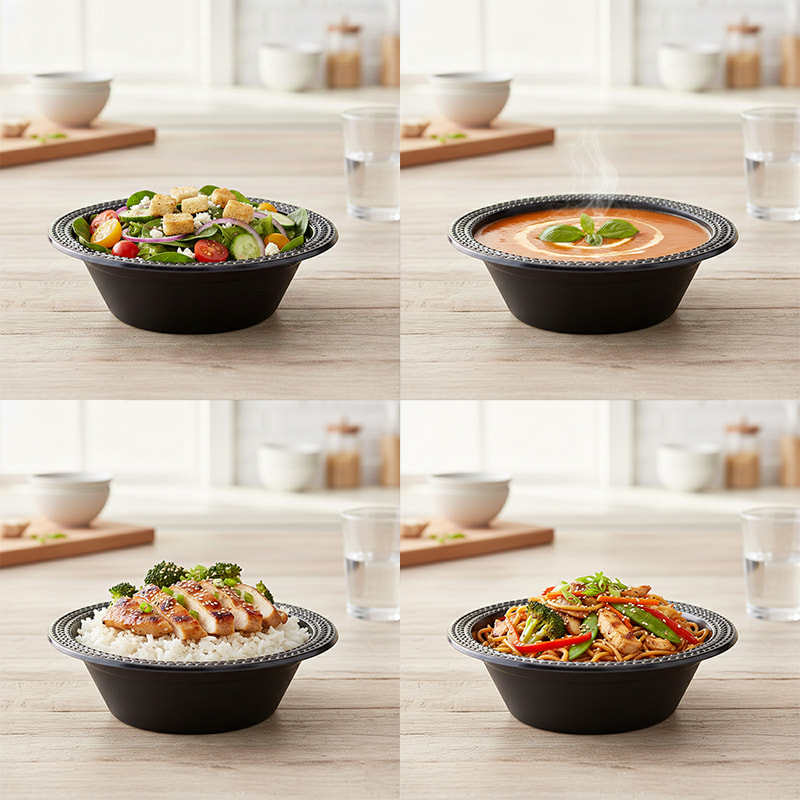
Large retailers, restaurant groups, and beverage chains increasingly demand packaging solutions that support:
- Recyclability
- Recycled content
- Compostability
- Carbon reduction goals
- ESG reporting
- Sustainable sourcing programs
As a result, American buyers increasingly ask suppliers about:
- RPET capability
- Food-grade recycled materials
- Compostable packaging
- Material reduction strategies
- Sustainable certifications
- Packaging recyclability
Many importers now evaluate whether suppliers are investing in long-term sustainable manufacturing rather than relying entirely on traditional packaging approaches.
Factories able to combine sustainability with stable commercial performance are becoming increasingly attractive in global markets.
U.S. Importers Want Suppliers With Real Export Experience
Export experience matters enormously.
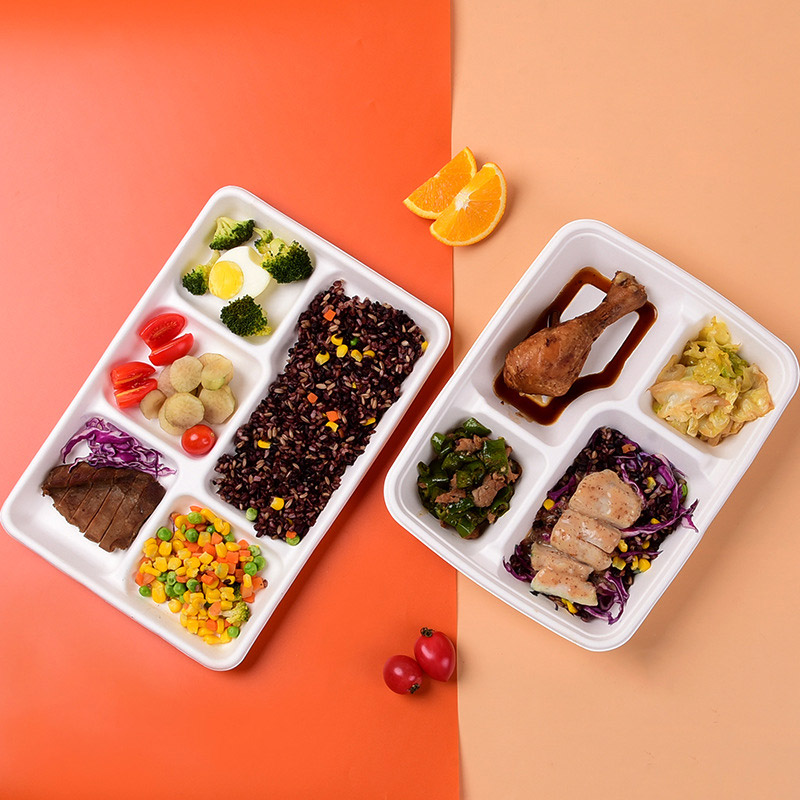
American buyers often prefer factories already familiar with:
- U.S. labeling standards
- Customs documentation
- Container loading optimization
- International shipping coordination
- Compliance paperwork
- Retail packaging requirements
- Barcode systems
- Pallet standards
Factories with limited export experience may accidentally create problems that delay customs clearance or damage shipments during transportation.
Importers therefore often ask questions such as:
- Which countries do you export to?
- Have you worked with U.S. distributors before?
- Can you support Amazon FBA packaging?
- Can you provide export certifications quickly?
- How do you handle damaged shipments?
Experienced exporters usually appear more stable and lower-risk.
Why Factory Transparency Builds Buyer Confidence 🏭
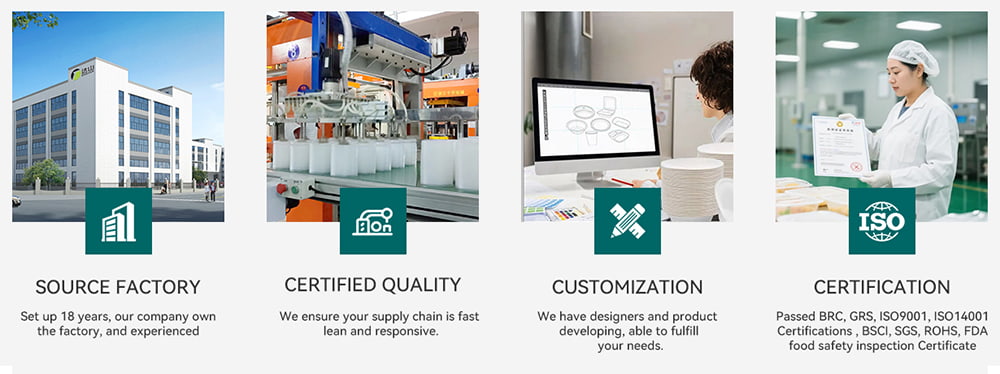
Modern importers increasingly want to see the actual factory behind the quotation.
This is one reason factory videos, production photos, testing demonstrations, and behind-the-scenes manufacturing content have become extremely valuable.
Buyers want proof that suppliers truly possess:
- Real production capability
- Stable machinery
- Organized warehouses
- Professional QC systems
- Clean manufacturing environments
- Experienced workers
Factories that openly display their production process often appear more trustworthy.
This is especially true in food packaging because cleanliness and manufacturing organization strongly affect buyer perception.
Transparent suppliers usually create stronger long-term buyer relationships because visibility reduces sourcing uncertainty.
Why Long-Term Partnership Mentality Matters
Many successful U.S.-China packaging partnerships are built not only on manufacturing capability, but also on long-term cooperation mindset.
American importers often prefer suppliers that think strategically rather than transactionally.
This means:
- Supporting product development
- Helping reduce packaging costs
- Improving packaging efficiency
- Offering packaging innovation ideas
- Sharing market trends
- Supporting urgent projects
- Maintaining stable communication
Factories that focus only on short-term pricing often struggle to build lasting partnerships.
Meanwhile, suppliers that consistently help buyers solve problems often become deeply integrated into customer supply chains.
Over time, this creates stronger order stability and long-term business growth for both sides.
How DaShan Supports Global Packaging Importers 🌍
DaShan specializes in high-quality food packaging solutions for international foodservice, retail, beverage, and distribution markets.
Our product range includes:
- PET salad containers
- RPET fruit packaging
- CPET trays
- Transparent beverage cups
- PP takeaway containers
- Bakery packaging
- Thermoformed food trays
- OEM customized packaging solutions
We focus on:
- Stable manufacturing quality
- International food safety standards
- OEM customization support
- Transparent communication
- Export-oriented production
- Reliable lead times
- Sustainable packaging development
DaShan supports global distributors, wholesalers, restaurant chains, supermarkets, and beverage brands seeking long-term packaging partnerships built on consistency, quality, and professional service.
Conclusion
U.S. importers today evaluate Chinese packaging suppliers far more carefully than in the past.
Price still matters, but reliability, compliance, communication, customization capability, sustainability, and long-term partnership value now play equally important roles in sourcing decisions.
The most successful Chinese packaging manufacturers are no longer competing only on production cost. They are competing on trust, stability, professionalism, and global business capability.
As the international packaging industry becomes increasingly competitive, suppliers that understand how U.S. importers think will be far better positioned to build lasting partnerships and grow successfully in global markets. 📦🚀
Frequently Asked Questions (FAQ)
1. What certifications do U.S. importers usually require for food packaging?
Most U.S. importers request FDA food-contact compliance documentation. Depending on the product type and market, buyers may also request migration testing, BPA-free declarations, PFAS-related documentation, and recycled-content certifications.
2. Why is communication important when working with overseas suppliers?
Fast and professional communication helps reduce sourcing risks. Importers rely on timely updates regarding production schedules, shipping timelines, customization revisions, and compliance documentation.
3. Do U.S. buyers care more about price or quality?
Most experienced importers prioritize stable quality and reliable delivery over extremely low prices because supply chain problems can become very costly.
4. Why do American importers prefer experienced exporters?
Factories with export experience usually understand customs requirements, packaging standards, shipping coordination, and international documentation processes more effectively.
5. What packaging products are most commonly imported from China?
Popular imported packaging products include:
- PET cups
- Salad containers
- Fruit packaging
- Takeaway containers
- Bakery packaging
- CPET trays
- RPET packaging
- PP meal containers
6. Why is OEM customization important in food packaging?
Customized packaging helps brands improve product differentiation, increase brand recognition, and create stronger retail presentation.
7. What sustainability requirements are becoming more important in the U.S.?
Many U.S. buyers now prioritize:
- Recyclable packaging
- RPET materials
- Compostable packaging
- Carbon reduction strategies
- Sustainable sourcing programs
8. How can Chinese suppliers improve buyer trust?
Factories can improve trust through:
- Stable quality control
- Fast communication
- Transparent production processes
- Accurate lead times
- Professional export support
- Consistent documentation
References
- U.S. Food & Drug Administration (FDA) – Food Contact Materials
https://www.fda.gov - PMMI Packaging Industry Reports
https://www.pmmi.org - McKinsey & Company – Supply Chain and Packaging Insights
https://www.mckinsey.com - U.S. Customs and Border Protection
https://www.cbp.gov - Packaging Europe – International Packaging Industry News
https://packagingeurope.com - DaShan Packaging Official Website
DaShan Packaging
Copyright Notice
© 2026 DaShan Packaging. All Rights Reserved.
This article and all related content, including technical analysis, sourcing insights, manufacturing explanations, market observations, and written materials, are the intellectual property of DaShan Packaging unless otherwise stated. No part of this publication may be copied, reproduced, distributed, modified, republished, or transmitted in any form without prior written authorization from DaShan Packaging.
The information provided in this article is intended for educational, informational, and industry reference purposes only. Packaging regulations, import requirements, sustainability standards, and compliance obligations may vary depending on country, application, and product category.
Readers are encouraged to verify all regulatory requirements and commercial specifications independently before making procurement decisions.
For OEM food packaging solutions, customization support, or international cooperation opportunities, please visit: