

Quick Summary
Different countries approach packaging waste based on their own infrastructure, economic conditions, consumer habits, and environmental priorities. Europe focuses heavily on recyclability and circular economy regulations, while North America balances sustainability goals with convenience-driven consumption. Asian markets are managing rapid packaging demand growth alongside recycling expansion, and many Middle Eastern and African countries continue prioritizing affordability and food safety. As global packaging regulations become more regionalized, manufacturers like DASHAN are increasingly developing flexible PP, PET, rPET, reusable, and compostable packaging solutions tailored to different market realities.
Introduction
Packaging waste has become one of the most discussed environmental issues in the global consumer industry. As food delivery, e-commerce, takeaway meals, and convenience retail continue expanding, the amount of disposable packaging used every day has increased dramatically. Governments, businesses, and consumers are all under pressure to find solutions that reduce environmental impact without disrupting modern supply chains.
However, while packaging waste is a global issue, countries do not approach it in the same way.
Some governments focus heavily on recycling systems and circular economy policies. Others prioritize reducing single-use products entirely. In developing economies, affordability and food safety often remain more urgent concerns than advanced sustainability targets. Even consumer expectations vary significantly depending on infrastructure, lifestyle, climate, and economic conditions.
This is why there is no universal packaging solution that works everywhere.
For global food packaging manufacturers like DASHAN, understanding these regional differences is becoming increasingly important. Packaging materials that are accepted in one market may face restrictions in another, while products considered sustainable in one country may not fit the waste management systems of another region.
The Same Packaging Problem Looks Different Around the World
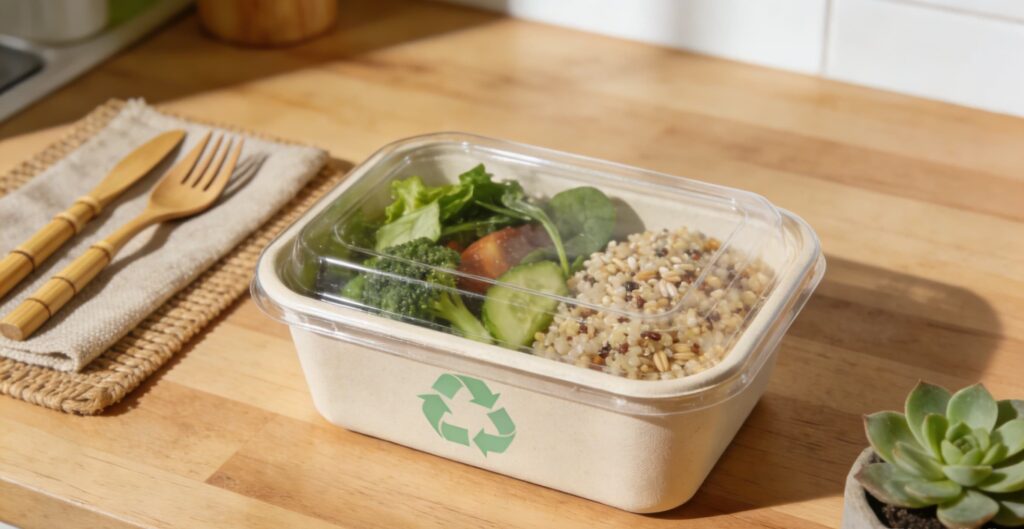
Although packaging waste is discussed globally, the actual challenges differ greatly between countries.
In highly developed economies with advanced recycling systems, governments often focus on improving recyclability and reducing unnecessary packaging complexity. Consumers in these markets are also more likely to expect environmentally responsible packaging from brands.
In contrast, many emerging markets still rely heavily on affordable disposable packaging because it supports food access, transportation efficiency, hygiene, and business affordability.
For example, a country with strong waste sorting infrastructure may encourage mono-material recyclable packaging, while a country with limited recycling capacity may prioritize lightweight low-cost packaging that reduces transportation and storage burdens.
| Country Condition | Main Packaging Priority |
|---|---|
| Advanced recycling systems | Recyclable mono-material packaging |
| Rapid urban growth | Affordable high-volume packaging |
| Strong environmental regulation | Packaging waste reduction |
| Hot climate conditions | Durable food-safe packaging |
| Limited infrastructure | Lightweight cost-efficient materials |
These differences explain why global packaging policies are becoming increasingly regional rather than universal.
Europe: Packaging Waste as a Regulatory Priority
Europe has become one of the strictest regions regarding packaging waste management. The European Union has introduced aggressive circular economy policies designed to reduce landfill waste and improve recycling efficiency.
Much of Europe’s strategy focuses on making packaging easier to recycle. This has accelerated the shift toward mono-material structures, especially recyclable PP and PET packaging.
Many European countries are also implementing Extended Producer Responsibility (EPR) systems, where companies are expected to help finance packaging collection and recycling programs.
As a result, food packaging manufacturers supplying Europe increasingly need to consider:
- Recyclability compatibility
- Reduced material complexity
- Lightweight packaging structures
- Recycled content integration
- Packaging waste reporting requirements
Reusable packaging systems are also expanding across parts of Europe. Some cities and foodservice chains are testing reusable takeaway container systems and deposit-return programs for beverage packaging.
However, Europe still faces major challenges. Sustainable packaging often costs more to produce, and some businesses struggle to balance environmental targets with operational practicality and affordability.
North America: Consumer Behavior and Branding Play Major Roles

North America approaches packaging waste somewhat differently. Regulations vary heavily between states, provinces, and municipalities, especially in the United States.
While some regions have introduced strict plastic regulations, others continue relying heavily on existing packaging systems.
One major difference is the strong influence of corporate sustainability strategies. Large food brands, beverage companies, and retailers are driving many packaging changes through voluntary commitments related to recyclability, recycled content, and reusable packaging.
At the same time, convenience remains deeply connected to consumer behavior.
Food delivery platforms, large beverage sizes, e-commerce packaging, and portable consumption habits continue driving strong demand for disposable packaging solutions.
This creates a complex market where sustainability goals coexist with high packaging consumption volumes.
Despite increasing environmental pressure, recyclable plastics such as PP and PET remain widely used because they are scalable, cost-efficient, lightweight, and compatible with existing manufacturing systems.
Asia: Rapid Consumption Growth Creates New Challenges

Asia contains some of the world’s fastest-growing consumer markets, which makes packaging waste management particularly complex.
Countries such as Japan and South Korea have developed highly organized recycling and waste sorting systems. Consumers are expected to separate waste carefully, and packaging recyclability is often built directly into product design regulations.
South Korea, for example, evaluates packaging materials based on recyclability performance, encouraging transparent PET and recyclable mono-material packaging structures.
Japan also emphasizes waste sorting discipline and packaging efficiency, although convenience culture still generates high packaging consumption.
China presents a different situation. As one of the world’s largest packaging manufacturing markets, China has introduced restrictions on certain plastics while simultaneously balancing industrial realities, export manufacturing, and domestic consumption growth.
Meanwhile, Southeast Asia faces additional challenges related to infrastructure. Rapid urbanization and growing food delivery industries are increasing packaging waste faster than recycling systems can expand in some regions.
In many Asian markets, affordability still strongly influences packaging decisions.
| Market Trend in Asia | Packaging Impact |
|---|---|
| Food delivery growth | Increased disposable packaging demand |
| Urban population growth | More takeaway food consumption |
| Recycling policy expansion | Higher demand for recyclable materials |
| Infrastructure gaps | Continued reliance on affordable plastics |
This is one reason PP packaging remains widely used throughout Asia. It provides a balance between cost, durability, heat resistance, and recyclability.
Middle East and Africa: Practical Packaging Often Comes First
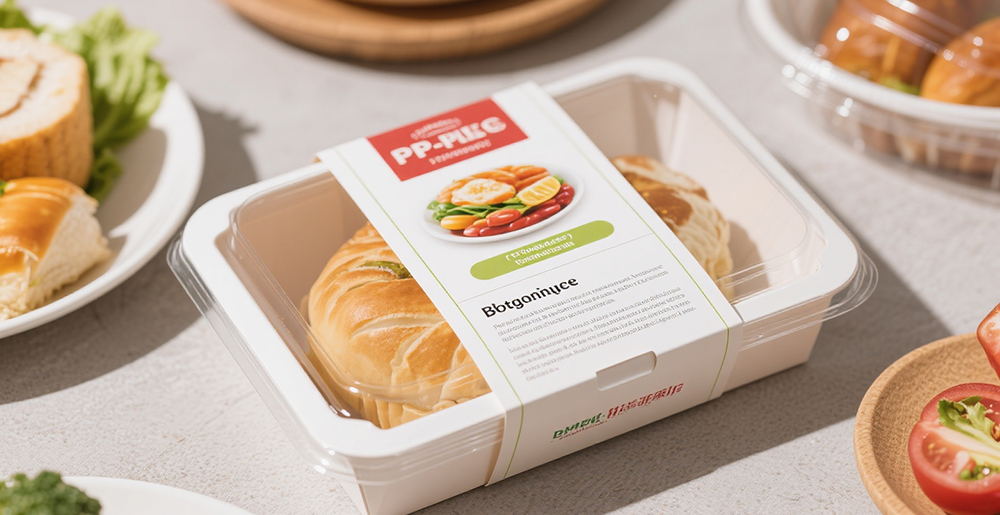
In many parts of the Middle East and Africa, packaging decisions are shaped more by operational realities than environmental marketing trends.
Food safety, transportation durability, and cost control are often top priorities.
Hot climate conditions also affect packaging selection. Materials must handle heat exposure during transportation and storage without losing performance.
At the same time, many businesses operate under strong price pressure, making affordable packaging essential for restaurants, supermarkets, street food vendors, and food distributors.
Although environmental awareness is growing, recycling systems are still developing unevenly across different regions.
This means countries in these markets often prioritize practical packaging improvements such as:
- Lightweight packaging
- Improved recyclability
- Better transportation efficiency
- Reduced material waste
- Durable reusable systems where practical
PP food packaging remains especially important because it combines affordability with strong functionality for high-volume foodservice applications.
The Global Debate: Recyclable, Compostable, or Reusable?
One of the biggest global packaging debates today is whether recyclable, compostable, or reusable systems represent the best long-term solution.
Different countries are supporting different approaches depending on their infrastructure and policy priorities.
| Packaging Strategy | Best Fit |
|---|---|
| Recyclable PP/PET packaging | Strong recycling infrastructure |
| Compostable PLA packaging | Industrial composting systems |
| Reusable packaging systems | Dense urban event and foodservice markets |
| Lightweight disposable packaging | Cost-sensitive high-volume economies |
This is why packaging discussions are becoming more infrastructure-focused rather than material-focused alone.
For example, compostable PLA packaging may work effectively in countries with industrial composting facilities, but offer limited environmental benefit in regions where composting infrastructure does not exist.
Similarly, reusable systems may succeed in controlled event environments or dense urban areas but remain difficult for long-distance takeaway delivery systems.
Increasingly, governments are realizing that packaging success depends less on ideal sustainability claims and more on whether materials fit local waste management realities.
How Packaging Manufacturers Are Adapting
As regulations become more complex, packaging manufacturers are moving away from single-material strategies.
Instead of promoting only one type of packaging, many suppliers now offer combinations of:
- Recyclable PP packaging
- PET and rPET containers
- Compostable PLA products
- Reusable foodservice solutions
- Lightweight mono-material structures
This flexibility allows manufacturers to adapt to regional regulations and customer needs more effectively.
For companies like DASHAN, the challenge is no longer simply producing packaging at scale. Manufacturers must now balance:
- Cost efficiency
- Food safety
- Sustainability requirements
- Recycling compatibility
- Transportation performance
- Regional compliance standards
Global buyers are increasingly searching for suppliers that understand how packaging expectations differ across markets.
The Future of Packaging Waste Management
The future of packaging waste management will likely become more region-specific rather than globally standardized.
Countries are increasingly developing policies based on their own infrastructure capabilities, consumer habits, and economic realities.
Several long-term trends are becoming clear:
- Lightweight packaging will continue growing
- Recyclability will remain a major priority
- Packaging traceability and reporting requirements will expand
- Recycled material demand will increase
- Flexible multi-material packaging strategies will become more common
Rather than replacing all existing materials immediately, many markets are likely to focus on improving packaging efficiency within existing systems.
This gradual transition may ultimately prove more practical and scalable than attempting universal packaging replacement strategies.
FAQ
1. Why do countries manage packaging waste differently?
Countries have different recycling systems, economic conditions, environmental policies, and consumer behaviors, which influence how packaging waste is regulated and managed.
2. Why does Europe focus heavily on recyclable packaging?
Europe has advanced recycling infrastructure and strong circular economy policies, encouraging mono-material and recyclable packaging systems.
3. Why is affordable plastic packaging still important in many countries?
In many emerging markets, affordable packaging supports food safety, transportation efficiency, hygiene, and large-scale food distribution.
4. What packaging materials are most commonly used globally?
PP, PET, and rPET remain among the most widely used packaging materials because they offer durability, scalability, lightweight transportation, and recyclability.
5. Why do some countries support compostable packaging while others do not?
Compostable packaging works best in regions with industrial composting infrastructure. Countries without these systems may prioritize recyclable packaging instead.
6. What is mono-material packaging?
Mono-material packaging uses a single material structure, making recycling easier and improving waste sorting efficiency.
7. How is food delivery affecting packaging waste globally?
The growth of takeaway meals, e-commerce, and delivery services has significantly increased global demand for disposable food packaging.
8. How are manufacturers like DASHAN adapting to global packaging trends?
Manufacturers are offering flexible packaging solutions including recyclable PP and PET packaging, reusable products, lightweight designs, and customized packaging that comply with regional regulations.
Conclusion
Packaging waste is a global challenge, but countries approach it differently because their economic conditions, infrastructure systems, consumer habits, and environmental priorities are not the same.
Europe focuses heavily on circular economy regulation and recyclability. North America combines corporate sustainability with convenience-driven consumption. Asia balances rapid urban growth with recycling expansion, while many Middle Eastern and African markets continue prioritizing affordability and practical food packaging performance.
These differences show that successful packaging strategies depend on realistic local solutions rather than one-size-fits-all sustainability narratives.
For manufacturers like DASHAN, understanding these global differences is becoming essential. The future of food packaging will depend not only on developing new materials, but also on creating packaging systems that fit the real operational needs of different countries and industries around the world.