

Quick Summary
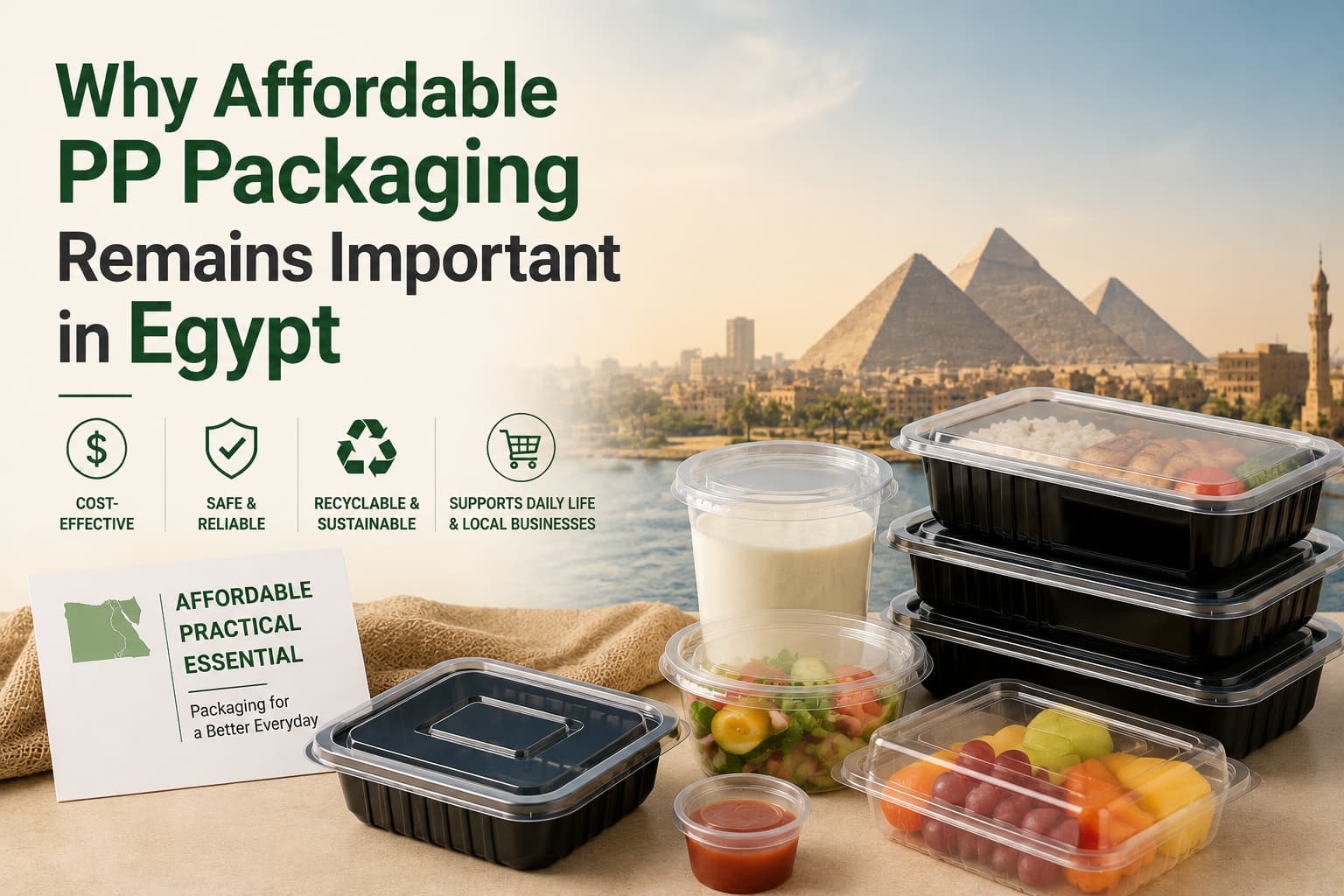
Affordable PP packaging remains essential in Egypt because the country’s food industry depends heavily on cost-efficient, durable, and heat-resistant packaging solutions. With growing demand from takeaway meals, food delivery services, supermarkets, and street food vendors, businesses prioritize packaging that performs reliably under high-volume and price-sensitive conditions. While sustainability is becoming more important, recyclable PP packaging continues to offer a practical balance between affordability, food safety, logistics efficiency, and scalability for Egypt’s evolving food market.
In many global packaging discussions today, sustainability often dominates the conversation. Compostable materials, biodegradable plastics, and carbon reduction targets receive significant attention from governments and multinational brands. However, in markets like Egypt, the reality of food packaging is shaped less by trends and more by practicality. For restaurants, supermarkets, food vendors, and distributors, packaging must first solve operational problems: controlling costs, protecting food, handling heat, and surviving transportation conditions.
This is one of the main reasons why affordable PP packaging continues to play such an important role in Egypt’s food industry.
As one of the largest consumer markets in the Middle East and North Africa, Egypt has a rapidly growing demand for takeaway meals, ready-to-eat foods, fresh produce packaging, and food delivery services. At the same time, inflation pressure and cost sensitivity remain major challenges for businesses across the food supply chain. Under these conditions, packaging decisions are often driven by durability, efficiency, and affordability rather than marketing-driven sustainability narratives alone.
For food packaging manufacturers like DASHAN, Egypt represents an example of how emerging markets prioritize practical packaging performance while still gradually moving toward more sustainable solutions.
Egypt’s Food Market Depends on High-Volume Packaging
Egypt’s food industry operates at enormous daily volume. From local street food vendors and bakeries to supermarkets and fast-growing delivery platforms, disposable food packaging has become deeply integrated into everyday business operations.
Unlike premium packaging markets that focus heavily on aesthetics or luxury presentation, many Egyptian food businesses prioritize packaging that can handle continuous use at a manageable cost.
This is especially important because many food sellers operate with tight margins. Even a small increase in packaging cost can significantly affect profitability when multiplied across thousands of meals per day.
| Market Condition in Egypt | Packaging Requirement |
|---|---|
| Large takeaway food market | Affordable disposable containers |
| Cost-sensitive consumers | Low-cost packaging solutions |
| High daily food volumes | Reliable mass production |
| Fast-moving foodservice operations | Lightweight and stackable packaging |
At the same time, Egypt’s urban growth and expanding food delivery sector are increasing demand for packaging that is both durable and easy to transport.
Why PP Packaging Fits Egypt’s Market Conditions
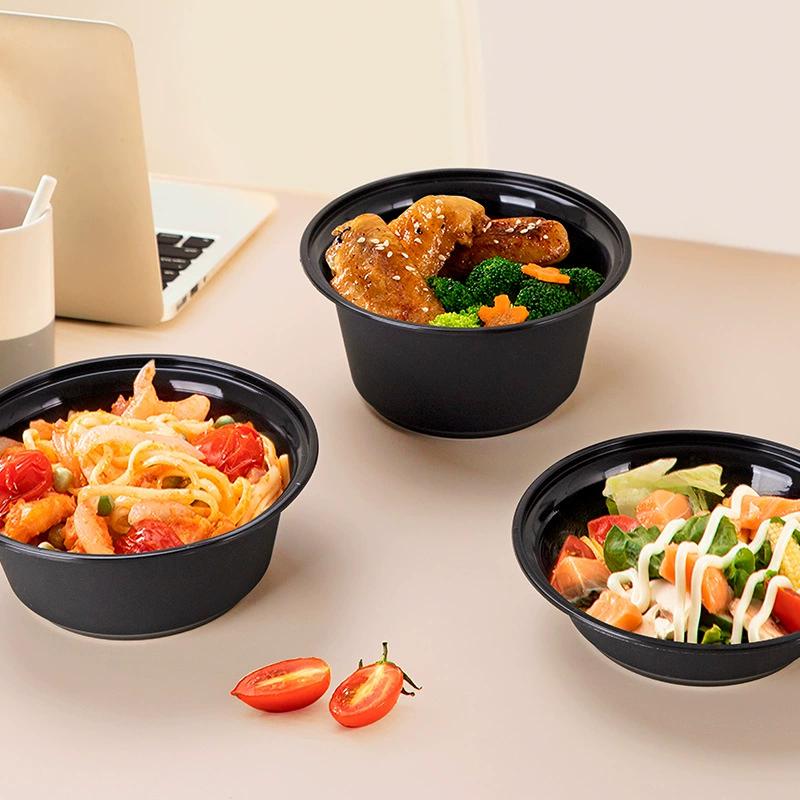
Polypropylene, commonly known as PP, remains one of the most practical packaging materials for Egypt’s foodservice industry because it balances cost, functionality, and production efficiency.
PP containers are widely used for takeaway meals, rice dishes, grilled foods, soups, sauces, bakery products, and microwaveable ready meals. One of the material’s biggest advantages is its heat resistance. Many Egyptian dishes are served hot, and food packaging must maintain structural stability during filling, transportation, and reheating.
Compared with some alternative materials, PP also provides strong durability while remaining lightweight.
| PP Packaging Advantage | Business Benefit |
|---|---|
| Heat resistance | Suitable for hot meals and reheating |
| Lightweight structure | Lower transportation costs |
| Durable material | Reduced leakage and damage |
| Affordable production cost | Better margin control for food businesses |
In many cases, food businesses are less concerned with whether packaging sounds environmentally advanced and more focused on whether it works consistently under real operating conditions.
This practical mindset explains why PP packaging remains dominant across much of Egypt’s food packaging market.
Cost Still Shapes Packaging Decisions
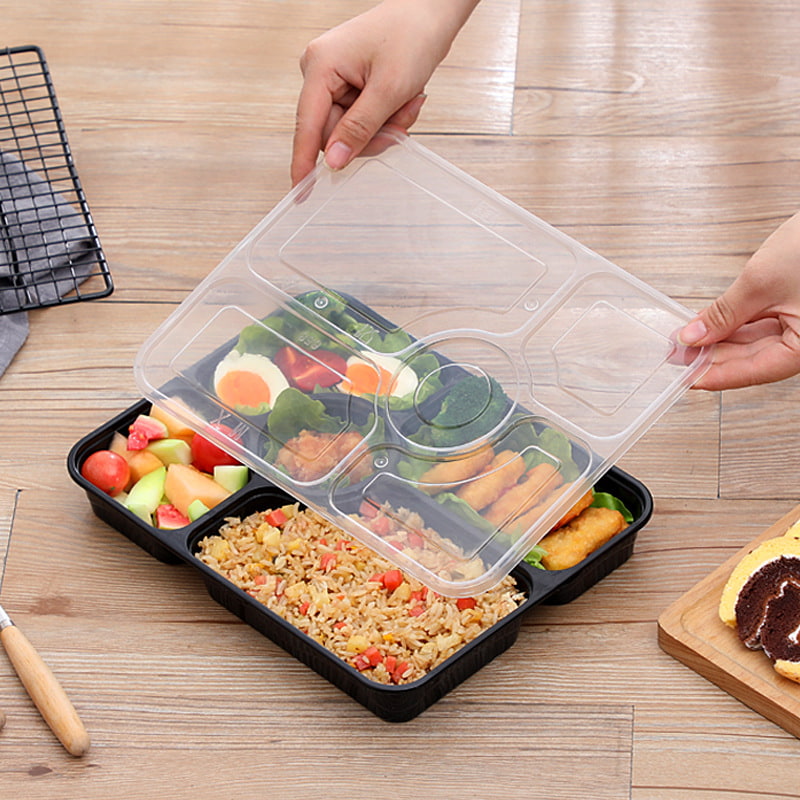
One of the biggest differences between emerging and developed packaging markets is how strongly cost affects purchasing behavior.
In Europe or parts of North America, some brands can absorb higher packaging costs in exchange for stronger sustainability positioning. In Egypt, however, many businesses operate in highly competitive environments where pricing directly affects customer retention.
As a result, packaging buyers often evaluate products based on several practical questions:
- Can the packaging handle hot food safely?
- Is it affordable at large scale?
- Can it survive transportation without leakage?
- Does it stack efficiently during storage and delivery?
- Is the supply stable and consistent?
This environment makes sudden transitions to expensive alternative materials difficult for many businesses.
Compostable packaging, for example, often costs significantly more than traditional PP packaging. In addition, industrial composting infrastructure remains limited in many regions, reducing the practical environmental benefits of some alternative materials.
For many Egyptian food businesses, recyclable and affordable PP packaging currently offers a more realistic balance between performance and sustainability.
Egypt’s Climate Also Influences Packaging Demand
Climate conditions are another important factor supporting PP packaging demand in Egypt.
High temperatures can create challenges for food transportation and storage, especially during long delivery times or in busy urban areas. Packaging materials with weak heat resistance may deform, leak, or lose structural strength under these conditions.
PP performs relatively well in hot food applications and remains stable across a wide temperature range, making it suitable for many common foodservice uses.
This becomes especially important for:
- Hot takeaway meals
- Microwaveable foods
- Delivery packaging
- Prepared meal containers
- Street food applications
In practical foodservice environments, packaging reliability directly affects food quality and customer satisfaction.
Food Delivery Growth Is Increasing Packaging Consumption
Egypt’s food delivery and takeaway sectors have expanded significantly in recent years. More restaurants, cafes, and fast-food businesses now depend on disposable food packaging to support delivery operations.
This growth is increasing demand for products such as:
| Food Sector | Common PP Packaging |
|---|---|
| Restaurants | Microwaveable meal containers |
| Delivery services | Leak-resistant takeaway boxes |
| Supermarkets | Fresh food trays and deli containers |
| Beverage shops | PP cups and lids |
| Street food vendors | Hinged food containers |
As food delivery volumes continue rising, businesses increasingly require packaging that is lightweight, stackable, and cost-efficient while still protecting food during transportation.
This is another area where PP packaging performs strongly compared with many alternative materials.
Sustainability Is Still Important — But in a Different Way
Although affordability remains a priority in Egypt, sustainability is still becoming part of the packaging conversation. However, the market often approaches sustainability more practically than ideologically.
Instead of immediately replacing all plastics, many businesses are focusing on:
- Lightweight packaging to reduce material usage
- Recyclable mono-material packaging
- Improved production efficiency
- Better waste collection systems
- Reducing unnecessary packaging layers
This gradual approach reflects the economic realities of emerging markets.
Recyclable PP packaging fits into this transition because it already has established production systems, relatively stable pricing, and compatibility with existing recycling processes in many regions.
As environmental awareness continues growing, Egypt’s packaging industry will likely move toward more recyclable and resource-efficient solutions rather than abrupt material replacement.
What Overseas Packaging Suppliers Should Understand
For overseas manufacturers, Egypt represents a market where operational practicality matters as much as sustainability positioning.
Buyers are increasingly searching for suppliers that can provide:
- Stable product quality
- Competitive pricing
- Reliable delivery schedules
- Flexible customization options
- Durable food packaging designs
Low price alone is no longer enough. Packaging must also perform consistently in demanding foodservice environments.
For manufacturers like DASHAN, this creates opportunities to supply affordable PP food packaging solutions that combine functionality, durability, and scalable production capacity.
As Egypt’s food industry continues expanding, suppliers capable of supporting large-volume packaging demand while maintaining quality standards are likely to become increasingly valuable.
The Future of PP Packaging in Egypt
Egypt’s packaging market is expected to continue growing alongside urbanization, food delivery expansion, supermarket development, and changing consumer lifestyles.
In the near future, PP packaging will likely remain one of the country’s most important food packaging materials because it aligns closely with current market realities:
- Affordable production costs
- Reliable food protection
- Heat resistance
- Lightweight transportation efficiency
- Compatibility with large-scale foodservice operations
At the same time, sustainability requirements will gradually increase. The market will likely place greater emphasis on recyclable designs, lightweight packaging structures, and improved waste management systems.
Rather than replacing PP entirely, the industry is more likely to focus on making PP packaging more efficient, recyclable, and resource-conscious.
FAQ
1. Why is PP packaging widely used in Egypt?
PP packaging is affordable, durable, lightweight, and heat resistant, making it suitable for Egypt’s large takeaway and food delivery market.
2. What foods are commonly packaged in PP containers in Egypt?
PP containers are widely used for rice dishes, grilled foods, soups, bakery products, ready meals, and takeaway foods.
3. Why is heat resistance important in Egypt’s food packaging market?
Egypt’s hot climate and high demand for hot takeaway meals require packaging that can maintain shape and performance during transportation and reheating.
4. Is PP packaging recyclable?
Yes. PP is a recyclable plastic material and is increasingly being used in mono-material packaging systems to improve recycling efficiency.
5. Why haven’t alternative materials replaced PP packaging in Egypt?
Many alternative materials are more expensive and may require composting or recycling infrastructure that is still developing in some regions. PP remains more practical for large-scale foodservice operations.
6. How does food delivery growth affect packaging demand in Egypt?
The expansion of delivery apps and takeaway services has significantly increased demand for lightweight, leak-resistant, and stackable food packaging.
Conclusion
Affordable PP packaging remains important in Egypt because it solves practical challenges faced by the country’s food industry every day. In a market shaped by high food volumes, cost sensitivity, hot climate conditions, and expanding delivery services, packaging must deliver reliable performance at scale.
While sustainability discussions continue influencing global packaging trends, Egypt demonstrates that real-world packaging decisions are often driven by operational efficiency and economic practicality. Recyclable PP packaging continues to offer a balance of affordability, durability, heat resistance, and logistics efficiency that many businesses still depend on.
For manufacturers like DASHAN, understanding these market realities is essential. The future of food packaging in emerging markets will not depend only on new materials, but on developing packaging solutions that are practical, scalable, and aligned with how businesses actually operate.