

Quick Summary
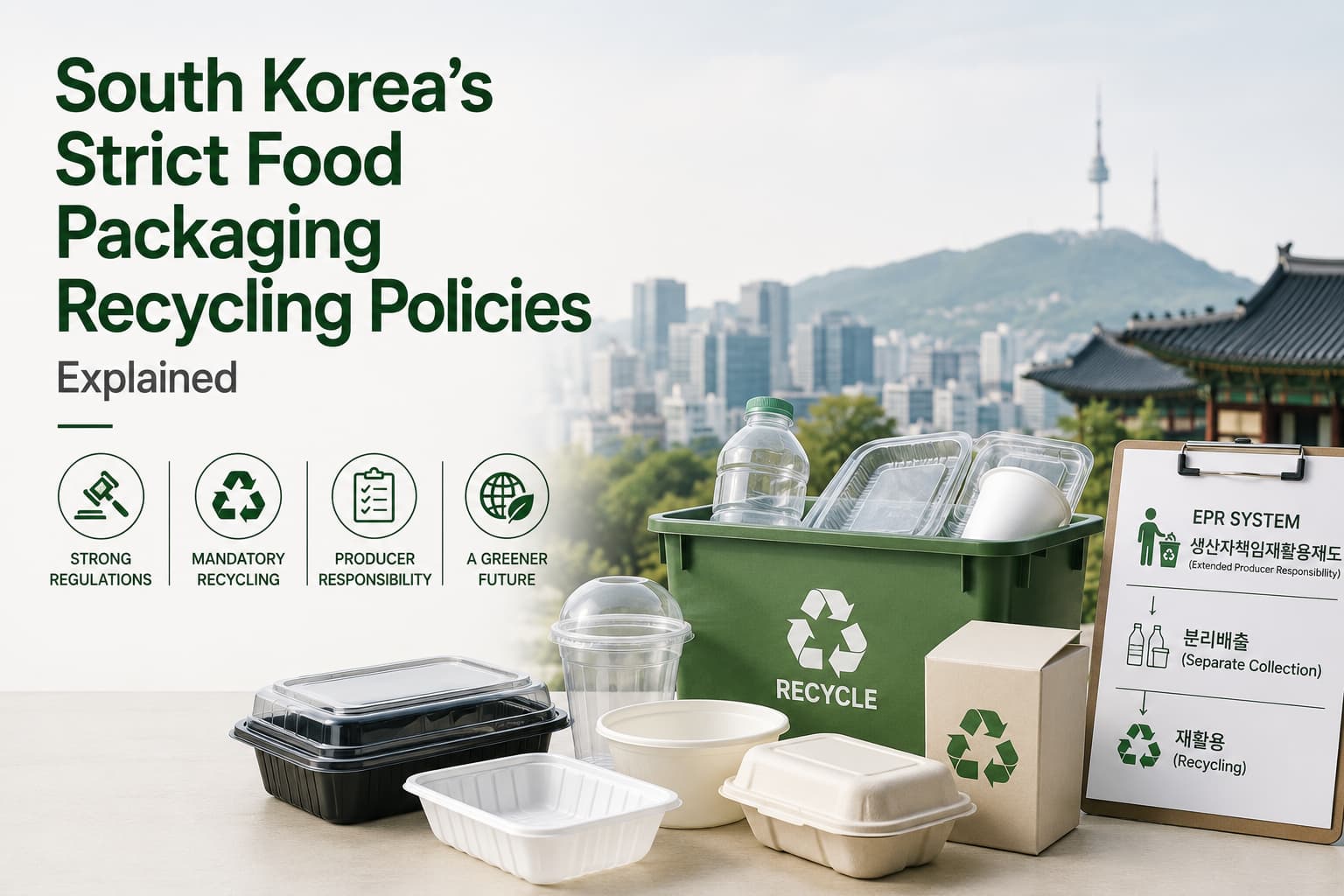
South Korea has introduced some of Asia’s strictest food packaging recycling policies to improve waste sorting efficiency and support its circular economy goals. The regulations encourage recyclable PP, PET, and rPET packaging while restricting difficult-to-recycle materials such as complex multilayer plastics and black containers. As Korean buyers increasingly prioritize recyclability, lightweight structures, and compliance documentation, global food packaging manufacturers like DASHAN are adapting by developing mono-material, recycling-friendly packaging solutions that balance sustainability, food safety, and commercial performance.
South Korea has become one of the most influential countries in Asia when it comes to food packaging recycling policies. As food delivery, convenience stores, and ready-to-eat meals continue to grow, the country is facing increasing pressure to reduce packaging waste and improve recycling efficiency. Instead of simply limiting plastic use, South Korea is focusing on making packaging easier to recycle through stricter material standards, labeling systems, and recyclability evaluations.
For food packaging manufacturers, importers, and suppliers, these policies are reshaping how PP, PET, and rPET packaging is designed and produced. Companies entering the Korean market now need to consider not only packaging performance and cost, but also recyclability and environmental compliance.
Why South Korea Tightened Packaging Regulations
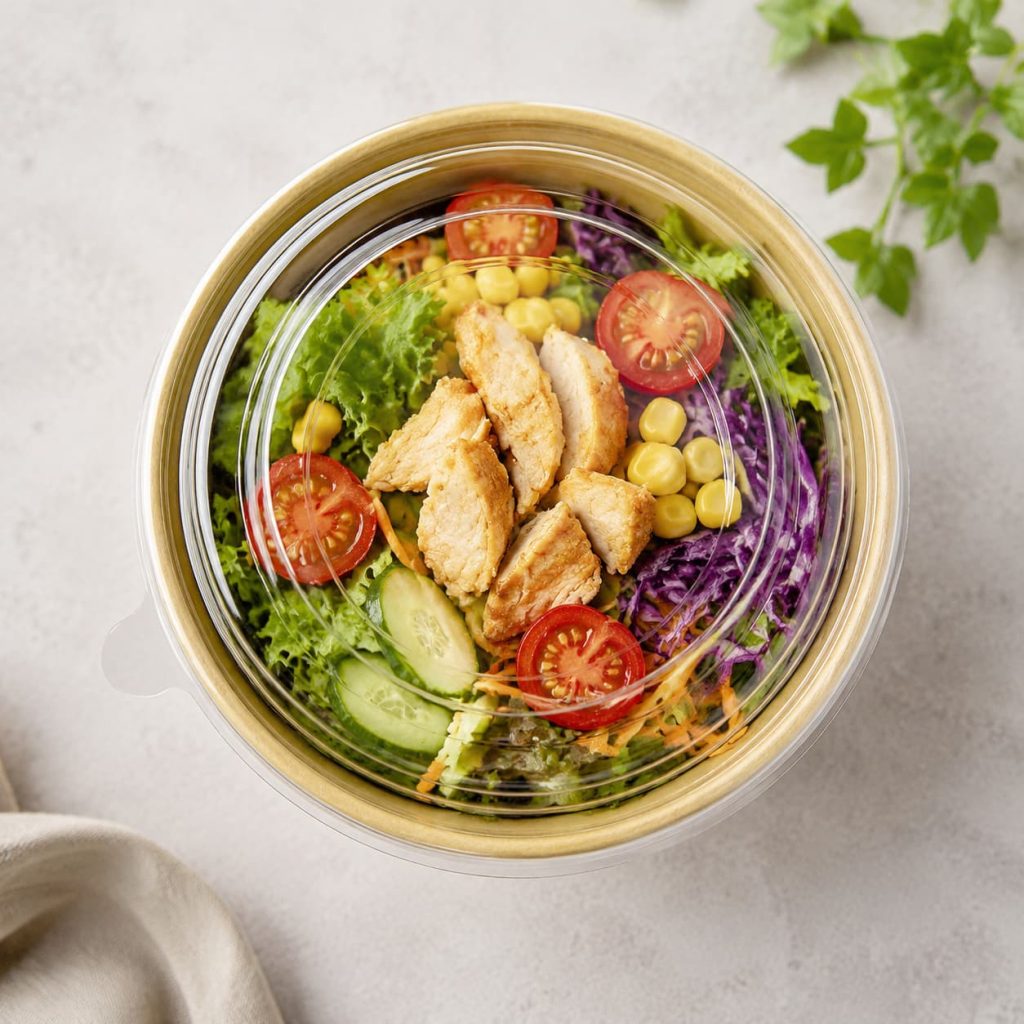
The rapid growth of takeaway food and delivery platforms significantly increased the use of disposable food containers, cups, trays, lids, and films. While South Korea already had a relatively advanced recycling culture, many packaging formats remained difficult to sort and recycle efficiently.
In response, the government introduced stricter recycling policies as part of its broader circular economy and carbon reduction goals. Korean consumers have also become more environmentally conscious, encouraging retailers and food brands to adopt more sustainable packaging solutions.
| Main Driver | Industry Impact |
|---|---|
| Growth of food delivery | More single-use packaging waste |
| Carbon neutrality targets | Promotion of recyclable materials |
| Consumer environmental awareness | Higher demand for sustainable packaging |
| Recycling efficiency concerns | Restrictions on difficult-to-recycle materials |
Rather than eliminating plastic completely, the Korean market is encouraging better packaging design and improved recyclability.
Korea’s Packaging Recycling Grading System
One of South Korea’s most important policies is its packaging recyclability grading system. Packaging materials are evaluated based on how easily they can be collected, sorted, and recycled.
Packaging is generally classified into four categories:
- Best recyclable
- Good recyclable
- Normal recyclable
- Difficult to recycle
Several factors affect the final recyclability grade:
| Evaluation Factor | Why It Matters |
|---|---|
| Material structure | Mono-material packaging is easier to recycle |
| Packaging color | Transparent materials sort more efficiently |
| Labels and adhesives | Difficult-to-remove labels reduce recycling quality |
| Multi-layer materials | Complex structures are harder to process |
| Food contamination | Residue affects recycled material quality |
One major trend is the reduction of black plastic packaging because optical sorting systems often struggle to detect carbon-black materials. As a result, transparent PET trays and natural-color PP containers are becoming more common in Korea’s retail and foodservice industries.
How the Policies Are Changing Food Packaging Design
South Korea’s regulations are accelerating the shift toward mono-material packaging, especially PP and PET solutions. Simplified packaging structures improve recycling efficiency and reduce processing complexity.
At the same time, brands are focusing more on lightweight packaging to reduce material usage, transportation costs, and carbon emissions.
| Traditional Packaging Trend | Current Market Direction |
|---|---|
| Multi-material structures | Mono-material packaging |
| Dark-colored containers | Transparent or natural-color packaging |
| Heavy packaging | Lightweight designs |
| Cost-focused production | Recyclability-focused development |
For manufacturers, packaging design now involves more than appearance and functionality. Recyclability has become part of the product development process.
Why PP and PET Packaging Remain Important
 |
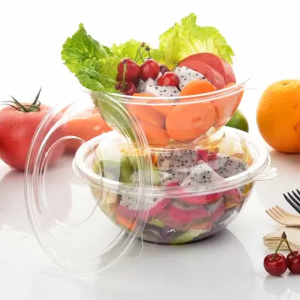 |
Despite stricter environmental regulations, plastic packaging continues to play a major role in South Korea’s food industry. Materials such as PP and PET remain widely used because they provide strong sealing performance, food safety, moisture resistance, and transportation durability.
The difference is that the market now prefers packaging that is easier to recycle.
This has increased demand for:
- Mono-material PP containers
- Transparent PET trays
- Lightweight food packaging
- Easy-to-remove labels
- Recyclable lid and container systems
For manufacturers like DASHAN, this creates opportunities to develop packaging solutions that balance sustainability, functionality, and commercial performance.
The Growing Role of rPET

South Korea is also encouraging the use of recycled materials, especially rPET. Many brands are trying to reduce virgin plastic usage and improve ESG performance through recycled packaging applications.
However, food-grade recycled materials still face challenges related to cost, quality consistency, and food-contact compliance.
| Opportunity | Challenge |
|---|---|
| Increasing demand for rPET | Higher material costs |
| Stronger ESG positioning | Stable recycled resin supply |
| Reduced virgin plastic usage | Strict food safety requirements |
As recycling systems continue improving, demand for high-quality recyclable and recycled packaging is expected to grow further.
What Overseas Suppliers Should Understand
Korean buyers are becoming more selective about packaging suppliers. Price remains important, but recyclability, compliance, and long-term sustainability are now major purchasing factors.
Importers increasingly look for suppliers that can provide:
- Recyclable packaging structures
- Compliance documentation
- Stable material quality
- Lightweight packaging solutions
- Sustainable product development support
For DASHAN and other global manufacturers, adapting to these trends is becoming essential for long-term competitiveness.
FAQ
1. Why is South Korea strict about food packaging recycling?
South Korea generates large volumes of packaging waste due to its strong food delivery and convenience retail industries. The government introduced stricter recycling policies to improve waste management efficiency, reduce landfill pressure, and support carbon neutrality goals.
2. What packaging materials are commonly accepted in Korea’s recycling system?
Recyclable PP, PET, and rPET packaging are widely preferred because they are easier to sort and process within Korea’s recycling infrastructure.
3. Why are black plastic food containers becoming less popular in Korea?
Many recycling facilities use optical sorting systems that cannot easily detect carbon-black plastics. Transparent PET trays and natural-color PP containers are therefore considered more recycling-friendly.
4. What is mono-material food packaging?
Mono-material packaging uses a single material structure instead of combining multiple layers or different plastics. This makes recycling easier and improves recyclability ratings.
5. How do Korea’s recycling policies affect overseas packaging suppliers?
Exporters and manufacturers supplying Korea increasingly need to provide recyclable packaging designs, compliance documents, food-contact safety certifications, and sustainable packaging solutions.
6. Is plastic packaging still widely used in South Korea?
Yes. Plastic packaging remains important because of its food safety, sealing performance, durability, and transportation efficiency. The focus is now on improving recyclability rather than completely eliminating plastic.
Conclusion
South Korea’s strict food packaging recycling policies are changing how food packaging is designed and evaluated across Asia. The country’s focus on recyclability, lightweight materials, and circular economy development is pushing the industry toward more sustainable packaging systems.
At the same time, the market shows that plastic packaging still has an important role when designed responsibly. Recyclable PP, PET, and rPET packaging continue to grow because they offer the balance of food safety, performance, and recycling compatibility required by modern food industries.
For packaging manufacturers like DASHAN, these changes represent an opportunity to provide smarter, recycling-friendly packaging solutions that meet the evolving demands of global markets.
References
- Korea Ministry of Environment
- Korea Environment Corporation
- OECD Environment Policy – Korea
- UN Environment Programme – Plastic Pollution
- Ellen MacArthur Foundation – Circular Economy for Packaging
Copyright Statement
© 2026 Dashan Packing. All rights reserved.
This article is an original publication by the Dashan Packing team based on industry research, market analysis, and packaging expertise. Unauthorized reproduction, distribution, or copying of this content is prohibited without prior written permission.
Dashan Packing is committed to delivering reliable, original, and professional information for the global food packaging industry.