

Quick Summary
France’s decision to delay the plastic cup ban until 2030 highlights a critical reality in food packaging: replacing plastic is far more complex than expected. While materials like paper, PLA, and bagasse are often seen as sustainable alternatives, they still face major challenges in performance, infrastructure, and scalability.
In real takeaway scenarios, packaging must withstand heat, liquids, and transport stress—areas where traditional plastics like PP still outperform many alternatives. At the same time, France’s circular economy strategy continues to push toward long-term plastic reduction, creating pressure for innovation and adaptation.
For packaging buyers and food businesses, the key takeaway is clear: successful packaging solutions must balance regulatory compliance, real-world performance, and cost efficiency—not just sustainability claims.
A Deep Dive into Policy, Material Limitations, and Market Reality
Introduction
France has been at the forefront of Europe’s transition toward a circular economy, positioning itself as one of the most aggressive regulators in reducing single-use plastics. Through its Anti-Waste Law for a Circular Economy (AGEC), the country committed to eliminating single-use plastic packaging by 2040, setting clear milestones across multiple product categories.
Among these, single-use plastic cups became a symbolic and strategic target. They are highly visible, widely used, and often perceived as easily replaceable. On paper, banning them seemed straightforward.
However, the French government ultimately postponed the full implementation of the plastic cup ban until 2030.
This delay is not a retreat—it is a recalibration.
It reveals a fundamental gap between policy ambition and industrial reality.
To understand this decision, it is necessary to go beyond surface-level explanations and examine the technical, economic, and systemic constraints that define modern food packaging.
Policy Context: France’s Circular Economy Strategy
France’s regulatory framework is not isolated—it is part of a broader European shift toward sustainability.
Core Objectives of the AGEC Law
- Reduction of single-use plastics
- Promotion of reuse systems
- Increased recycled content in packaging
- Development of closed-loop material cycles
Timeline Overview
| Target | Policy Direction |
|---|---|
| 2021–2025 | Ban selected single-use plastic items |
| 2025–2030 | Expand restrictions and material requirements |
| 2040 | Eliminate most single-use plastic packaging |
Plastic cups were expected to be phased out earlier, particularly in takeaway and foodservice environments. However, policymakers encountered structural barriers that made immediate enforcement impractical.
The Core Problem: Packaging Is a System, Not Just a Material
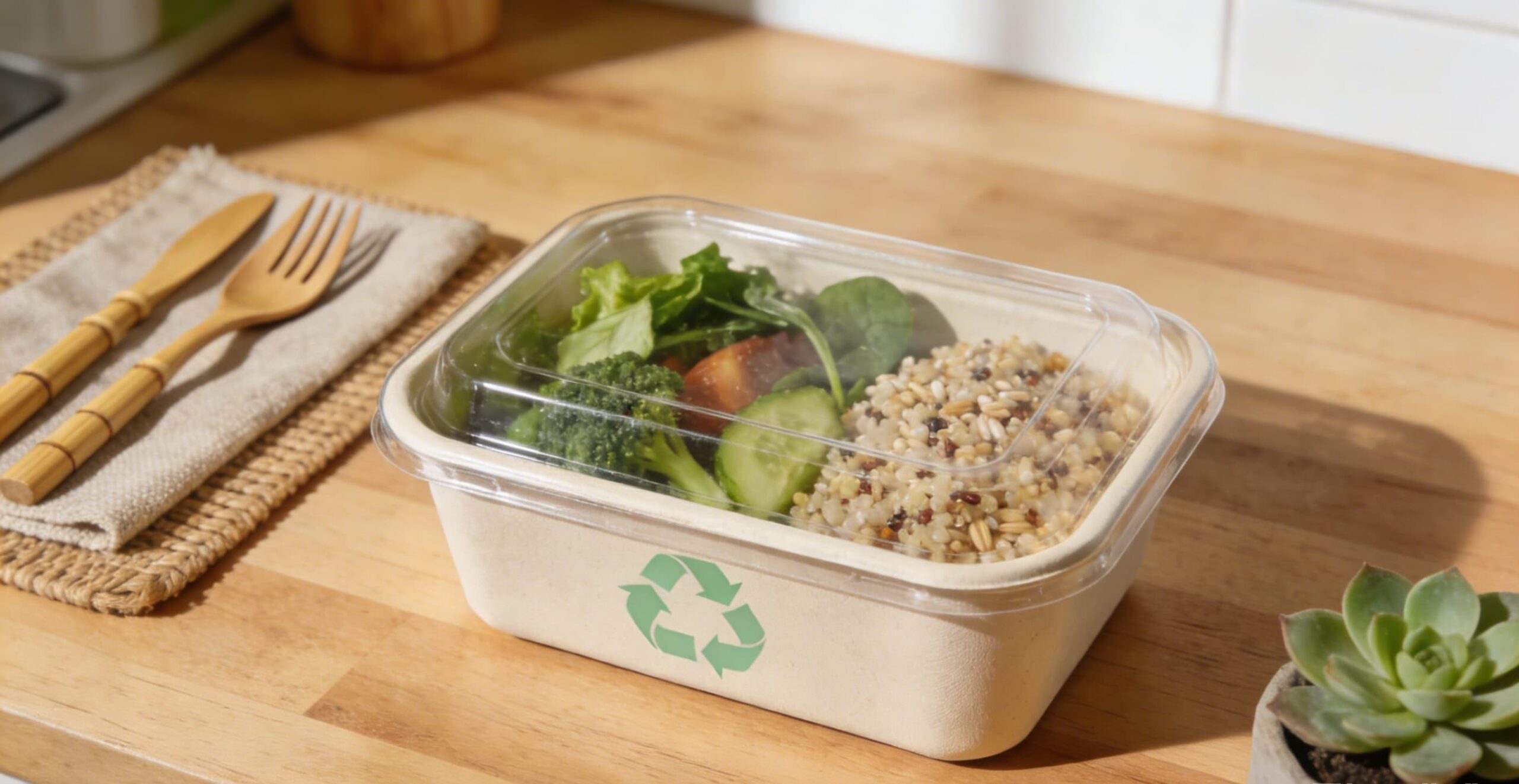
One of the biggest misconceptions in sustainability discussions is the assumption that packaging can be replaced simply by switching materials.
In reality, food packaging operates within a complex system involving:
- Material science
- Food chemistry
- Logistics and transport
- Consumer behavior
- Waste management infrastructure
Changing one variable—such as material—affects the entire system.
This systemic complexity is the primary reason behind the delay.
1. Material Substitution Is Not Functionally Equivalent
At a technical level, plastic (especially PP and PET) offers a combination of properties that is difficult to replicate:
- Low permeability to liquids
- High thermal stability
- Structural integrity under stress
- Chemical inertness with food
Why Alternatives Struggle
Most alternative materials fail to match this multi-dimensional performance.
Paper-Based Cups
Paper cups are often perceived as “plastic-free,” but this is misleading.
- They require polyethylene or biopolymer lining to prevent leakage
- Without lining, they absorb liquid and lose structural integrity
- With lining, they become difficult to recycle
👉 This creates a paradox:
A “paper” cup often still contains plastic—but is harder to recycle than pure plastic.
PLA (Polylactic Acid)
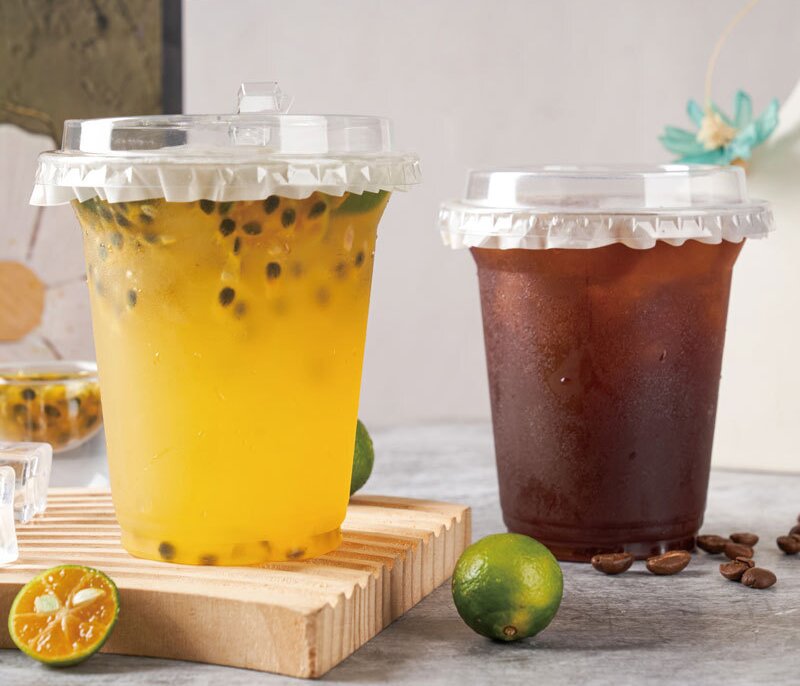
PLA (polylactic acid) is a bio-based polymer derived from renewable resources such as corn starch or sugarcane. It is widely used in food packaging due to its compostability and reduced reliance on fossil-based plastics, making it an important material in Europe’s sustainability transition.
Technical Advantages:
- Derived from renewable raw materials
- Industrially compostable under controlled conditions
- High clarity (comparable to PET in some applications)
- Suitable for cold beverages, desserts, and fresh food packaging
Performance Considerations:
PLA’s performance depends heavily on formulation and application design:
- Standard PLA has a relatively low heat resistance (~55–60°C), but modified PLA (CPLA) can significantly improve thermal stability
- Barrier performance is moderate and may require structural optimization
- Requires industrial composting infrastructure, which is still developing in many regions
Practical Industry Insight:
In real-world applications, PLA performs well when:
- Used in cold or ambient food scenarios
- Combined with appropriate structural design
- Integrated into systems where composting or waste separation is supported
PLA is not a direct replacement for all plastic applications—but when correctly applied, it is a highly effective material for sustainable packaging solutions.
Bagasse (Sugarcane Fiber)
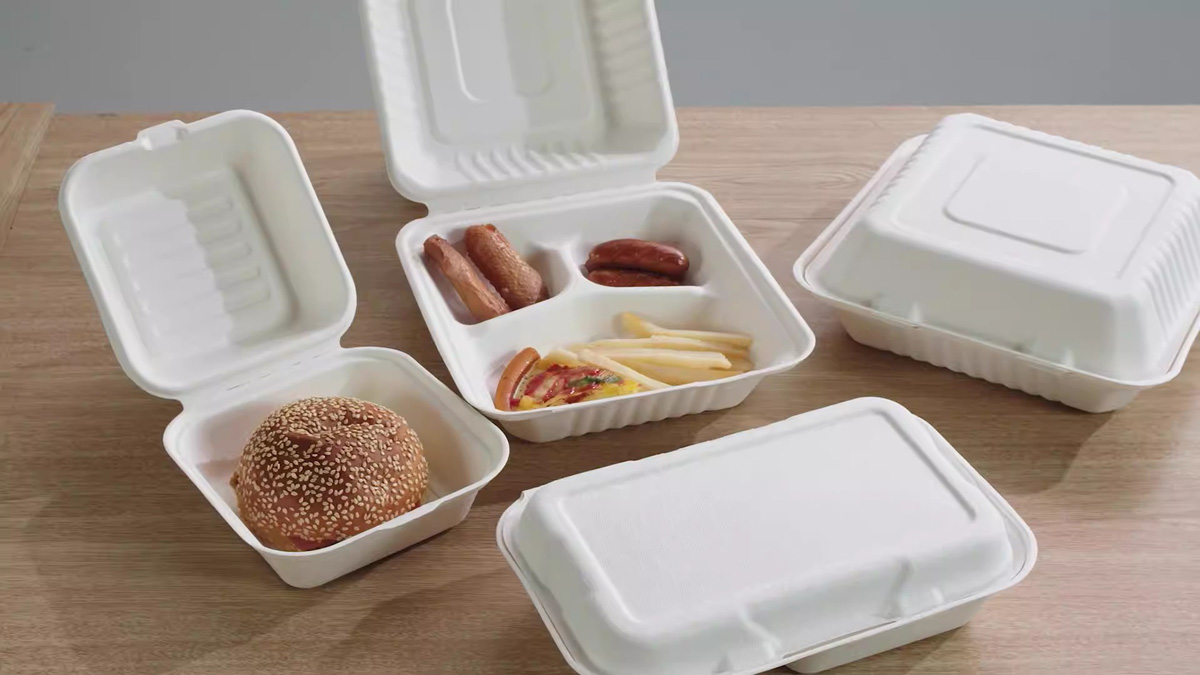
Bagasse is a natural fiber material derived from sugarcane processing waste. It has become increasingly popular in France and across Europe due to its renewable origin and strong environmental positioning.
Technical Advantages:
- Made from agricultural by-products
- Compostable and plastic-free in perception
- Good rigidity for molded food containers
- Suitable for hot food applications under moderate conditions
Performance Considerations:
As a fiber-based material, bagasse behaves differently from plastics:
- Naturally porous structure means lower resistance to liquids and oils
- Performance can be significantly improved through:
- Surface treatments
- Structural design (thickness, geometry)
- Long-duration liquid containment may still present challenges
Practical Industry Insight:
Bagasse performs effectively when:
- Used for dry or moderately moist foods
- Applied in short-duration takeaway scenarios
- Combined with optimized product design and manufacturing quality
Bagasse is not just an eco-friendly alternative—it is a material that requires proper engineering to deliver consistent performance.
At DASHAN, we work with multiple material systems—including PP, PLA, and bagasse—to ensure each packaging solution is matched to its real-world application, rather than relying on a single material approach.
2. Performance Failure in Real-World Conditions
Laboratory performance does not always translate to operational performance.
In real takeaway scenarios, cups must withstand:
- Temperature fluctuations
- Handling stress
- Lid pressure and stacking
- Transport vibrations
Failure Modes Observed
| Issue | Root Cause |
|---|---|
| Leakage | Weak barrier layer |
| Softening | Low heat resistance |
| Deformation | Structural weakness |
| Lid failure | Poor rigidity |
Even small failure rates become critical at scale.
A 1% failure rate in a system serving millions of cups translates into thousands of customer complaints.
3. Infrastructure Misalignment
A key factor behind the delay is the mismatch between material innovation and waste management systems.
Recycling Reality in France
- Recycling systems are optimized for established materials like PET and PP
- Multi-layer or composite materials are difficult to process
- Sorting technologies are not universally standardized
Composting Limitations
- Industrial composting facilities are limited
- Collection systems for compostables are inconsistent
- Consumer behavior is unpredictable
👉 Result:
Many “sustainable” materials do not achieve their intended environmental outcomes.
4. Economic Constraints Across the Value Chain
Transitioning away from plastic is not just a technical issue—it is an economic one.
Cost Impact Areas
- Raw material cost increase
- Equipment modification
- Supply chain adjustments
- Increased defect rates
For foodservice operators:
- Packaging is a high-volume, low-margin input
- Even small cost increases significantly impact profitability
Example Comparison
| Factor | Plastic (PP/PET) | Alternatives |
|---|---|---|
| Unit cost | Low | Medium–High |
| Defect risk | Low | Higher |
| Supply stability | High | Variable |
👉 Conclusion:
Many businesses cannot absorb the cost of rapid transition.
5. Supply Chain and Industrial Readiness
Even if alternatives exist, scaling them is a different challenge.
Key Issues:
- Limited production capacity
- Inconsistent quality standards
- Geographic supply constraints
This leads to:
- Supply volatility
- Longer lead times
- Increased procurement risk
For large-scale foodservice systems, consistency is critical.
What the Delay to 2030 Actually Means
The postponement reflects a shift from idealism to pragmatism.
Policy Adjustment, Not Reversal
France is acknowledging that:
- Technology is not yet fully mature
- Infrastructure is incomplete
- Industry requires transition time
The goal remains—but the timeline must align with reality.
The Continued Role of High-Performance Plastics
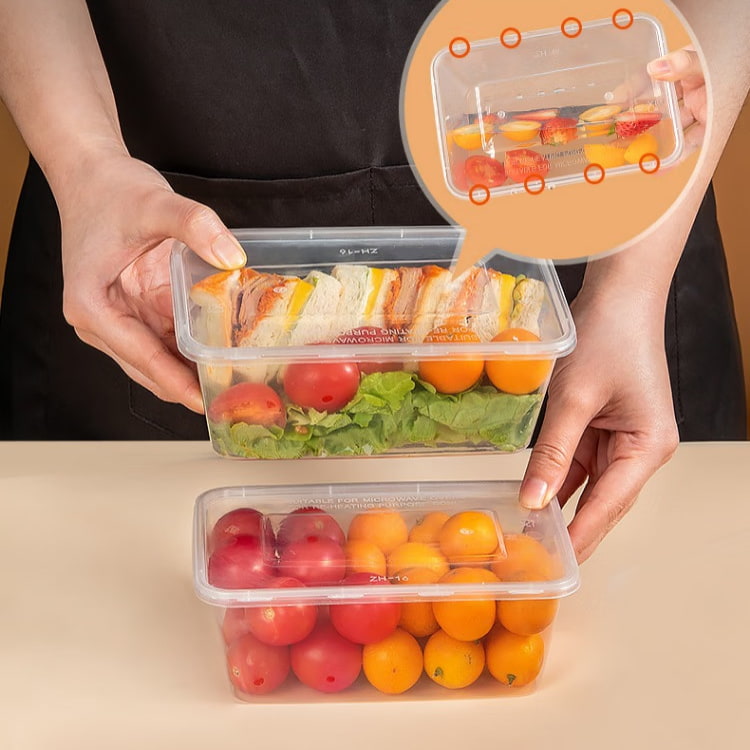
Materials like PP remain central to current packaging systems because they deliver:
- Reliable barrier performance
- Thermal stability
- Structural consistency
- Compatibility with existing recycling streams
Why PP Is Still Used
- It performs under real operational stress
- It integrates with current infrastructure
- It offers cost predictability
In practical terms, performance reliability often outweighs theoretical sustainability.
How DASHAN Helps Navigate This Transition
For buyers and brands, the real challenge is not choosing between “plastic” and “eco”—it is finding solutions that actually work.
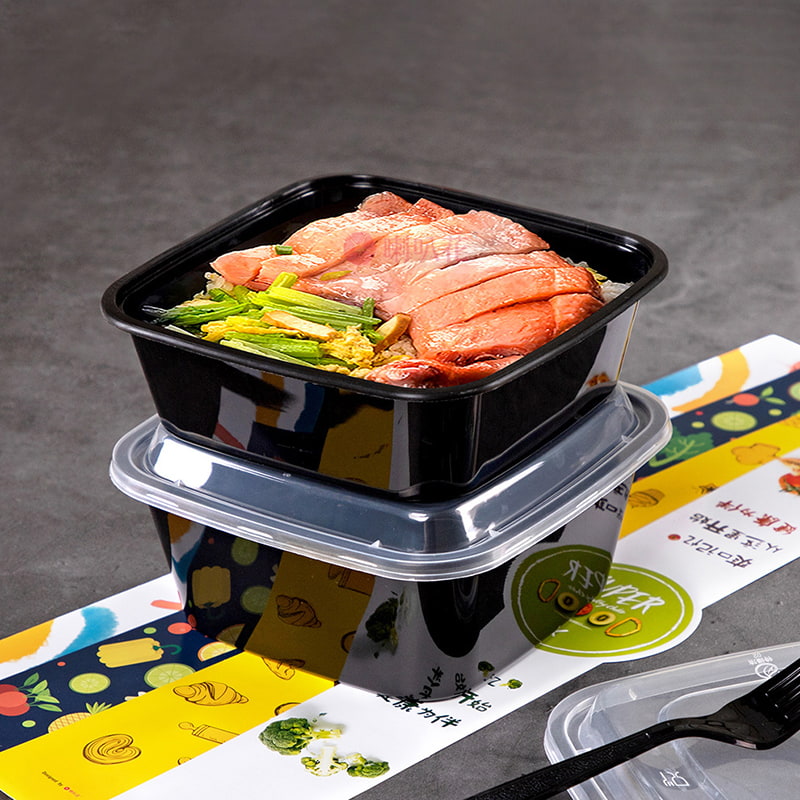
DASHAN’s Approach
DASHAN focuses on application-driven packaging engineering, including:
- Optimized PP material formulations
- Structural reinforcement for leak resistance
- Thickness and weight optimization
- Custom mold design for performance consistency
Practical Value for European Clients
- Reduced packaging failure rates
- Improved delivery performance
- Better cost control
- Compliance-ready solutions
Rather than offering generic products, DASHAN aligns packaging design with:
- Food type
- Usage scenario
- Regulatory expectations
Future Outlook: The Next Phase of Packaging Evolution
The delay to 2030 suggests a transitional decade rather than an immediate transformation.
Emerging Directions
1. Material Hybridization
Combining plastic with bio-based layers
2. Advanced Recycling Systems
Improved sorting and processing technologies
3. Performance-Oriented Sustainability
Focusing on real impact rather than perception
4. Design-Led Innovation
Improving packaging through structure, not just materials
FAQ
1. Why did France delay the plastic cup ban until 2030?
France delayed the ban due to the lack of scalable alternatives, performance limitations of eco materials, and insufficient recycling and composting infrastructure.
2. Are plastic cups still allowed in France?
Yes, plastic cups are still allowed under current regulations, but restrictions are increasing as part of France’s long-term goal to eliminate single-use plastics by 2040.
3. What are the main alternatives to plastic cups in France?
Common alternatives include paper cups, PLA (bioplastic), and bagasse. However, each has limitations in heat resistance, leak-proof performance, or recycling compatibility.
4. Are compostable cups better than plastic in France?
Not always. Compostable cups require specific industrial composting systems, which are not widely available. In many cases, they do not deliver better real-world environmental outcomes.
5. What is France’s long-term goal for packaging?
France aims to eliminate most single-use plastic packaging by 2040 as part of its circular economy strategy.
6. Why do many businesses still use PP packaging in France?
PP remains widely used because it provides reliable performance, strong heat resistance, and compatibility with existing recycling systems, making it practical for takeaway and foodservice.
7. What challenges do eco-friendly packaging materials face?
They often struggle with:
- Leakage and durability
- Heat resistance
- Limited infrastructure for disposal
- Higher costs
8. How can businesses choose the right packaging under French regulations?
Businesses should evaluate:
- Food type and usage conditions
- Regulatory compliance
- Material performance
- Total cost
Working with experienced suppliers like DASHAN helps ensure packaging solutions meet both regulatory and operational requirements.
Conclusion
France’s decision to delay the plastic cup ban highlights a critical reality:
Sustainability in packaging cannot be achieved through material substitution alone.
It requires alignment across:
- Materials
- Infrastructure
- Economics
- Consumer behavior
For businesses operating in this space, the key is not to follow trends blindly, but to adopt solutions that are:
- Technically viable
- Economically sustainable
- Operationally reliable
In this evolving landscape, companies that combine engineering expertise with real-world understanding—such as DASHAN—are best positioned to deliver packaging solutions that truly work.
References
Authoritative Sources
- French Government – Anti-Waste Law for a Circular Economy (AGEC)
https://www.ecologie.gouv.fr/loi-anti-gaspillage-economie-circulaire - French Ministry of Ecological Transition – Plastic Reduction Policy
https://www.ecologie.gouv.fr/politiques-publiques/lutte-contre-pollution-plastique - European Commission – EU Plastics Strategy
https://environment.ec.europa.eu/topics/plastics_en - European Environment Agency – Plastics and Circular Economy
https://www.eea.europa.eu/themes/waste/plastic-waste - Citeo (France Packaging Recycling Organization)
https://www.citeo.com - OECD – Global Plastics Outlook
https://www.oecd.org/environment/plastics/
Copyright Statement
© 2026 Dashan Packing. All rights reserved.
This article is an original work created by the Dashan Packing editorial team.
All text, data, and images are the result of our independent research, industry experience, and product development insights. Reproduction or redistribution of any part of this content without written permission is strictly prohibited.
Dashan Packing is committed to providing accurate, evidence-based information and to upholding transparency, originality, and compliance with global intellectual property standards.