

Introduction
The food packaging industry is a crucial component of the global supply chain, particularly as the world’s demand for packaged food products continues to grow. The packaging of food serves a variety of essential purposes: protecting food from contamination, extending shelf life, maintaining freshness, ensuring safe transport, and providing branding opportunities. With global food consumption rising, so too is the need for packaging that can meet stringent quality standards and support the transportation of food across international borders.
In recent years, food packaging manufacturers have faced several challenges, especially in the context of cross-border transportation. Global supply chains are increasingly complex, subject to various regulations, environmental concerns, logistical hurdles, and labor shortages. The need for efficient and sustainable packaging solutions is more critical than ever. This article will explore the key challenges in the global food packaging supply chain, specifically focusing on cross-border transportation. It will also highlight how packaging design and material innovation can help overcome these challenges, with a special emphasis on how Xiamen Dashan’s experience can offer valuable insights and solutions.

Section 1: Key Challenges in the Global Food Packaging Supply Chain
1.1 Shipping and Logistics Complexity
Cross-border transportation of food products is inherently complex, driven by numerous factors such as customs regulations, transportation methods, and international compliance standards. One of the most significant challenges lies in ensuring that food products arrive in a safe, intact, and fresh condition, particularly when shipping over long distances or in varying environmental conditions.
-
Customs and Regulations: Different countries have unique regulations regarding food safety and packaging requirements. For instance, some nations may demand specific certifications for packaging materials or mandate a certain type of food labeling. Non-compliance can result in delays, fines, or even the rejection of shipments, disrupting the flow of goods in the supply chain.
-
Environmental Impact: Another growing concern is the environmental footprint of packaging. As governments and consumers alike demand more sustainable packaging solutions, food packaging manufacturers face pressure to reduce waste and the carbon footprint of transportation. This issue becomes especially challenging during cross-border shipping, where packaging must not only meet national regulations but also adhere to international standards.
-
Packaging Damage During Transportation: Transporting food products over long distances, particularly through air or sea freight, subjects them to multiple risks—damage, exposure to moisture or extreme temperatures, or contamination. Fragile food products, like fresh produce or ready-to-eat meals, require specialized packaging to ensure they remain safe and intact throughout the journey.
1.2 Supply Chain Disruptions
Global supply chains have become increasingly volatile. Events such as the COVID-19 pandemic, natural disasters, political instability, and fluctuations in commodity prices have caused significant disruptions in the availability of raw materials for packaging. For instance, the shortage of plastic materials caused by factory shutdowns or disruptions in global supply chains leads to delays in packaging production, impacting the timely delivery of packaged food.
In addition, logistical bottlenecks, such as shipping container shortages and congestion at key ports, have further exacerbated these challenges. This has led to delays in packaging deliveries, which in turn causes delays in food shipments, negatively affecting businesses and consumers alike.
1.3 Labor and Costs
Labor shortages, especially in logistics and manufacturing, have also created obstacles in the food packaging supply chain. With labor shortages affecting critical sectors like warehousing, distribution, and transportation, food packaging companies face difficulties in meeting demand. Furthermore, the rising cost of raw materials (due to higher demand and limited supply), combined with increasing transportation costs, places significant pressure on food packaging manufacturers.
As a result, many companies are looking for ways to streamline packaging designs to reduce both production and transportation costs without compromising on quality or safety.

Section 2: The Role of Packaging in Cross-Border Transportation
2.1 Importance of Durable Packaging
Packaging plays a pivotal role in ensuring the integrity of food during transportation. It must be robust enough to withstand the rigors of international shipping, whether by land, air, or sea. For perishable food items, such as dairy, fruits, or ready-to-eat meals, packaging must offer protection from external elements like moisture, heat, and contamination.
-
Barrier Protection: Packaging materials with protective barriers are crucial in maintaining food quality. For instance, multi-layer packaging designs or materials like RPET (Recycled PET) or CPET (Crystalline PET) offer superior protection against external contaminants and physical damage.
-
Temperature Control: For temperature-sensitive items, such as frozen foods or chilled meals, insulated packaging solutions are necessary to maintain a constant temperature throughout the journey. These packaging solutions can be made from specialized materials like foam or multi-layered films that keep the food at the desired temperature for extended periods.
2.2 Customs Compliance and Traceability
As cross-border food transportation involves various international trade agreements and compliance requirements, packaging must also be designed with traceability in mind. Many countries require that food packaging include traceable labeling, barcodes, or QR codes to comply with safety regulations. These features ensure that food products can be tracked from origin to destination, reducing the risk of contamination and improving food safety monitoring.
Additionally, packaging materials may need to meet specific environmental standards (e.g., recyclable, biodegradable), which are mandated by international treaties or national laws. Complying with these requirements ensures that shipments are not delayed at customs and meet all the necessary regulations.
2.3 Sustainability Considerations
As sustainability becomes an increasingly pressing issue in global supply chains, the packaging industry is also undergoing a transformation. One of the challenges food packaging companies face is minimizing the environmental impact of their packaging materials while ensuring that they remain functional, durable, and cost-effective during cross-border transportation.
-
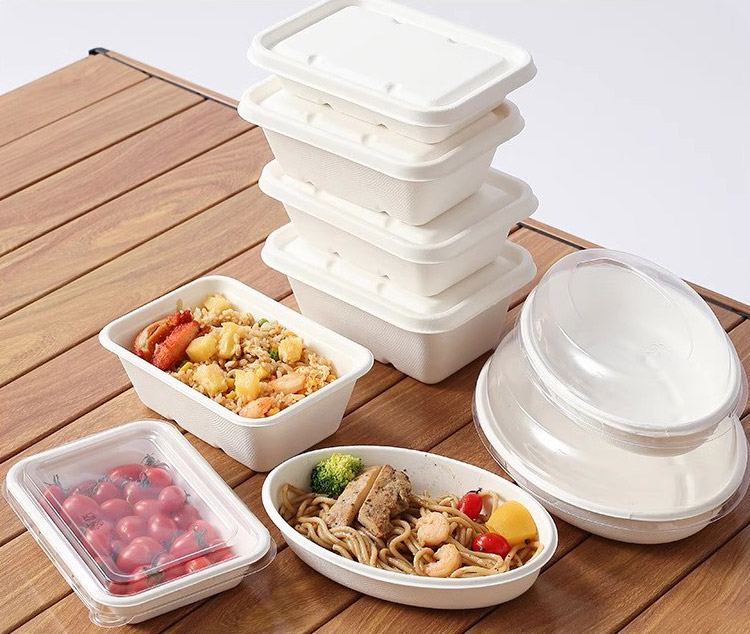
Biodegradable and Compostable Packaging: Materials such as PLA (Polylactic Acid) or sugarcane bagasse are biodegradable and can decompose more quickly than traditional plastics, reducing waste and environmental harm. These materials are gaining popularity in regions where environmental regulations are stringent, such as the European Union and parts of North America.
-
Recyclability: The push for recyclable packaging materials is another key trend. RPET, made from recycled plastic, is being used increasingly in food packaging as it reduces the reliance on virgin plastic and lowers the overall environmental footprint.
-
Lightweight Packaging: Reducing the weight of packaging is a practical way to reduce transportation costs and carbon emissions. Lighter packaging materials not only save space but also lower fuel consumption during transportation.
Section 3: Opportunities for Improvement Through Packaging Design
3.1 Optimizing Packaging for Efficiency
One of the key opportunities to reduce supply chain inefficiencies is through improved packaging design. Packaging solutions can be optimized to minimize space usage, reduce material waste, and improve the protection of products during transportation.
-
Space Efficiency: Food packaging can be designed to maximize the space within shipping containers. For instance, stackable packaging or packaging with customizable dimensions can help optimize the use of shipping space, which in turn reduces transportation costs.
-
Durability and Protection: Packaging that is designed to protect against shocks, moisture, and temperature fluctuations can significantly reduce product loss during transportation. Improved sealing technologies and protective materials can also help maintain product integrity.
3.2 Improving Sustainability
Sustainability is a major concern for the food packaging industry, particularly as consumers and regulatory bodies demand more eco-friendly packaging solutions.
-
Material Innovation: The move towards sustainable materials like PLA, RPET, and sugarcane bagasse has opened up new possibilities for creating environmentally responsible packaging solutions. These materials not only reduce the environmental impact but also contribute to improved brand image and compliance with environmental regulations.
-
Closed-Loop Systems: A closed-loop system involves the reuse or recycling of materials used in packaging, reducing waste and promoting a circular economy. Manufacturers like Xiamen Dashan have embraced this by offering RPET packaging made from recycled plastics, which reduces waste and promotes sustainability.
3.3 Customization for Global Markets
Custom packaging designs allow companies to cater to the specific needs of regional markets, addressing local regulations and consumer preferences.
-
Localized Designs: Different regions have different packaging preferences based on climate, consumer behavior, and regulations. For example, packaging for tropical regions may need to be more moisture-resistant, while packaging for colder regions may focus on temperature stability.
-
Branding and Consumer Appeal: Packaging is also a powerful tool for marketing. By offering customizable designs, companies can create packaging that resonates with consumers while complying with international standards.
Section 4: Case Studies
4.1 Case Study 1: Xiamen Dashan’s Experience with Sustainable Packaging
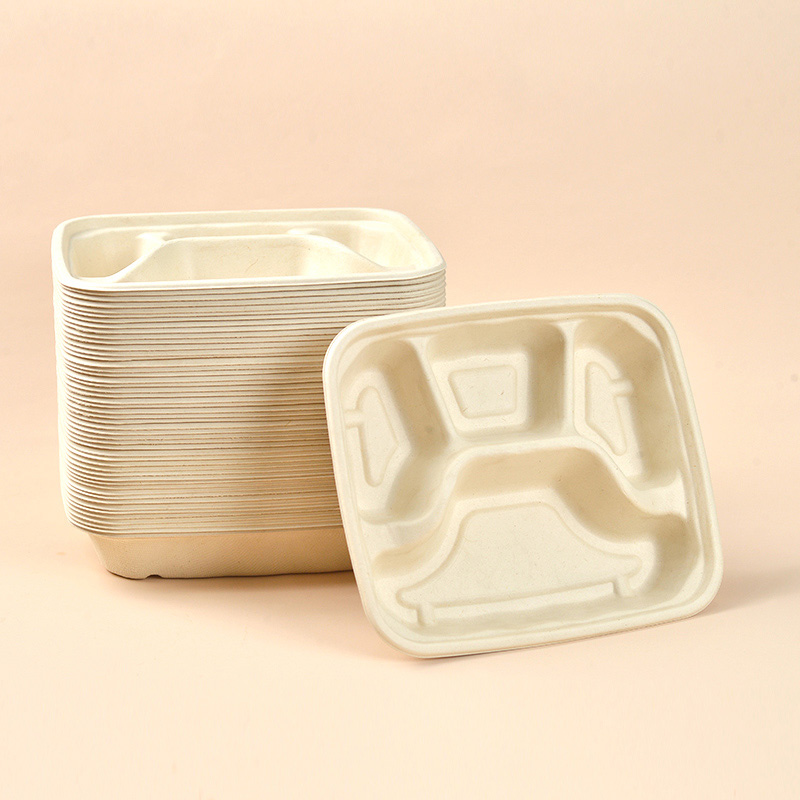
At Xiamen Dashan, sustainability and efficiency are at the core of our packaging solutions. We specialize in creating innovative packaging solutions made from RPET, PLA, and sugarcane bagasse, all of which contribute to reducing our carbon footprint and supporting our clients’ sustainability goals.
For instance, our PET salad boxes and RPET sushi trays have been designed to reduce waste and optimize space during transportation. Through the use of eco-friendly materials and efficient design, we’ve been able to help our clients cut costs and reduce their environmental impact.
FAQ
-
Why is packaging design important for cross-border food transportation?
-
Discuss the critical role packaging plays in protecting food and ensuring it arrives in good condition.
-
-
What packaging materials are best suited for international food transport?
-
Discuss materials like RPET, PLA, and CPET that offer durability, sustainability, and compliance with global regulations.
-
-
How can packaging reduce transportation costs?
-
Explain the concept of space optimization and weight reduction, which helps minimize fuel costs.
-
-
What are the sustainability challenges in the food packaging supply chain?
-
Address challenges such as plastic waste, difficulty in recycling, and the cost of adopting eco-friendly packaging solutions.
-
-
How does packaging affect customs compliance?
-
Discuss how packaging designs, labeling, and certifications impact the smooth flow of goods through customs.
-
-
What is the role of biodegradable packaging in cross-border food transportation?
-
Explain the shift towards biodegradable options and their benefits in reducing environmental impact during shipping.
-
-
How can companies prepare for supply chain disruptions in food packaging?
-
Provide strategies for sourcing alternative materials, optimizing packaging designs, and maintaining flexible supply chain relationships.
-
References
-
Packaging Industry Overview:
“The Global Packaging Industry in 2023: Trends, Opportunities, and Challenges.” Packaging News. -
Sustainability in Food Packaging:
“Sustainability in Food Packaging: Trends and Innovations.” Environmental Packaging News. -
Global Supply Chain Reports:
“The Impact of Global Supply Chain Disruptions on Packaging Materials.” Supply Chain Insights.
Copyright Statement
© 2026 Dashan Packing. All rights reserved.
This article is an original work created by the Dashan Packing editorial team.
All text, data, and images are the result of our independent research, industry experience,
and product development insights. Reproduction or redistribution of any part of this content
without written permission is strictly prohibited.
Dashan Packing is committed to providing accurate, evidence-based information and
to upholding transparency, originality, and compliance with global intellectual property standards.