

Introduction
In recent years, sustainability has become a central focus in the foodservice industry. One of the most significant shifts has been the move away from single-use plastic packaging towards more eco-friendly alternatives. Sugarcane bagasse, a byproduct of the sugar extraction process, has emerged as one of the most promising sustainable materials in food packaging. Known for its biodegradability, compostability, and durability, sugarcane bagasse is increasingly being used to produce takeout bowls, containers, and other packaging solutions. But what types of food are best served in these eco-friendly bowls? This article explores the most common foods that are packaged in sugarcane bagasse takeout bowls and why they are the ideal choice for both consumers and businesses.
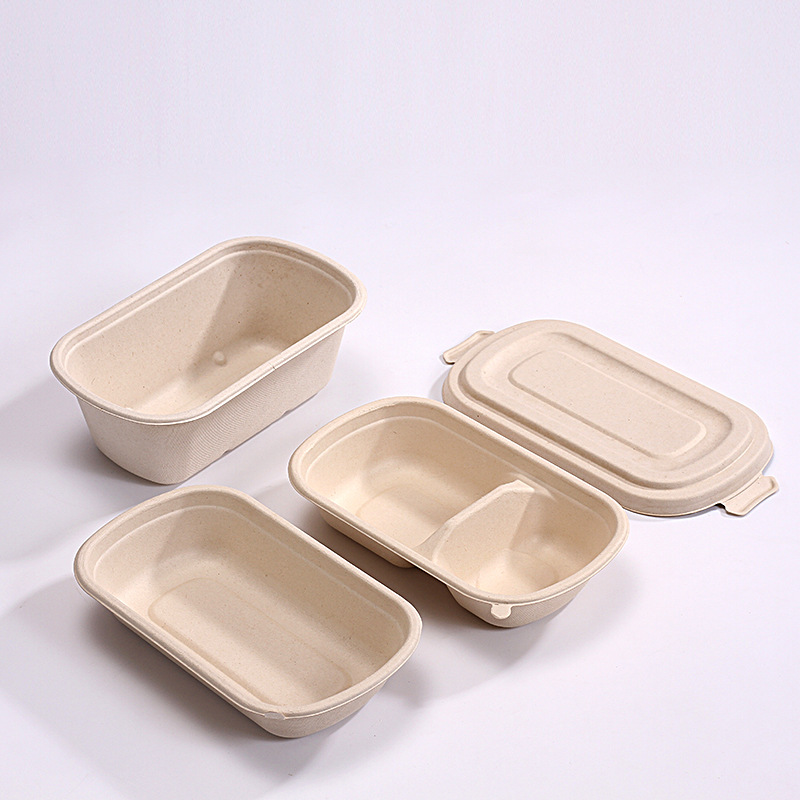
1. What is Sugarcane Bagasse?
Definition and Composition
Sugarcane bagasse is the fibrous residue left behind after extracting juice from sugarcane stalks. This natural material is traditionally discarded but has found a valuable application in the production of biodegradable packaging. The material is made by pressing and drying the sugarcane pulp, which creates a strong, sturdy, and eco-friendly material that is ideal for packaging.
Environmental Benefits
Unlike plastic, which can take hundreds of years to decompose, sugarcane bagasse breaks down naturally and relatively quickly. In fact, under proper composting conditions, bagasse products can biodegrade in 60-90 days. This makes them a perfect alternative to plastic packaging in a world increasingly focused on reducing waste and carbon footprints.
Key Properties
-
Lightweight: Despite its strength, sugarcane bagasse is remarkably lightweight, which makes it an excellent option for takeout packaging.
-
Heat Resistance: Bagasse can withstand both high and low temperatures, which makes it suitable for a variety of hot and cold foods.
-
Grease and Water Resistance: One of the standout features of sugarcane bagasse is its ability to resist grease and moisture, ensuring that food stays intact and doesn’t leak through the container.
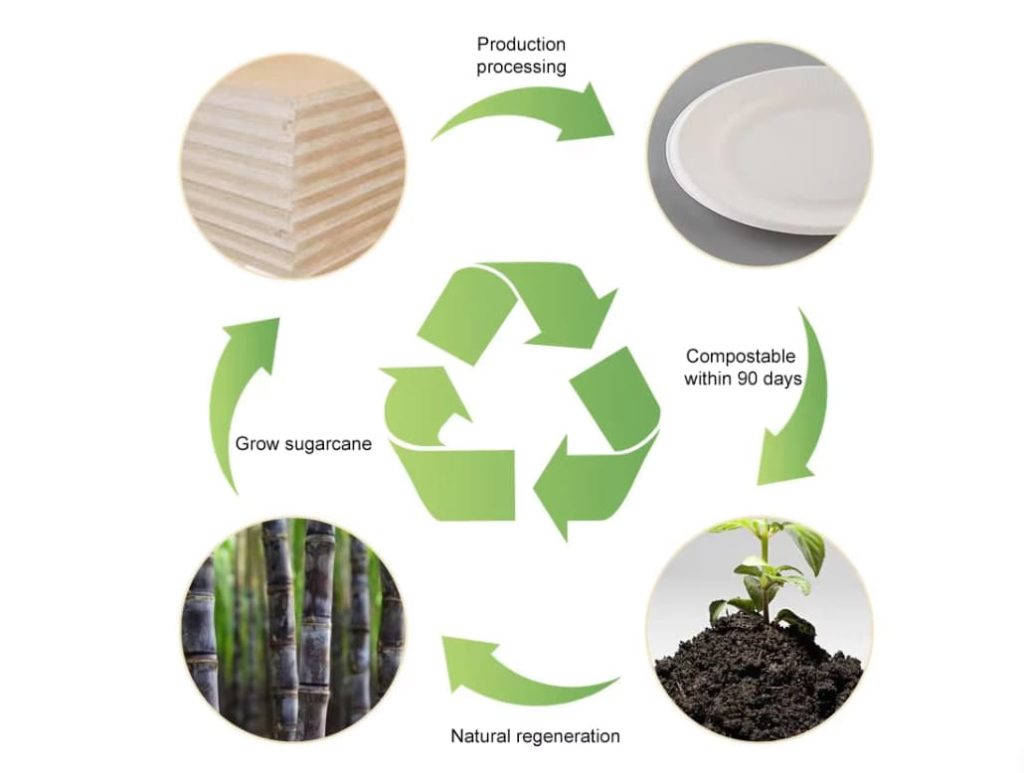
2. Why Choose Sugarcane Bagasse for Food Packaging?
The shift toward sustainable packaging is not just driven by consumer preferences but also by evolving regulations and environmental concerns. There are several compelling reasons to choose sugarcane bagasse packaging in the foodservice industry:
Sustainability
As the world grapples with the environmental impact of plastic waste, sugarcane bagasse offers a renewable alternative. It is derived from a byproduct of sugar production, which would otherwise be discarded.
Durability
Despite being an environmentally friendly material, bagasse is incredibly durable. It can handle both wet and dry foods without losing structural integrity, making it a great choice for restaurants and foodservice providers.
Consumer Demand
With a growing emphasis on sustainability, consumers are increasingly making environmentally conscious choices. In fact, studies show that a significant portion of customers are willing to pay more for food products packaged in eco-friendly materials.
Regulatory Pressure
Governments around the world are introducing stricter regulations to curb plastic waste, including bans on single-use plastics. The foodservice industry is responding by adopting alternatives like sugarcane bagasse, which not only helps businesses comply with these regulations but also appeals to eco-conscious consumers.
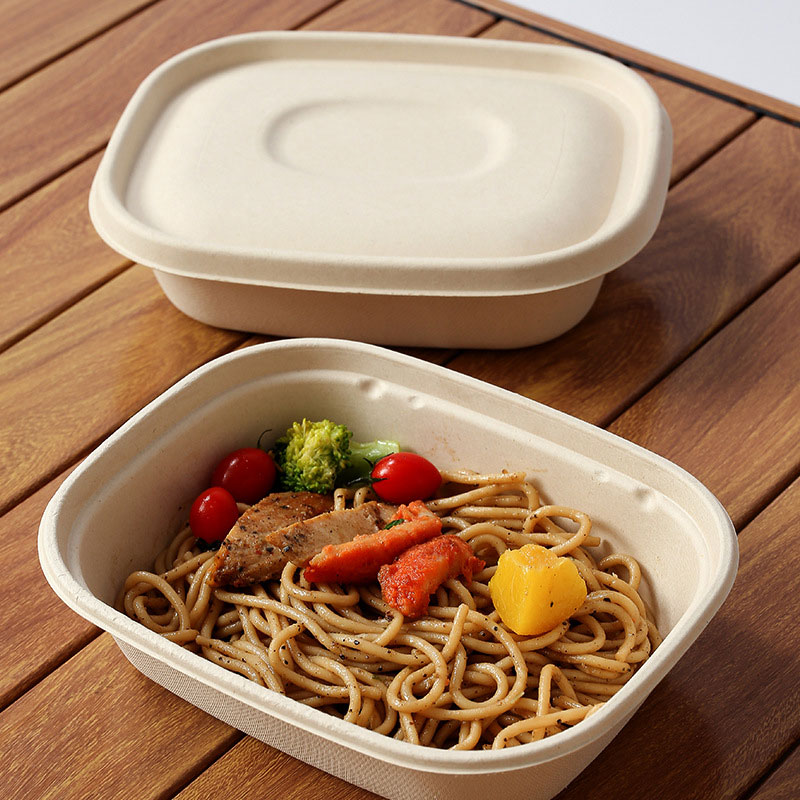
3. Foods Typically Served in Sugarcane Bagasse Takeout Bowls
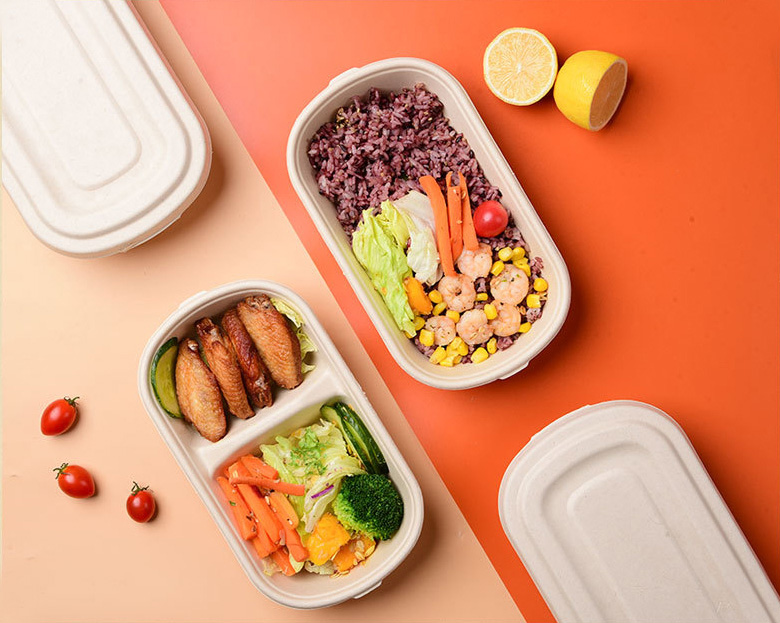
Sugarcane bagasse takeout bowls are versatile and can hold a wide variety of food items. Their durability, resistance to moisture, and grease-resistant properties make them ideal for several different types of cuisine. Here are some common foods served in these eco-friendly bowls:
A. Salads
-
Description: Fresh salads are one of the most common foods served in sugarcane bagasse containers. Whether it’s a simple green salad or a more elaborate one with fruits, nuts, and dressings, the material’s ability to resist grease ensures that the bowl won’t leak, even with a heavy dressing.
-
Example Dishes: Caesar salad, garden salad, fruit salad, quinoa salad.
B. Fruit Bowls
-
Description: Bagasse bowls are an excellent choice for serving fruit salads or fresh-cut fruit, as they can handle the moisture without breaking down.
-
Examples: Tropical fruit salads, berry bowls, watermelon chunks, and mixed fruit assortments.
C. Sandwiches and Wraps
-
Description: While traditionally served in paper or plastic, sandwiches, wraps, and paninis are increasingly being offered in sugarcane bagasse containers. These bowls are especially useful when the sandwiches are cut into halves or quarters for easy takeout.
-
Common Items: Ham and cheese sandwiches, veggie wraps, grilled chicken sandwiches, and club sandwiches.
D. Hot Dogs and Burgers
-
Description: Fast-food staples like hot dogs and burgers can also be served in sugarcane bagasse bowls. These bowls are sturdy enough to hold the weight of the food and prevent it from spilling or leaking.
-
Use Case: Ideal for casual dining and fast-casual restaurants, as well as food trucks that serve street food like hot dogs and burgers.
E. Soups and Stews
-
Description: While less common than dry foods, sugarcane bagasse bowls are increasingly being used for hot soups and stews. The heat-resistant properties make these bowls suitable for liquid-based foods.
-
Examples: Tomato soup, chicken stew, noodle soups, and curry-based stews.
F. Rice and Noodles
-
Description: Fried rice, curry noodles, and pasta dishes are often packaged in sugarcane bagasse takeout bowls. The bowls are strong enough to hold these oily and heavy dishes without compromising their structural integrity.
-
Examples: Fried rice, curry noodles, spaghetti bolognese, and pad Thai.
G. Fast Food Items
-
Description: Many fast food restaurants use sugarcane bagasse for items like fries, chicken tenders, fried chicken, and other fried foods. The bowls provide an eco-friendly way to serve these greasy foods without the risk of leakage.
-
Common Uses: Fast-food chains, food trucks, and casual dining establishments.
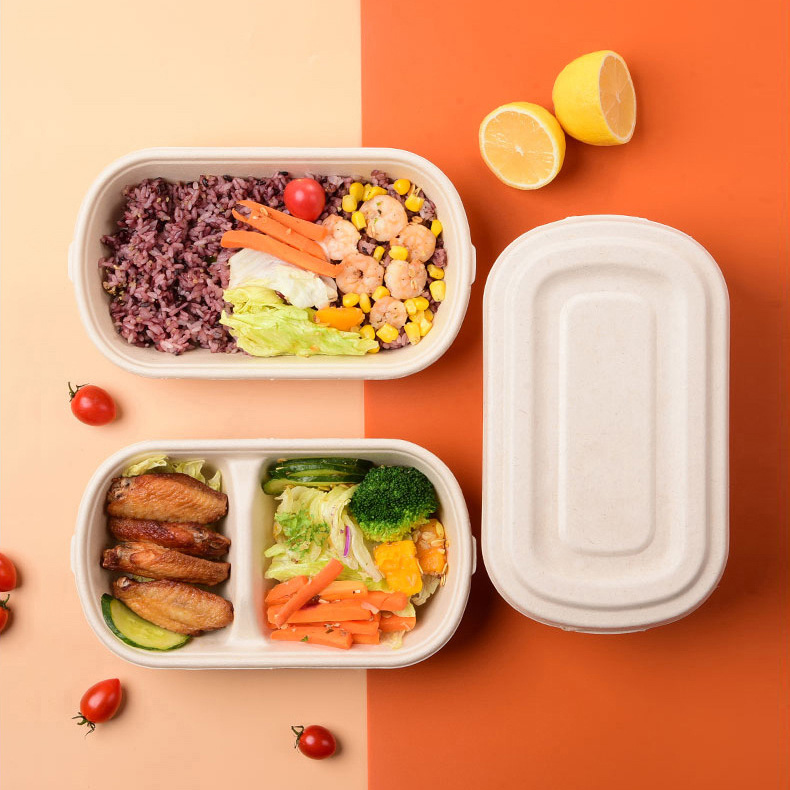
4. Advantages of Using Sugarcane Bagasse for Food Packaging
Eco-Friendly
Sugarcane bagasse is fully biodegradable, compostable, and made from a renewable resource, making it one of the best sustainable packaging options available today.
Durable and Leakproof
Despite being biodegradable, sugarcane bagasse is durable enough to hold both hot and cold food items. It is also leakproof, preventing the risk of food seeping through the container.
Consumer Appeal
The increasing consumer demand for sustainable options is pushing businesses to adopt eco-friendly packaging. Bagasse bowls provide a way for companies to respond to this demand while reducing their environmental impact.
Customizable
For businesses looking to promote their brand, sugarcane bagasse bowls can be easily customized with logos or designs. This offers businesses an opportunity to market their sustainability efforts while providing customers with a unique experience.
5. The Growing Demand for Sustainable Food Packaging
Market Trends
Sustainability in packaging is more than just a trend; it’s becoming a necessity. In response to rising consumer demand for green alternatives and increasing government regulations, many companies are adopting sugarcane bagasse packaging solutions. This demand is expected to grow exponentially over the next decade.
Consumer Preferences
Research has shown that a large portion of consumers now prioritize eco-friendly packaging when making food purchases. In fact, some consumers are willing to pay a premium for products that come in sustainable packaging.
Regulatory Pressures
In various regions, governments are implementing bans on plastic products and incentivizing businesses to adopt biodegradable packaging. This is pushing the foodservice industry to find sustainable alternatives like sugarcane bagasse.
6. Case Studies: Sugarcane Bagasse in Action
Example 1: Fast-Casual Restaurants
Many fast-casual chains have adopted sugarcane bagasse bowls to offer their customers a sustainable, eco-friendly option. Not only does this help them meet environmental goals, but it also attracts eco-conscious consumers.
Example 2: The Deli Chain Switch
A well-known deli chain switched its entire takeout packaging to bagasse, improving its sustainability score while offering customers a high-quality, green alternative. This shift was made in response to both consumer demand and environmental concerns.
7. Frequently Asked Questions (FAQs)
-
What are the benefits of sugarcane bagasse takeout bowls?
-
Sugarcane bagasse bowls are eco-friendly, durable, leakproof, and resistant to grease and moisture, making them ideal for a variety of foods.
-
-
Are sugarcane bagasse bowls microwave-safe?
-
Yes, they are microwave-safe and can handle both hot and cold foods.
-
-
Can sugarcane bagasse bowls hold hot liquids?
-
Yes, they are heat-resistant and can hold hot foods like soups and stews without leaking.
-
-
How long does it take for sugarcane bagasse bowls to decompose?
-
Sugarcane bagasse products typically decompose in 60-90 days in a composting environment.
-
-
Can I customize sugarcane bagasse bowls with my brand?
-
Yes, many manufacturers offer customization options for branding, including printing your logo or other designs on the packaging.
-
-
Are sugarcane bagasse bowls more expensive than plastic?
-
Sugarcane bagasse may cost more initially, but the environmental benefits and consumer demand for sustainable options often make it a cost-effective choice in the long term.
-
-
What foods should not be served in sugarcane bagasse containers?
-
Extremely oily or liquid-heavy foods that may cause the material to weaken are not ideal for sugarcane bagasse containers. For these, it’s better to use other materials like CPET or PP.
-
8. Conclusion
Sugarcane bagasse takeout bowls offer a sustainable, eco-friendly alternative to plastic packaging. From salads and fruit bowls to hot dogs, soups, and fried foods, these bowls are durable enough to handle a wide variety of foods. As consumers continue to prioritize sustainability, and as regulatory pressures increase, the demand for sugarcane bagasse packaging will only grow. Businesses that embrace this material not only meet the expectations of eco-conscious consumers but also contribute to the reduction of plastic waste, making a positive impact on the environment.
References
Copyright Statement
© 2026 Dashan Packing. All rights reserved.
This article is an original work created by the Dashan Packing editorial team.
All text, data, and images are the result of our independent research, industry experience,
and product development insights. Reproduction or redistribution of any part of this content
without written permission is strictly prohibited.
Dashan Packing is committed to providing accurate, evidence-based information and
to upholding transparency, originality, and compliance with global intellectual property standards.