

Quick Summary
Frozen food packaging must withstand sub-zero storage, moisture migration, mechanical shock, and temperature transitions without cracking, delaminating, or losing barrier performance. High-performance materials such as CPET, PP, PET/RPET, and selected bio-based options provide different balances of cold resistance, impact strength, seal integrity, and sustainability. Choosing the correct structure depends on product type, distribution model, and end-use reheating requirements—not just cost.
I. Introduction: The Rapid Growth of the Frozen Food Sector
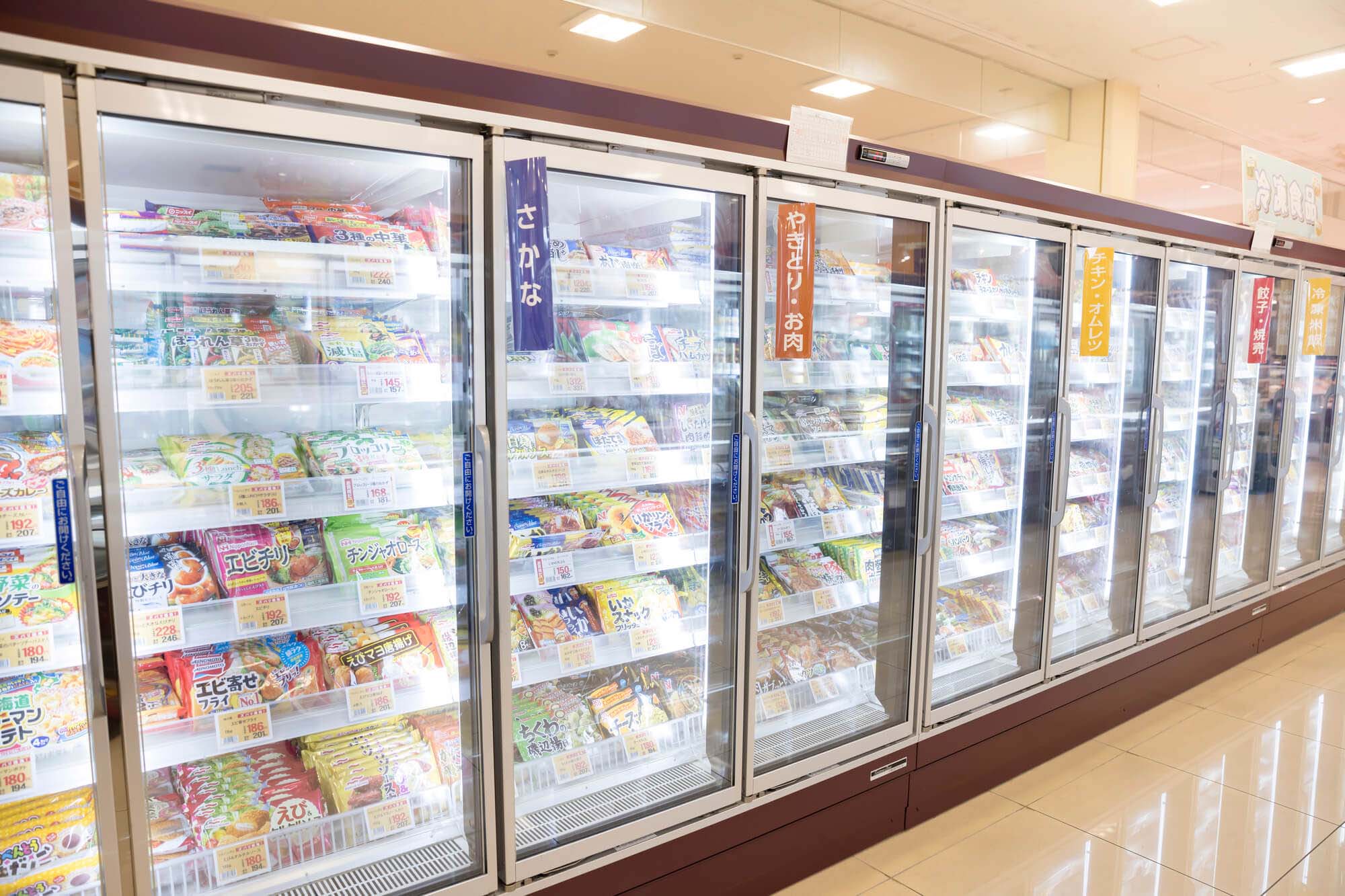
The frozen food industry has experienced sustained global growth over the past decade. Driven by urbanization, busy lifestyles, e-commerce grocery platforms, and advances in cold-chain logistics, frozen ready meals, vegetables, seafood, bakery items, and protein products are becoming everyday staples in both developed and emerging markets.
However, as frozen food categories expand, so do expectations for packaging performance. Packaging is no longer just a protective shell. It must:
-
Withstand extreme low temperatures
-
Resist cracking and brittleness
-
Maintain seal integrity over long storage periods
-
Survive transportation shock
-
Transition from freezer to microwave or oven
-
Meet food-contact and recyclability standards
High-performance packaging has therefore become a strategic component of frozen food product success.
II. Unique Challenges in Frozen Food Packaging
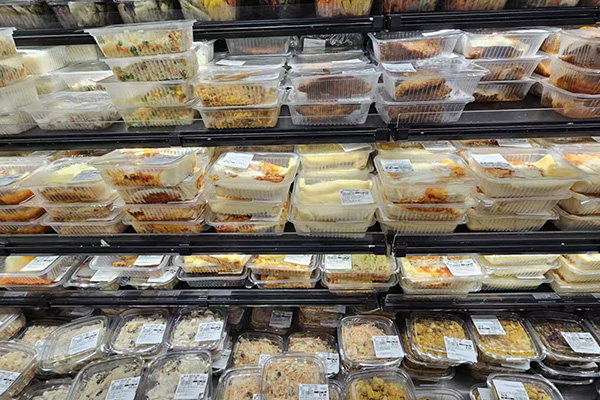
Frozen environments create stresses that many conventional packaging materials cannot tolerate.
1. Extreme Low-Temperature Resistance
Most frozen foods are stored at approximately -18°C, while some industrial storage environments reach -25°C or lower. At these temperatures:
-
Some plastics become brittle
-
Impact resistance declines
-
Structural integrity can weaken
Packaging must maintain toughness and dimensional stability in sub-zero conditions.
2. Moisture and Ice Crystal Formation
Frozen foods contain water. During freezing and thawing cycles:
-
Ice crystals expand
-
Condensation forms
-
Surface moisture accumulates
If packaging materials absorb moisture or lose rigidity, deformation and leakage risks increase.
3. Thermal Shock During Reheating
One of the most demanding requirements in frozen packaging is the rapid transition from:
Freezer → Microwave or Oven
This temperature swing can exceed 200°C in minutes. Materials must tolerate:
-
Sudden expansion
-
Structural stress
-
Oil and grease exposure
Not all packaging materials can survive this process safely.
4. Long-Term Seal Integrity
Frozen foods often remain in storage for months. During that time, packaging must:
-
Maintain barrier protection
-
Prevent freezer burn
-
Avoid micro-leakage
-
Resist transportation vibration
Seal strength and structural rigidity are critical.
III. Key Performance Indicators for Frozen Packaging
When evaluating packaging for frozen applications, buyers typically assess:
-
Low-temperature impact resistance
-
Thermal shock tolerance
-
Microwave or oven safety
-
Moisture resistance
-
Oil and grease resistance
-
Stackability and rigidity
-
Recyclability
-
Compliance with international food-contact standards
These performance metrics determine whether packaging will protect product quality throughout the supply chain.
IV. Material Solutions for High-Performance Frozen Packaging
Different frozen food categories require different materials. Below is a technical comparison of the most commonly used polymers.
1. CPET – The Premium Solution for Frozen Ready Meals
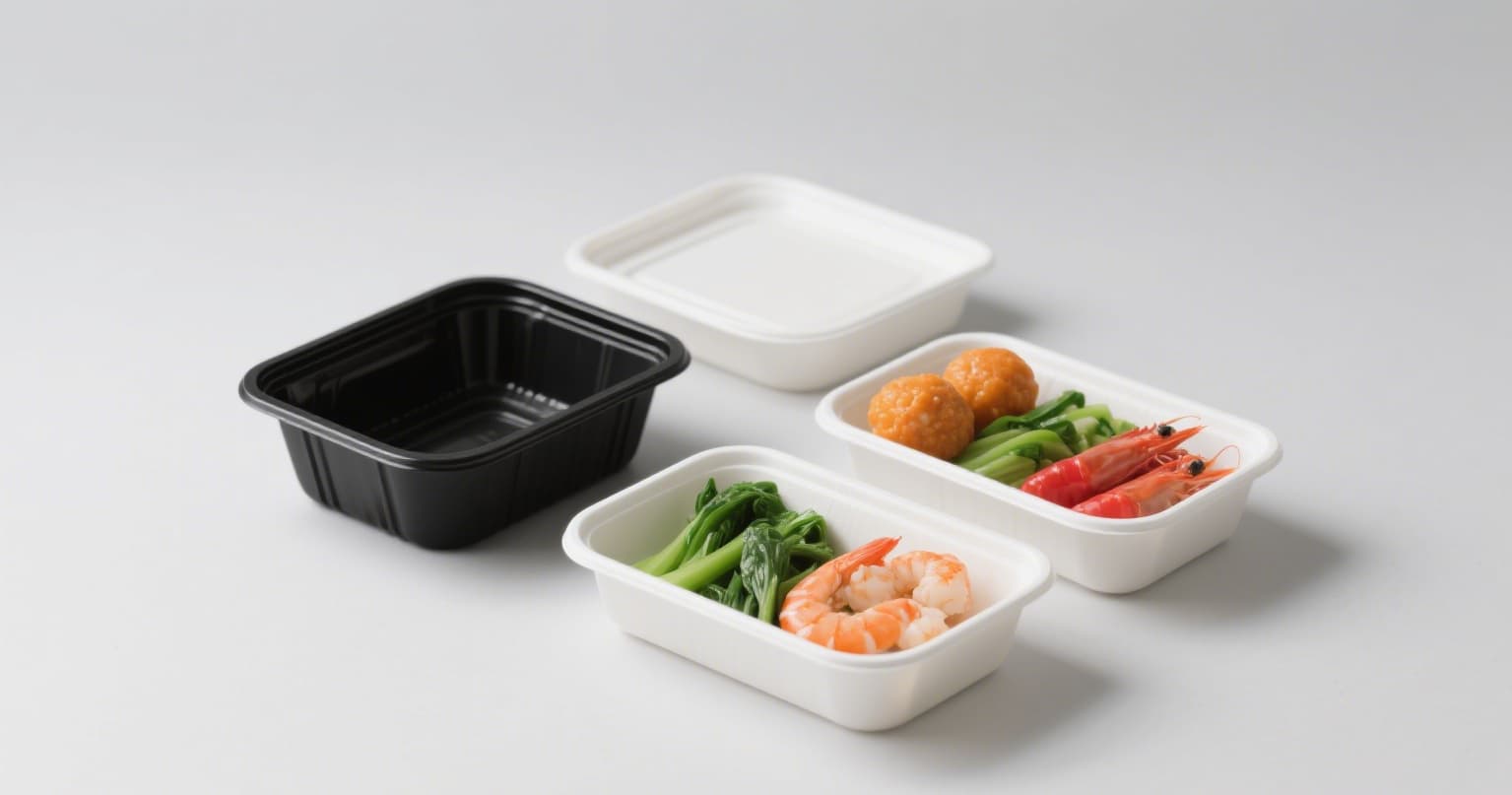
Crystallized Polyethylene Terephthalate (CPET) is widely regarded as one of the most versatile materials for frozen ready-meal applications.
Why CPET Performs Well in Frozen Applications
-
Withstands temperatures from approximately -40°C to 220°C
-
Suitable for both freezer storage and oven reheating
-
Excellent dimensional stability
-
Resistant to oil and grease
-
Strong structural rigidity
This wide temperature range makes CPET ideal for:
-
Frozen ready meals
-
Oven-bake pasta dishes
-
Airline frozen catering meals
-
Retail premium meal trays
Unlike standard PET, CPET undergoes a crystallization process that enhances heat resistance while maintaining low-temperature toughness.
DASHAN’s CPET Trays for Frozen Foods
DASHAN manufactures CPET trays designed for:
-
Frozen-to-oven transitions
-
Export-ready retail packaging
-
Stable stacking in cold storage
-
High-volume production
These trays are suitable for frozen ready-meal brands targeting both retail and foodservice markets, where performance consistency is critical.
2. PP – A Cost-Effective Microwave Solution
Polypropylene (PP) is another common material used in frozen food packaging.
Strengths of PP in Frozen Applications
-
Good low-temperature flexibility
-
Microwave safe
-
Lightweight
-
Cost-effective
-
Recyclable in many regions
PP performs well in frozen microwave-ready meals but has limitations:
-
Not suitable for high-temperature oven applications
-
Lower rigidity compared to CPET
-
May deform under prolonged high heat
For frozen meals intended exclusively for microwave reheating, PP remains a practical and economical choice.
3. PET and RPET – Clear Retail Frozen Packaging
Standard PET and recycled PET (RPET) are widely used in frozen retail packaging where visual presentation is important.
Applications
-
Frozen fruits
-
Frozen seafood
-
Frozen desserts
-
Ice cream lids
-
Clear retail trays
Advantages
-
High transparency
-
Lightweight
-
Excellent shelf visibility
-
Recyclable
-
Supports recycled-content strategies (RPET)
However, PET is not designed for high-temperature reheating. It is best suited for:
-
Display packaging
-
Secondary containment
-
Cold-use applications
DASHAN offers PET and RPET packaging solutions suitable for frozen retail brands that prioritize both visibility and sustainability.
4. Limitations of Fiber-Based Materials in Frozen Use
Materials such as bagasse and PLA have gained attention in sustainable packaging discussions. However, for long-term frozen storage, they present limitations:
-
Moisture absorption risk
-
Structural weakening under condensation
-
Reduced performance in extended sub-zero environments
-
Limited suitability for thermal shock applications
While appropriate for certain fresh or short-shelf-life applications, they are not typically the preferred solution for high-performance frozen ready meals.
V. Comparative Performance Overview
| Property | CPET | PP | PET/RPET | Bagasse |
|---|---|---|---|---|
| Low Temp Resistance | Excellent | Good | Moderate | Limited |
| Oven Safe | Yes | No | No | No |
| Microwave Safe | Yes | Yes | No | Limited |
| Transparency | No | No | Yes | No |
| Structural Rigidity | High | Moderate | Moderate | Low |
| Recyclability | Yes | Yes | Yes | Compostable |
| Ideal Use | Frozen ready meals | Microwave meals | Retail frozen packs | Short-term packaging |
This comparison highlights why CPET is often considered the most complete solution for frozen ready-meal packaging.
VI. Regulatory and Export Considerations
Frozen food packaging must comply with:
-
International food-contact safety standards
-
EU and US material regulations
-
Migration testing requirements
-
Recyclability guidelines
-
Recycled-content trends
Export-oriented brands must ensure documentation, testing reports, and traceability records are in place. Partnering with manufacturers experienced in international markets reduces regulatory risk.
DASHAN supports export customers by providing food-contact compliant materials suitable for global markets.
VII. Cost vs Performance: Strategic Material Selection
Material selection should not be based on cost alone.
-
CPET: Higher cost, highest performance
-
PP: Balanced cost and microwave performance
-
PET/RPET: Excellent for visibility and sustainability
-
Fiber-based: Limited frozen durability
The correct choice depends on:
-
Heating method
-
Distribution model
-
Shelf-life requirements
-
Brand positioning
-
Sustainability objectives
Premium frozen ready-meal brands often choose CPET because product integrity directly impacts consumer perception.
VIII. Sustainability in Frozen Packaging
Sustainability remains a priority even in high-performance applications.
Key strategies include:
-
Using RPET for retail frozen packaging
-
Designing mono-material structures
-
Reducing material weight without sacrificing rigidity
-
Improving recyclability of rigid trays
CPET and PET materials are recyclable in established PET streams in many regions, supporting circular-economy initiatives when proper collection systems exist.
IX. Why Multi-Material Capability Matters
Frozen food brands frequently require different packaging formats within the same product line:
-
CPET trays for oven-ready meals
-
PP containers for microwave meals
-
PET trays for retail frozen displays
Manufacturers with multi-material production capabilities provide flexibility and scalability.
-
PET and RPET retail trays
-
Export-oriented manufacturing support
-
Custom sizing and private-label production
This integrated capability enables frozen food brands to streamline sourcing while maintaining performance consistency.
X. Future Outlook: The Evolution of Frozen Packaging
The frozen food category continues to expand due to:
-
Growth in ready-to-eat meals
-
Increased demand for convenience
-
Expansion of e-commerce cold chains
-
Rising global protein consumption
Future trends will likely include:
-
Higher recycled content in rigid trays
-
Lightweight CPET structures
-
Improved mono-material designs
-
Enhanced barrier performance
-
Greater emphasis on recyclability documentation
High-performance packaging will remain central to frozen product quality and brand competitiveness.
FAQ
1. What makes frozen food packaging different from standard food packaging?
Frozen packaging must tolerate temperatures as low as −18°C or below while maintaining impact strength and structural stability. It must also resist moisture migration, freezer burn, and brittleness during handling and transportation.
2. Why is CPET commonly used for frozen ready meals?
CPET trays offer excellent thermal stability from freezing to oven heating. They maintain rigidity at low temperatures and can transition directly from freezer to oven, making them ideal for airline catering and retail ready meals.
3. Is PET suitable for frozen food applications?
Standard PET performs well in cold environments when properly engineered. It offers clarity, strength, and good barrier properties. RPET options additionally support recycled content targets without sacrificing structural integrity.
4. How does PP perform in freezing conditions?
PP remains flexible at low temperatures and offers strong chemical resistance. It is widely used for frozen dumplings, seafood, and prepared components that do not require high-heat oven reheating.
5. Can sustainable materials like bagasse or PLA be used for frozen foods?
Bagasse is suitable for certain frozen applications if moisture exposure is controlled. PLA performs well in cold storage but is not suitable for high-temperature reheating. Material selection must align with the product’s full temperature cycle.
6. Why choose DASHAN for frozen food packaging?
DASHAN offers an integrated portfolio of CPET trays, PET/RPET trays, PP containers, PLA cups, and bagasse solutions. The advantage lies in material matching—not pushing a single substrate. By analyzing freezing temperature, logistics stress, reheating method, and sustainability targets, DASHAN recommends the most technically appropriate solution rather than a one-size-fits-all product.
Conclusion
Frozen food packaging operates under some of the most demanding conditions in the food industry. Extreme cold, moisture exposure, thermal shock, and long-term storage require materials that combine durability, safety, and structural stability.
Among available options:
-
CPET offers the most comprehensive performance for frozen-to-oven applications
-
PP provides cost-effective microwave compatibility
-
PET and RPET support clear retail presentation and sustainability goals
Selecting the right material is a strategic decision that directly influences product integrity, consumer experience, and regulatory compliance.
As frozen food markets continue to grow globally, high-performance packaging solutions will define which brands succeed in delivering quality, convenience, and sustainability at scale.
References
-
European Bioplastics – Bioplastics Market Data
https://www.european-bioplastics.org/market/ -
PlasticsEurope – Plastics in Food Packaging
https://plasticseurope.org/knowledge-hub/plastics-in-food-packaging/ -
FDA – Food Contact Substances (FCS)
https://www.fda.gov/food/packaging-food-contact-substances-fcs -
Smithers – The Future of Frozen Food Packaging
https://www.smithers.com/services/market-reports/packaging/the-future-of-frozen-food-packaging -
European Commission – Food Contact Materials
https://food.ec.europa.eu/safety/chemical-safety/food-contact-materials_en