

Introduction to the Reuse in Retail Initiative (RRI)
The Reuse in Retail Initiative (RRI) is a groundbreaking effort led by the U.S. Plastics Pact to address the growing problem of plastic waste in the retail industry. With the global surge in plastic packaging, particularly in retail environments, the environmental impact has been devastating. The RRI aims to significantly reduce the reliance on single-use plastics and replace them with reusable packaging solutions that are better for the environment.
This initiative comes at a time when both consumers and businesses are increasingly concerned with sustainability. According to the National Association for PET Container Resources (NAPCOR), over 2.5 million tons of PET plastic packaging are produced annually in the U.S. alone, much of which ends up in landfills or oceans. By reducing single-use plastic packaging and promoting reusable alternatives, the RRI seeks to minimize plastic waste, lower greenhouse gas emissions, and drive the circular economy forward.
The Environmental Impact of Single-Use Plastics in Retail
The retail industry is a significant contributor to plastic pollution, with packaging accounting for a large portion of the waste. In the U.S., approximately eight million metric tons of plastic enter the oceans every year, much of which is from single-use packaging. The environmental consequences are dire: oceans filled with plastic waste harm wildlife, disrupt ecosystems, and contribute to long-term pollution. In addition, the manufacturing process of single-use plastics is highly resource-intensive, leading to significant carbon emissions.
Single-use plastics in retail are particularly problematic due to their short lifespan and difficulty in recycling. Once these materials are discarded, they either end up in landfills or are burned, contributing to more environmental damage. This is where the RRI comes into play, focusing on sustainable, reusable solutions that can be adopted across the retail industry to create a cleaner, more sustainable future.

The Importance of Reusable Solutions in Retail
Understanding Reusability in Packaging
Reusable packaging refers to containers or materials designed for repeated use, unlike single-use packaging that is disposed of after one use. These solutions are critical to reducing the volume of waste generated by the retail industry. Reusable packaging can be employed in a wide variety of retail settings—from grocery stores to fast food chains—and can be used for multiple product types, including fresh food, beverages, and household goods.
The benefits of reusable packaging are multifaceted. Not only do they reduce waste, but they also lower the demand for raw materials, reduce manufacturing costs, and conserve energy. In the long term, reusable packaging helps businesses save money and contribute to more sustainable retail operations.
The Business Case for Reusable Packaging
The shift toward reusable packaging is also motivated by financial incentives. While the initial investment in reusable packaging may be higher than single-use alternatives, businesses that implement reusable solutions can save costs over time. Reusable packaging tends to be more durable, meaning it has a longer lifecycle and can be used multiple times. This reduces the need for frequent repurchasing of packaging materials, leading to long-term cost savings.
Additionally, consumer preferences are increasingly driving businesses to adopt sustainable practices. A study by Nielsen revealed that 73% of global consumers are willing to pay more for sustainable products and packaging. By implementing reusable packaging solutions, retailers can attract environmentally-conscious customers, increase brand loyalty, and gain a competitive edge in the marketplace.
Global and Regional Efforts to Reduce Plastic Packaging Waste
The movement toward sustainability is not limited to the United States. In Europe, the European Union has implemented strict regulations aimed at reducing plastic waste. The European Strategy for Plastics in a Circular Economy, introduced in 2018, aims to make all plastic packaging recyclable or reusable by 2030. Similarly, in Asia, countries like Japan and South Korea have introduced policies that incentivize the use of reusable packaging.
These efforts, combined with industry-led initiatives like the U.S. Plastics Pact’s RRI, highlight the growing global push to adopt more sustainable practices in packaging. While there are regional differences in how sustainability is prioritized, the trend is clear: reusable packaging is becoming the future of retail.
Dashan’s Role in the Sustainability Landscape
Overview of Dashan’s Commitment to Sustainability
At Dashan, sustainability is at the core of our operations. As a trusted manufacturer of high-quality food packaging, we specialize in materials such as PET, RPET, CPET, and PLA. Our focus is on creating packaging solutions that are not only practical but also environmentally responsible. By offering flexible, customizable packaging, we are able to meet the needs of retailers while also contributing to the reduction of plastic waste.
Dashan’s commitment to sustainability goes beyond simply offering eco-friendly products. We strive to ensure that our packaging is part of a circular economy, where materials are reused, recycled, and repurposed, reducing the need for virgin resources. We believe that packaging should serve as part of the solution to environmental issues, not as part of the problem.
Dashan’s Innovations in Packaging
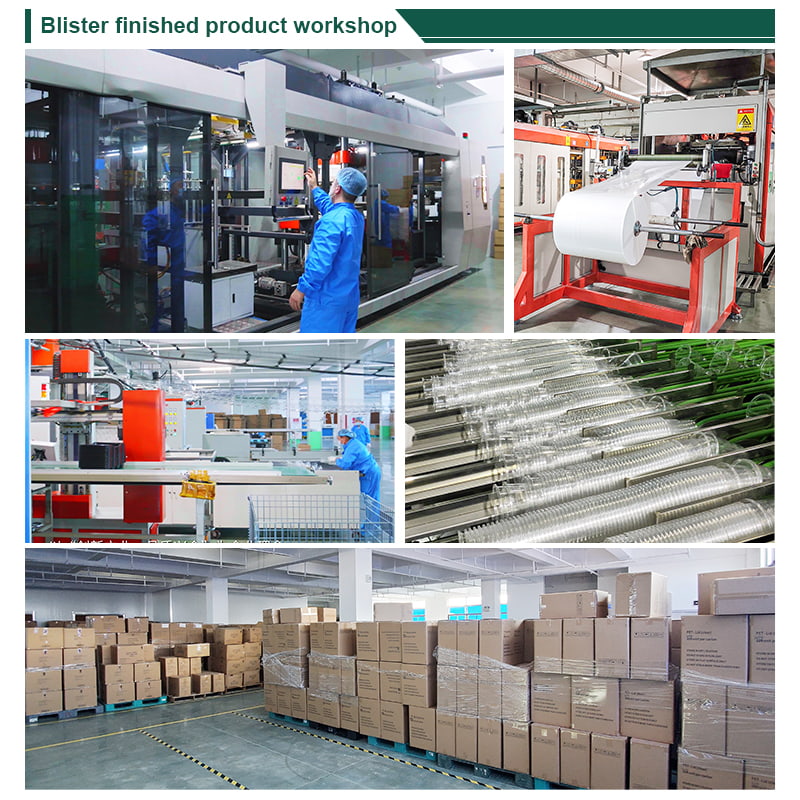
Our packaging solutions are designed with reusability and recyclability in mind. For example, Dashan’s PET packaging is highly durable, making it suitable for multiple uses. Whether it’s a food container used by a consumer multiple times or a packaging solution for retail items that can be reused within a store, our PET solutions contribute significantly to reducing single-use plastic waste.
Additionally, our customizable options allow retailers to tailor packaging to their needs, offering the flexibility to create reusable packaging that fits their specific product lines. From clear PET containers for salads and fruits to microwave-safe trays for ready-to-eat meals, Dashan’s packaging solutions are versatile and sustainable.
How Dashan’s PET Packaging Aligns with the RRI
Durable and Recyclable
Dashan’s PET packaging is an ideal solution for retailers looking to reduce their reliance on single-use plastics. PET (Polyethylene Terephthalate) is one of the most widely used and recyclable plastic materials. PET can be recycled multiple times without losing quality, making it a valuable material in the effort to reduce waste. Our packaging is designed to withstand repeated use, which supports the reusability model advocated by the RRI.
Unlike other plastics that are less durable or harder to recycle, PET is easy to clean, maintain, and reuse, making it a perfect material for long-term retail use. Whether it’s a container used in-store for bulk items or a packaging solution for products sold to consumers, Dashan’s PET packaging can be reused numerous times before being recycled at the end of its lifecycle.
Ideal for Multiple Uses
Dashan’s PET containers are perfect for multiple uses, which directly supports the RRI’s goal of promoting reusable packaging in retail. For example, our PET salad boxes and microwave-safe trays are designed to be sturdy and reusable, reducing the need for additional packaging and waste. Customers can return these containers for reuse, whether in-store or in a recycling program.
Retailers who adopt Dashan’s PET packaging solutions can create systems where consumers return used containers for reuse or recycling, thereby contributing to the circular economy. This encourages a culture of reuse among consumers, which is vital to the success of the RRI.
Reducing Waste in Retail with Dashan’s Solutions
By using Dashan’s PET packaging, retailers can significantly reduce the volume of single-use plastics in their operations. Our PET containers are made to last, meaning they don’t need to be replaced frequently. This reduces the overall demand for plastic production, saving energy and resources. Additionally, the ease with which PET packaging can be recycled ensures that even when the packaging reaches the end of its useful life, it won’t contribute to landfills.
Case Studies and Data Supporting PET’s Contribution to Reusability
Data on the Effectiveness of PET in Reducing Single-Use Plastics
According to a report by the Ellen MacArthur Foundation, PET packaging has one of the highest recycling rates among plastics, with approximately 58% of PET bottles being recycled worldwide. This high recycling rate contributes to the overall reduction in single-use plastics and supports the RRI’s goal of reducing plastic waste.
When PET packaging is recycled, it can be transformed into new containers, reducing the need for virgin materials and conserving resources. Furthermore, PET can be used in various applications, from food containers to clothing (e.g., recycled PET used in polyester fabrics), demonstrating its versatility and its role in the circular economy.
| Region | PET Recycling Rate | Recycled PET Applications |
|---|---|---|
| Global | 58% | Bottles, textiles, containers |
| United States | 29% | Bottles, food packaging, automotive parts |
| Europe | 60% | Bottles, new packaging, fibers for clothing |
Success Stories
Many retail businesses have already adopted Dashan’s PET solutions to reduce plastic waste. For example, a chain of organic grocery stores in California has switched to Dashan’s reusable PET containers for packaging fresh produce. Customers are encouraged to bring back their containers for refills, reducing packaging waste and supporting the circular economy. This initiative has resulted in a 40% reduction in single-use plastic packaging for the company, showcasing the effectiveness of adopting reusable PET packaging.
Another success story comes from a global coffee chain that has introduced Dashan’s PET cups for iced beverages. The cups are durable enough to be reused multiple times, with customers returning the cups for refills. This initiative has helped the coffee chain reduce its reliance on disposable plastic cups by 60%, contributing significantly to the company’s sustainability goals.
Challenges and Opportunities in Advancing Reusability in Retail
Barriers to Widespread Adoption of Reusable Packaging
While the move toward reusable packaging is gaining momentum, there are still challenges to overcome. One of the main barriers is consumer behavior. Many consumers are accustomed to single-use packaging, and changing these habits can be difficult. Convenience plays a major role in purchasing decisions, and reusable packaging often requires more effort to clean and return.
Retailers also face logistical challenges when implementing reusable packaging systems. Establishing systems for collecting, cleaning, and redistributing packaging requires investment in infrastructure and processes, which can be costly in the short term.
How Dashan Overcomes These Challenges
At Dashan, we are committed to helping retailers overcome these challenges. Our customizable PET packaging solutions can be designed to meet specific retail needs, ensuring that businesses can easily incorporate reusable packaging into their operations. We also offer easy-to-clean designs and bulk supply options to help streamline the adoption process.
Additionally, Dashan partners with retailers to implement returnable container systems, making it easier for consumers to participate in the reuse program. We believe that with the right infrastructure, reusable packaging can become the new normal in retail.
The Role of the RRI in Shaping Retail’s Future
The RRI represents a turning point for the retail industry. As sustainability becomes an increasingly important focus for businesses and consumers alike, initiatives like the RRI will help shape the future of retail packaging. Dashan’s contribution to this effort through its durable, reusable PET packaging solutions is a step in the right direction.
By embracing reusable packaging, retailers can reduce waste, lower costs, and enhance their sustainability credentials. As more companies adopt the principles of the RRI, the retail landscape will shift toward a more sustainable, circular economy.
FAQ Section
Q1: What is the Reuse in Retail Initiative (RRI)?
The RRI is an initiative by the U.S. Plastics Pact focused on reducing single-use plastic packaging and promoting reusable solutions in retail.
Q2: How does PET packaging contribute to sustainability in retail?
PET packaging is highly recyclable and durable, making it an ideal material for reusable packaging systems. Its long lifespan supports reusability and reduces the need for new plastic production.
Q3: Why is Dashan’s PET packaging ideal for the RRI?
Dashan’s PET packaging is designed for durability and can be reused multiple times, aligning perfectly with the RRI’s goal to reduce single-use plastics.
Q4: Can Dashan’s PET packaging be recycled?
Yes, Dashan’s PET packaging is fully recyclable and can be repurposed into new containers or other products, contributing to the circular economy.
Q5: What are the benefits of reusable packaging for retailers?
Reusable packaging reduces waste, cuts costs, enhances brand sustainability, and meets growing consumer demand for eco-friendly products.
Q6: How does PET compare to other materials like PLA or PP for retail packaging?
PET is more durable and recyclable than PLA, and while PP is also reusable, PET has a higher recycling rate and is more widely accepted in recycling programs.
Q7: How can Dashan’s packaging help businesses reduce plastic waste in retail?
Dashan’s PET packaging is designed to last longer and be reused multiple times, reducing the need for single-use plastic packaging and supporting waste reduction efforts.
Conclusion: The Future of Reusability in Retail
The Reuse in Retail Initiative (RRI) is an essential step toward a more sustainable retail industry. By shifting to reusable solutions, retailers can reduce waste, lower costs, and contribute to a circular economy. Dashan’s PET packaging plays a crucial role in this transformation by providing durable, recyclable, and reusable packaging options that align with the goals of the RRI.
As the retail sector continues to evolve, Dashan remains committed to supporting sustainable practices and helping businesses adopt solutions that benefit both the environment and their bottom line. Together, we can create a future where reusable packaging is the norm and single-use plastics are a thing of the past.
References
-
U.S. Plastics Pact – www.usplastics Pact
-
Ellen MacArthur Foundation – www.ellenmacarthurfoundation.org
-
NAPCOR (National Association for PET Container Resources) – www.napcor.com
-
Global PET Recycling Data – www.petrecycling.org
Copyright Statement
© 2026 Dashan Packing. All rights reserved.
This article is an original work created by the Dashan Packing editorial team.
All text, data, and images are the result of our independent research, industry experience,
and product development insights. Reproduction or redistribution of any part of this content
without written permission is strictly prohibited.
Dashan Packing is committed to providing accurate, evidence-based information and
to upholding transparency, originality, and compliance with global intellectual property standards.